
Overview
We integrate heavy industrial demolition with rigorous environmental remediation, ensuring that all hazardous materials, contaminated soils, and subsurface structures are properly managed. By handling the complete decommissioning and site clearing scope, we streamline the transition from a dormant liability to a prime redevelopment asset. Our systematic approach ensures that the final graded site meets all regulatory standards and is fully prepared for its next phase of economic life.
The work
Integrated Demolition and Remediation Strategy
The successful preparation of a brownfield site requires a seamless integration of demolition and environmental remediation. We approach these projects with a comprehensive strategy that addresses the above-ground structures and the subsurface conditions simultaneously. Before any wrecking begins, we review all Phase I and Phase II Environmental Site Assessments to understand the extent of contamination. This allows us to sequence the teardown in a way that prevents the exacerbation of existing environmental issues, such as preventing contaminated runoff from entering clean areas of the site.
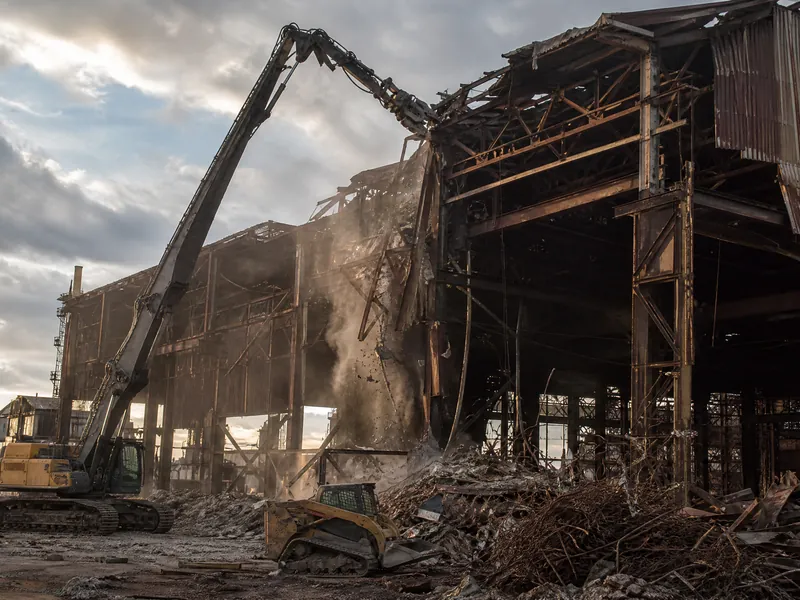
Our crews are cross-trained in both heavy dismantling and hazardous material handling. As we deconstruct the facility, we systematically remove and segregate regulated materials, including asbestos-containing materials (ACM), lead-based paint, and PCB-containing equipment. By managing the abatement and the structural demolition under a single contract, we eliminate the scheduling conflicts and scope gaps that often occur when multiple contractors are involved. This integrated approach accelerates the project timeline and provides the facility owner with a single point of accountability for the entire site clearing process.
Method and sequence
Subsurface Decommissioning and Foundation Removal
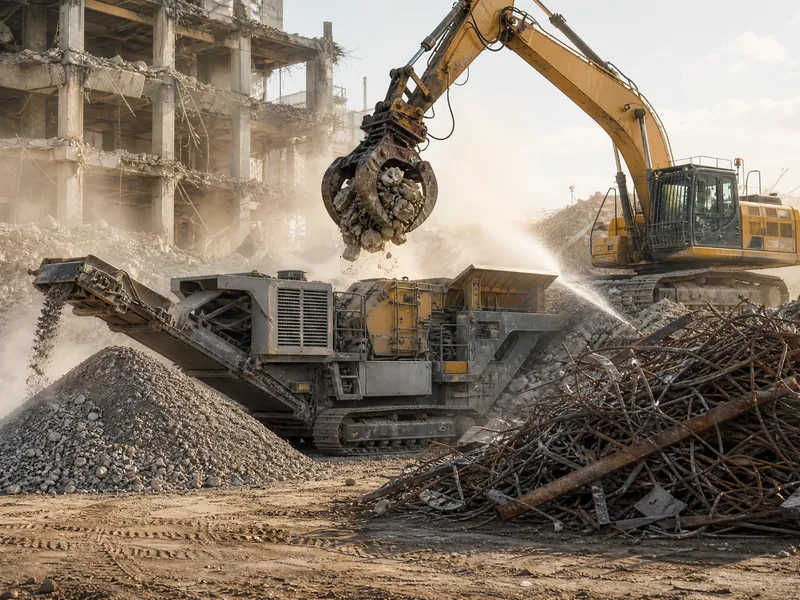
A critical component of brownfield redevelopment is the removal of subsurface structures that could impede future construction. Industrial facilities often feature massive concrete foundations, deep basements, utility trenches, and underground storage tanks (USTs) that must be addressed. Our heavy equipment fleet is capable of excavating and crushing these massive concrete structures. We utilize hydraulic hammers and concrete pulverizers to break down the foundations, separating the rebar for salvage credit and processing the concrete into reusable aggregate.
The removal of underground storage tanks and associated piping is handled with extreme care to prevent the release of residual products into the soil. We follow strict regulatory protocols for the inerting, excavation, and disposal of USTs. Once the subsurface structures are removed, we perform the necessary soil remediation, excavating contaminated earth and replacing it with clean, compacted fill. This thorough subsurface decommissioning ensures that the site is structurally stable and environmentally sound for future developers.
Supporting trades
Other capabilities we bring to a site
Asbestos Abatement
Aging manufacturing plants and power generation facilities often contain extensive hazardous materials that…
Environmental Remediation
Industrial Demolition USA provides comprehensive environmental remediation services for heavy industrial…
Hazardous Material Removal
Tearing down a heavy manufacturing plant requires isolating and neutralizing toxic substances before structural…
Hazards and controls
Material Processing and On-Site Recycling
To maximize the economic viability of brownfield redevelopment, we prioritize the processing and recycling of demolition debris directly on-site. The massive volumes of concrete generated from the teardown of industrial foundations and superstructures are processed using our mobile crushing plants. We crush the concrete to specific gradations, creating a high-quality recycled aggregate that can be used as backfill for the excavated basements or as a sub-base for new roads and parking lots. This eliminates the significant costs associated with hauling concrete off-site and importing clean fill.
In addition to concrete recycling, we aggressively pursue asset recovery and scrap metal salvage. Structural steel, copper wiring, and heavy machinery are carefully dismantled, sorted, and transported to recycling facilities. The salvage credit generated from these materials is applied directly to the project, significantly offsetting the net cost of the demolition and remediation efforts. By maximizing recycling and salvage, we improve the financial dynamics of the brownfield redevelopment while diverting thousands of tons of material from local landfills.
Permits and notification
Regulatory Compliance and Documentation
Navigating the complex regulatory landscape is a fundamental aspect of brownfield redevelopment. We work closely with state environmental agencies and the EPA to ensure that all demolition and remediation activities comply with local, state, and federal regulations. This includes securing the necessary permits, submitting NESHAP notifications for asbestos abatement, and adhering to the specific requirements of state voluntary cleanup programs (VCPs). Our project management team maintains constant communication with regulatory inspectors to ensure that the project proceeds without compliance-related delays.
Comprehensive documentation is critical for the successful closure of a brownfield site. We provide the client with a detailed closeout package that includes all waste manifests, air monitoring results, soil testing data, and disposal certificates. This documentation serves as the definitive proof that the site has been properly remediated and cleared according to the approved work plan. For developers and property owners, this rigorous documentation is essential for securing environmental insurance, obtaining financing, and achieving a No Further Action (NFA) letter from the regulatory authorities.
Salvage and recovery
Final Site Grading and Preparation
The final phase of our brownfield redevelopment service is the precise grading and stabilization of the site. Once all structures have been demolished, subsurface elements removed, and environmental remediation completed, we focus on preparing the land for new construction. We utilize GPS-guided earthmoving equipment to grade the site to the exact elevations specified in the redevelopment plans. This ensures proper drainage and provides a stable, level canvas for the incoming construction teams.
We also implement comprehensive stormwater pollution prevention plans (SWPPP) to control erosion and sediment runoff during the final grading process. This may involve the installation of silt fences, retention basins, and hydroseeding to stabilize the soil. When we hand over the site, it is not just an empty lot; it is a fully prepared, environmentally compliant parcel of land ready for immediate development. Our turnkey approach to site clearing ensures that the transition from demolition to new construction is seamless and efficient.
Service lines
Demolition work this supports
Common questions
Questions owners and engineers ask
How do you handle unexpected environmental contamination discovered during demolition?
Encountering unforeseen contamination is a common risk in brownfield projects. When we discover unexpected hazardous materials or contaminated soil, we immediately halt work in the affected area and notify the client and relevant environmental consultants. We then develop a targeted remediation plan, secure any necessary approvals, and safely remove the contamination before resuming the structural demolition. Our integrated capabilities allow us to adapt to these discoveries without derailing the overall project schedule.
Can the concrete crushed on-site be used for structural fill in the new development?
Yes, the concrete we process using our mobile crushing plants can be sized to meet specific engineering requirements for structural fill. We remove all rebar and debris during the crushing process, producing a clean, high-quality aggregate. Using this recycled material for backfilling deep excavations or as a sub-base for new infrastructure significantly reduces the project's material import costs and supports sustainable redevelopment practices.
How is the salvage value of the demolished facility factored into the project costs?
Asset recovery is a key component of our brownfield strategy. We carefully dismantle and sort all ferrous and non-ferrous metals, as well as any viable industrial equipment. The value of these recovered materials is calculated and applied as a salvage credit to the project. This credit directly offsets the costs associated with the demolition and environmental remediation, resulting in a lower net cost for the facility owner or developer.
Do you manage the removal of underground storage tanks (USTs) and associated piping?
Yes, the decommissioning and removal of underground storage tanks is a standard part of our subsurface clearing operations. We handle the entire process, including the safe inerting of the tanks, excavation, soil testing, and the legal disposal of the tanks and any residual contents. We provide all necessary documentation and closure reports required by state environmental regulators to certify that the USTs have been properly removed.
What documentation is provided at the completion of the brownfield clearing project?
At project completion, we deliver a comprehensive closeout package that is essential for the site's future development. This package includes all hazardous waste manifests, asbestos abatement records, landfill disposal tickets, soil compaction test results, and final as-built surveys. This meticulous documentation provides the legal and environmental certainty required by developers, lenders, and regulatory agencies to proceed with the new construction.
Ready to price the teardown?
Industrial Demolition USA provides the integrated demolition and remediation expertise required to successfully prepare brownfield sites for their next chapter. Our turnkey approach ensures that complex industrial liabilities are transformed into clean, buildable assets safely and efficiently. Contact us at 954-740-1983 or email electricalequipmentbuyers@gmail.com to discuss the site clearing requirements for your redevelopment project.