
Overview
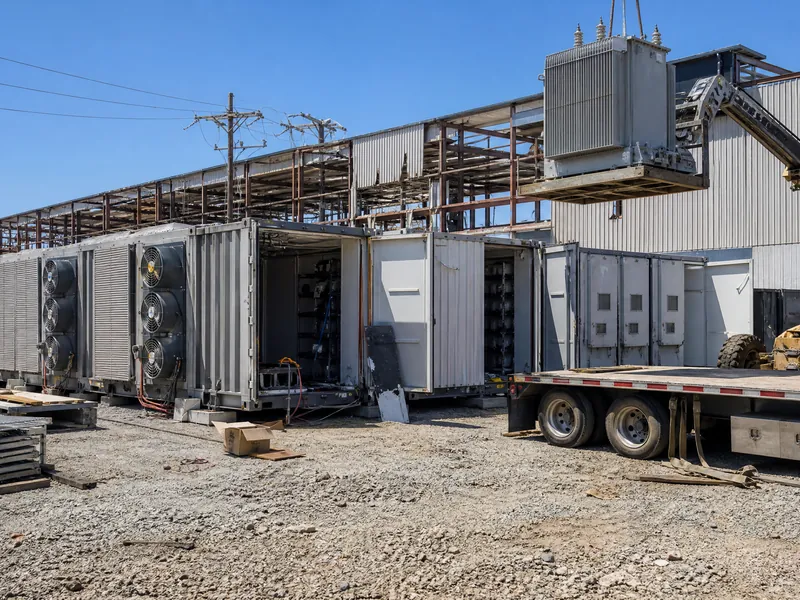
We manage the complete decommissioning process, from the systematic dismantling of rolling mills and blast furnaces to the removal of ladle houses and heavy crane runways. Our specialized heavy equipment fleet is purpose-built to handle the extreme demands of metallurgical facility deconstruction. By implementing a rigorous asset recovery strategy, we maximize the salvage credit for heavy melting scrap and non-ferrous metals, significantly offsetting the net cost of your plant retirement project.
The work
Systematic Dismantling of Heavy Metallurgical Structures
The demolition of a steel mill requires a highly engineered approach to safely dismantle massive, heavily reinforced structures. Facilities such as blast furnaces, basic oxygen furnaces (BOF), and electric arc furnaces (EAF) are constructed with exceptional structural integrity to withstand extreme thermal and mechanical stresses. Our process begins with a comprehensive structural analysis to determine the optimal sequence for deconstruction. We utilize advanced 3D modeling and engineering surveys to identify critical load paths and plan the safe, controlled collapse or piece-by-piece dismantling of these towering structures.
Our crews employ specialized techniques, including precision torch cutting and the use of massive hydraulic shears, to segment heavy structural steel grades and thick plate metal. For elevated structures like gas cleaning plants, conveyor galleries, and towering smokestacks, we deploy high-reach excavators equipped with heavy-duty attachments. This allows our operators to systematically bring down the structures from a safe distance, minimizing the risk to personnel. The dismantling sequence is carefully coordinated to ensure that the structural stability of adjacent, active facility areas is never compromised during the teardown process.
Method and sequence
Rolling Mill and Ladle House Decommissioning
Rolling mills and ladle houses present specific challenges during the decommissioning phase due to their dense configuration of heavy machinery, deep concrete pits, and extensive utility networks. The removal of rolling mill stands, massive drive motors, and continuous casting machines requires heavy-lift rigging and specialized dismantling techniques. Our crews are experienced in the systematic de-energization and isolation of high-voltage electrical systems, hydraulic lines, and cooling water loops that service these critical production areas, ensuring a safe environment for heavy demolition activities.
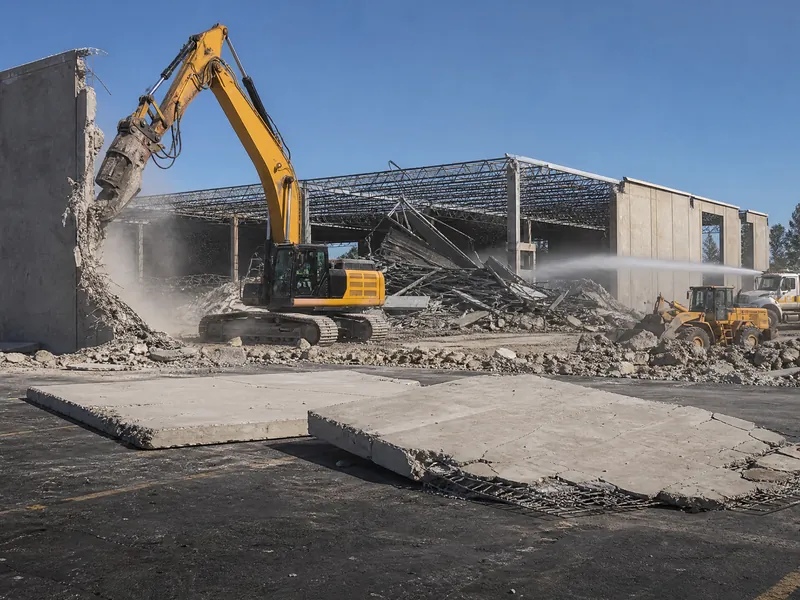
In the ladle house and casting areas, the presence of heavy slag deposits, refractory brick, and thick concrete foundations requires aggressive demolition methods. We utilize heavy excavators equipped with hydraulic breakers to fracture and remove massive concrete pedestals and deep scale pits. The segregation of materials is critical in these areas; refractory materials must be carefully separated from recyclable steel to maximize the value of the scrap stream. Our methodical approach ensures that the complex infrastructure of rolling mills and casting facilities is safely and efficiently reduced to grade level.
More scope we cover
Related demolition service lines
Power Plant Demolition
Industrial Demolition USA performs comprehensive power plant demolition, dismantling, and decommissioning for…
Windmill Demolition
Industrial Demolition USA executes the complete demolition, dismantling, and decommissioning of utility-scale…
Pharmaceutical Plant Demolition
Industrial Demolition USA is hired to perform complete pharmaceutical plant demolition, dismantling, and…
Hazards and controls
Maximizing Salvage Credit Through Heavy Scrap Recovery
Steel mills are inherently rich in valuable scrap metal, making asset recovery a central component of the demolition strategy. The sheer volume of heavy structural steel, heavy melting scrap (HMS), plate and structural (P&S) steel, and valuable non-ferrous metals like copper from massive transformers and electrical distribution systems presents a significant opportunity to offset project costs. Industrial Demolition USA implements a rigorous material segregation and processing program on-site to maximize the salvage value of these assets.
Our crews utilize mobile hydraulic shears and specialized cutting teams to process oversized steel components into mill-ready scrap dimensions directly on the project site. This on-site processing reduces transportation costs and increases the marketability of the recovered materials. We leverage our extensive network of national scrap buyers and foundries to secure the most competitive rates for the recovered metals. The revenue generated from this comprehensive asset recovery program is applied as a direct salvage credit, providing our clients with a highly cost-effective solution for the retirement of their metallurgical facilities.
Sequence of work
How a project runs, stage by stage
Site walk and survey
We walk the structure with you, review drawings, and record structural condition, live utilities, hazardous materials and salvageable assets before any number is quoted.
Engineering and permits
An engineered demolition plan sets the sequence, exclusion zones and means of collapse. We file local permits and the federal pre-demolition notification, and collect utility isolation sign-offs.
Abatement and pre-clean
Regulated materials come out first under containment with clearance documentation, so the structural phase is never held up by a surprise inside a wall or a pipe chase.
Dismantling and teardown
High-reach machines, shears, torch crews and hand demolition work the sequence top-down or inside-out, with salvage separated as it comes out rather than picked from a mixed pile afterwards.
Processing and haul-off
Steel is sheared and shipped, concrete is crushed for reuse or hauled, and every regulated stream leaves under manifest to a permitted facility.
Grading and closeout
Foundations and slabs come out to the agreed depth, the site is graded and stabilised, and you receive manifests, clearance reports and closeout documentation.
Permits and notification
Environmental Remediation and Hazard Control
The legacy of heavy industrial manufacturing often leaves steel mills with complex environmental challenges that must be addressed prior to and during the demolition process. These facilities frequently contain hazardous materials, including asbestos-containing materials (ACM) in thermal insulation, lead-based paints on structural steel, and residual heavy metals or petroleum products in scale pits and basements. Our certified environmental remediation teams conduct thorough hazardous material abatement as the critical first step in the decommissioning sequence, ensuring all regulated substances are safely removed and disposed of.
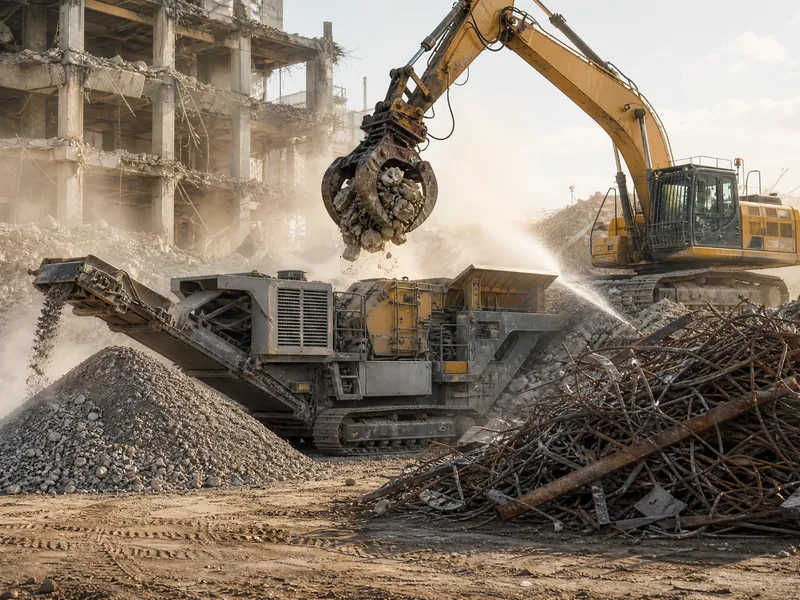
During the structural teardown, we implement aggressive hazard control measures to manage dust, noise, and vibration. The demolition of heavy concrete and the processing of scrap steel generate significant particulate matter. We utilize high-capacity dust suppression systems, including water cannons and localized misting equipment, to maintain air quality and comply with strict environmental regulations. Our comprehensive approach to environmental management ensures that the site is remediated to the required standards, protecting the surrounding community and mitigating future environmental liabilities for the property owner.
Salvage and recovery
Deep Foundation Removal and Site Preparation
The final stage of a steel mill demolition involves the extraction of massive subterranean infrastructure and the preparation of the site for future industrial redevelopment. Steel manufacturing facilities are supported by exceptionally deep and heavily reinforced concrete foundations, extensive basement networks, and deep utility trenches. Removing these subsurface elements requires heavy-duty excavation equipment and specialized concrete breaking attachments. Our crews systematically excavate and fracture these deep foundations, ensuring that the site is cleared to the specified depth required for the next phase of development.
Once the subterranean structures are removed, we process the resulting concrete rubble using mobile crushing plants. This crushed concrete is often repurposed on-site as engineered fill to backfill the deep excavations and scale pits, providing a stable and level base for new construction. This sustainable approach reduces the need for imported fill material and minimizes the volume of waste sent to landfills. We conclude the project with precision site grading, delivering a clean, stable, and fully documented brownfield site ready for its next industrial application.
In-house trades
Capabilities that run alongside this work
Coverage
Where we take on this work
Common questions
Questions owners and engineers ask
How do you handle the massive structural steel found in steel mills?
We utilize a combination of heavy-duty hydraulic shears mounted on large excavators and specialized manual torch-cutting teams to process massive structural steel. Our engineering team determines the safest sequence to dismantle heavy columns and crane runways. The steel is then processed on-site into manageable, mill-ready dimensions, which maximizes its value when sold to scrap markets and increases the salvage credit applied to your project.
What is the process for removing deep scale pits and heavy foundations?
Removing deep scale pits and heavy foundations requires aggressive excavation and concrete breaking. We deploy large excavators equipped with heavy hydraulic breakers to fracture the thick, reinforced concrete. Once broken, the concrete is excavated and typically processed through our mobile crushing plants. The crushed aggregate can then be used to backfill the deep voids left by the scale pits, providing a stable, level grade for future site redevelopment.
How is the salvage credit calculated for a steel mill teardown?
The salvage credit is calculated based on the estimated tonnage and grades of ferrous and non-ferrous metals recovered during the demolition. During our initial site survey, we conduct a detailed inventory of the structural steel, heavy machinery, and electrical components. We apply current market rates for heavy melting scrap, plate and structural steel, and copper to estimate the total salvage value, which is then deducted from the gross demolition cost to provide your net project price.
Can you safely demolish a blast furnace or BOF structure?
Yes, the demolition of blast furnaces and basic oxygen furnaces (BOF) is a highly specialized capability of our heavy industrial crews. These towering, heavily reinforced structures require meticulous engineering and 3D modeling to plan a safe teardown sequence. We utilize high-reach excavators, precision cutting, and controlled rigging techniques to dismantle these structures piece-by-piece, ensuring the safety of our personnel and the integrity of any adjacent active facilities.
How do you manage the environmental hazards specific to metallurgical plants?
Metallurgical plants often contain specific hazards such as refractory dust, heavy metal residues, asbestos insulation, and lead-based paints. We begin with a comprehensive environmental survey and execute targeted abatement before structural demolition begins. During the teardown, we employ high-capacity dust suppression systems and strict water management protocols to prevent the migration of contaminants. All hazardous materials are manifested and disposed of at certified environmental facilities.
Ready to price the teardown?
For expert decommissioning and dismantling of your metallurgical facility, rely on the heavy industrial specialists at Industrial Demolition USA. Call us at 954-740-1983 or email electricalequipmentbuyers@gmail.com to arrange a comprehensive site survey and discuss your asset recovery potential.