
Overview
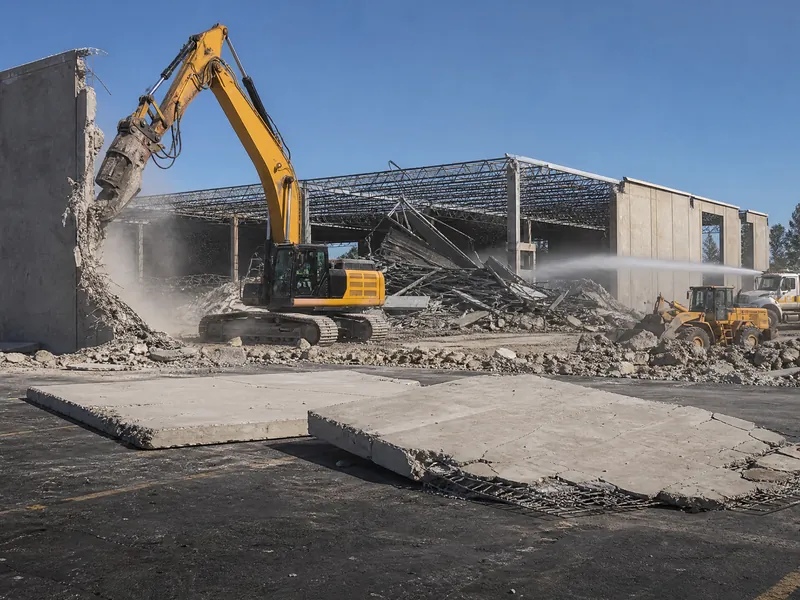
Our team of experienced structural engineers and demolition specialists performs detailed pre-demolition assessments to evaluate the integrity of the structures, identify potential failure points, and map out complex utility networks. These engineering surveys form the foundation of our site-specific demolition plans, dictating the sequencing of operations, the selection of heavy equipment, and the implementation of critical safety controls. By investing in rigorous engineering analysis upfront, we mitigate risks, prevent uncontrolled collapses, and commit that every phase of the deconstruction process is executed with absolute precision.
The work
Structural Integrity And Load-Bearing Analysis
The primary objective of a pre-demolition engineering survey is to assess the structural integrity of the facility and understand its load-bearing behavior. Industrial plants, such as steel mills, power generation stations, and chemical refineries, are complex structures that have often undergone decades of modifications, expansions, and environmental degradation. Our engineers conduct meticulous visual inspections and utilize advanced diagnostic tools to evaluate the condition of steel columns, concrete load-bearing walls, roof trusses, and deep foundations. We analyze original as-built drawings, if available, and compare them against the current state of the building to identify any undocumented alterations or areas of compromised structural stability.
This rigorous load-bearing analysis is critical for determining the safest and most effective dismantling sequence. We must understand how the removal of one structural member will affect the distribution of weight across the remaining framework. By calculating the shifting load paths, our engineers can design temporary shoring systems, specify precise cut points for steel shears and torches, and prevent premature or uncontrolled structural failures during the teardown process. This analytical approach ensures the safety of our crews and protects adjacent structures from collateral damage.
Method and sequence
Hazardous Material Identification And Mapping
Industrial facilities are frequently burdened with a variety of hazardous materials that must be identified and managed prior to structural demolition. Our engineering surveys include comprehensive environmental assessments to locate and map the presence of asbestos-containing materials (ACM), lead-based paints, polychlorinated biphenyls (PCBs), and residual chemical contaminants. We work in conjunction with certified industrial hygienists to conduct targeted sampling and laboratory analysis, ensuring that all hazardous substances are accurately quantified and documented.
The data gathered during this phase of the survey is used to develop a detailed abatement and remediation plan. We delineate exclusion zones, specify the required personal protective equipment (PPE) for our crews, and establish strict containment protocols to prevent the release of hazardous fibers or chemicals into the environment. By integrating hazardous material mapping into the overall engineering survey, we ensure that the abatement process is seamlessly coordinated with the structural dismantling, maintaining regulatory compliance and protecting the health of our workers and the surrounding community.
Supporting trades
Other capabilities we bring to a site
Rigging & Heavy Lifting
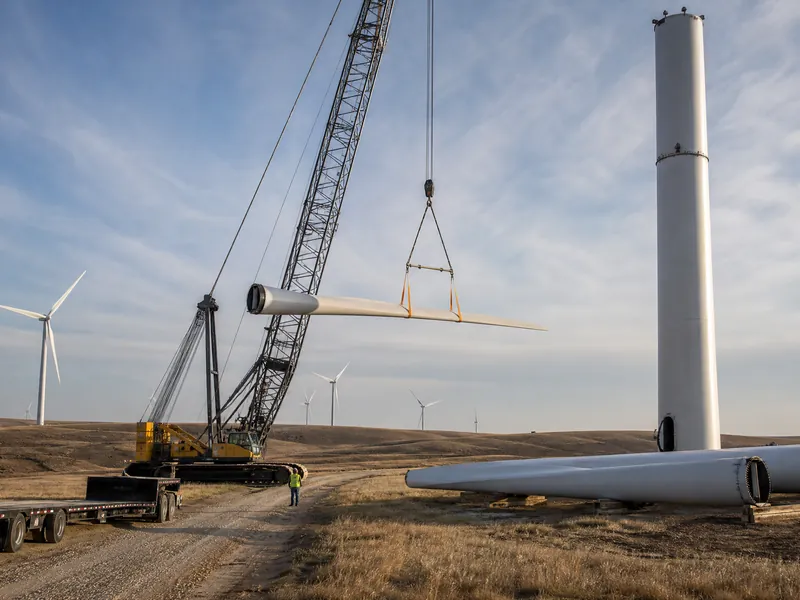
Industrial Demolition USA provides specialized rigging and heavy lifting services as a core component of our…
High-Reach Excavation
Industrial Demolition USA utilizes high-reach excavation as a primary method for the safe and efficient…
Brownfield Redevelopment
Industrial Demolition USA provides comprehensive brownfield redevelopment preparation, transforming obsolete…
Hazards and controls
Utility Tracing And Isolation Verification
A critical component of any industrial demolition survey is the accurate tracing and verification of all utility networks within the facility. Heavy industrial plants are powered by complex systems of high-voltage electrical feeds, pressurized gas lines, high-temperature steam pipes, and extensive water distribution networks. Striking an active utility line during the wrecking process can result in catastrophic explosions, severe injuries, and significant project delays. Our survey teams utilize ground-penetrating radar (GPR), electromagnetic locators, and acoustic tracing equipment to map the exact locations of both overhead and subterranean utilities.
Once the utility networks are mapped, our engineers work closely with facility managers and local utility providers to develop a comprehensive isolation and de-energization plan. We physically verify that all energy sources have been locked out and tagged out (LOTO) and that all pressurized lines have been safely purged and capped. This meticulous verification process ensures that the structure is completely cold and safe for heavy equipment operations, eliminating the risk of accidental utility strikes during the deconstruction phase.
Permits and notification
Development Of Site-Specific Demolition Plans
The culmination of the engineering survey is the development of a comprehensive, site-specific demolition plan. This highly detailed document serves as the operational blueprint for the entire project, translating the engineering data into actionable steps for our field crews. The plan outlines the precise sequencing of the teardown, specifying which structures will be removed first, the methods of deconstruction to be employed (such as high-reach excavation, controlled collapse, or manual dismantling), and the specific heavy equipment required for each task.
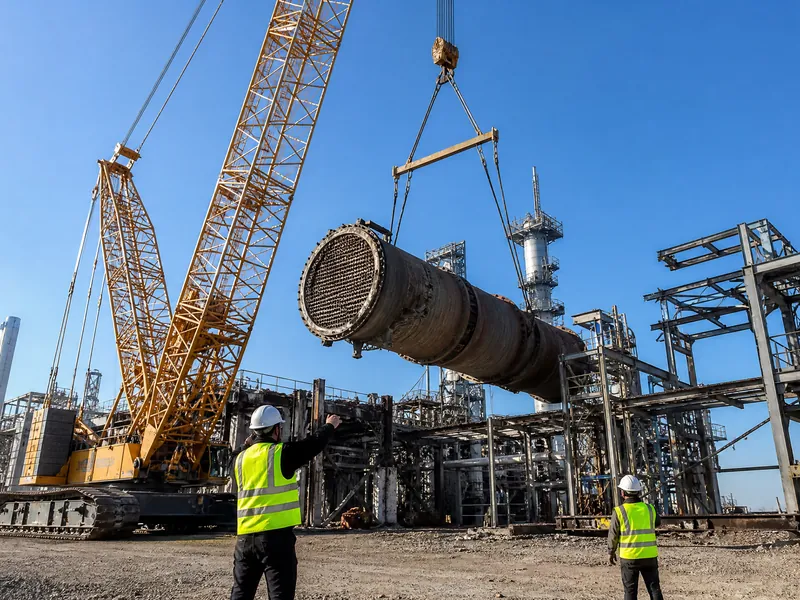
The site-specific plan also details the critical safety controls, exclusion zones, and emergency response procedures that must be enforced throughout the project. It includes engineered lift plans for the removal of heavy components, such as turbines or roof trusses, and specifies the locations for material stockpiling and processing. By providing a clear, step-by-step roadmap based on rigorous engineering analysis, we ensure that the demolition process is executed efficiently, safely, and in full compliance with all regulatory requirements.
Salvage and recovery
Continuous Monitoring And Adaptive Engineering
The role of engineering does not end once the demolition plan is finalized; it requires continuous monitoring and adaptation throughout the lifecycle of the project. As structures are dismantled and hidden conditions are revealed, our engineers remain actively involved to assess the situation and modify the operational plan if necessary. We utilize vibration monitoring equipment, optical surveying instruments, and drone technology to track the movement and stability of the remaining structures in real-time.
If an unexpected structural anomaly or a previously undocumented hazard is encountered, our engineering team can quickly analyze the new data and develop a safe workaround. This adaptive engineering approach allows us to maintain momentum on the project while ensuring that safety is never compromised. By keeping our engineers engaged from the initial survey through the final site clearing, Industrial Demolition USA delivers a highly controlled and predictable demolition experience, regardless of the complexity of the industrial facility.
Service lines
Demolition work this supports
Common questions
Questions owners and engineers ask
Why is an engineering survey required before demolition begins?
An engineering survey is essential to assess the structural integrity of the facility, identify hazardous materials, and map complex utility networks. This data is critical for developing a safe and effective demolition plan, determining the correct dismantling sequence, and preventing uncontrolled collapses or accidental utility strikes during the teardown process.
Do you review the original building blueprints during the survey?
Yes, reviewing original as-built drawings and structural blueprints is a standard part of our engineering survey. However, industrial facilities often undergo undocumented modifications over decades of operation. Therefore, we always verify the blueprints against the current physical condition of the structure using advanced diagnostic tools and visual inspections.
How do you locate underground utilities before excavation?
We utilize a combination of advanced technologies, including ground-penetrating radar (GPR) and electromagnetic locators, to accurately trace and map subterranean utility lines, such as water mains, gas pipes, and electrical conduits. This ensures that all underground infrastructure is identified and safely isolated before any heavy excavation or foundation removal begins.
Who develops the site-specific demolition plan?
The site-specific demolition plan is developed by our team of experienced structural engineers and demolition project managers. They utilize the data gathered during the engineering survey to create a comprehensive blueprint that dictates the sequencing, methods, equipment, and safety controls required for the safe execution of the project.
What happens if you discover unexpected structural damage during the teardown?
Our engineering team remains actively involved throughout the project to provide continuous monitoring and adaptive engineering. If unexpected structural damage or hidden hazards are encountered, we immediately halt work in that area, analyze the new conditions, and modify the demolition plan to ensure the safe continuation of the dismantling process.
Ready to price the teardown?
Thorough engineering surveys are the foundation of every successful and safe industrial teardown. Rely on the expertise of Industrial Demolition USA to assess your facility and develop a precise deconstruction plan. Contact us today at 954-740-1983 or email electricalequipmentbuyers@gmail.com to schedule a comprehensive pre-demolition evaluation.