
Overview
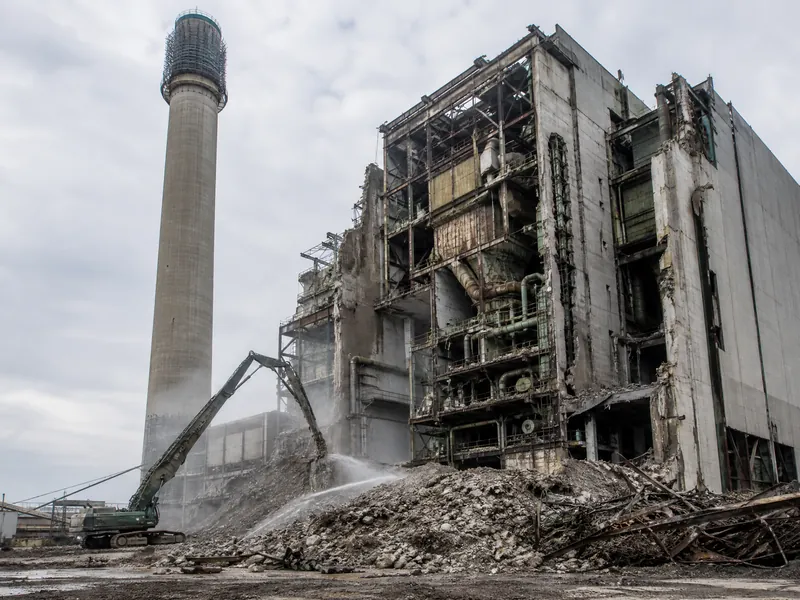
We manage the complete teardown process, from initial environmental abatement to final site grading. Our crews dismantle coal-fired generating stations, chemical plants, and glass works safely and efficiently. We coordinate all phases of the project to ensure the site is cleared and ready for its next phase of development.
The work
Dismantling Ohio River Valley Facilities
The industrial landscape of Wheeling and the broader Ohio River valley includes massive structures that present unique deconstruction challenges. Coal-fired generating stations, chemical plants, and aluminium smelters require methodical dismantling sequences to maintain structural stability during the teardown. Our project managers engineer specific demolition plans that account for the heavy steel framing, reinforced concrete foundations, and complex piping networks typical of these facilities. We deploy high-reach excavators equipped with hydraulic shears to systematically reduce these structures, minimizing the need for personnel to work at heights.
Working along the river corridors also introduces logistical and environmental constraints. We implement strict runoff controls and dust suppression measures to protect adjacent waterways during the wrecking process. The proximity to active rail lines and barge traffic requires precise coordination to ensure our operations do not disrupt regional commerce. By carefully sequencing the demolition, we maintain a controlled work environment that prioritizes safety while keeping the project on schedule.
Method and sequence
Environmental Remediation and Abatement
Before structural demolition can begin, industrial facilities in West Virginia must undergo comprehensive environmental remediation. Older plants often contain significant quantities of hazardous materials, including asbestos insulation, lead-based paints, and residual chemicals in process lines. Our abatement teams safely remove and package these materials in accordance with federal NESHAP regulations and West Virginia DEP requirements. We isolate the work areas, establish negative pressure enclosures where necessary, and utilize specialized decontamination procedures to prevent the release of hazardous fibers or particulates.
Proper handling of process chemicals is particularly critical in the Kanawha Valley chemical plants and coal preparation facilities. We systematically drain, flush, and purge all tanks, vessels, and piping systems to ensure they are completely free of residual products. This decommissioning phase is essential for protecting our crews during the subsequent hot work and mechanical shearing operations. All hazardous waste streams are manifested and transported to approved disposal facilities, providing our clients with complete documentation of the remediation process.
Regional coverage
Other West Virginia cities we cover
Hazards and controls
Asset Recovery and Scrap Metal Processing
Heavy industrial demolition projects generate substantial volumes of recyclable materials, primarily structural steel, copper wiring, and specialized alloys. Industrial Demolition USA integrates asset recovery directly into the teardown sequence to maximize the salvage value of these materials. As we dismantle the facility, our crews segregate the metals, process them to mill-ready dimensions using mobile shears and torch cutting, and stage them for loadout. The value of this recovered scrap is applied as a salvage credit, which directly offsets the client's net cost for the demolition project.
The logistics of moving processed scrap out of Wheeling benefit from the region's robust transportation infrastructure. We utilize river barges, rail spurs, and highway transport to efficiently route materials to regional mills and foundries. This efficient material handling not only improves the project economics but also keeps the site clear of debris, allowing the demolition sequence to proceed without interruption. We track all outbound shipments and provide detailed reporting on the tonnage recovered.
Permits and notification
Utility Isolation and Site Preparation
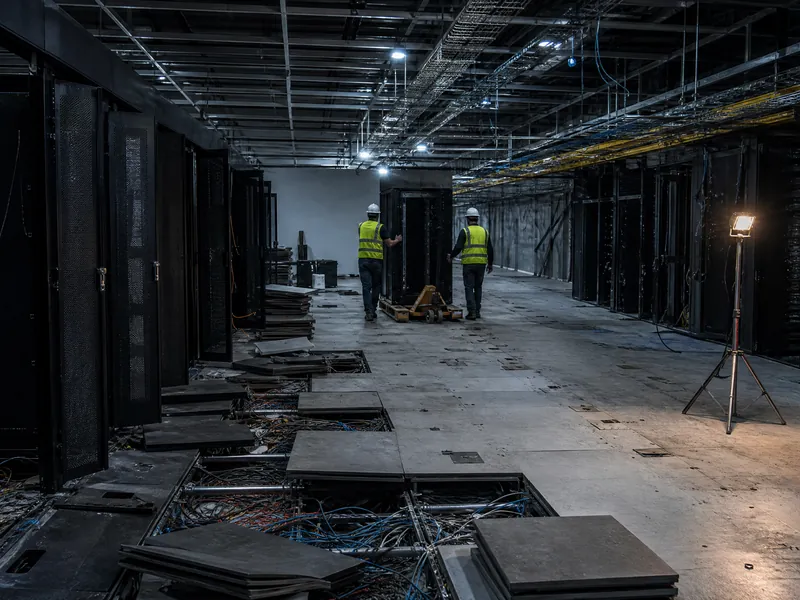
A critical early phase of any plant retirement is the complete isolation and de-energization of all site utilities. Industrial facilities are powered by high-voltage electrical feeds, high-pressure steam lines, and complex water distribution networks. Our crews work closely with local utility providers and plant engineers to verify that all energy sources have been physically disconnected and locked out. We trace the utility lines back to their main feeds, sever the connections, and cap the lines to ensure the site is completely safe for heavy mechanical demolition.
Once the utilities are secured, we establish the site logistics necessary to support the wrecking operations. This includes setting up heavy equipment staging areas, constructing temporary access roads for haul trucks, and installing perimeter fencing and erosion controls. In dense urban environments or sites with challenging topography, such as the hillside terrain common in West Virginia, we engineer specific access plans to ensure our excavators and cranes can maneuver safely. Proper site preparation is the foundation of a safe and efficient demolition project.
Salvage and recovery
Concrete Crushing and Final Grading
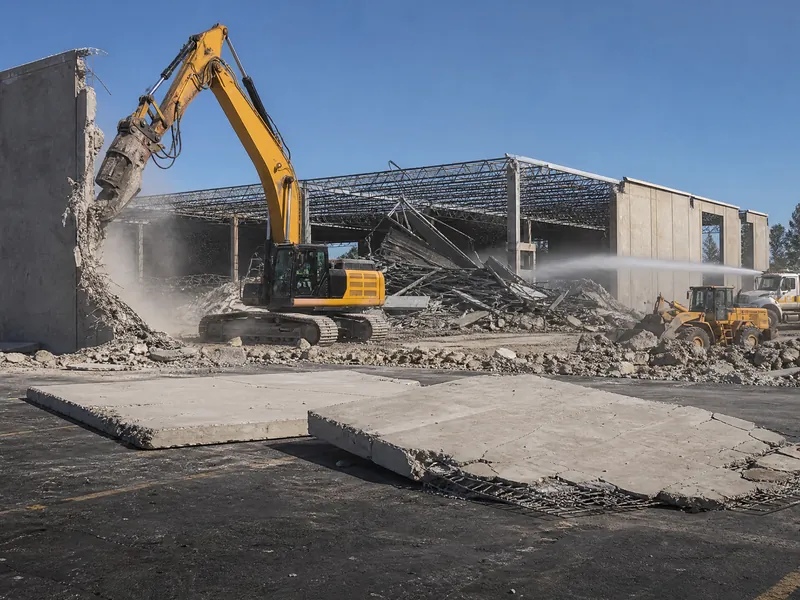
After the above-grade structures have been removed, the focus shifts to the massive concrete foundations, slabs, and retaining walls that supported the facility. We utilize heavy excavators equipped with hydraulic hammers and pulverizers to break up the concrete and separate the embedded rebar. Rather than hauling this material off-site, we often deploy mobile crushing plants to process the concrete into a reusable aggregate. This crushed material can be used to backfill basements, pits, and utility trenches, significantly reducing the need for imported fill dirt.
The final phase of the project involves grading the site to the client's specifications. We contour the land to ensure proper drainage and prepare the surface for future industrial or commercial development. Whether the site is destined for a new manufacturing facility or is being returned to a greenfield state, our crews leave the property clean, stable, and ready for its next use. We provide comprehensive closeout documentation, including all permits, disposal manifests, and compaction testing results.
Capabilities
Abatement, remediation and recovery
Common questions
Questions owners and engineers ask
How is the cost of an industrial demolition project determined?
The net cost is calculated by estimating the total expense of labor, equipment, disposal, and environmental abatement, and then subtracting the anticipated salvage credit from the recovered scrap metal. Factors such as the structural complexity, the volume of hazardous materials, and site access constraints all influence the final price.
Who handles the environmental notifications in West Virginia?
Industrial Demolition USA manages all required environmental notifications. We submit the necessary NESHAP asbestos notifications to the EPA and coordinate with the West Virginia DEP to ensure all local and state regulations are met before any abatement or wrecking begins.
How do you manage dust and runoff during the teardown?
We implement comprehensive environmental controls, including continuous water misting for dust suppression and the installation of silt fences and catch basin filters to manage stormwater runoff. These measures are critical for protecting the Ohio River and other adjacent waterways during the deconstruction process.
What happens to the concrete foundations?
Concrete foundations and slabs are typically broken up using hydraulic hammers. We often crush the concrete on-site to create a reusable aggregate, which is then used to backfill voids and grade the site, reducing the need to import fill material.
Do you operate in other parts of West Virginia?
Yes, our crews provide heavy demolition services throughout the state. In addition to Wheeling, we frequently manage plant retirements and industrial dismantling projects in Charleston, Huntington, Weirton, Morgantown, Parkersburg, and Fairmont.
Ready to price the teardown?
Industrial Demolition USA provides the heavy equipment and engineering expertise required to safely dismantle aging industrial facilities. Contact us to discuss your plant retirement project. Call 954-740-1983 or email electricalequipmentbuyers@gmail.com.