
Overview
Our crews manage every phase of the project, from initial environmental abatement and utility isolation to structural dismantling and final site grading. We work directly with plant owners and industrial operators to safely remove obsolete infrastructure while maximising salvage credit to offset the net cost of the project.
The work
Dismantling Coal Infrastructure and Processing Plants
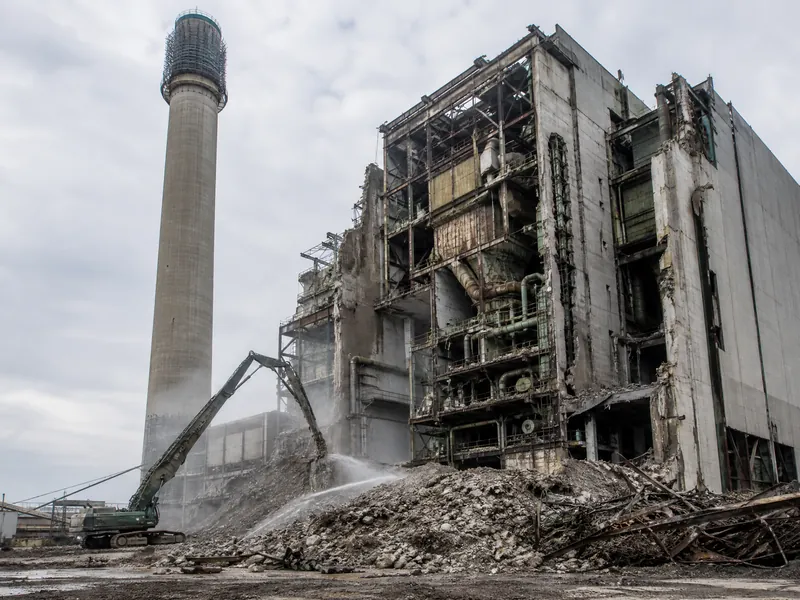
Morgantown's industrial legacy includes significant coal processing and handling infrastructure. We dismantle coal preparation plants, tipples, conveyor systems, and loading facilities. These structures often present unique challenges, including heavy steel construction, confined spaces, and the presence of combustible dust. Our crews utilise high-reach excavators equipped with hydraulic shears to systematically dismantle these facilities from the top down, eliminating the need for personnel to work at height.
Before structural demolition begins, we implement rigorous hazard control measures. This includes thorough washdowns to remove coal dust accumulations and the complete de-energisation of all electrical and mechanical systems. We isolate and cap utilities, ensuring the site is safe for heavy equipment operations. Our approach prioritises controlled dismantling, allowing us to safely process heavy steel components and prepare them for transport to recycling facilities.
Method and sequence
Chemical Facility Decommissioning and Abatement
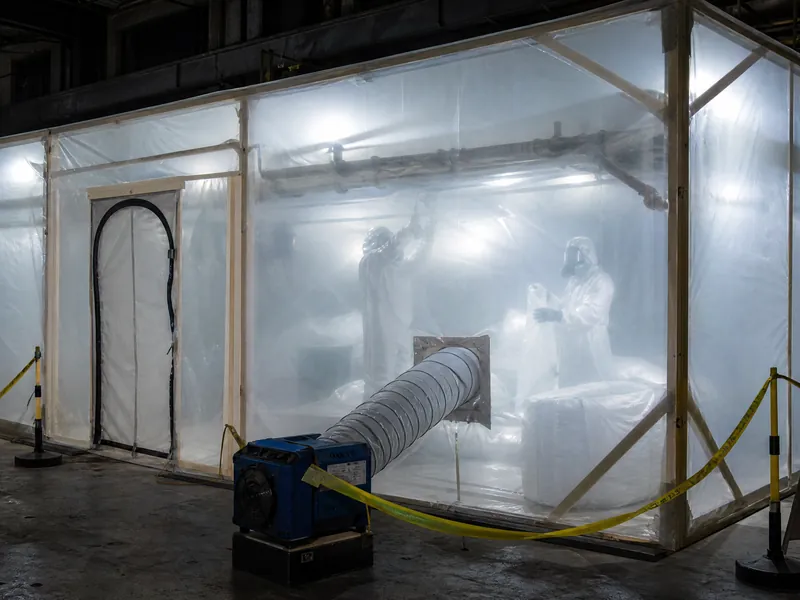
The broader region, including nearby Fairmont and the Kanawha Valley, has a strong history of chemical manufacturing. Decommissioning these facilities requires meticulous planning and execution. We manage the removal of process piping, storage tanks, reactors, and associated infrastructure. Our teams coordinate closely with environmental specialists to ensure all hazardous materials, including residual chemicals and asbestos-containing materials, are properly abated and disposed of before structural teardown commences.
We follow strict protocols for the decontamination and dismantling of chemical processing equipment. This often involves cold cutting techniques to mitigate fire risks in areas where flammable residues may be present. We handle the complex logistics of managing multiple waste streams, ensuring that all materials are tracked and manifested in compliance with West Virginia DEP regulations. Our goal is to leave the site clean, graded, and ready for its next industrial application.
Regional coverage
Other West Virginia cities we cover
Hazards and controls
Asset Recovery and Scrap Metal Processing
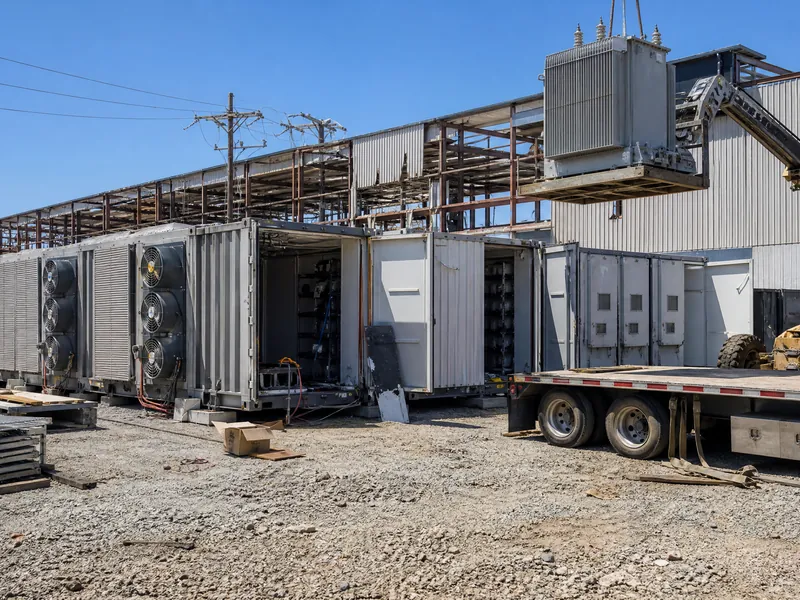
A critical component of our demolition strategy in Morgantown is asset recovery. Industrial facilities contain significant quantities of valuable metals, including structural steel, copper wiring, stainless steel vessels, and heavy machinery. We systematically segregate these materials during the teardown process. By efficiently processing and marketing this scrap metal, we generate a salvage credit that is applied directly against the client's demolition cost.
Our crews are equipped with mobile shears and material handlers to process scrap on-site, reducing transportation requirements and maximising efficiency. We maintain strong relationships with regional recycling networks, ensuring competitive returns for recovered materials. This integrated approach to demolition and asset recovery provides a streamlined, cost-effective solution for plant owners looking to retire obsolete assets.
Permits and notification
Navigating West Virginia DEP Regulations
Executing industrial demolition in Morgantown requires strict adherence to state and federal regulations. We manage all necessary notifications and permits, including the federal NESHAP asbestos notification required prior to any commercial demolition. Our team coordinates directly with the West Virginia DEP to ensure compliance with air quality standards, stormwater management protocols, and waste disposal regulations.
We develop comprehensive site-specific safety and environmental plans for every project. This includes implementing dust control measures, establishing exclusion zones, and monitoring noise levels to minimise the impact on surrounding operations and the local community. We provide clients with complete documentation at project closeout, including waste manifests, recycling certificates, and final grading reports, ensuring a clear chain of custody and full regulatory compliance.
Salvage and recovery
Regional Logistics and Site Access
Morgantown's location presents specific logistical considerations for heavy demolition projects. The region's topography, with its hills and river valleys, can create access constraints for heavy equipment and material transport. We carefully plan site logistics, evaluating road capacities, bridge weight limits, and potential staging areas. When applicable, we leverage the Monongahela River and regional rail networks to efficiently move large volumes of scrap metal and demolition debris.
Our project managers coordinate closely with local authorities to manage traffic flow and ensure the safe transport of oversized loads. We understand the importance of minimising disruption to ongoing operations at active industrial sites. By carefully sequencing our work and optimising material handling, we maintain project schedules and deliver safe, efficient demolition services throughout Morgantown and neighbouring cities like Fairmont and Wheeling.
Capabilities
Abatement, remediation and recovery
Common questions
Questions owners and engineers ask
How is the salvage credit calculated for our facility?
We evaluate the quantity and quality of recoverable metals, such as structural steel, copper, and stainless steel, present in your facility. We estimate the current market value of these materials and deduct the cost of processing and transportation. This net value is then applied as a salvage credit, which directly offsets the total cost of the demolition project.
Who handles the environmental notifications in West Virginia?
Industrial Demolition USA manages all required environmental notifications. This includes submitting the mandatory NESHAP asbestos notification to the EPA and coordinating with the West Virginia DEP for any state-specific permits related to air quality, stormwater management, and hazardous waste disposal. We ensure all regulatory requirements are met before work begins.
What methods do you use to control dust during the teardown?
We implement comprehensive dust control measures throughout the demolition process. This primarily involves the use of high-volume water misters and dust suppression cannons to knock down airborne particles at the source. We also wet down debris piles and haul roads to prevent dust migration, ensuring compliance with local air quality standards.
Do you manage the utility disconnects before demolition?
Yes, utility isolation is a critical first step. We coordinate with local utility providers and plant personnel to ensure all electrical, gas, water, and process lines are completely de-energised, air-gapped, and capped. We verify that all systems are safe before any structural dismantling or abatement work commences.
What documentation is provided at the end of the project?
At project closeout, we provide a comprehensive documentation package. This includes all environmental permits, asbestos abatement clearances, waste disposal manifests, and recycling certificates for recovered metals. We also provide final site grading reports, ensuring you have a complete record of regulatory compliance and project completion.
Ready to price the teardown?
Industrial Demolition USA delivers safe, compliant, and efficient demolition solutions for Morgantown's industrial sector. Contact our team to discuss your facility decommissioning requirements. Call us at 954-740-1983 or email electricalequipmentbuyers@gmail.com to schedule a site evaluation.