
Overview
Retiring these massive structures requires specialized heavy lifting equipment, precise rigging, and engineered deconstruction methods to ensure safety in remote or challenging terrain. Our crews efficiently dismantle the towers and process the materials for maximum asset recovery, offsetting the overall project costs through salvage credit. Whether you are repowering a site or permanently decommissioning a wind facility, we provide the heavy equipment and technical expertise required to clear the land and restore the environment.
The work
Controlled Dismantling of Wind Turbine Components
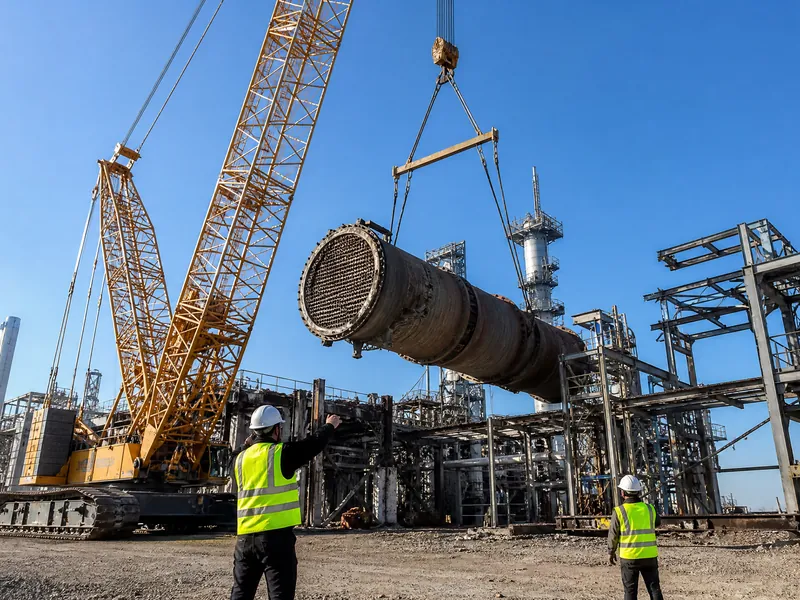
The deconstruction of a utility-scale wind turbine begins with the careful removal of the uppermost components. Our crews utilize high-capacity crawler cranes to safely lower the massive fiberglass blades and the heavy nacelle, which houses the generator and gearbox. This process requires precise rigging and detailed lift plans, often executed in challenging weather conditions and high winds. By dismantling the turbine in a controlled sequence, we prevent uncontrolled structural failures and ensure the safety of our personnel on the ground.
Once the rotor assembly and nacelle are safely on the ground, we proceed with the teardown of the steel tower sections. Depending on the site constraints and the size of the turbine, we may unbolt and lower the tower in segments, or utilize specialized torch cutting techniques to section the steel in place. Our engineered approach to dismantling ensures that the massive weight of the tower is managed safely, preparing the steel for efficient processing and transport off-site.
Method and sequence
Processing and Disposal of Fiberglass Blades
One of the most significant challenges in wind farm decommissioning is the management of the massive fiberglass composite blades. These structures are incredibly durable and difficult to process using standard demolition equipment. We employ specialized hydraulic shears and diamond wire saws to section the blades into manageable pieces directly on the project site. This size reduction is critical for efficient transportation, minimizing the number of oversized load permits required to move the material.
While fiberglass recycling options are still developing within the industry, we work with specialized processing facilities whenever possible to divert this material from landfills. When recycling is not viable, we ensure the sectioned blades are transported and disposed of at permitted solid waste facilities in strict accordance with local and state regulations. Our comprehensive waste management strategy ensures that the environmental impact of the teardown is minimized.
More scope we cover
Related demolition service lines
Pharmaceutical Plant Demolition
Industrial Demolition USA is hired to perform complete pharmaceutical plant demolition, dismantling, and…
Data Center Decommissioning
Industrial Demolition USA is hired to perform comprehensive data center decommissioning, dismantling, and…
Data Center Demolition
Industrial Demolition USA executes the complete demolition, dismantling, and decommissioning of enterprise data…
Hazards and controls
Asset Recovery and Generator Salvage
Wind turbines contain highly valuable components that can significantly offset the cost of the demolition project. The nacelle houses heavy copper wiring, large generators, and complex gearboxes that hold substantial scrap value. Our asset recovery teams systematically dismantle these components on the ground, segregating the copper, aluminum, and specialized steel alloys to maximize their market return. This recovered material generates a salvage credit that is applied directly against the client's net cost for the decommissioning work.
In addition to the internal components, the massive steel tower sections represent a major source of recyclable ferrous metal. We deploy mobile shears and torch operators to process the tubular steel into standard shipping sizes, preparing it for direct transport to foundries and recycling centers. By maximizing the extraction of these valuable metals, we deliver a more cost-effective deconstruction solution while ensuring that thousands of tons of steel are returned to the manufacturing supply chain.
Sequence of work
How a project runs, stage by stage
Site walk and survey
We walk the structure with you, review drawings, and record structural condition, live utilities, hazardous materials and salvageable assets before any number is quoted.
Engineering and permits
An engineered demolition plan sets the sequence, exclusion zones and means of collapse. We file local permits and the federal pre-demolition notification, and collect utility isolation sign-offs.
Abatement and pre-clean
Regulated materials come out first under containment with clearance documentation, so the structural phase is never held up by a surprise inside a wall or a pipe chase.
Dismantling and teardown
High-reach machines, shears, torch crews and hand demolition work the sequence top-down or inside-out, with salvage separated as it comes out rather than picked from a mixed pile afterwards.
Processing and haul-off
Steel is sheared and shipped, concrete is crushed for reuse or hauled, and every regulated stream leaves under manifest to a permitted facility.
Grading and closeout
Foundations and slabs come out to the agreed depth, the site is graded and stabilised, and you receive manifests, clearance reports and closeout documentation.
Permits and notification
Foundation Removal and Site Restoration
The visible tower is only part of the infrastructure; beneath the surface lies a massive reinforced concrete foundation designed to anchor the turbine against extreme wind loads. Our heavy equipment operators utilize large excavators equipped with hydraulic hammers and concrete pulverizers to break apart these deep foundations. Depending on the landowner's requirements and local regulations, we can remove the concrete entirely or break it down to a specified depth below the final grade.
As the concrete is demolished, we extract the heavy rebar for scrap metal recovery. The remaining concrete rubble can often be crushed on-site and used as backfill for the excavation, reducing the need to import clean dirt. Once the foundation is removed and the void is filled, we perform final grading and soil stabilization to restore the land to its original agricultural or natural state, fulfilling the environmental obligations of the decommissioning process.
Salvage and recovery
Logistics and Remote Site Access
Wind farms are frequently located in remote areas with limited infrastructure, presenting unique logistical challenges for heavy demolition operations. We manage the complex logistics of mobilizing massive cranes, high-reach excavators, and heavy haul trucks to these isolated sites. Our project managers coordinate the reinforcement of access roads and the establishment of stable crane pads to ensure that our equipment can operate safely and efficiently, regardless of the terrain.
The transportation of demolished materials away from the site requires careful planning and coordination with local transportation authorities. We manage the routing and permitting for heavy haul trucks transporting processed steel, heavy generator components, and sectioned blades. By optimizing the flow of equipment and materials in and out of the remote site, we maintain a steady project schedule and minimize disruptions to local communities and ongoing agricultural operations.
In-house trades
Capabilities that run alongside this work
Coverage
Where we take on this work
Common questions
Questions owners and engineers ask
How do you handle the massive fiberglass turbine blades?
We use specialized hydraulic shears and industrial saws to cut the large fiberglass blades into smaller, manageable sections directly on the site. This size reduction allows for efficient loading and transportation. We then route the sectioned composite materials to specialized recycling facilities when available, or to permitted solid waste landfills in compliance with all environmental regulations.
Can the steel towers and internal components be recycled?
Yes, the vast majority of a wind turbine's weight is highly recyclable. We process the heavy steel tower sections, copper wiring, and the massive generators and gearboxes housed within the nacelle. The value of these recovered metals generates a salvage credit that directly offsets the overall cost of the demolition and decommissioning project.
Do you remove the entire concrete foundation?
The depth of foundation removal depends on the specific lease agreements and local regulatory requirements. We typically use heavy hydraulic hammers to break down the reinforced concrete to a depth of three to four feet below grade. The rebar is extracted for recycling, and the remaining void is backfilled and graded to restore the land for agricultural use.
What equipment is required to dismantle a wind turbine?
Dismantling utility-scale turbines requires specialized heavy machinery, including high-capacity crawler cranes to safely lower the blades and nacelle. We also utilize large excavators equipped with hydraulic shears, concrete pulverizers, and hammers to process the steel towers and break apart the deep concrete foundations, ensuring a safe and efficient teardown process.
How do you manage projects in remote or difficult terrain?
We have extensive experience mobilizing heavy demolition equipment to isolated wind farm locations. Our teams evaluate and reinforce access roads, construct stable crane pads, and manage the complex logistics of heavy haul transportation. We coordinate all necessary permits and routing to ensure that materials are moved efficiently, maintaining the project schedule despite remote challenges.
Ready to price the teardown?
Decommissioning wind energy infrastructure requires specialized heavy equipment and engineered dismantling techniques to ensure safety and efficiency. Trust Industrial Demolition USA to manage your wind farm teardown and site restoration from start to finish. Call 954-740-1983 or email electricalequipmentbuyers@gmail.com to discuss your project requirements with our team.