
Overview
Our focus is strictly on the controlled deconstruction of large-scale commercial properties, managing every phase from initial utility isolation to final site grading. Operating here requires a deep understanding of remote logistics, harsh weather variables, and the specific structural demands of high-plains environments. We handle the complete removal of structural steel, heavy concrete foundations, and specialized processing equipment. By systematically dismantling these facilities, we recover valuable scrap metals, applying the salvage value as a direct credit to offset the client's net cost for the project.
The work
Executing Heavy Teardowns In High-Plains Environments
Operating across Montana's vast geography demands rigorous logistical planning and equipment mobilization strategies. Industrial facilities in this state are often situated in remote corridors or exposed to extreme weather patterns, including severe freeze-thaw cycles and deep frost lines that dictate how subsurface work is approached. Heavy snow loads and high winds require careful sequencing when dismantling tall structures or removing expansive roof systems.
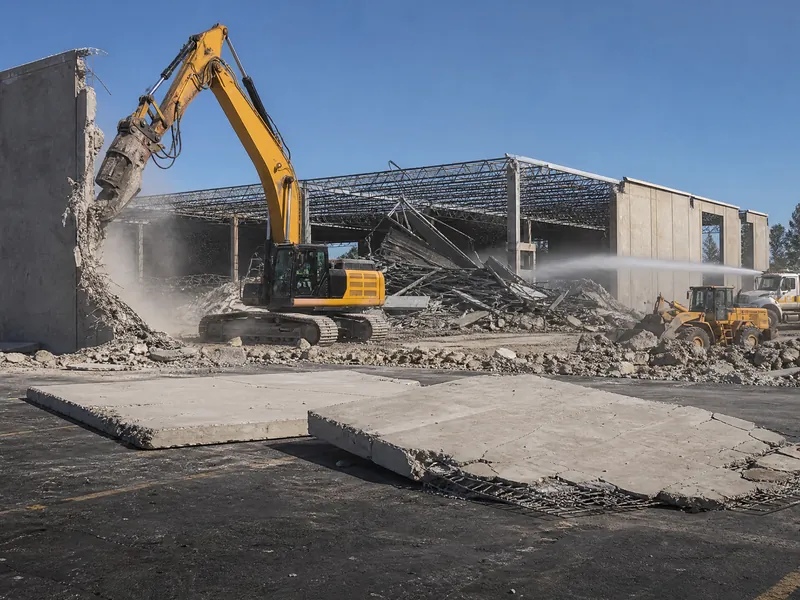
Our crews utilize specialized high-reach excavators equipped with hydraulic shears to safely bring down steel-framed buildings and heavy masonry walls. The sheer distance between industrial hubs means that equipment maintenance and fuel logistics must be tightly managed to prevent costly downtime. We establish secure perimeters and implement strict dust control measures, particularly when working near the state's vital river systems. Every teardown is engineered to maintain structural stability until the precise moment of controlled collapse, ensuring the safety of our personnel and adjacent operations.
Method and sequence
Retiring Coal-Fired Generating Units And Power Infrastructure
Montana has a long history of energy production, and the retirement of aging coal-fired power plants forms a significant portion of our heavy demolition workload. Decommissioning these massive facilities involves the systematic dismantling of boilers, turbines, precipitators, and towering exhaust stacks. We approach these projects with engineered lift plans, utilizing heavy rigging and specialized cutting equipment to separate massive steel components safely before lowering them to the ground.
The removal of electrical infrastructure, including substations and large transformers, requires meticulous fluid draining and environmental containment before the physical teardown begins. We handle the extraction of miles of copper wiring, heavy switchgear, and structural steel supports that form the backbone of these plants. By carefully segregating high-value alloys and heavy melting steel during the deconstruction of these power facilities, we maximize the salvage credit applied against the overall project cost, making these retirements more economically feasible.
Local coverage
Cities we work in across Montana
Hazards and controls
Dismantling Aggregate, Cement, And Mining Operations
The state's robust mining and aggregate sectors rely on heavy-duty infrastructure that eventually requires decommissioning. We dismantle obsolete cement plants, rock crushing facilities, and mining surface operations, dealing with structures built to withstand extreme wear and constant vibration. Tearing down massive storage silos, conveyor systems, and heavy processing buildings requires specialized techniques to handle thick reinforced concrete and heavy-gauge steel plating.
Our operators use hydraulic hammers and concrete pulverizers to break down thick foundation pads and retaining walls common in these heavy industrial facilities. Conveyor galleries and transfer towers are often elevated and require precise crane picks to bring them to grade safely without compromising the surrounding site. The remote nature of many Montana mining sites means that on-site processing of materials is often necessary to reduce the volume of debris before it is hauled away, streamlining the final site clearing process and minimizing freight loads.
Sequence of work
How a project runs, stage by stage
Site walk and survey
We walk the structure with you, review drawings, and record structural condition, live utilities, hazardous materials and salvageable assets before any number is quoted.
Engineering and permits
An engineered demolition plan sets the sequence, exclusion zones and means of collapse. We file local permits and the federal pre-demolition notification, and collect utility isolation sign-offs.
Abatement and pre-clean
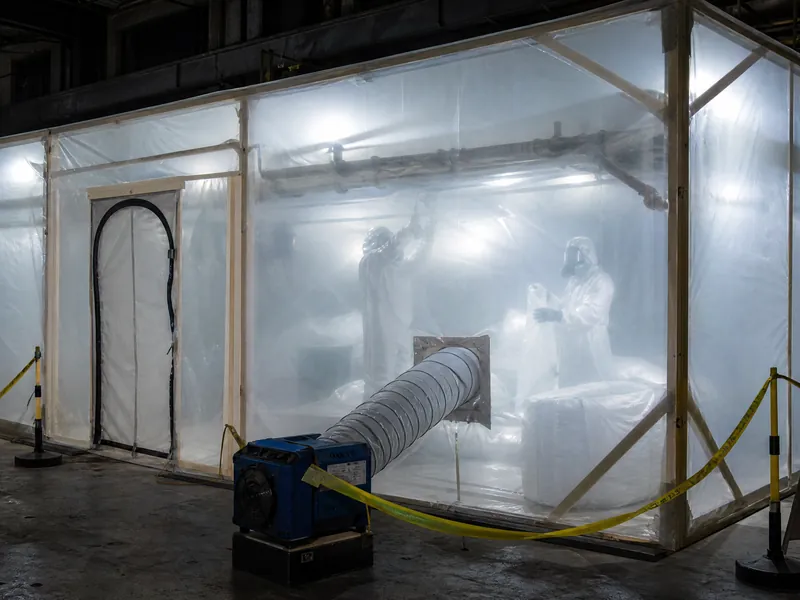
Regulated materials come out first under containment with clearance documentation, so the structural phase is never held up by a surprise inside a wall or a pipe chase.
Dismantling and teardown
High-reach machines, shears, torch crews and hand demolition work the sequence top-down or inside-out, with salvage separated as it comes out rather than picked from a mixed pile afterwards.
Processing and haul-off
Steel is sheared and shipped, concrete is crushed for reuse or hauled, and every regulated stream leaves under manifest to a permitted facility.
Grading and closeout
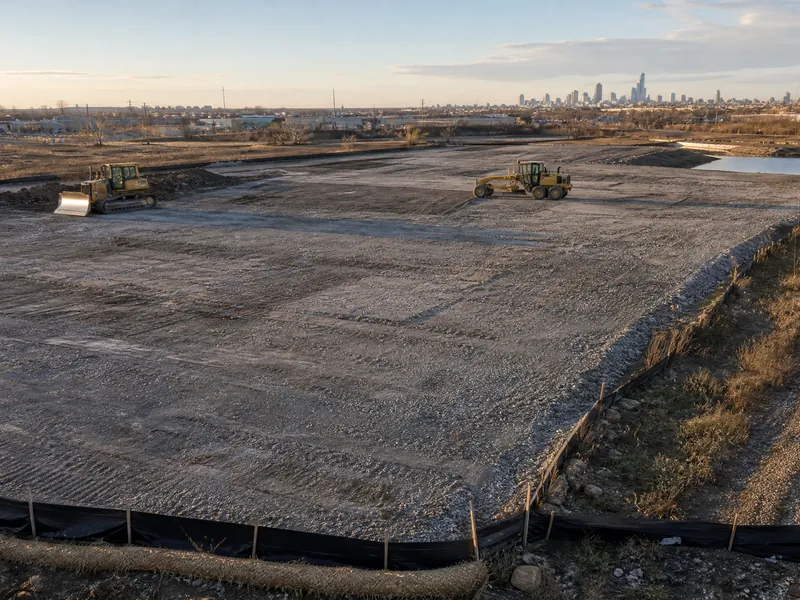
Foundations and slabs come out to the agreed depth, the site is graded and stabilised, and you receive manifests, clearance reports and closeout documentation.
Permits and notification
Decommissioning Food Processing And Agricultural Facilities
Montana's agricultural economy is supported by a network of grain elevators, sugar beet processing plants, and food manufacturing facilities. When these structures reach the end of their operational life, our crews execute complete teardowns. Dismantling grain silos, whether constructed of slip-form concrete or bolted steel, presents unique challenges regarding confined spaces and combustible dust residues. We utilize high-reach demolition excavators to systematically chew down concrete silos from the top down, eliminating the risks associated with putting personnel at dangerous heights.
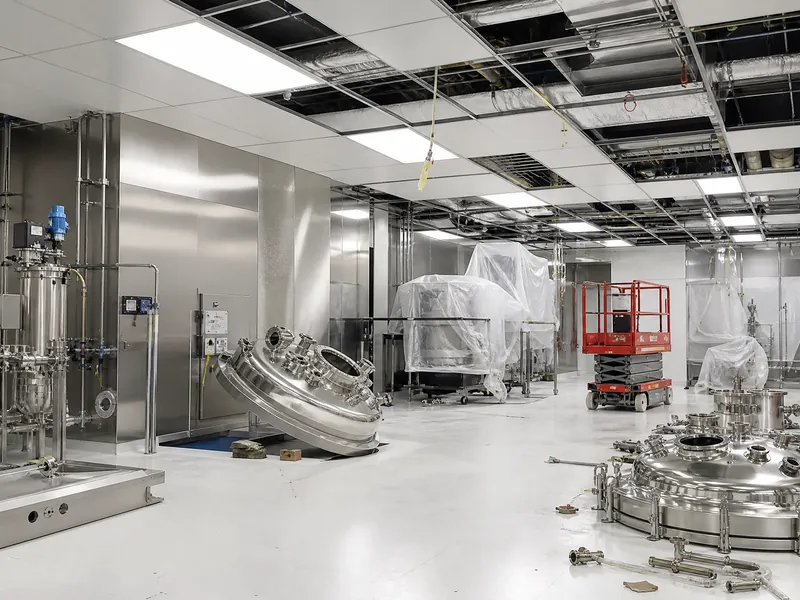
In food and beverage processing plants, the decommissioning process involves the removal of complex piping networks, stainless steel tanks, and industrial refrigeration systems. Ammonia-based cooling systems must be properly purged and isolated before any structural demolition occurs. We carefully extract food-grade stainless steel vessels, ensuring they are segregated for scrap recovery. The demolition of these facilities often requires working within tight footprints, demanding strict vibration monitoring throughout the project.
Salvage and recovery
Navigating Montana DEQ Regulations And NESHAP Notifications
Regulatory compliance is the foundation of every industrial demolition project we execute in the state. Before any structural dismantling begins, we coordinate closely with the Montana Department of Environmental Quality (DEQ) to ensure all permits and environmental clearances are secured. A critical component of this process is the mandatory federal NESHAP 10-working-day notification for asbestos, which must be filed prior to the commencement of any teardown activities, regardless of the building's age.
We manage the complete abatement of hazardous materials, including asbestos-containing insulation and universal wastes, utilizing certified remediation contractors to clear the structure. Utility isolation is another critical regulatory step; we work with local municipalities to secure official disconnect sign-offs for high-voltage electrical lines and high-pressure gas mains. By strictly adhering to Montana DEQ guidelines for dust suppression and hazardous waste disposal, we ensure that the site is cleared legally and safely, protecting the property owner from future liabilities.
Logistics
Scrap Metal Logistics And Salvage Credits Across Vast Distances
The economics of industrial demolition in Montana are heavily influenced by the logistics of moving scrap metal across vast distances. When we tear down a facility, we generate thousands of tons of structural steel, copper wire, aluminum, and heavy machinery. Because major scrap processing mills are often located out of state, we rely heavily on the region's rail networks, including BNSF, as well as long-haul trucking routes to transport these materials efficiently.
Our crews process scrap directly on the demolition site, using mobile shears and torches to cut steel beams into mill-ready dimensions. This on-site sizing maximizes payload weights for transport, significantly reducing freight costs over long hauls. We meticulously sort ferrous and non-ferrous metals, separating high-value copper from standard heavy melting scrap. The value of these recovered materials is calculated and applied as a salvage credit, which directly offsets the client's net cost for the demolition operation.
Common questions
Questions owners and engineers ask
What specific steps are required before tearing down an industrial building in Montana?
Before any structural demolition begins, we must complete a comprehensive hazardous materials survey and file the mandatory NESHAP 10-working-day notification with the Montana DEQ. Simultaneously, we coordinate with local utility providers to physically sever and cap all electrical, gas, and water lines, securing official disconnect sign-offs. Only after all environmental and utility clearances are firmly in place do we mobilize our heavy equipment.
How do you handle the deep concrete foundations typical of heavy manufacturing plants?
Montana's deep frost lines require industrial facilities to have substantial subsurface foundations. We utilize heavy excavators equipped with hydraulic hammers to break apart these thick concrete slabs, footings, and retaining walls. Once fractured, the concrete is often processed through mobile crushing plants directly on the site, converting the massive foundations into reusable aggregate that can be used to backfill voids.
In what way does the recovery of scrap metal impact the overall cost of the project?
During the dismantling of a facility, we recover significant quantities of structural steel, copper wiring, and heavy machinery. We process and sort these metals on-site before transporting them to regional recycling outlets or rail loading facilities. The market value of this recovered scrap is tracked and applied as a salvage credit, which directly offsets the net cost the client pays for the demolition services.
Are you equipped to dismantle elevated structures like grain elevators and exhaust stacks?
Yes, we specialize in the controlled deconstruction of tall industrial structures. For concrete grain silos and power plant exhaust stacks, we typically deploy high-reach excavators equipped with hydraulic processing attachments to systematically dismantle the structure from the top down. This mechanical approach keeps our personnel safely on the ground and provides precise control over the debris fall zone.
What measures are taken to control dust and debris during a large-scale teardown?
We implement aggressive dust suppression protocols using high-volume water cannons and misting systems directed precisely at the active demolition face. This is particularly critical during the dry Montana summers and when crushing concrete on-site. We also establish secure perimeter fencing and deploy heavy debris screens to ensure that all demolition materials remain strictly contained within the designated work zone.
Ready to price the teardown?
Industrial Demolition USA provides the heavy equipment, specialized crews, and logistical expertise required to safely dismantle complex industrial facilities across Montana. To discuss your upcoming plant decommissioning or structural teardown project, call us at 954-740-1983 or email electricalequipmentbuyers@gmail.com.