
Overview
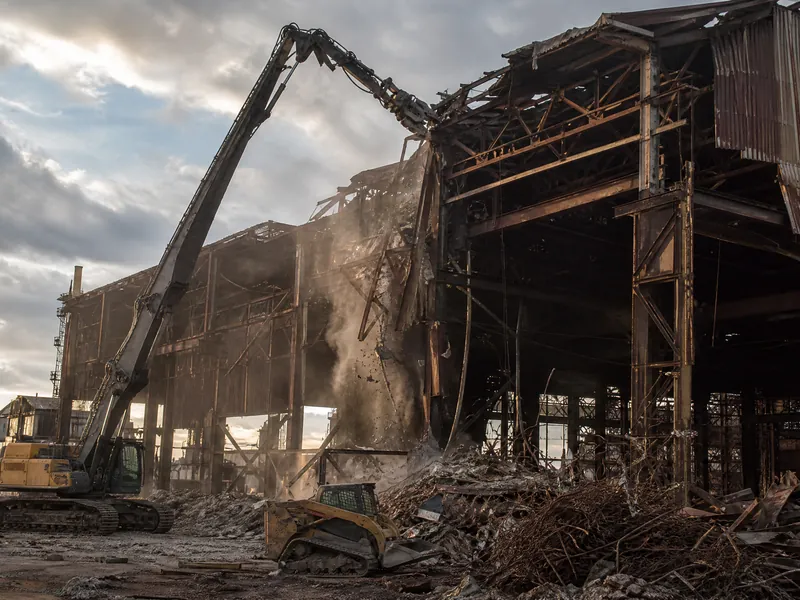
Our highly trained crews manage the entire demolition lifecycle, from the initial abatement of hazardous materials to the final processing of concrete foundations. We engineer precise deconstruction sequences that protect adjacent research facilities and active operations while optimizing the recovery of valuable scrap metals. Industrial property owners rely on our heavy machinery and technical expertise to clear complex sites safely and prepare them for future development.
The work
Asset Recovery and Scrap Metal Monetization
Maximizing the financial return from recovered materials is a key element of our demolition strategy in Raleigh. Pharmaceutical plants and heavy manufacturing facilities contain substantial quantities of valuable metals, including structural steel, copper wiring, stainless steel vessels, and aluminum components. We deploy mobile material handlers and hydraulic shears to process these metals directly on the site, sorting them meticulously by grade. This efficient on-site processing enables us to secure premium pricing from regional scrap metal markets.
The revenue generated from this scrap metal recovery is applied as a salvage credit, directly offsetting the client's net cost for the demolition project. We provide transparent, detailed weight tickets and manifests for all materials removed, ensuring full visibility into the financial credits applied. Additionally, we identify and recover reusable industrial assets, such as heavy electrical switchgear and high-capacity transformers. We facilitate the marketing and removal of these assets to maximize the overall credit provided to the facility owner, significantly lowering the capital expenditure required to clear the site.
Method and sequence
Utility Deactivation and Process Equipment Removal
A crucial phase of plant decommissioning involves the secure isolation of all active utilities and the systematic removal of heavy process machinery. Industrial facilities in Raleigh are typically connected to high-voltage power grids, high-pressure gas mains, and complex industrial wastewater systems. Our crews collaborate closely with local utility companies to ensure that all energy sources are properly locked out, tagged out, and physically disconnected at the site perimeter. This strict utility control is vital for creating a safe environment for our heavy equipment operators and preventing disruptions to the surrounding area.
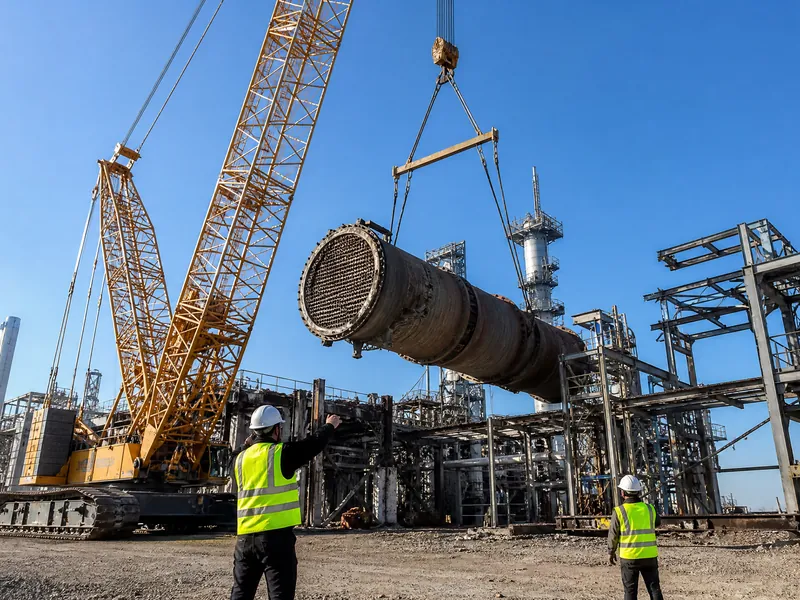
Beyond standard utility disconnects, we manage the decommissioning of specialized process infrastructure. This includes the dismantling of industrial chillers, the purging of chemical delivery piping, and the removal of large-scale backup generators. We carefully drain and capture all residual fluids, such as hydraulic oils and coolants, to prevent environmental contamination during the deconstruction process. Our systematic approach ensures that all process equipment is fully neutralized and safe before it is rigged out of the facility or processed for scrap metal.
Regional coverage
Other North Carolina cities we cover
Hazards and controls
Environmental Remediation and Hazard Clearance
Addressing hazardous materials is a mandatory first step before the structural demolition of any older industrial site in the Raleigh area. Legacy manufacturing plants and retired power facilities often contain asbestos insulation, lead-based paints, and various chemical residues. Our dedicated environmental remediation teams manage the complete abatement of these hazards, operating in full compliance with North Carolina DEQ standards. We utilize advanced negative pressure containment systems and strict decontamination procedures to safely extract and package all hazardous waste for proper disposal at licensed facilities.
By keeping the abatement process in-house, we seamlessly integrate hazard removal into the overall project schedule, avoiding the delays often associated with managing multiple contractors. We handle all necessary regulatory communications, including the submission of federal NESHAP asbestos notifications to state authorities. After the hazardous materials have been removed, we conduct exhaustive air clearance testing to certify that the building is safe for heavy demolition activities. Our meticulous documentation provides clients with a definitive chain of custody, ensuring complete regulatory compliance and mitigating future liabilities.
Permits and notification
Dismantling Research Triangle Industrial Facilities
With utilities isolated and hazards abated, the physical teardown of the facility begins. The industrial landscape around Raleigh and RTP includes sophisticated pharmaceutical manufacturing plants, biotech research facilities, and legacy power generation units that require specialized decommissioning. Bringing down these complex structures involves rigorous engineering and the deployment of advanced heavy equipment. Our operators use high-reach excavators fitted with hydraulic shears and grapples to systematically dismantle steel-framed buildings and heavy concrete structures. We execute the demolition in a carefully planned sequence to mitigate noise and vibration, which is essential when operating in close proximity to sensitive research environments and active corporate campuses.
The teardown of these advanced facilities often requires navigating intricate structural layouts, including heavy mechanical penthouses, reinforced cleanroom environments, and extensive HVAC infrastructure. We process these materials efficiently on the job site, shearing structural steel to precise lengths for recycling and segregating concrete for crushing. Prior to any structural dismantling, our engineers perform comprehensive load-bearing analyses to identify potential hazards and design a safe deconstruction path. This engineered approach ensures that even the most complex industrial structures are brought down safely and without incident.
Salvage and recovery
Concrete Processing and Final Site Preparation
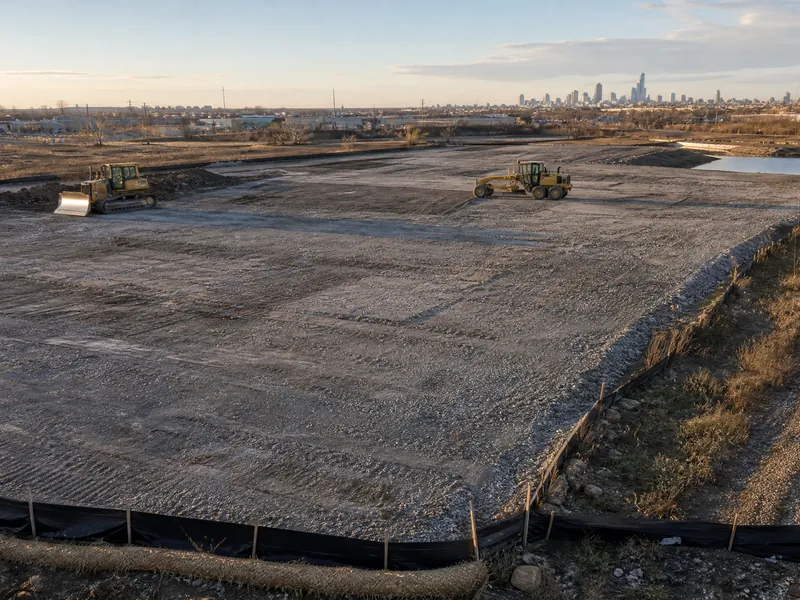
The final stage of our industrial deconstruction process is the comprehensive clearing and grading of the property, ensuring it is ready for immediate redevelopment. After the above-ground structures have been dismantled, our heavy equipment focuses on the removal of concrete slabs, deep foundations, and subterranean equipment pits. We utilize heavy-duty excavators equipped with hydraulic breakers to demolish these concrete structures, carefully extracting the embedded reinforcing steel for scrap recycling.
To minimize environmental impact and reduce the costs associated with hauling debris to landfills, we process the excavated concrete on-site using mobile crushing equipment. The resulting crushed aggregate is used to backfill voids, basements, and trenches, creating a stable and level surface across the site. Our site clearing operations also encompass the removal of asphalt parking areas, access roads, and perimeter fencing. The final deliverable is a clean, properly graded site that meets all local regulatory standards and is fully prepared for the next phase of commercial or industrial construction in Raleigh.
Capabilities
Abatement, remediation and recovery
Common questions
Questions owners and engineers ask
How do you handle the demolition of facilities located near active research campuses in RTP?
We engineer our demolition sequences to minimize impact on neighboring properties. This includes implementing rigorous dust suppression systems, monitoring vibration levels to protect sensitive research equipment, and scheduling high-noise activities during off-peak hours. We establish strict work zones and physical barriers to ensure that adjacent operations are never disrupted during the teardown.
What is included in your environmental remediation services?
Our in-house remediation teams handle the complete abatement of asbestos-containing materials, lead-based paints, and residual industrial chemicals. We manage the entire process, from establishing negative pressure containment zones to the final disposal of hazardous waste at licensed facilities, ensuring strict compliance with North Carolina DEQ regulations.
Do you provide documentation for the disposal of hazardous materials?
Yes, we provide comprehensive documentation for all hazardous materials removed from the site. This includes detailed waste manifests, chain of custody records, and final air clearance testing results. This documentation proves that all materials were handled and disposed of in accordance with state and federal regulations, protecting you from future liability.
How is the value of scrap metal factored into the project cost?
We assess the volume and type of recoverable metals, such as structural steel and copper, during our initial site evaluation. The market value of these materials is applied as a salvage credit, which directly reduces the gross cost of the demolition project. We provide detailed weight tickets to ensure complete transparency in the credit calculation.
Who manages the utility disconnects before the demolition begins?
Industrial Demolition USA coordinates all utility disconnects on your behalf. We work directly with local utility providers in Raleigh to ensure that electrical, gas, and water services are properly locked out, tagged out, and physically severed at the property line before any structural dismantling commences.
Ready to price the teardown?
Industrial Demolition USA provides turnkey facility decommissioning and heavy structural teardowns for industrial clients throughout Raleigh and the Research Triangle. Contact our estimating team at 954-740-1983 or email electricalequipmentbuyers@gmail.com to discuss your upcoming demolition requirements.