
Overview
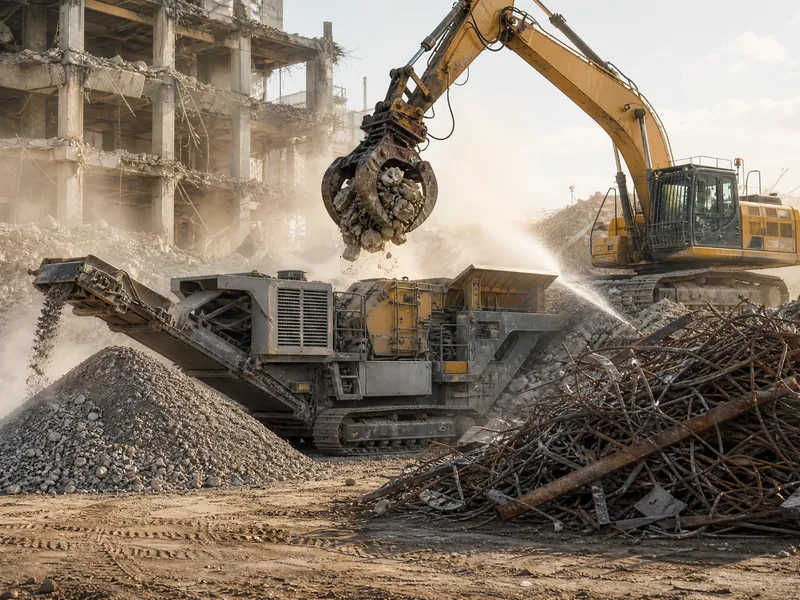
This highly controlled deconstruction process allows owners to repurpose existing footprints, upgrade heavy equipment, or reconfigure production lines without disrupting adjacent operations. We engineer every phase of the abatement and wrecking sequence to control dust, mitigate vibration, and manage noise in sensitive environments. By systematically separating valuable metals and components during the teardown, we maximize asset recovery and apply the resulting salvage credit directly against your net project cost.
The work
Engineered Isolation And Structural Separation Methods
The foundation of successful selective demolition lies in the precise isolation of the target area from the active facility. Before any physical dismantling begins, our engineering team evaluates the load-bearing characteristics of the structure to design a safe separation sequence. We implement temporary shoring, bracing, and structural support systems to ensure the stability of the remaining building components during the teardown process. This meticulous preparation prevents unintended load transfers and protects the structural integrity of the facility.
Once the area is secured, our crews utilize specialized equipment to sever connections between the demolition zone and the preserved structure. We employ diamond wire sawing, track-mounted wall saws, and robotic breakers to execute clean cuts through heavily reinforced concrete and structural steel. These advanced deconstruction techniques minimize vibration transmission to adjacent sensitive equipment and allow for surgical removal of specific building sections. The controlled nature of these methods ensures that the surrounding operations remain entirely unaffected by the wrecking activities.
Method and sequence
Mechanical System Decommissioning And Utility Disconnects
Industrial facilities rely on complex networks of mechanical, electrical, and plumbing systems that must be carefully managed during selective demolition. Our process begins with the systematic identification, tracing, and isolation of all utilities entering the work zone. We coordinate closely with plant engineers to execute safe lock-out/tag-out procedures, ensuring that all power, water, gas, and compressed air lines are fully de-energized and capped before dismantling commences.
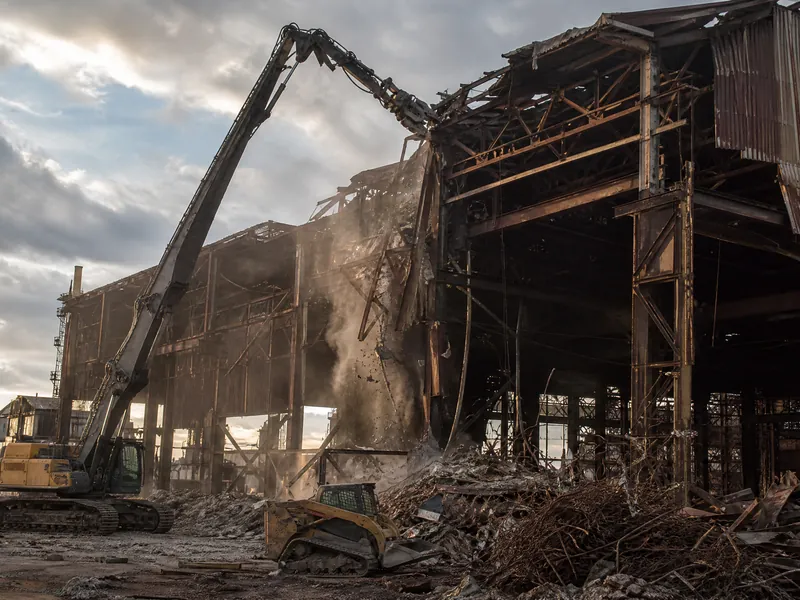
The decommissioning of heavy mechanical systems requires specialized rigging and material handling expertise. We dismantle chillers, boilers, air handling units, and process piping networks using a combination of torch cutting, mechanical shearing, and careful unbolting. Our crews are trained to handle the extraction of large-scale equipment through tight access corridors and restricted overhead spaces. By methodically breaking down these systems, we facilitate efficient removal while identifying high-value components for asset recovery, which ultimately offsets the overall cost of the remediation project.
More scope we cover
Related demolition service lines
Structural Demolition
Industrial Demolition USA specializes in the complete structural demolition and total teardown of heavy…
Implosion Demolition
Industrial Demolition USA provides engineered controlled implosion services for large-scale industrial…
Interior Demolition
Industrial Demolition USA provides selective interior demolition and dismantling services for active…
Hazards and controls
Environmental Controls And Dust Mitigation Strategies
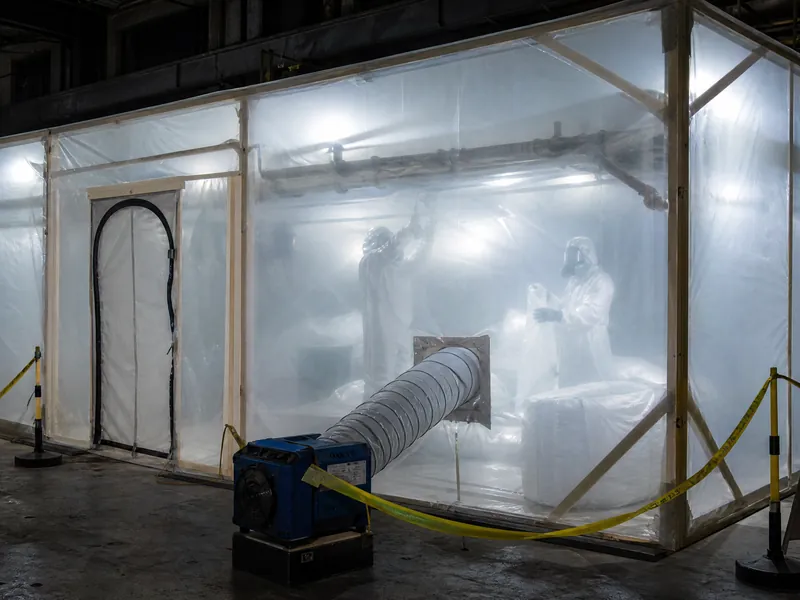
Executing demolition activities within an operational facility demands rigorous environmental controls to protect personnel, products, and sensitive machinery. We engineer comprehensive containment systems using heavy-duty reinforced poly barriers, negative air pressure enclosures, and HEPA filtration units to isolate the work zone completely. These measures prevent the migration of dust, debris, and airborne particulates into active production areas or clean rooms.
In addition to physical barriers, we implement active dust suppression techniques throughout the teardown process. Fine water misting systems and localized vacuum extraction are utilized at the point of demolition to capture particulate matter before it becomes airborne. When dealing with hazardous materials, our abatement specialists follow strict regulatory protocols for the safe removal and disposal of asbestos-containing materials, lead-based paints, and other regulated substances. This integrated approach to environmental remediation ensures full compliance with occupational safety standards while maintaining the pristine condition of the surrounding facility.
Sequence of work
How a project runs, stage by stage
Site walk and survey
We walk the structure with you, review drawings, and record structural condition, live utilities, hazardous materials and salvageable assets before any number is quoted.
Engineering and permits
An engineered demolition plan sets the sequence, exclusion zones and means of collapse. We file local permits and the federal pre-demolition notification, and collect utility isolation sign-offs.
Abatement and pre-clean
Regulated materials come out first under containment with clearance documentation, so the structural phase is never held up by a surprise inside a wall or a pipe chase.
Dismantling and teardown
High-reach machines, shears, torch crews and hand demolition work the sequence top-down or inside-out, with salvage separated as it comes out rather than picked from a mixed pile afterwards.
Processing and haul-off
Steel is sheared and shipped, concrete is crushed for reuse or hauled, and every regulated stream leaves under manifest to a permitted facility.
Grading and closeout
Foundations and slabs come out to the agreed depth, the site is graded and stabilised, and you receive manifests, clearance reports and closeout documentation.
Permits and notification
Asset Recovery And Salvage Credit Economics
Selective demolition often yields significant quantities of valuable materials, including structural steel, copper wiring, stainless steel piping, and specialized industrial alloys. Our deconstruction methodology is specifically designed to maximize the separation and recovery of these commodities at the source. Rather than treating all removed material as waste, we systematically sort and process metals to preserve their highest market value.
The financial benefit of this meticulous asset recovery process is passed directly to the facility owner. We calculate the current market value of the recovered materials and apply this sum as a salvage credit against the total cost of the demolition project. This transparent approach to material valuation significantly reduces the net capital expenditure required for facility upgrades or reconfigurations. By integrating salvage operations directly into the dismantling sequence, we optimize the project economics while diverting substantial volumes of material away from local landfills.
Salvage and recovery
Logistics Management In Restricted Access Environments
One of the primary challenges in selective demolition is managing the flow of personnel, equipment, and debris within a confined, active industrial environment. We develop detailed logistical plans that dictate precise routing for material extraction and equipment mobilization. Our project managers establish dedicated ingress and egress pathways that are physically separated from the facility's normal operational traffic, ensuring that our wrecking activities never impede the client's daily business operations.
To handle debris removal in restricted spaces, we utilize a fleet of specialized compact equipment, including electric skid steers, mini-excavators, and custom conveyor systems. These low-emission, highly maneuverable machines allow us to efficiently transport dismantled materials from deep within a structure to designated exterior staging areas. We coordinate just-in-time waste hauling and scrap transportation to prevent material accumulation on site, maintaining a clean, organized, and safe work environment from the initial teardown through to the final site clearing.
In-house trades
Capabilities that run alongside this work
Coverage
Where we take on this work
Common questions
Questions owners and engineers ask
How do you prevent dust from entering our active production areas?
We construct rigid containment barriers using reinforced poly sheeting and establish negative air pressure within the demolition zone using industrial HEPA filtration units. This ensures that any airborne particulates are captured and filtered rather than migrating into your active facility. We also utilize localized water misting and vacuum extraction at the exact point of dismantling to suppress dust generation immediately.
What happens to the scrap metal removed during the teardown?
All recoverable metals, including structural steel, copper, and aluminum, are systematically sorted and processed during the deconstruction phase. The market value of these materials is calculated and applied as a salvage credit, which directly offsets your net demolition cost. We handle all the logistics of transporting the scrap to processing facilities, ensuring you receive the maximum financial benefit from the asset recovery.
Can you remove heavy equipment from upper floors or basements?
Yes, our crews specialize in complex rigging and material handling in restricted spaces. We utilize engineered hoisting systems, temporary structural supports, and specialized compact machinery to safely extract heavy mechanical systems from challenging locations. If necessary, we will dismantle the equipment into manageable sections using torch cutting or mechanical shearing before transporting it out of the facility.
Who is responsible for disconnecting the utilities before dismantling begins?
While the facility owner typically identifies the utility lines, our team takes responsibility for the physical isolation and capping of the systems within the work zone. We coordinate closely with your plant engineers to execute strict lock-out/tag-out procedures, ensuring all electrical, water, gas, and process lines are fully de-energized and safely secured before any demolition or abatement work commences.
Do you handle the removal of hazardous materials found during the project?
Yes, we provide comprehensive environmental remediation and abatement services as part of our selective demolition packages. If asbestos, lead-based paint, or other regulated materials are identified, our certified specialists will safely remove and dispose of them in accordance with all federal and state regulations. We manage the entire process, including the necessary notifications and final disposal manifests.
Ready to price the teardown?
Industrial Demolition USA delivers the precision, safety, and engineering expertise required for complex selective demolition projects in active facilities. Our controlled dismantling methods protect your ongoing operations while maximizing the financial return through strategic asset recovery. Contact us today by calling 954-740-1983 or emailing electricalequipmentbuyers@gmail.com to discuss your facility reconfiguration and receive a detailed project estimate.