
Overview
From the textile and carpet mills of the northwest to the expansive port warehousing operations in Savannah, our crews handle the complete removal of obsolete industrial assets. We manage the entire process, including environmental remediation, structural steel dismantling, and concrete crushing, preparing brownfield sites for their next phase of development. Our project managers navigate the specific logistical challenges of working in this region, ensuring every phase of the teardown aligns with strict safety protocols.
The work
Executing Teardowns In Textile And Carpet Facilities
The northwest corridor of the state holds a massive concentration of legacy textile manufacturing and carpet production facilities. When these sprawling plants reach the end of their operational life, tearing them down requires a methodical approach to handle the sheer volume of structural steel and concrete. Industrial Demolition USA dismantles these massive structures, removing outdated dye houses, extrusion lines, and warehouse spaces. We sequence the work to safely bring down high-bay structures while managing the extensive concrete foundations that supported heavy looms.
Our crews are experienced in the selective demolition of interior manufacturing spaces, allowing partial facility upgrades without disrupting adjacent active operations. We isolate utility feeds, remove overhead cranes, and dismantle complex conveyor systems. The heavy concrete slabs common in these facilities are broken up and crushed on-site, providing a reusable aggregate base. This approach minimizes the volume of material hauled away and reduces the overall net cost.
Method and sequence
Dismantling Pulp, Paper, And Kaolin Processing Plants
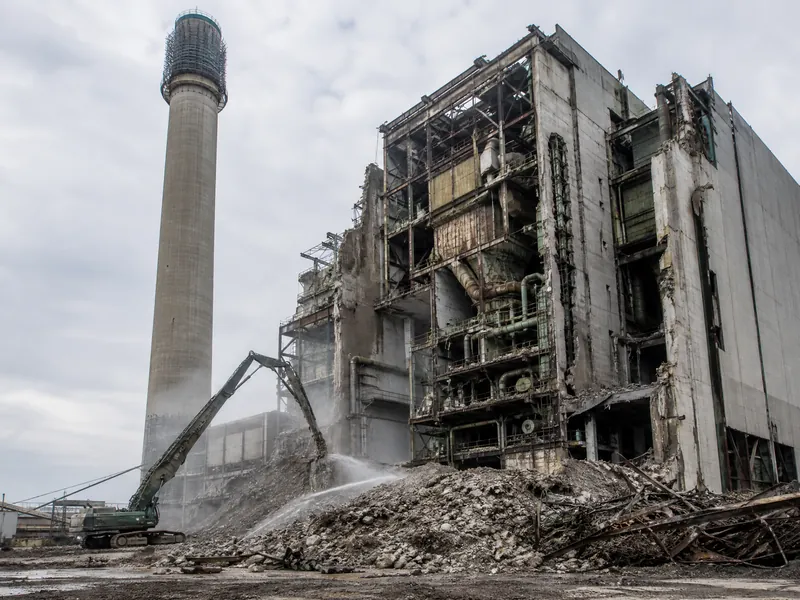
The central and southern regions of the state are home to numerous pulp and paper mills, as well as specialized kaolin processing plants. These facilities feature complex networks of piping, massive digesters, rotary kilns, and towering recovery boilers. Decommissioning these sites involves precise dismantling techniques to safely lower heavy components and manage the hazardous materials often found in older industrial insulation. We utilize specialized heavy equipment, including high-reach excavators equipped with shear attachments, to systematically cut through thick steel vessels and structural supports.
Kaolin processing facilities present unique challenges due to the abrasive nature of the materials handled and the heavy dust accumulation over decades of operation. We implement rigorous dust control measures during the teardown process to protect the surrounding environment. Our teams carefully dismantle the drying and calcining equipment, separating valuable scrap metals from the debris. The recovered structural steel is processed and routed to regional recycling outlets, generating a salvage credit that offsets the demolition cost.
Hazards and controls
Retiring Legacy Power Generation Infrastructure
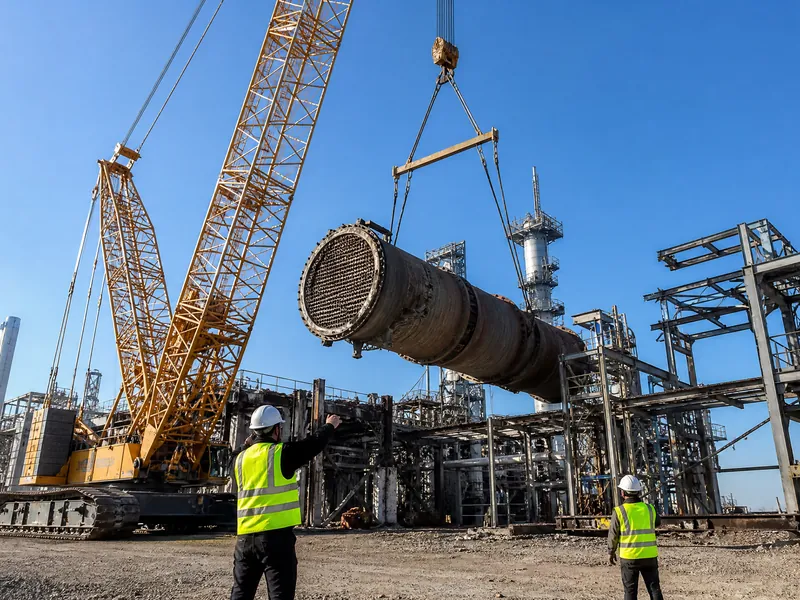
As the regional energy grid transitions, numerous older coal-fired and natural gas power plants are being retired. Decommissioning these massive utility sites requires extensive planning and heavy lifting capabilities. Industrial Demolition USA executes the controlled felling of exhaust stacks, the dismantling of massive cooling towers, and the complete removal of turbine halls. We handle the complex rigging and lifting operations necessary to remove heavy generators and transformers, ensuring that all dielectric fluids and insulating oils are properly drained and disposed of before structural dismantling begins.
Working on these large-scale utility sites often involves navigating proximity to active substations and high-voltage transmission lines. We coordinate closely with utility operators to establish safe work zones and verify that all electrical feeds are completely isolated. The massive volume of structural steel recovered from boiler houses is sheared to size on-site, optimizing the logistics of transporting scrap to regional foundries.
Sequence of work
How a project runs, stage by stage
Site walk and survey
We walk the structure with you, review drawings, and record structural condition, live utilities, hazardous materials and salvageable assets before any number is quoted.
Engineering and permits
An engineered demolition plan sets the sequence, exclusion zones and means of collapse. We file local permits and the federal pre-demolition notification, and collect utility isolation sign-offs.
Abatement and pre-clean
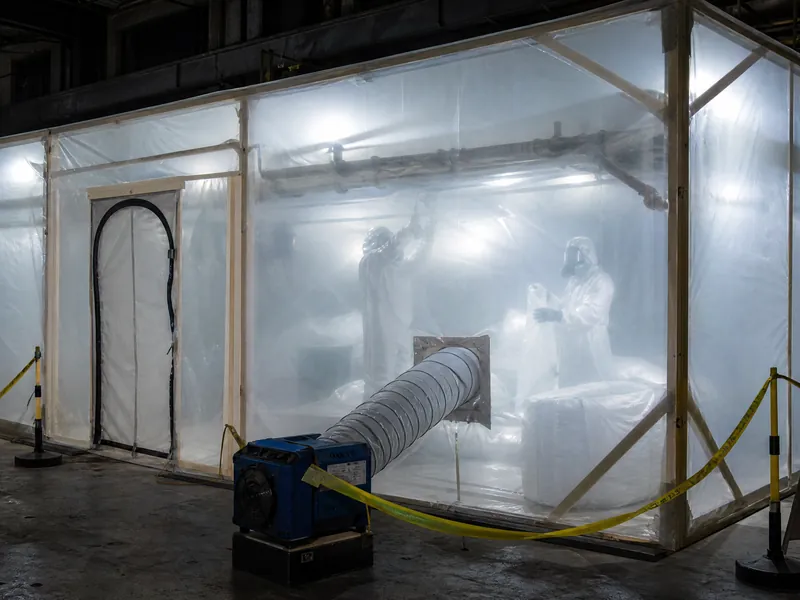
Regulated materials come out first under containment with clearance documentation, so the structural phase is never held up by a surprise inside a wall or a pipe chase.
Dismantling and teardown
High-reach machines, shears, torch crews and hand demolition work the sequence top-down or inside-out, with salvage separated as it comes out rather than picked from a mixed pile afterwards.
Processing and haul-off
Steel is sheared and shipped, concrete is crushed for reuse or hauled, and every regulated stream leaves under manifest to a permitted facility.
Grading and closeout
Foundations and slabs come out to the agreed depth, the site is graded and stabilised, and you receive manifests, clearance reports and closeout documentation.
Permits and notification
Coastal Port Warehousing And Marine Logistics
The coastal areas, particularly around Savannah and Brunswick, feature extensive port warehousing and marine terminal infrastructure. Demolishing structures in these coastal zones requires accounting for the corrosive effects of salt air on structural steel and the logistical constraints of working near active shipping channels. We dismantle aging transit sheds, bulk storage domes, and obsolete ship-loading conveyors. Our crews manage the heavy equipment necessary to tear down reinforced concrete silos and steel-framed warehouses, operating within the tight confines of busy port facilities.
The high water table and tidal influences in these coastal regions dictate our approach to foundation removal and subsurface work. We carefully excavate and remove deep pile caps and heavy concrete footings, utilizing specialized dewatering techniques when necessary. The proximity to marine transport allows for efficient barge loading of processed scrap metal and crushed concrete, providing alternative logistical routes when local roads are congested.
Salvage and recovery
Navigating Georgia EPD Regulations And Permitting
Executing heavy industrial demolition requires strict adherence to state and federal environmental regulations. We coordinate all necessary notifications and permits with the Georgia EPD, ensuring that every project remains fully compliant from the initial site assessment to the final grading. This includes filing the mandatory federal NESHAP 10-working-day notification for asbestos abatement prior to any structural teardown. Our project managers handle the complex paperwork and regulatory liaison work, preventing costly delays and ensuring that all hazardous materials are properly documented and tracked.
Before any heavy equipment mobilizes, we verify that all municipal utility disconnects are signed off and that the site is completely isolated. We manage the abatement of asbestos-containing materials, lead-based paints, and other regulated substances commonly found in older industrial facilities. By integrating the environmental remediation phase directly into our demolition schedule, we maintain tight control over the entire project timeline from day one.
Logistics
Scrap Metal Recovery And Regional Logistics
The recovery of valuable scrap metal is a critical component of our heavy demolition projects. We systematically harvest structural steel, copper wiring, aluminum components, and heavy machinery from the dismantled facilities. This material is sorted, processed, and sheared to specific dimensions on-site, maximizing its value in the regional scrap market. The proceeds from this recovered material are applied directly as a salvage credit, significantly reducing the net cost of the demolition project for the facility owner.
Transporting thousands of tons of processed scrap and demolition debris requires a robust logistical network. We leverage the state's extensive highway system and rail corridors to efficiently move materials from cities like Atlanta, Augusta, Columbus, Macon, Albany, and Rome to the appropriate processing facilities. Whether loading railcars at a dedicated spur or dispatching fleets of heavy haul trucks, we manage the entire transportation logistics chain from the job site to the final processing destinations.
Common questions
Questions owners and engineers ask
What is required before tearing down an industrial facility in this state?
Prior to any structural dismantling, we must secure all local demolition permits and verify that municipal utility disconnects are fully signed off. Crucially, we file the mandatory federal NESHAP 10-working-day notification with the Georgia EPD to address any asbestos concerns. Our team conducts a thorough hazardous materials survey, ensuring that all environmental remediation is completed before the heavy excavators begin the teardown.
How do coastal conditions in Savannah affect the dismantling process?
Working near the coast introduces challenges such as high water tables, tidal influences, and severe salt corrosion on structural steel. When removing deep foundations or pile caps, we often implement dewatering strategies to manage groundwater intrusion. Additionally, the weakened state of corroded steel requires careful structural assessment before we make any cuts, ensuring that the building remains stable during the dismantling.
Can you remove heavy equipment from a textile mill without demolishing the building?
Yes, we frequently perform selective interior demolition and asset recovery within existing manufacturing spaces. Our crews can dismantle and remove outdated extrusion lines, heavy looms, and complex conveyor systems while leaving the primary building structure intact. We carefully isolate the work zones to prevent dust and debris from impacting adjacent active operations, allowing facility owners to upgrade their production lines.
How does the salvage value of recovered materials impact the project budget?
The structural steel, copper, and heavy machinery we harvest during a teardown hold significant value in the regional scrap market. We process and sort these materials on-site, then transport them to local foundries and recycling centers. The value of this recovered metal is applied directly as a salvage credit to the client's account. This credit offsets the overall expenses of the heavy equipment, resulting in a lower net project cost.
What methods are used to handle the massive concrete foundations at power plants?
Legacy power generation sites feature incredibly thick reinforced concrete slabs and deep turbine foundations. We utilize heavy excavators equipped with hydraulic hammers and pulverizers to systematically break apart these massive structures. Once the concrete is fractured, we process it through mobile crushing plants located directly on the site. This crushed material can then be repurposed as a stable aggregate base.
Ready to price the teardown?
Industrial Demolition USA provides the heavy equipment and specialized expertise required to safely dismantle complex manufacturing and energy facilities across the state. To discuss your upcoming plant retirement or structural teardown, call our project management team at 954-740-1983 or email electricalequipmentbuyers@gmail.com.