
Overview
Retiring a power generation asset requires precise engineering, strict regulatory compliance, and rigorous hazard control to protect surrounding infrastructure and personnel. Our crews execute these complex deconstruction projects with heavy equipment and engineered methods, ensuring safe structural removal and maximum asset recovery. By systematically dismantling boilers, turbines, and cooling towers, we prepare the site for its next phase of development while offsetting project costs through strategic salvage credit.
The work
Engineered Dismantling of Power Generation Structures
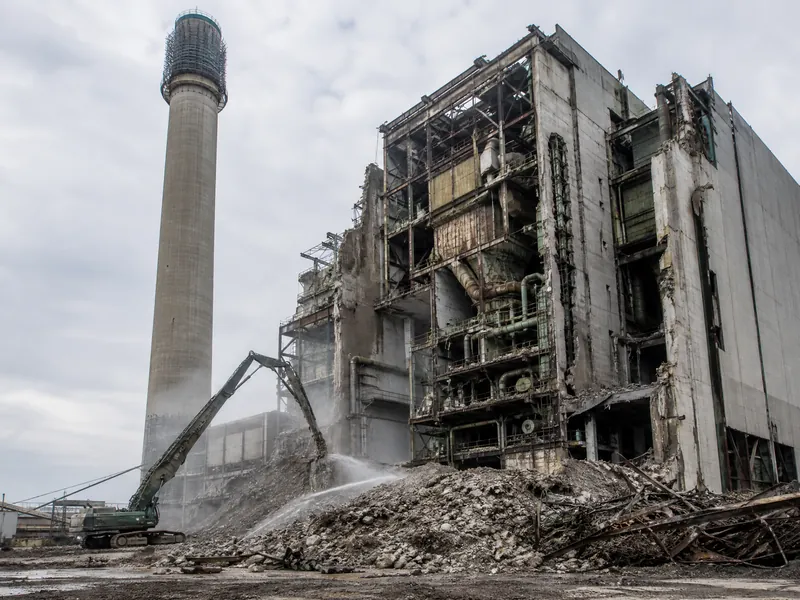
The deconstruction of a power plant involves dismantling massive, heavily reinforced structures built to withstand extreme thermal and mechanical stresses. Our crews systematically dismantle boiler houses, turbine halls, and precipitators using high-reach excavators equipped with hydraulic shears and concrete pulverizers. We sequence the teardown to maintain structural stability at all times, carefully removing structural steel and heavy components in a controlled manner. This engineered approach prevents unplanned collapses and protects adjacent active switchyards or transmission lines.
For towering structures like smokestacks and cooling towers, we employ specialized techniques ranging from controlled implosion to piece-by-piece mechanical removal. When site constraints prohibit explosives, we utilize remote-controlled demolition robots and specialized rigging to bring down stacks safely. Every phase of the wrecking process is guided by detailed engineering surveys and structural analysis, ensuring that the sequence of removal aligns with the physical realities of the facility.
Method and sequence
Environmental Remediation and Hazardous Material Abatement
Legacy power generation facilities typically contain significant quantities of hazardous materials that must be addressed before structural demolition begins. Our environmental remediation teams handle the comprehensive abatement of asbestos-containing materials found in pipe insulation, boiler lagging, and gaskets. We establish strict containment zones and utilize negative air pressure systems to safely remove and package these materials for compliant disposal, protecting both our workers and the surrounding community.
Beyond asbestos, we manage the removal of heavy metals, PCBs in older transformers, and residual coal ash or fuel oils. We coordinate the draining, flushing, and cleaning of all tanks, piping networks, and lubrication systems. Proper decommissioning of these environmental hazards is critical to regulatory compliance and liability reduction. We provide complete documentation and manifests for all hazardous waste streams, ensuring a clean chain of custody from the site to the disposal facility.
More scope we cover
Related demolition service lines
Windmill Demolition
Industrial Demolition USA executes the complete demolition, dismantling, and decommissioning of utility-scale…
Pharmaceutical Plant Demolition
Industrial Demolition USA is hired to perform complete pharmaceutical plant demolition, dismantling, and…
Data Center Decommissioning
Industrial Demolition USA is hired to perform comprehensive data center decommissioning, dismantling, and…
Hazards and controls
Utility Isolation and Plant De-energisation
Safe demolition requires the absolute isolation of all energy sources entering and exiting the facility. We work closely with utility owners to execute comprehensive lock-out/tag-out procedures, verifying the de-energisation of high-voltage electrical systems, high-pressure steam lines, and natural gas feeds. This critical phase of decommissioning ensures that our crews can safely cut into piping and sever electrical conduits without risk of arc flash or pressurized release.
In many cases, power plants are retired while adjacent substations or transmission infrastructure remain active. We implement physical barriers and strict exclusion zones to protect these live assets during the teardown process. Our site managers coordinate with grid operators to schedule critical lifts or structural drops during approved outage windows if necessary, ensuring that the demolition activities do not disrupt ongoing power distribution networks.
Sequence of work
How a project runs, stage by stage
Site walk and survey
We walk the structure with you, review drawings, and record structural condition, live utilities, hazardous materials and salvageable assets before any number is quoted.
Engineering and permits
An engineered demolition plan sets the sequence, exclusion zones and means of collapse. We file local permits and the federal pre-demolition notification, and collect utility isolation sign-offs.
Abatement and pre-clean
Regulated materials come out first under containment with clearance documentation, so the structural phase is never held up by a surprise inside a wall or a pipe chase.
Dismantling and teardown
High-reach machines, shears, torch crews and hand demolition work the sequence top-down or inside-out, with salvage separated as it comes out rather than picked from a mixed pile afterwards.
Processing and haul-off
Steel is sheared and shipped, concrete is crushed for reuse or hauled, and every regulated stream leaves under manifest to a permitted facility.
Grading and closeout
Foundations and slabs come out to the agreed depth, the site is graded and stabilised, and you receive manifests, clearance reports and closeout documentation.
Permits and notification
Asset Recovery and Scrap Metal Salvage
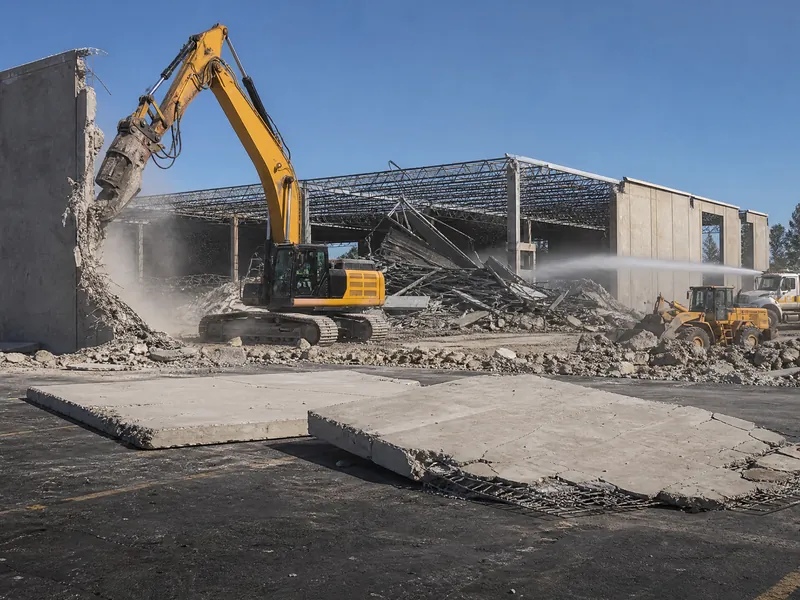
Power plants are rich in valuable metals, including heavy structural steel, copper wiring, and specialized alloys found in turbines and heat exchangers. Our asset recovery program is designed to maximize the extraction of these materials, directly offsetting the net cost of the demolition project. We deploy mobile shears and torch-cutting crews to process scrap metal on-site, sizing it for efficient transport to recycling facilities or foundries.
We carefully extract high-value components such as transformers, generators, and large electric motors. By segregating ferrous and non-ferrous metals at the point of deconstruction, we ensure the highest possible return on the recovered materials. The salvage credit generated from this systematic recovery process is applied directly to the client's account, significantly reducing the overall financial burden of the plant retirement while diverting thousands of tons of material from landfills.
Salvage and recovery
Site Clearing and Final Grading Operations
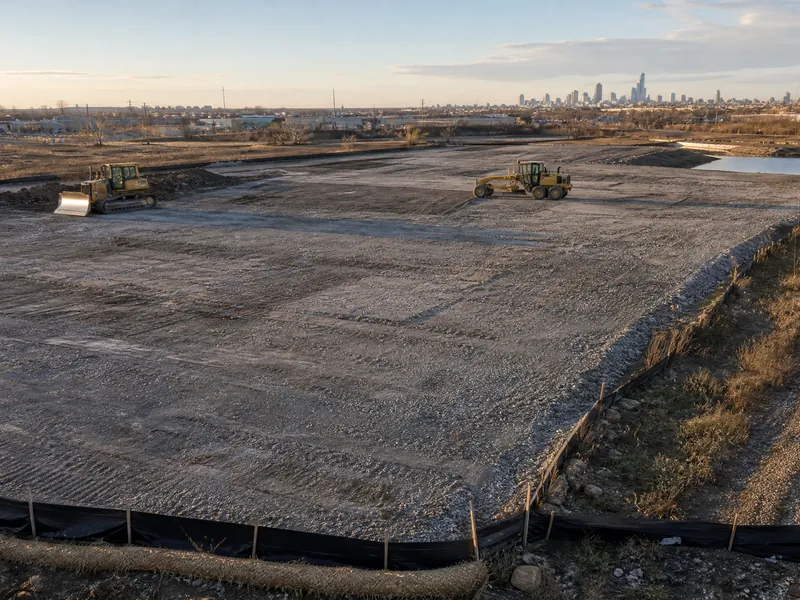
The final phase of a power plant teardown involves processing the remaining concrete and masonry rubble to prepare the site for future use. We utilize heavy-duty concrete crushers to process foundations, slabs, and containment structures into reusable aggregate. This crushed material can be used on-site to fill voids, basements, and cooling water trenches, eliminating the need to import fill dirt and reducing heavy truck traffic in the local community.
Once the subsurface structures are removed or filled according to the project specifications, our operators perform final grading to ensure proper site drainage and stability. We leave the property in a clean, level condition, ready for brownfield redevelopment or new industrial construction. Our comprehensive approach ensures that the transition from an obsolete power generation facility to a cleared, marketable parcel of land is executed efficiently and safely.
In-house trades
Capabilities that run alongside this work
Coverage
Where we take on this work
Common questions
Questions owners and engineers ask
What factors determine the cost of demolishing a power plant?
The cost is driven by the size and construction type of the facility, the volume of hazardous materials requiring abatement, and the complexity of the site logistics. Proximity to active infrastructure and the required depth of foundation removal also impact pricing. However, the total expense is often significantly offset by the salvage credit generated from recovered steel, copper, and specialized alloys.
How do you handle asbestos and other hazardous materials?
We perform comprehensive environmental remediation prior to structural teardown. Our certified crews establish containment zones to safely remove asbestos insulation, lead-based paints, and PCBs. All hazardous materials are packaged, transported, and disposed of at permitted facilities, with complete documentation and manifests provided to the client to ensure regulatory compliance and liability protection.
Can you demolish a plant while the adjacent substation remains active?
Yes, we frequently perform selective demolition and complete teardowns adjacent to live electrical infrastructure. We implement strict exclusion zones, physical barriers, and rigorous vibration monitoring to protect active substations. Our project managers coordinate closely with utility operators to ensure that deconstruction activities do not interfere with ongoing power transmission or grid stability.
What happens to the concrete foundations and cooling water trenches?
Depending on the client's specifications for future site use, we can remove foundations entirely or crush the concrete on-site to use as clean fill. We typically process concrete rubble into aggregate to fill basements, trenches, and voids, followed by final grading to leave the site level, stable, and ready for redevelopment.
How long does a complete power plant decommissioning take?
The timeline varies widely based on the facility's scale and environmental condition. A small peaking plant might be dismantled in a few months, while a massive multi-unit coal facility can require over a year of continuous work. We develop detailed critical path schedules that integrate abatement, asset recovery, and structural demolition to execute the project as efficiently as possible.
Ready to price the teardown?
Retiring a power generation facility requires an experienced contractor capable of managing complex hazards and heavy structural deconstruction. Contact Industrial Demolition USA to discuss your plant decommissioning project and schedule a site evaluation. Call us at 954-740-1983 or email electricalequipmentbuyers@gmail.com to speak with our estimating team.