
Overview
We manage the entire demolition lifecycle, deploying heavy-duty excavators and advanced engineering techniques to safely bring down massive industrial structures. Our comprehensive services include hazardous material abatement, utility de-energisation, precise mechanical wrecking, and deep foundation extraction. By implementing aggressive asset recovery strategies, we maximise the salvage value of scrap metals to offset the overall cost of the project. We ensure strict compliance with South Carolina DHEC regulations, delivering a fully cleared and graded site ready for its next phase of development.
The work
Utility Disconnection and Heavy Machinery Extraction
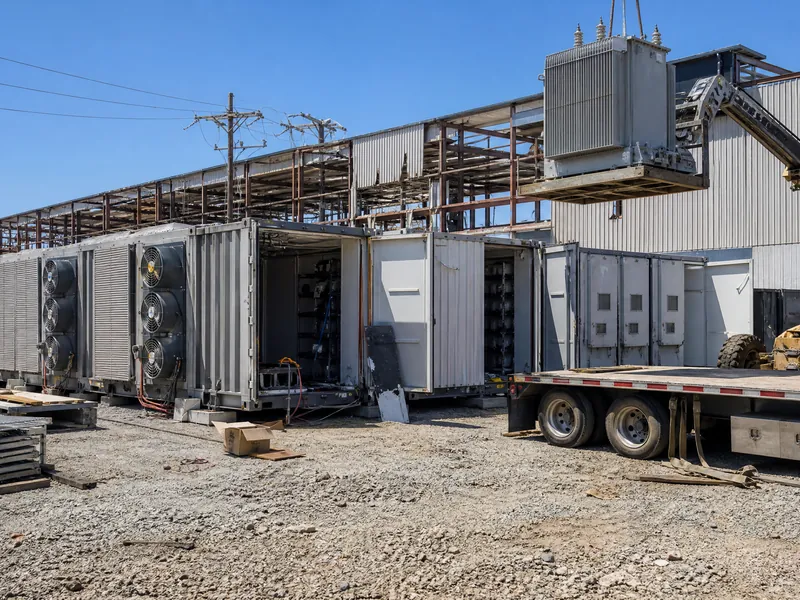
Safely isolating all facility utilities is the foundational step for our industrial demolition projects in the Midlands. We coordinate directly with Columbia utility providers to safely disconnect and cap high-voltage electrical feeds, high-pressure steam lines, and industrial water mains. Our rigorous lock-out/tag-out procedures ensure that all energy sources are completely neutralised before any dismantling begins.
Once the site is verified as de-energised, our rigging specialists target the extraction of massive industrial machinery. This includes the removal of heavy turbines, massive paper machines, industrial boilers, and large-scale stamping presses. We utilise heavy-lift cranes and specialised jacking systems to safely hoist and extract these oversized assets from the facility.
The sequence of equipment removal is meticulously planned to maintain the structural stability of the building. We carefully dismantle the surrounding steel framing and concrete pedestals, creating safe access routes for the extraction process while segregating valuable metals for optimal scrap recovery.
Method and sequence
Decommissioning Power Plants and Manufacturing Facilities
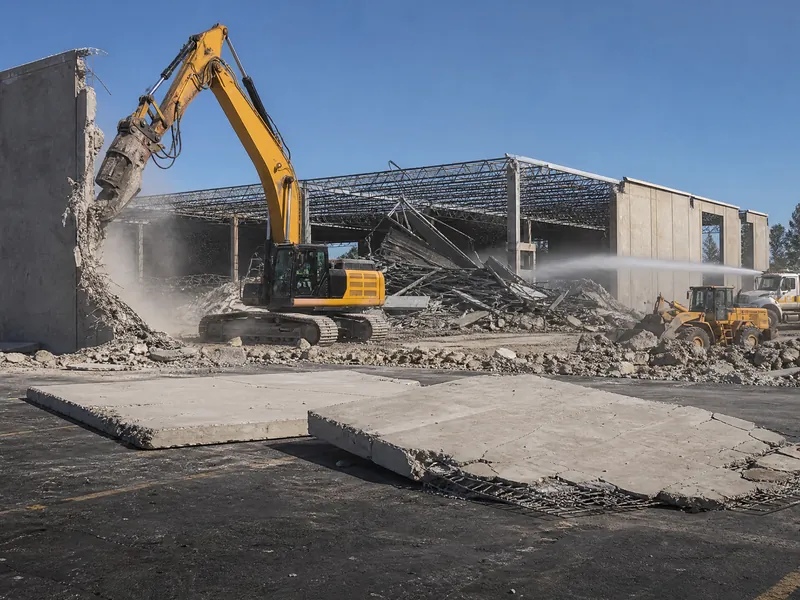
The industrial landscape of Columbia includes retiring coal-fired power units, expansive pulp and paper mills, and heavy manufacturing plants that demand rigorous deconstruction methodologies. These massive facilities feature towering smokestacks, heavy steel boiler houses, and complex conveyor systems. We utilise high-reach excavators equipped with hydraulic shears and pulverisers to systematically dismantle these structures from the top down, ensuring maximum safety and control.
Detailed demolition plans are developed by our engineering team to address the specific structural dynamics of each facility. For towering structures like silos and cooling towers, we employ precise torch cutting and engineered mechanical tripping techniques to safely bring the components to the ground. This controlled approach prevents damage to adjacent active operations and surrounding infrastructure.
Strict environmental controls, including continuous dust suppression and vibration monitoring, are maintained throughout the teardown process. Our heavy equipment operators are highly skilled in navigating dense industrial footprints, allowing us to efficiently process massive volumes of steel and concrete while maintaining a safe and organised work site.
Regional coverage
Other South Carolina cities we cover
Hazards and controls
Maximising Scrap Metal Recovery and Salvage Value
Capturing the financial return on scrap metals is a priority during our heavy dismantling projects in South Carolina. Our crews systematically harvest valuable ferrous and non-ferrous metals, including heavy structural I-beams, copper electrical wiring, stainless steel piping, and aluminium components. The value of these recovered materials is applied as a salvage credit, directly offsetting the client's net cost for the demolition.
To efficiently prepare the scrap metal for transport to regional recycling facilities, our on-site processing operations utilise mobile hydraulic shears and heavy-duty balers. We meticulously sort and grade the materials, ensuring the highest possible market return. This aggressive approach to scrap recovery is vital for managing the massive volumes of metal produced by power plant and paper mill demolitions.
Additionally, clean concrete and masonry rubble are processed using mobile crushing plants. The crushed concrete is repurposed on-site as structural fill or road base, significantly reducing landfill disposal costs and promoting sustainable demolition practices.
Permits and notification
Hazardous Material Abatement and Site Remediation
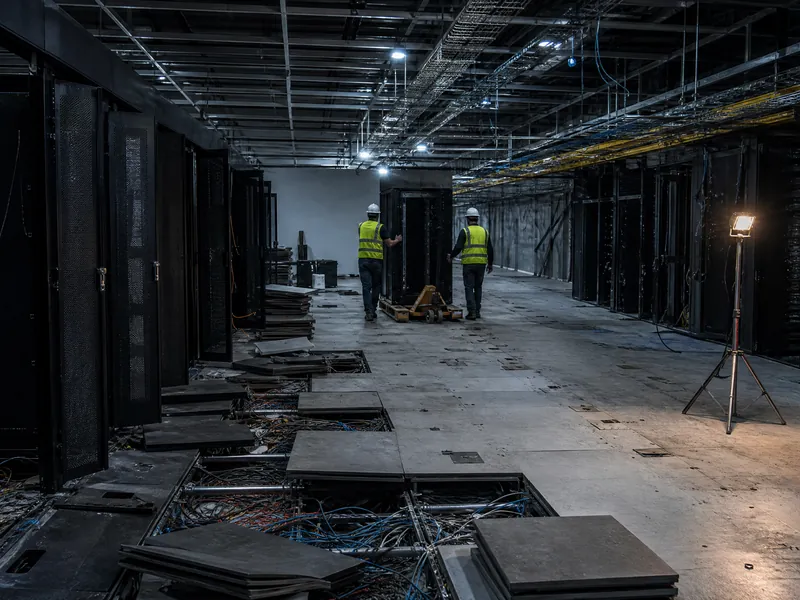
Comprehensive environmental remediation is essential for legacy industrial sites prior to the commencement of structural wrecking. We manage the complete abatement of hazardous materials, including asbestos-containing insulation, lead-based coatings, and universal wastes. Our certified environmental teams operate in strict adherence to South Carolina DHEC guidelines and federal NESHAP requirements.
Secure containment systems and negative air units are deployed to safely remove asbestos from boiler systems, extensive pipe networks, and roofing structures. In addition to building abatement, we handle the remediation of contaminated soils and the safe extraction of subterranean storage tanks, mitigating long-term environmental liabilities for the property owner.
Complete waste disposal manifests and environmental clearance certificates are provided to our clients. This proper documentation ensures the facility is legally certified as hazard-free before our heavy demolition machinery begins the structural dismantling phase.
Salvage and recovery
Deep Foundation Extraction and Final Site Grading
Removing subsurface structures and performing comprehensive site grading marks the final stage of our plant decommissioning process. Industrial facilities in Columbia often feature massive concrete foundations, deep machine pits, and extensive subterranean utility trenches. We deploy heavy excavators equipped with hydraulic hammers to systematically break up and extract these massive concrete elements, separating the embedded rebar for scrap.
Following the clearance of subsurface structures, we backfill the excavations and grade the site to the client's precise specifications. We utilise heavy earthmoving equipment to achieve proper soil compaction and establish optimal drainage patterns, preparing the land for immediate redevelopment or sale.
Delivering turnkey demolition solutions across Columbia and sibling cities like Charleston, Greenville, and Rock Hill, we transform obsolete industrial sites into valuable assets. We provide a complete closeout package, including all environmental manifests and final surveys, ensuring full regulatory compliance and client satisfaction.
Capabilities
Abatement, remediation and recovery
Common questions
Questions owners and engineers ask
How do you safely dismantle towering structures like smokestacks and silos?
We utilise a combination of high-reach excavators and engineered mechanical tripping techniques to safely bring down tall structures. Our engineers calculate precise cut points and use heavy wire ropes to pull the structures over in a highly controlled manner, ensuring they fall exactly within a designated drop zone away from active operations.
What is included in the environmental clearance documentation?
The clearance documentation includes all waste disposal manifests, air monitoring results, and official certificates confirming that all hazardous materials, such as asbestos and lead, have been safely removed and disposed of in accordance with South Carolina DHEC and federal NESHAP regulations.
How do you handle the removal of massive concrete machine foundations?
We deploy heavy-duty excavators equipped with large hydraulic hammers and pulverisers to systematically break apart massive concrete foundations and deep machine pits. We separate the heavy rebar for scrap metal recovery and crush the remaining concrete on-site to be used as structural backfill.
Can you perform demolition work while adjacent plant operations continue?
Yes, we frequently perform selective dismantling and structural teardowns within active industrial complexes. We implement strict vibration monitoring, dust suppression, and physical barriers to ensure our heavy demolition activities do not disrupt or endanger the ongoing operations of the adjacent facilities.
How does the salvage credit impact the overall cost of the project?
The salvage credit significantly reduces the net cost of the demolition. We calculate the market value of the recovered ferrous and non-ferrous metals, such as structural steel and copper, and apply that value as a direct credit against the gross cost of the dismantling and abatement services.
Ready to price the teardown?
Industrial Demolition USA delivers the heavy equipment and technical expertise required to safely execute complex plant decommissioning projects in Columbia. Contact us today to discuss your structural teardown or heavy dismantling requirements. Call 954-740-1983 or email electricalequipmentbuyers@gmail.com to speak with our estimating professionals.