
Overview
We manage complex teardowns, structural abatement, and site remediation for facility owners and developers. Our crews handle the complete deconstruction sequence, ensuring safe utility isolation, environmental compliance, and maximum salvage credit to offset project costs.
The work
Decommissioning North Carolina's Industrial Base
The industrial footprint of North Carolina spans a diverse range of facilities, each presenting unique challenges during the teardown process. We execute the controlled dismantling of textile mills along the Catawba River, managing the structural complexities of multi-story brick and timber buildings alongside modern steel additions. In the Piedmont region, our crews handle the systematic deconstruction of legacy furniture plants, addressing the specific hazards of wood dust accumulation, aging electrical infrastructure, and extensive pneumatic conveying systems. Our approach prioritizes the safe separation of structures from active operations, allowing partial facility retirements without disrupting ongoing production.
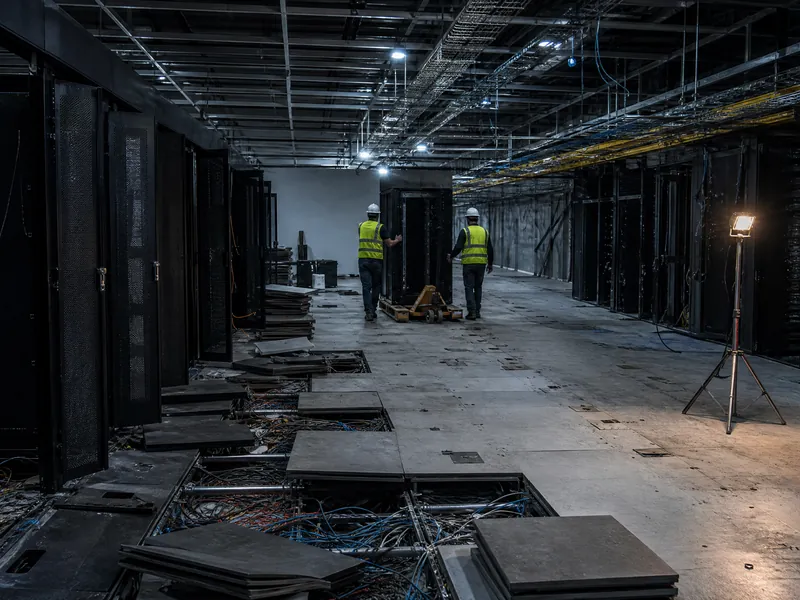
In Durham and Winston-Salem, the decommissioning of tobacco processing facilities requires meticulous planning to manage specialized processing equipment, extensive ductwork, and heavy floor loads. We deploy high-reach excavators and specialized shear attachments to bring down these structures safely, minimizing dust migration and vibration impacts on surrounding properties. For the pharmaceutical and biotech sectors in the Research Triangle Park, our interior demolition and cleanroom dismantling protocols ensure strict environmental control. We isolate HVAC systems, cap process piping, and remove specialized manufacturing skids while maintaining the integrity of adjacent laboratory spaces.
Method and sequence
Power Generation and Heavy Utility Teardowns
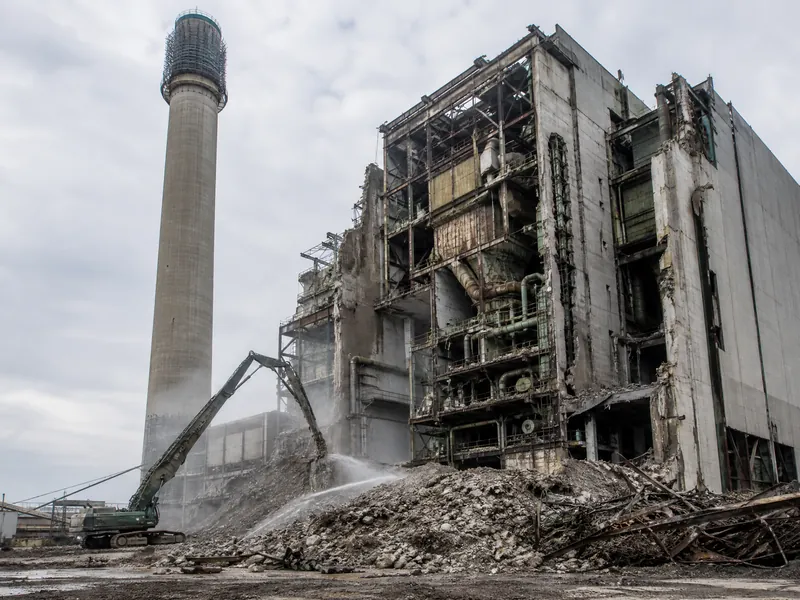
The retirement of Duke Energy coal units and other power generation assets across North Carolina demands rigorous engineering and heavy lifting capabilities. We perform the complete deconstruction of boiler houses, turbine halls, and coal handling infrastructure. Our process begins with comprehensive hazardous materials abatement, addressing asbestos-containing materials in pipe insulation, boiler lagging, and electrical components. We coordinate closely with the North Carolina DEQ to ensure all NESHAP notifications and environmental permits are secured prior to mobilization, maintaining strict regulatory compliance throughout the project lifecycle.
The structural demolition of power plants involves engineered collapse techniques and heavy mechanical shearing to process massive steel members. We dismantle precipitators, scrubbers, and exhaust stacks using a combination of controlled felling and piece-by-piece removal via crane. Our crews are experienced in the safe de-energization and isolation of high-voltage switchyards and transformer banks. By systematically processing structural steel, copper wiring, and heavy alloys, we maximize the asset recovery value, applying a direct salvage credit against the net cost of the demolition package.
Local coverage
Cities we work in across North Carolina
Hazards and controls
Environmental Remediation and Site Clearing
Industrial sites in North Carolina often require extensive environmental remediation alongside structural demolition. We manage the abatement of lead-based paints, asbestos, and universal wastes before heavy equipment begins the teardown phase. Our environmental teams establish negative pressure enclosures and utilize specialized filtration systems to prevent the release of airborne contaminants. We handle the removal of underground storage tanks, process chemical lines, and contaminated soils, ensuring that the site is fully cleared and ready for its next phase of development.
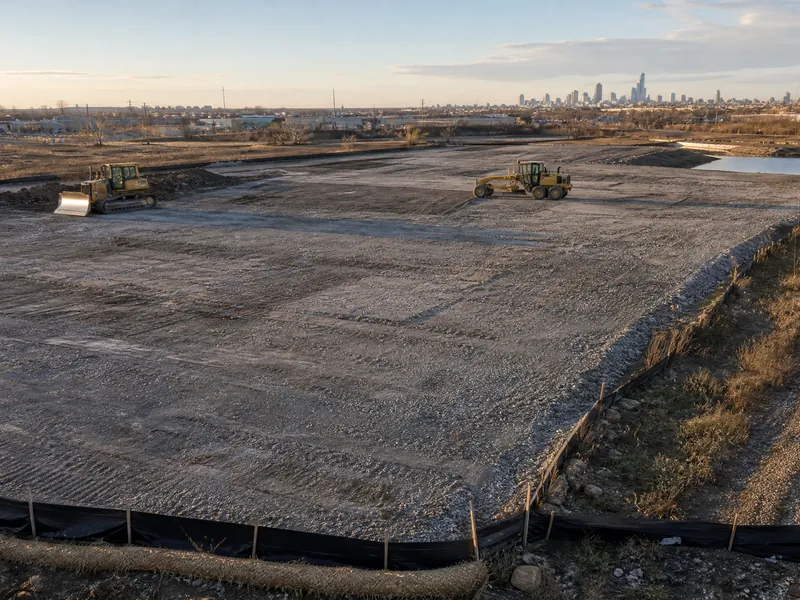
Following the removal of above-ground structures, our site clearing operations focus on foundation removal and concrete crushing. We excavate massive concrete footings, machine bases, and retaining walls, processing the material on-site to generate reusable aggregate. This approach reduces the volume of debris sent to landfills and provides a stable, graded surface for future construction. Our final closeout documentation includes all waste manifests, air monitoring results, and grading surveys, providing facility owners with a clear record of environmental compliance and site readiness.
Sequence of work
How a project runs, stage by stage
Site walk and survey
We walk the structure with you, review drawings, and record structural condition, live utilities, hazardous materials and salvageable assets before any number is quoted.
Engineering and permits
An engineered demolition plan sets the sequence, exclusion zones and means of collapse. We file local permits and the federal pre-demolition notification, and collect utility isolation sign-offs.
Abatement and pre-clean
Regulated materials come out first under containment with clearance documentation, so the structural phase is never held up by a surprise inside a wall or a pipe chase.
Dismantling and teardown
High-reach machines, shears, torch crews and hand demolition work the sequence top-down or inside-out, with salvage separated as it comes out rather than picked from a mixed pile afterwards.
Processing and haul-off
Steel is sheared and shipped, concrete is crushed for reuse or hauled, and every regulated stream leaves under manifest to a permitted facility.
Grading and closeout
Foundations and slabs come out to the agreed depth, the site is graded and stabilised, and you receive manifests, clearance reports and closeout documentation.
Permits and notification
Asset Recovery and Material Salvage
A critical component of our demolition strategy in North Carolina is the systematic recovery of valuable materials. We do not simply wreck structures; we dismantle them to extract maximum value from ferrous and non-ferrous metals, specialized alloys, and reusable industrial components. Our crews carefully remove heavy electrical gear, including transformers, switchgear, and motor control centers, processing the copper and aluminum for recycling. The salvage value generated from these materials is applied directly as a credit to the client, significantly reducing the overall cost of the demolition project.
During the teardown of manufacturing plants and processing facilities, we segregate structural steel, stainless steel piping, and heavy machinery. We utilize mobile shears and torch cutting teams to process scrap metal to mill-ready dimensions, optimizing transportation and recycling efficiency. Our established relationships with regional scrap buyers and recycling facilities ensure competitive pricing for recovered materials. By integrating asset recovery into the primary demolition schedule, we maintain project momentum while delivering a more cost-effective solution for facility owners.
Salvage and recovery
Statewide Mobilization and Project Execution
Industrial Demolition USA provides comprehensive coverage across North Carolina, mobilizing specialized equipment and experienced personnel to sites in Charlotte, Raleigh, Greensboro, and Wilmington. Our logistical planning accounts for regional transportation networks, utilizing highway access and rail corridors to efficiently move heavy machinery and process scrap materials. Whether executing a rapid teardown in Fayetteville or a phased decommissioning in Hickory, our project managers maintain tight control over the schedule, coordinating with local authorities for road closures, utility disconnects, and noise variances.
Safety is the foundational element of every project we execute. We develop site-specific Job Hazard Analyses (JHAs) and establish strict exclusion zones to protect our workers and the public. Our competent-person roles oversee all critical lifts, torch cutting operations, and hazardous material handling. By maintaining clear communication with plant owners, engineering firms, and regulatory bodies, we ensure that every phase of the demolition process is executed with precision, accountability, and a commitment to operational excellence.
Common questions
Questions owners and engineers ask
How do you handle environmental permits and notifications in North Carolina?
We manage the entire permitting process, including the mandatory NESHAP asbestos notifications required by the North Carolina DEQ. Our team coordinates with local and state regulators to secure all necessary demolition permits, environmental clearances, and utility disconnect approvals before any structural work begins. We ensure full compliance with state regulations, providing you with complete documentation and peace of mind throughout the project.
What factors determine the cost of an industrial demolition project?
The net cost is driven by the size and complexity of the structures, the presence of hazardous materials requiring abatement, site access constraints, and the required schedule. However, the total expense is significantly offset by the salvage credit generated from recovered metals and equipment. We provide a detailed estimate that outlines the gross demolition costs and the anticipated salvage deductions, resulting in a transparent net price.
Can you perform demolition work while adjacent facility operations continue?
Yes, we specialize in selective demolition and partial facility retirements. We establish secure exclusion zones, implement strict dust and vibration controls, and carefully isolate utilities to ensure that your active operations remain uninterrupted. Our crews are experienced in working within active industrial environments, coordinating closely with your plant management to schedule high-impact activities during planned outages or off-shift hours.
Who is responsible for disconnecting utilities before the teardown?
While the facility owner typically initiates the utility disconnect requests, our team manages the physical isolation and air-gapping of all services entering the demolition zone. We verify that electrical, gas, water, and process lines are fully de-energized, capped, and locked out according to strict safety protocols. We coordinate with local utility providers to ensure that all disconnections meet regulatory standards before structural dismantling commences.
What happens to the concrete foundations and slabs after the buildings are removed?
We excavate and remove all concrete foundations, machine bases, and floor slabs as part of our comprehensive site clearing service. To reduce disposal costs and environmental impact, we utilize mobile crushers to process the concrete on-site. The crushed material can be repurposed as clean fill or structural base for future development, leaving you with a graded, stabilized site ready for its next use.
Ready to price the teardown?
Industrial Demolition USA is ready to execute your next facility teardown or plant decommissioning project in North Carolina. Our experienced crews deliver safe, compliant, and cost-effective dismantling solutions tailored to your specific site requirements. Contact us today at 954-740-1983 or email electricalequipmentbuyers@gmail.com to discuss your project and request a comprehensive estimate.