
Overview
Our crews dismantle complex structures safely, isolating utilities and removing hazardous materials before structural deconstruction begins. We work with facility owners to clear industrial real estate for redevelopment, applying salvage credit from recovered metals to offset the net cost of the project. Whether taking down a single boiler unit or clearing an entire factory footprint, we deliver controlled wrecking services that meet strict safety and environmental standards.
The work
Upstate Textile Mill and Manufacturing Decommissioning
The industrial landscape of Spartanburg includes a significant history of textile manufacturing, alongside modern automotive supply and chemical production facilities. When these legacy plants reach the end of their operational life, our crews perform systematic decommissioning to prepare the sites for new industrial use. We handle the complex abatement of asbestos and lead-based paints often found in older Upstate mills, ensuring all environmental remediation is completed before structural dismantling begins. Our approach isolates the work zone, protecting adjacent active operations from dust and runoff.
We deploy high-reach excavators equipped with hydraulic shears to bring down multi-story brick and steel structures safely. The deconstruction process is carefully sequenced to maintain structural stability while removing heavy roof trusses and load-bearing columns. Our project managers coordinate closely with local authorities and the South Carolina DHEC to ensure all permits and notifications are in place before work commences. By managing the entire demolition lifecycle, we provide facility owners with a single point of responsibility.
Method and sequence
Asset Recovery and Scrap Metal Salvage
Heavy industrial facilities in Spartanburg contain significant volumes of structural steel, copper wiring, and heavy machinery that hold substantial scrap value. Our asset recovery program is integrated directly into the demolition sequence, maximizing the extraction of these materials to provide a salvage credit against the net cost of the teardown. The value of recovered metals is factored into our comprehensive project proposal, reducing the financial burden of site clearance for the facility owner.
During the dismantling phase, our crews separate ferrous and non-ferrous metals at the source. We utilize specialized attachments to shear steel beams and process heavy industrial components into manageable sizes for transport. Copper cables, transformers, and electrical switchgear are carefully extracted and processed to yield the highest possible return from regional recycling markets. This systematic sorting prevents valuable materials from being mixed with general demolition debris, ensuring maximum recovery rates and transparent reporting on the volume of materials recovered.
Regional coverage
Other South Carolina cities we cover
Hazards and controls
Chemical Plant and Boiler Teardowns
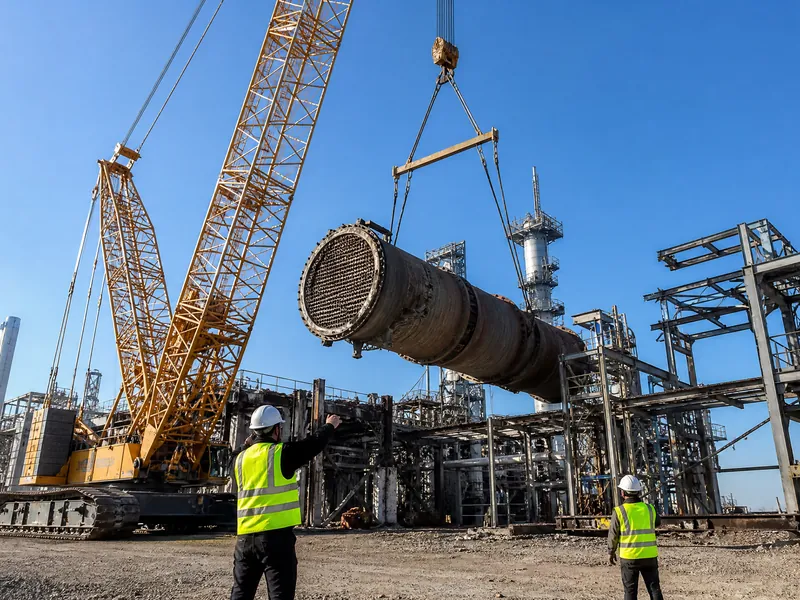
Beyond traditional manufacturing sites, Industrial Demolition USA handles the specialized wrecking of chemical processing facilities and industrial boiler systems in the Spartanburg area. These projects require a heightened level of technical expertise due to the presence of residual chemicals, high-pressure piping, and complex structural supports. Our crews begin with a thorough hazard assessment, identifying all lines that must be purged, capped, and locked out before any cutting or dismantling takes place.
The teardown of industrial boilers and associated ductwork involves precise torch cutting and rigging. We dismantle these massive units piece by piece, often working within tight spatial constraints inside existing plant buildings. For chemical plants, the remediation phase is critical. We decontaminate process equipment and storage vessels, neutralizing any remaining hazards before structural demolition begins. Once the hazardous elements are neutralized, we proceed with the heavy wrecking, clearing the complex infrastructure and leaving a clean footprint.
Permits and notification
Concrete Crushing and Site Clearing
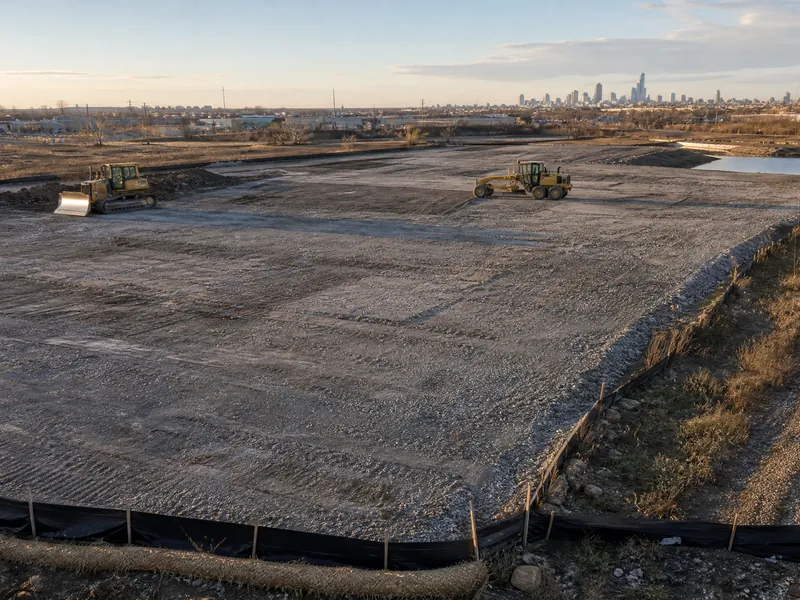
A major component of any industrial demolition project in Spartanburg is the management of concrete foundations, retaining walls, and heavy floor slabs. Once the above-ground structures have been dismantled, our heavy equipment operators focus on breaking up the subterranean infrastructure. We utilize large excavators fitted with hydraulic hammers to fracture thick concrete pads and deep footings, exposing the underlying soil and preparing the site for final grading.
To manage the massive volume of concrete generated during a plant teardown, we frequently deploy mobile crushing plants directly to the project site. This equipment processes the fractured concrete into a uniform aggregate, separating out the embedded rebar for scrap metal recovery. The resulting crushed concrete can be left on-site to fill voids or serve as a base layer for new construction. Following the removal of all structural materials, our crews perform comprehensive site clearing and grading to match the required specifications.
Salvage and recovery
Regional Coverage and Project Logistics
Operating throughout the Upstate region, Industrial Demolition USA provides comprehensive teardown services not only in Spartanburg but also in neighboring industrial hubs like Greenville, Anderson, and Rock Hill. Our regional presence allows us to mobilize heavy equipment and specialized crews efficiently, responding to the needs of facility owners across South Carolina. We understand the logistical challenges of moving oversized machinery and large volumes of scrap through the I-85 corridor, planning our transportation routes to ensure safe project execution.
The success of a major industrial deconstruction project relies heavily on meticulous planning and coordination. Before any heavy wrecking begins, our project managers develop a detailed site-specific safety plan and a phased demolition sequence. We handle all utility disconnects, working with local power and water authorities to ensure that the site is completely isolated. From the initial environmental abatement to the final site grading, our crews execute the work with precision and discipline.
Capabilities
Abatement, remediation and recovery
Common questions
Questions owners and engineers ask
How do you determine the net cost of an industrial demolition project in Spartanburg?
The net cost is calculated by estimating the total expense of labor, equipment, environmental remediation, and waste disposal, and then subtracting the salvage credit generated from recovered scrap metals. We assess the volume of structural steel, copper, and other valuable materials during our initial site walk. This integrated approach ensures that the value of your obsolete assets directly offsets the expense of the teardown, providing a highly efficient financial model for site clearance.
What is the process for handling asbestos and other hazardous materials?
Before any structural dismantling begins, we conduct a comprehensive hazardous materials survey. If asbestos, lead paint, or other regulated substances are identified, our specialized abatement teams perform the necessary remediation. We follow all South Carolina DHEC and federal NESHAP regulations, utilizing proper containment, negative air pressure systems, and specialized disposal methods. Only after the site is certified clean do we proceed with the heavy demolition phase.
Who is responsible for disconnecting utilities before the teardown starts?
Industrial Demolition USA manages the entire utility isolation process. We coordinate with local Spartanburg utility providers to safely disconnect and cap all electrical, water, gas, and sewer lines entering the facility. Our crews verify that all systems are fully de-energized and locked out before any wrecking activities commence, ensuring a safe work environment and preventing any disruption to the surrounding municipal infrastructure.
Can you process concrete foundations on-site to save on hauling costs?
Yes, we frequently utilize mobile crushing equipment to process concrete slabs, foundations, and retaining walls directly on the project site. This machinery crushes the concrete into a reusable aggregate while extracting embedded rebar for scrap. The crushed material can be used as backfill to stabilize the site, significantly reducing the volume of debris that must be trucked away and lowering the overall project expenses.
How long does a typical plant decommissioning project take to complete?
The timeline varies significantly based on the size of the facility, the complexity of the structures, and the extent of environmental remediation required. A smaller industrial building might be cleared in a few weeks, while a massive manufacturing complex could require several months of phased deconstruction. During our initial assessment, we provide a detailed project schedule outlining each phase, from abatement and utility disconnects to final site grading.
Ready to price the teardown?
When your Spartanburg industrial facility requires safe, systematic dismantling, trust the experienced crews at Industrial Demolition USA. We manage every aspect of the teardown, from environmental remediation to heavy structural wrecking and asset recovery. Call 954-740-1983 or email electricalequipmentbuyers@gmail.com to discuss your site clearance requirements and schedule a comprehensive project evaluation.