
Overview
We execute complex teardowns of retired generating units, food and beverage processing plants, and aggregate operations in Honolulu, Hilo, and throughout the state. Our crews handle the complete deconstruction process, including environmental remediation, interior abatement, concrete crushing, and total site clearing. Clients rely on our capacity to safely dismantle aging infrastructure while navigating the unique marine and volcanic conditions that define industrial sites in the Pacific.
The work
Logistical Realities Of Island Decommissioning Projects
Executing heavy industrial teardowns in the Pacific demands a fundamentally different approach to equipment mobilization and material handling. Unlike mainland projects where machinery can be trucked across state lines, bringing high-reach excavators and specialized shears to a site in Honolulu or Hilo requires extensive marine freight coordination. We manage the complex logistics of staging equipment via barge and securing laydown areas in constrained port districts.
The isolation of the islands also dictates how we handle the outflow of demolished materials. Structural steel, heavy machinery, and non-ferrous metals cannot simply be hauled to a local scrap yard. Instead, we prepare these materials for export, shearing steel to specific dimensions so it can be loaded into shipping containers bound for mainland or Asian markets.
By controlling the entire logistical chain, we ensure that project timelines are not derailed by shipping delays. Our project managers coordinate closely with marine transport providers to maintain a steady flow of equipment arriving and processed scrap departing.
Method and sequence
Dismantling Coastal Facilities And Corroded Structures
Many of the state's industrial assets, from cement terminals to power generation facilities, are situated directly on the coast to facilitate marine receiving. Decades of exposure to salt spray and high humidity severely degrade structural steel, creating hazardous conditions during the dismantling process. Our crews are trained to assess the integrity of corroded load-bearing members before initiating any structural cuts.
When taking down compromised coastal structures, we utilize controlled dismantling techniques rather than traditional wrecking methods. We systematically remove exterior cladding and roofing panels, exposing the primary steel framework so our engineers can evaluate its stability. High-reach excavators equipped with hydraulic shears then carefully dismantle the structure piece by piece, eliminating the risk of uncontrolled collapse.
We implement stringent containment measures to prevent debris, rust scale, and hazardous materials from entering the ocean or local watersheds during the teardown. This approach is critical when working near active waterways or sensitive marine environments.
Local coverage
Cities we work in across Hawaii
Hazards and controls
Managing Subsurface Constraints And Volcanic Basalt
Foundation removal and site clearing in this region present unique geological challenges due to the prevalence of hard volcanic basalt. Unlike the deep soil profiles found in many mainland industrial zones, facilities here are often built directly on or cut into solid bedrock. Removing heavy concrete machine pads and deep footings requires specialized breaking equipment capable of fracturing high-strength concrete without damaging the underlying basalt layer.
We deploy heavy excavators equipped with hydraulic hammers to systematically break apart thick concrete foundations. When vibration limits restrict the use of impact breakers near sensitive utility corridors, we utilize chemical splitting agents or diamond wire sawing to sever the concrete. This allows us to extract massive foundation blocks with minimal seismic disturbance.
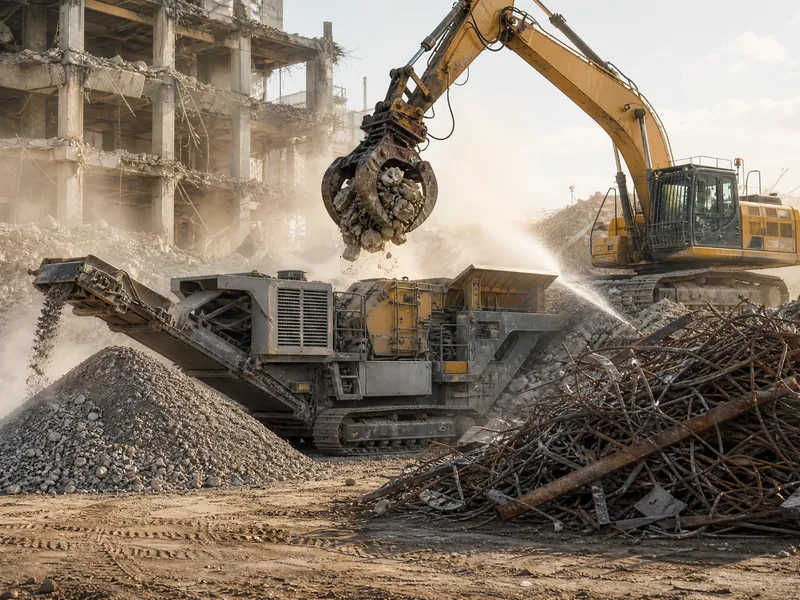
Once the concrete is removed, we process it on-site using mobile crushing plants. The crushed material is repurposed as structural fill, eliminating the high costs associated with hauling heavy concrete debris off-site.
Sequence of work
How a project runs, stage by stage
Site walk and survey
We walk the structure with you, review drawings, and record structural condition, live utilities, hazardous materials and salvageable assets before any number is quoted.
Engineering and permits
An engineered demolition plan sets the sequence, exclusion zones and means of collapse. We file local permits and the federal pre-demolition notification, and collect utility isolation sign-offs.
Abatement and pre-clean
Regulated materials come out first under containment with clearance documentation, so the structural phase is never held up by a surprise inside a wall or a pipe chase.
Dismantling and teardown
High-reach machines, shears, torch crews and hand demolition work the sequence top-down or inside-out, with salvage separated as it comes out rather than picked from a mixed pile afterwards.
Processing and haul-off
Steel is sheared and shipped, concrete is crushed for reuse or hauled, and every regulated stream leaves under manifest to a permitted facility.
Grading and closeout
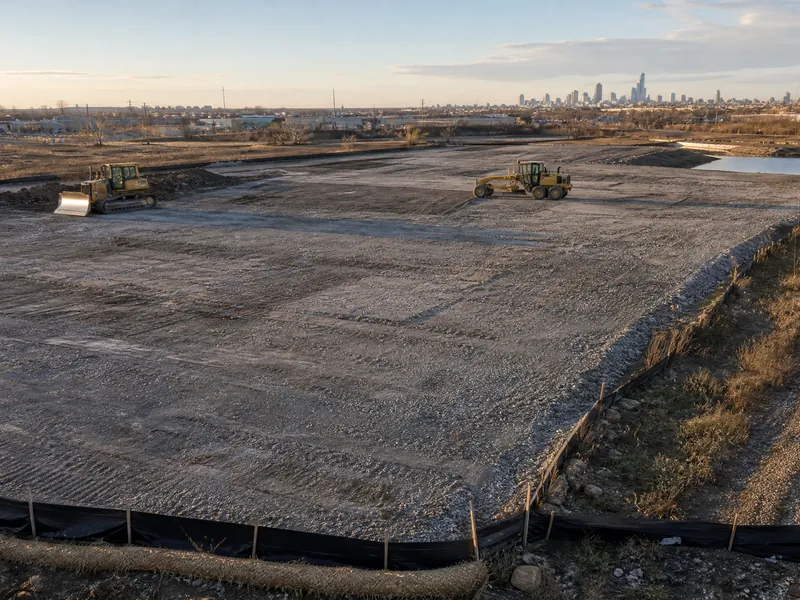
Foundations and slabs come out to the agreed depth, the site is graded and stabilised, and you receive manifests, clearance reports and closeout documentation.
Permits and notification
Retiring Oil-Fired And Geothermal Power Generation
The transition of the local energy grid necessitates the decommissioning of aging oil-fired generating stations and older geothermal infrastructure. Tearing down these facilities involves managing massive boilers, towering exhaust stacks, and extensive networks of heavy-wall piping. We engineer the safe deconstruction of these massive components, utilizing heavy-lift cranes to lower sections of ductwork and stack segments to the ground for processing.
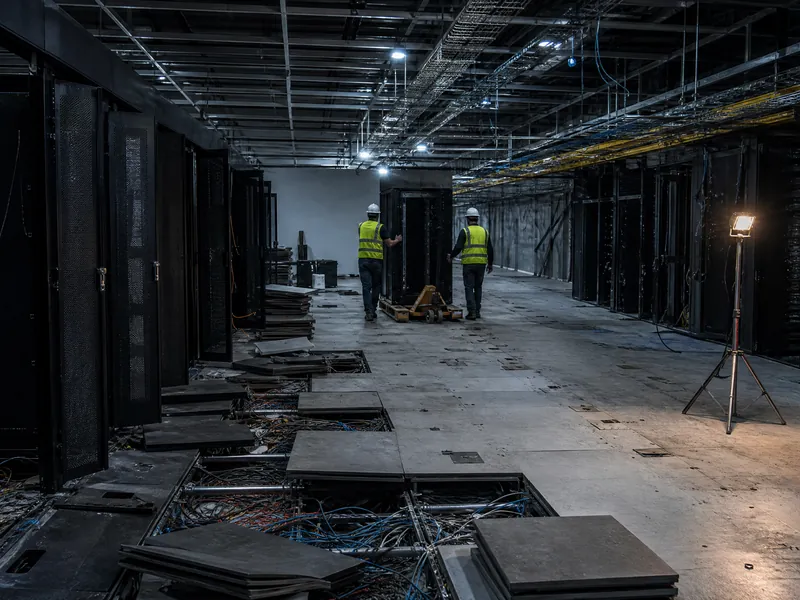
Before any structural demolition begins, our crews perform comprehensive interior abatement. Power plants built decades ago typically contain significant quantities of asbestos insulation and lead-based coatings. We systematically remove these hazardous materials, ensuring the site is clean and safe for the heavy wrecking phase.
The salvage of heavy electrical equipment, such as transformers and copper cabling, is a major component of power plant decommissioning. We carefully extract these high-value assets, draining all dielectric fluids before preparing the metals for export. The salvage value recovered is applied as a credit, offsetting the client's net cost.
Salvage and recovery
Food Processing And Agricultural Plant Teardowns
The historical shift in the local agricultural economy has left numerous legacy food and beverage processing facilities, including old sugar mills and canning plants, slated for retirement. These sprawling complexes often feature a mix of heavy steel framing, masonry walls, and extensive conveying systems. We dismantle these structures, separating the various material streams to maximize recycling and salvage recovery.
Interior demolition within these facilities often requires navigating tight clearances and working around active production areas. We utilize electric and propane-powered skid steers and mini-excavators to safely remove interior walls, mezzanines, and processing equipment without introducing hazardous exhaust fumes into enclosed spaces.
Our crews also handle the removal of large storage silos, liquid tanks, and refrigeration systems associated with food processing. We safely vent and capture any residual ammonia or refrigerants before cutting the vessels down and processing the heavy structural steel for marine export. This meticulous separation process ensures that all materials are properly categorized for efficient shipping.
Logistics
Hawaii Department Of Health And NESHAP Compliance
Navigating the regulatory landscape is a critical component of any heavy industrial teardown. We coordinate directly with the Hawaii DOH to ensure all environmental regulations are strictly followed throughout the project lifecycle. This includes securing the necessary approvals for hazardous material abatement, dust control, and stormwater management before any heavy equipment is mobilized.
Federal regulations mandate a strict 10-working-day NESHAP notification prior to the commencement of any structural demolition or asbestos abatement activities. We handle this filing process on behalf of the facility owner, ensuring that all documentation accurately reflects the scope of work and the methods of hazardous material disposal. Failing to adhere to this notification period can cause severe project delays.
We also secure all required local demolition permits and utility disconnect sign-offs from county authorities in Honolulu, Hilo, and other municipalities. Our comprehensive approach ensures that the project proceeds without interruption and that the final site closure documentation is complete.
Common questions
Questions owners and engineers ask
What methods are used to control dust during a teardown?
Suppressing airborne particulates is achieved through the continuous application of water directly at the point of demolition. We utilize high-volume water cannons and excavator-mounted misting systems to knock down dust generated by concrete breaking and steel shearing. We also employ specialized surfactants that increase the binding capacity of the water, reducing the total volume needed to maintain effective dust control.
How is structural steel processed for export from the islands?
Preparing ferrous metals for marine transport requires precise sizing to maximize shipping container density. Our operators use hydraulic mobile shears to cut heavy I-beams, columns, and plate steel into manageable lengths directly on the demolition pad. This processed scrap is then loaded into bulk containers, ensuring that the material meets the dimensional requirements of the receiving mills in mainland markets.
Can you dismantle facilities that are still partially operational?
Executing selective demolition within an active industrial footprint requires rigorous isolation protocols. We construct physical barriers and implement negative air pressure systems to separate the demolition zone from ongoing manufacturing processes. Our crews coordinate closely with plant management to schedule heavy lifting or high-vibration activities during planned maintenance windows, ensuring that our deconstruction work does not interfere with the facility's daily production targets.
Where do you dispose of hazardous materials like asbestos?
Regulated hazardous materials are packaged, manifested, and transported to permitted disposal facilities in strict accordance with environmental regulations. Because local landfill options for certain hazardous wastes may be limited, we coordinate the secure marine transport of these materials to specialized mainland disposal sites. Every shipment is tracked through a comprehensive chain of custody, providing complete documentation of the final disposal location.
How does the salvage of electrical equipment affect project pricing?
Recovering high-value assets such as copper wiring, large transformers, and switchgear generates significant salvage value. We appraise these materials during the initial site assessment and factor their worth into our project proposal. This value is applied directly as a salvage credit, which offsets the overall expense of the demolition work, resulting in a lower net cost for the facility owner.
Ready to price the teardown?
Executing heavy industrial teardowns in this isolated marine environment requires specialized equipment, rigorous logistical planning, and deep regulatory expertise. We deliver safe, efficient dismantling and site clearing for complex facilities across the islands. Call 954-740-1983 or email electricalequipmentbuyers@gmail.com to discuss your upcoming decommissioning project.