
Overview
Our crews manage every phase of the decommissioning process, from environmental abatement and utility isolation to structural deconstruction and site clearing. We work directly with plant owners and developers to safely remove obsolete infrastructure and prepare sites for redevelopment.
The work
Tearing Down Youngstown's Heavy Industrial Legacy
The industrial landscape of Youngstown and the surrounding Mahoning Valley is defined by its history of heavy manufacturing, particularly steel production and metalworking. Demolishing these legacy structures requires specialized heavy equipment and engineered approaches. We dismantle massive steel-framed buildings, concrete silos, blast furnace remnants, and heavy stamping facilities. The structural integrity of these aging facilities often presents unique challenges, requiring careful sequencing to prevent uncontrolled collapse during the wrecking process.
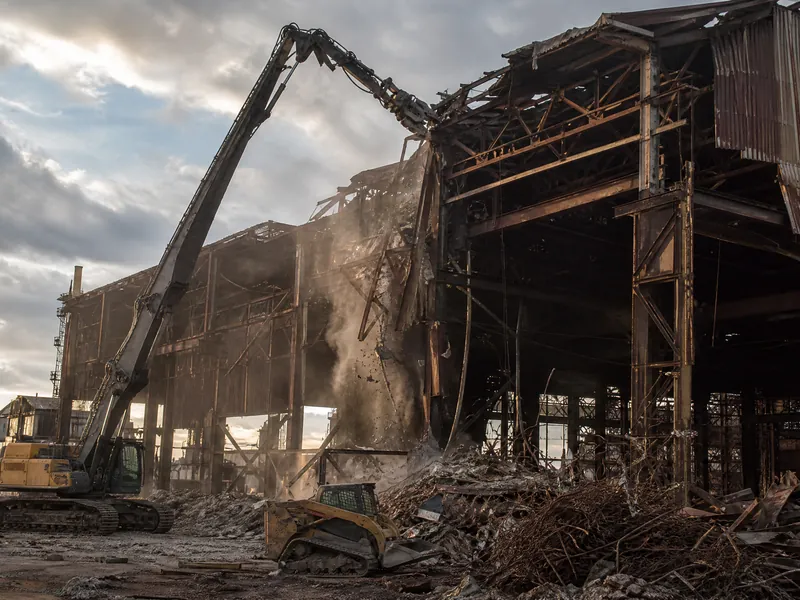
Our deconstruction methods are tailored to the specific hazards of Rust Belt industrial sites. We utilize high-reach excavators equipped with hydraulic shears to systematically dismantle tall structures, while ground crews manage the processing of materials. For heavily reinforced concrete foundations and machine pits, we deploy heavy hydraulic hammers and concrete crushers. The goal is to safely reduce the structure to grade while maximizing the recovery of recyclable materials, which provides a salvage credit against the net cost of the project.
Method and sequence
Environmental Remediation and Abatement
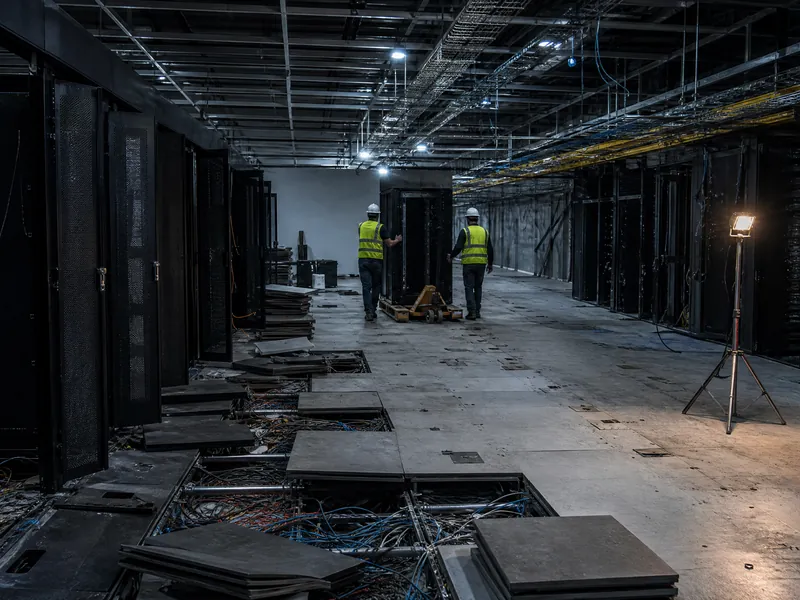
Before structural demolition can begin, comprehensive environmental remediation is mandatory. Many older industrial facilities in Ohio contain significant quantities of hazardous materials, including asbestos-containing materials (ACM), lead-based paints, and heavy metal contamination. We handle the complete abatement process, ensuring all hazardous substances are removed, manifested, and disposed of in strict compliance with Ohio EPA regulations and federal NESHAP standards.
Our abatement teams establish negative pressure enclosures and utilize specialized decontamination procedures to safely remove asbestos from pipe insulation, boiler lagging, and structural components. We also manage the removal of universal wastes, such as mercury switches and PCB-containing transformers, which are common in legacy electrical systems. Proper remediation is critical to mitigating liability for the property owner and ensuring a safe environment for the subsequent teardown operations.
Regional coverage
Other Ohio cities we cover
Hazards and controls
Utility Deactivation and Site Preparation
A critical early phase of any industrial decommissioning project is the systematic isolation and de-energization of all site utilities. Industrial plants typically feature complex networks of high-voltage electrical feeds, high-pressure steam lines, industrial gases, and process piping. We coordinate with local utility providers and plant engineering staff to verify that all energy sources are locked out, tagged out, and physically air-gapped before any dismantling work commences.
This process often involves tracing undocumented legacy systems and safely purging residual chemicals or gases from process lines. We also manage the capping of water and sewer connections at the property line. Thorough utility deactivation is essential to protect our crews during the wrecking phase and to prevent environmental releases. Once the site is secured and utilities are isolated, we establish heavy equipment access routes and material staging areas.
Permits and notification
Asset Recovery and Scrap Metal Processing
Industrial demolition projects in Youngstown often yield substantial quantities of ferrous and non-ferrous metals. Our asset recovery program is designed to maximize the value of these materials, which directly offsets the overall cost of the teardown. We systematically process structural steel, copper wiring, aluminum components, and heavy machinery right on the site.
- Structural steel beams and columns
- Copper electrical cables and busbars
- Stainless steel tanks and process piping
- Heavy industrial machinery and motors
- Transformers and electrical switchgear
Using mobile hydraulic shears and torch cutting crews, we size the scrap metal to meet the specifications of regional foundries and scrap processors. The processed materials are then loaded onto trucks or railcars for transport. We provide transparent documentation of all recovered materials, and the resulting salvage credit is applied to the client's final project accounting.
Salvage and recovery
Regional Logistics and Site Closeout
Executing demolition projects in the Youngstown area requires careful logistical planning. We leverage the region's highway network and rail infrastructure to efficiently mobilize heavy equipment and transport processed materials off-site. We also coordinate closely with local authorities to manage traffic control and minimize disruptions to neighboring properties during the deconstruction process. Our coverage extends beyond Youngstown to include sibling cities like Cleveland, Akron, and Canton.
Upon completion of the structural teardown, we focus on site restoration. This typically involves crushing clean concrete rubble on-site to create a reusable aggregate base, which is then used to backfill basements and machine pits. We grade the site to ensure proper drainage and provide the client with a comprehensive closeout package. This documentation includes all environmental manifests, permits, and a final project report, verifying that the site is cleared and ready for its next use.
Capabilities
Abatement, remediation and recovery
Common questions
Questions owners and engineers ask
How do you handle asbestos and other hazardous materials?
We manage the complete abatement process prior to structural demolition. Our certified teams remove asbestos, lead, and universal wastes in strict compliance with Ohio EPA and federal NESHAP regulations. All hazardous materials are properly manifested and transported to licensed disposal facilities, protecting the property owner from future liability.
How is the salvage credit calculated for scrap metal?
During the teardown, we recover and process ferrous and non-ferrous metals, including structural steel and copper. The value of these materials is based on current regional commodity markets. This value is applied as a salvage credit, which directly reduces the net cost of the demolition project.
Who is responsible for obtaining the necessary demolition permits?
Industrial Demolition USA handles all required permitting and notifications. We submit the necessary paperwork to the Ohio EPA, including the NESHAP 10-day notification for asbestos, and secure all local municipal demolition permits required by the city of Youngstown before work begins.
What happens to the concrete foundations and slabs?
Depending on the client's requirements, we can remove concrete foundations, footings, and slabs. We often utilize mobile crushers to process the clean concrete on-site into a reusable aggregate. This crushed material can be used to backfill voids or grade the site, reducing the need for imported fill.
How do you ensure safety during the deconstruction of tall structures?
Safety is our primary focus. We utilize engineered demolition plans and specialized equipment, such as high-reach excavators, to systematically dismantle tall structures from the top down. We also establish strict drop zones and utilize dust suppression techniques to control hazards and protect our crews and the surrounding area.
Ready to price the teardown?
Industrial Demolition USA provides comprehensive dismantling and site clearing services for heavy industrial facilities in Youngstown. We commit to executing your project safely and efficiently. Contact us at 954-740-1983 or email electricalequipmentbuyers@gmail.com to discuss your decommissioning requirements.