
Overview
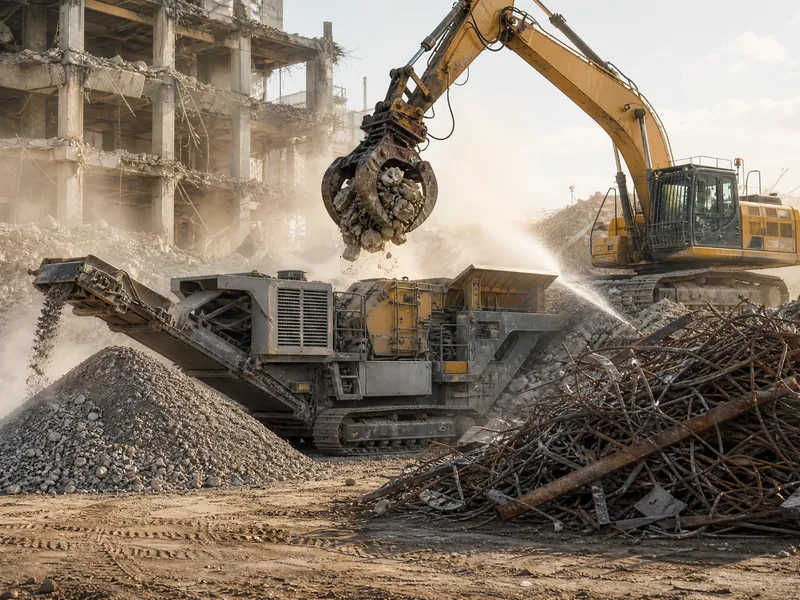
Our crews handle the complete deconstruction lifecycle, including environmental abatement, structural wrecking, concrete crushing, and scrap metal recovery. We manage the logistical challenges of operating in dense urban corridors like Seattle and Tacoma, as well as remote aggregate and timber processing sites in the Cascade foothills. Every project is engineered to safely bring down heavy structures while maximizing the value of recovered materials to offset the net cost of the work.
The work
Decommissioning Puget Sound Marine and Port Infrastructure
Washington's extensive maritime economy relies on aging port facilities, shipyards, and marine terminals that eventually require replacement or complete removal. Demolishing structures along the Puget Sound demands strict containment protocols to prevent debris, dust, and hazardous materials from entering the water. We dismantle bulk loading conveyors, transit sheds, and heavy lift cranes while operating within the constraints of active port environments and tidal fluctuations.
Working near the water table also complicates foundation removal and subsurface clearing. We extract deep pilings, break up reinforced concrete bulkheads, and crush marine-grade concrete for onsite reuse or offsite recycling. Our project managers coordinate closely with local authorities to ensure all waterfront demolition activities comply with stringent environmental protections, keeping adjacent waterways clear and operational throughout the teardown process.
Method and sequence
Dismantling Aerospace and Advanced Manufacturing Plants
The Pacific Northwest has a long history of aerospace and advanced manufacturing, leaving behind massive assembly buildings, testing facilities, and specialized production lines when operations shift or consolidate. Tearing down these wide-span structures requires engineered rigging and controlled dismantling techniques to safely lower heavy roof trusses and clear expansive factory floors. We perform selective interior demolition to remove obsolete tooling, overhead cranes, and heavy machinery without compromising the structural integrity of the remaining building shell.
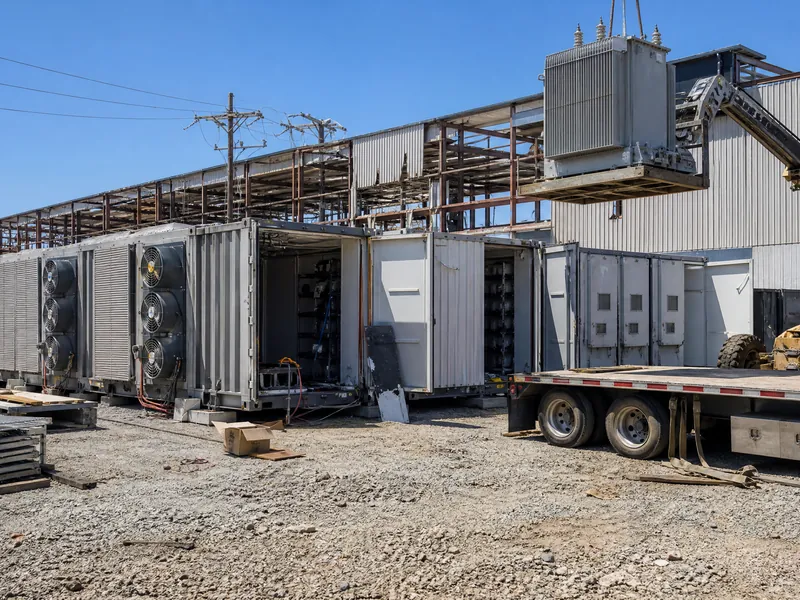
Many of these legacy manufacturing sites contain complex mechanical, electrical, and plumbing systems that must be systematically isolated and removed. We trace and cap utility lines, drain and flush industrial piping, and remove heavy transformers and switchgear. The high volume of structural steel, copper wiring, and specialized alloys recovered from these facilities is routed to regional scrap processors, generating a salvage credit that directly reduces the client's overall demolition expense.
Local coverage
Cities we work in across Washington
Hazards and controls
Retiring Timber, Pulp, and Paper Processing Facilities
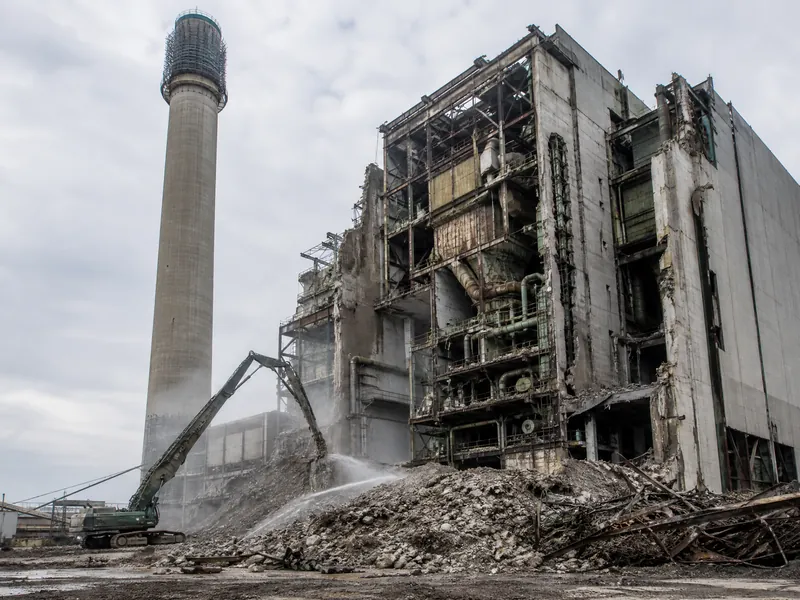
Washington's timber industry has evolved, leading to the closure of older sawmills, pulp mills, and paper processing plants. These facilities often feature towering silos, massive boilers, complex conveyor networks, and sprawling warehouse structures. We utilize heavy excavators equipped with specialized shears and grapples to systematically bring down these structures, separating clean wood waste from recyclable metals and concrete rubble.
Pulp and paper mills present unique environmental challenges, including the presence of residual chemicals, asbestos insulation on high-temperature piping, and contaminated soil around storage tanks. We manage the abatement and environmental remediation phases prior to structural wrecking, ensuring all hazardous materials are safely contained and disposed of at permitted facilities. The sheer scale of these rural industrial sites requires robust logistics to haul away debris and transport recovered scrap to processing centers in the Seattle-Tacoma metropolitan area.
Sequence of work
How a project runs, stage by stage
Site walk and survey
We walk the structure with you, review drawings, and record structural condition, live utilities, hazardous materials and salvageable assets before any number is quoted.
Engineering and permits
An engineered demolition plan sets the sequence, exclusion zones and means of collapse. We file local permits and the federal pre-demolition notification, and collect utility isolation sign-offs.
Abatement and pre-clean
Regulated materials come out first under containment with clearance documentation, so the structural phase is never held up by a surprise inside a wall or a pipe chase.
Dismantling and teardown
High-reach machines, shears, torch crews and hand demolition work the sequence top-down or inside-out, with salvage separated as it comes out rather than picked from a mixed pile afterwards.
Processing and haul-off
Steel is sheared and shipped, concrete is crushed for reuse or hauled, and every regulated stream leaves under manifest to a permitted facility.
Grading and closeout
Foundations and slabs come out to the agreed depth, the site is graded and stabilised, and you receive manifests, clearance reports and closeout documentation.
Permits and notification
Managing Seismic Risks During Structural Wrecking
Operating in the Pacific Northwest means accounting for significant seismic activity. Many older industrial structures in Washington were built before modern earthquake codes and may possess hidden structural vulnerabilities. Before any heavy equipment begins tearing down a building, our engineers conduct thorough structural assessments to identify load-bearing elements and potential failure points. We design demolition sequences that maintain stability throughout the process, preventing uncontrolled collapses that could endanger crews or adjacent properties.
In densely populated areas like Seattle and Tacoma, mitigating vibration and ground movement during demolition is critical. We employ controlled dismantling techniques and specialized equipment to minimize the impact on neighboring structures and underground utilities. When breaking up thick concrete slabs and heavy foundations, we monitor vibration levels to ensure compliance with local ordinances and protect the surrounding urban infrastructure.
Salvage and recovery
Navigating Washington Ecology and NESHAP Notifications
Executing industrial demolition in Washington requires strict adherence to state and federal environmental regulations. The Washington State Department of Ecology oversees hazardous waste management, water quality, and air emissions, demanding rigorous compliance on every job site. We handle the necessary permitting and coordinate with local clean air agencies to implement comprehensive dust control and runoff prevention measures, particularly when working near sensitive waterways or residential zones.
A critical regulatory requirement is the federal NESHAP 10-working-day notification for asbestos abatement and demolition. We manage this filing process, ensuring all inspections and paperwork are completed before any structural wrecking begins. Our team also secures local city or county demolition permits and utility disconnect sign-offs, keeping the project on schedule and fully compliant with all jurisdictional mandates.
Logistics
Maximizing Scrap Value in the Pacific Northwest Market
The financial viability of a heavy industrial demolition project often hinges on the efficient recovery and monetization of scrap materials. Washington's robust industrial base supports a network of high-capacity scrap processors and recycling facilities, primarily concentrated around the major ports and rail hubs. We systematically sort structural steel, heavy machinery, copper wire, and industrial alloys on site, preparing them for transport to the most competitive local buyers.
By leveraging our relationships with regional scrap yards and utilizing efficient logistics, we maximize the return on recovered assets. This salvage value is applied as a credit against the total cost of the demolition, providing our clients with a more cost-effective solution for clearing their obsolete facilities. We handle all the heavy lifting, loading, and hauling, ensuring a streamlined process from the initial teardown to the final site clearing.
Common questions
Questions owners and engineers ask
What is the process for tearing down a marine terminal in Washington?
Dismantling waterfront infrastructure begins with establishing strict environmental controls to protect the Puget Sound or local rivers. We then systematically remove cranes, conveyors, and transit sheds using specialized rigging and heavy equipment. Finally, we extract deep pilings and break up concrete bulkheads, ensuring all debris is contained and transported to regional recycling facilities.
How do you handle asbestos in older Washington manufacturing plants?
Before any structural wrecking occurs, we conduct comprehensive hazardous material surveys. If asbestos is present, we file the required NESHAP 10-working-day notification and perform full abatement. Our crews safely remove and dispose of all contaminated materials at permitted facilities in compliance with Washington Ecology regulations.
Can you offset the cost of demolishing a pulp mill?
Yes, the heavy steel structures, boilers, and copper wiring found in legacy timber and paper facilities hold significant scrap value. We recover, sort, and transport these materials to local processors. The resulting salvage value is applied as a credit, which directly reduces the net cost of the demolition project.
Are your crews equipped to work in dense urban areas like Seattle?
Operating in tight urban corridors requires precise planning and specialized equipment. We utilize controlled dismantling techniques to safely bring down structures without impacting adjacent buildings. Our project managers also implement rigorous dust and vibration control measures to comply with strict city ordinances and minimize disruption to the surrounding community.
Who manages the utility disconnects before a teardown begins?
Our team coordinates directly with local utility providers to ensure all electrical, gas, water, and sewer lines are safely isolated and capped. We secure the necessary sign-offs and verify that the site is completely disconnected from the grid before our heavy equipment mobilizes to begin the demolition work.
Ready to price the teardown?
Industrial Demolition USA provides turnkey dismantling and site clearing services for complex industrial facilities across Washington. Contact us to discuss your plant retirement or asset recovery project. Call 954-740-1983 or email electricalequipmentbuyers@gmail.com to speak with our estimating team.