
Overview
Our comprehensive wrecking services encompass environmental abatement, structural dismantling, and strategic asset recovery. We manage every phase of the demolition sequence, ensuring safe, compliant operations that prepare Durham's industrial sites for new development while maximizing salvage credit for our clients.
The work
Durham Facility Decommissioning and Teardowns
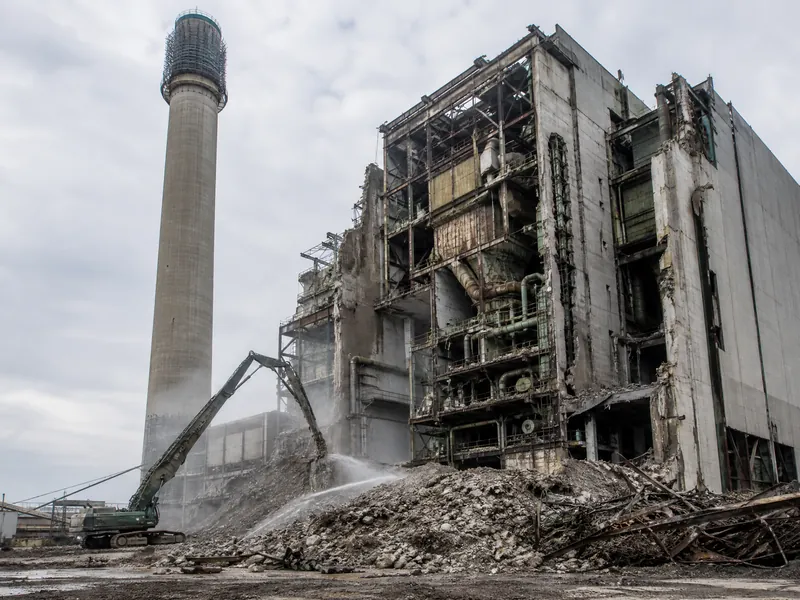
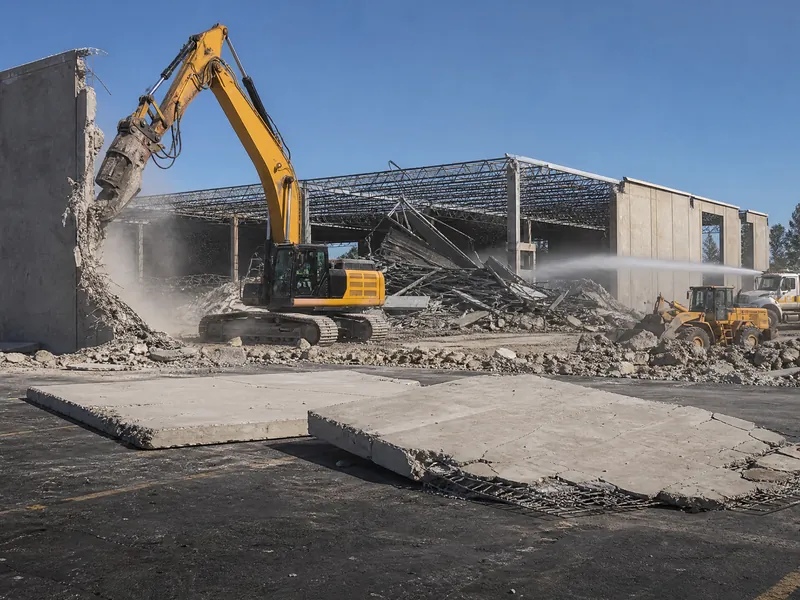
The industrial heritage of Durham, characterized by historic tobacco processing facilities and modern pharmaceutical plants, requires precise demolition methodologies. We engineer controlled deconstruction plans tailored to the specific structural challenges of these diverse facilities. Our heavy equipment operators utilize specialized attachments, including hydraulic shears and concrete pulverizers, to systematically dismantle multi-story brick structures, steel-framed manufacturing buildings, and complex process infrastructure.
Prior to structural wrecking, we execute rigorous environmental remediation protocols. Older industrial sites in Durham frequently require extensive abatement of asbestos-containing materials and lead-based coatings. Our certified crews establish negative pressure containment zones and safely remove these hazardous substances in strict accordance with North Carolina DEQ regulations. This critical preparatory phase ensures that the subsequent dismantling operations proceed safely and without environmental risk.
Method and sequence
Strategic Asset Recovery and Material Salvage
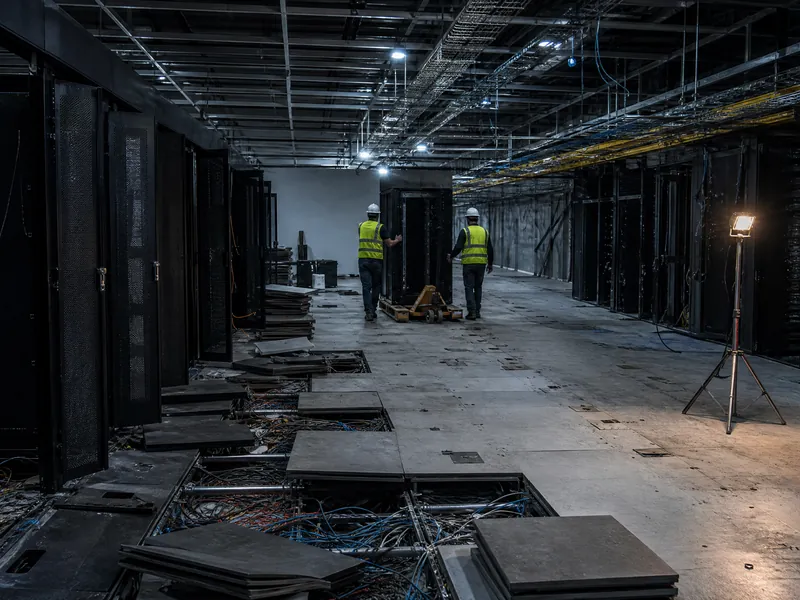
Maximizing the financial return from retired industrial facilities is a core component of our demolition strategy in Durham. We implement comprehensive asset recovery programs to identify, extract, and monetize valuable process equipment, electrical switchgear, and scrap metals. By carefully dismantling these components prior to general wrecking, we generate significant salvage credit that directly reduces the client's overall project costs.
Our on-site material processing capabilities further enhance the efficiency of our operations. We segregate ferrous and non-ferrous metals for recycling and utilize mobile crushing equipment to process concrete foundations and masonry into reusable aggregate. This systematic approach to material recovery minimizes landfill disposal volumes and supports sustainable decommissioning practices across the Research Triangle region.
Regional coverage
Other North Carolina cities we cover
Hazards and controls
Utility De-energization and Site Control
Safe industrial demolition begins with comprehensive utility isolation. In Durham, our teams meticulously identify, trace, and disconnect all electrical, gas, water, and specialized process lines entering the facility. We implement robust lock-out/tag-out procedures to commitment a zero-energy state before any dismantling activities commence. This rigorous approach to utility de-energization is essential for protecting our crews and preventing accidental releases during the teardown process.
Following utility isolation, we establish secure site perimeters and implement stringent environmental controls. We deploy advanced dust suppression systems to mitigate airborne particulates and install stormwater management measures to protect local waterways from runoff. These site control protocols are designed to minimize the impact of our wrecking operations on neighboring properties and ensure compliance with local environmental standards.
Permits and notification
Permitting and Regulatory Compliance
Navigating the complex regulatory landscape is a critical aspect of industrial decommissioning in North Carolina. We manage the entire permitting and notification process for our Durham demolition projects. This includes submitting mandatory NESHAP notifications for asbestos abatement to the North Carolina DEQ and securing all necessary local demolition permits and environmental clearances prior to mobilization.
Throughout the deconstruction sequence, we maintain meticulous records of all waste streams, abatement activities, and material disposal. Upon project completion, clients receive a comprehensive closeout package containing waste manifests, air monitoring data, and final grading certifications. This thorough documentation ensures full regulatory compliance and protects our clients from future environmental liability.
Salvage and recovery
Regional Demolition Capabilities
Industrial Demolition USA provides extensive wrecking and dismantling coverage beyond Durham, serving the broader industrial needs of the region. We regularly execute complex facility retirements in neighboring cities, including Raleigh, Charlotte, and Winston-Salem. Our regional logistics network and specialized equipment fleet allow us to efficiently mobilize for large-scale demolition projects across North Carolina.
Our deep understanding of the specific industrial facility types prevalent in this area, from biotech research centers to heavy manufacturing plants, enables us to develop highly effective deconstruction strategies. We leverage our knowledge of regional scrap metal markets and salvage outlets to maximize the value of recovered materials, delivering cost-effective demolition solutions for our clients.
Capabilities
Abatement, remediation and recovery
Common questions
Questions owners and engineers ask
What factors influence the cost of an industrial teardown in Durham?
The net cost of a demolition project is determined by the facility's size, structural complexity, and the extent of required environmental remediation. Site access constraints and local disposal fees also play a role. Crucially, the salvage credit generated from recovered metals and equipment is applied against these expenses, significantly reducing the final cost to the client.
How long does a typical plant decommissioning project take?
Project durations vary based on the scope of work and the amount of hazardous material abatement required. A comprehensive industrial teardown can take several months from initial site preparation to final grading. We provide a detailed project schedule upfront, outlining the specific timelines for utility isolation, remediation, structural dismantling, and site restoration.
Who is responsible for securing the necessary demolition permits?
Industrial Demolition USA handles all permitting and regulatory notifications. We submit the required NESHAP filings to the North Carolina DEQ for asbestos abatement and coordinate with Durham authorities to obtain local demolition permits. We ensure all regulatory requirements are met before any wrecking activities begin.
How do you manage hazardous materials during the demolition process?
Environmental abatement is always the first phase of our deconstruction sequence. Our certified crews safely remove asbestos, lead, and other regulated materials under strict containment protocols. Only after the abatement is complete and verified by independent testing do we proceed with the structural dismantling of the facility.
What documentation do we receive at the end of the project?
We provide a complete closeout package that includes all waste disposal manifests, recycling records, environmental clearance certificates, and final site grading documentation. These records serve as proof of regulatory compliance and confirm that the site has been properly decommissioned and prepared for its next use.
Ready to price the teardown?
Industrial Demolition USA provides expert heavy industrial dismantling and facility decommissioning services in Durham and across the Research Triangle. Contact our team at 954-740-1983 or email electricalequipmentbuyers@gmail.com to discuss your demolition project requirements.