
Overview
We handle the complete lifecycle of industrial deconstruction, from initial environmental abatement to final site grading. Our crews manage the unique logistical challenges of working along the Monongahela and Allegheny rivers, navigating tight urban access constraints and steep hillside terrain. We deliver turnkey remediation and demolition services that prepare former industrial sites for modern redevelopment. Our approach integrates rigorous safety protocols with efficient material processing, ensuring that every phase of the dismantling process is executed with precision. We coordinate closely with local authorities and the Pennsylvania DEP to maintain strict regulatory compliance from project inception to final closeout.
The work
Dismantling Legacy Steel and Coke Facilities
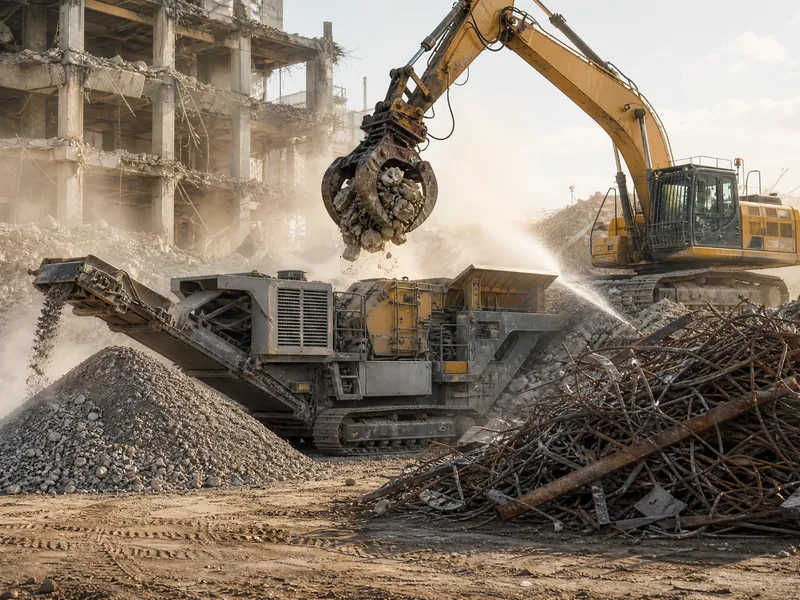
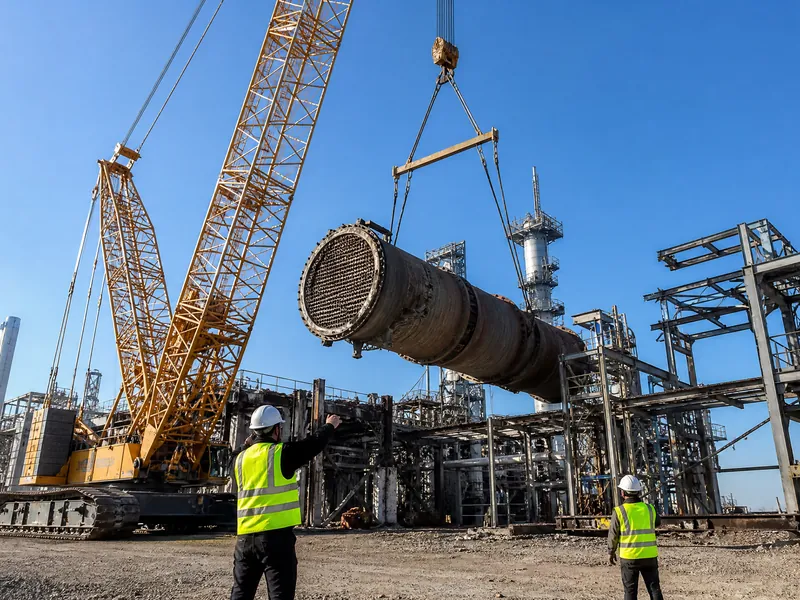
The industrial landscape of Pittsburgh is defined by massive steel mills, coke processing plants, and heavy manufacturing facilities that require specialized deconstruction techniques. Industrial Demolition USA deploys advanced heavy machinery, including high-reach excavators equipped with hydraulic shears and grapples, to systematically dismantle these robust structures. Our operators are highly experienced in taking down heavy steel frames, towering smokestacks, and expansive industrial complexes safely and efficiently.
We utilize engineered dismantling sequences to ensure controlled structural collapse, mitigating risks associated with unpredictable structural behavior in aging facilities. For extremely heavy I-beams and specialized industrial components, our crews employ precise torch cutting methods to segment the materials for safe removal. This methodical approach to wrecking allows us to manage the immense scale of Pittsburgh's legacy industrial sites while maintaining strict adherence to project timelines and safety standards.
Method and sequence
Environmental Remediation and Asbestos Abatement
Before any structural demolition can commence, comprehensive environmental remediation is critical, particularly in older industrial facilities where hazardous materials are prevalent. Our teams conduct thorough site assessments to identify asbestos-containing materials, lead-based paints, and other legacy contaminants common in historical manufacturing plants. We execute rigorous abatement protocols, establishing secure containment zones and utilizing specialized negative air pressure systems to prevent the release of hazardous particulates.
Compliance with state and federal regulations is a cornerstone of our operations. We manage all necessary notifications to the Pennsylvania DEP and adhere strictly to NESHAP guidelines for asbestos removal. By integrating abatement seamlessly into the overall decommissioning schedule, we prevent costly delays and ensure that the site is fully cleared of environmental hazards before the heavy wrecking equipment is mobilized.
Regional coverage
Other Pennsylvania cities we cover
Hazards and controls
Asset Recovery and Scrap Metal Salvage
Maximizing the value of recoverable materials is a key component of our industrial demolition strategy in Pittsburgh. The heavy steel structures and extensive electrical systems found in legacy plants present significant opportunities for asset recovery. Our crews meticulously separate ferrous and non-ferrous metals, including structural steel, copper wiring, and industrial alloys, processing them on-site for efficient transport to recycling facilities.
The value generated from this scrap metal salvage is applied as a salvage credit, which directly offsets the net cost of the demolition project for our clients. We leverage our deep understanding of regional scrap markets to ensure optimal returns on recovered materials. This integrated approach not only reduces the financial burden of facility decommissioning but also promotes sustainable practices by diverting massive quantities of industrial debris away from local landfills.
Permits and notification
Managing Riverfront and Hillside Logistics
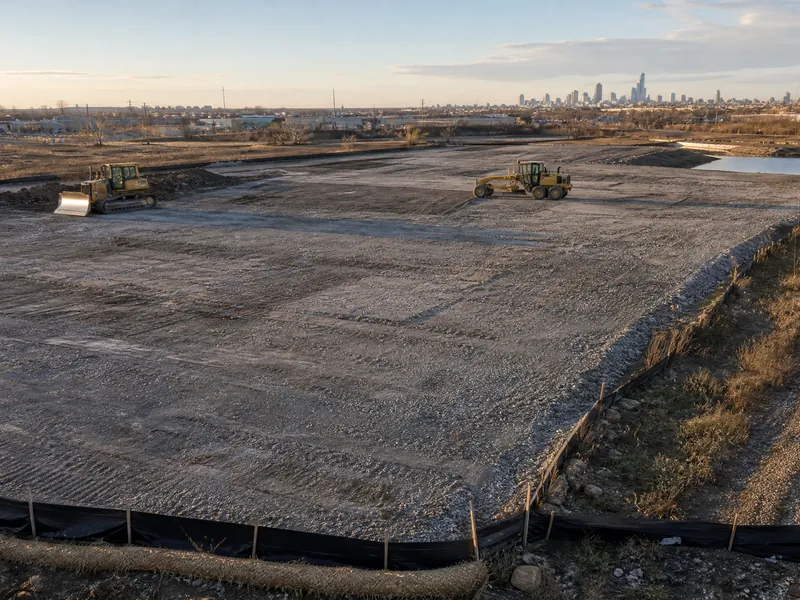
Pittsburgh's unique topography, characterized by steep hillsides and prominent riverfronts along the Monongahela and Allegheny, introduces complex logistical challenges to industrial deconstruction. Industrial Demolition USA is adept at navigating these constraints, engineering access routes for heavy machinery and coordinating the efficient removal of debris from difficult-to-reach locations. We implement robust erosion control measures to protect adjacent waterways and stabilize slopes during the teardown process.
When working on riverfront properties, we can utilize barge access for the transportation of heavy equipment and the removal of processed scrap metal, alleviating congestion on local roadways. Our project managers carefully plan every logistical detail, from securing necessary permits for specialized transport to managing traffic flow around dense urban sites. This meticulous planning ensures that even the most logistically challenging wrecking projects proceed smoothly and safely.
Salvage and recovery
Utility De-energization and Site Preparation
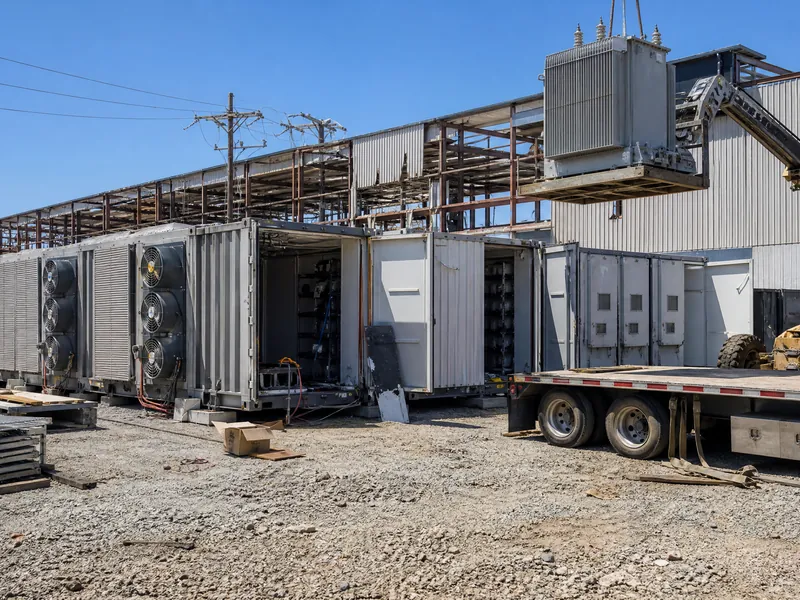
Proper site preparation is the foundation of a safe and successful industrial demolition project. Prior to any dismantling activities, our teams coordinate the comprehensive isolation and de-energization of all facility utilities. This includes capping high-pressure gas lines, securing water mains, and safely disconnecting high-voltage electrical systems. We work closely with local utility providers and facility engineers to verify that all energy sources have been neutralized.
Once utilities are secured, we establish strict exclusion zones and implement comprehensive dust and vibration control measures to protect surrounding properties and active operations. For sites where partial operations continue, we utilize selective interior demolition techniques to carefully separate the structures slated for removal from those remaining in use. This careful preparation minimizes disruptions and establishes a secure environment for the heavy wrecking phases that follow.
Logistics
Concrete Processing and Final Site Grading
Following the removal of the primary superstructure, our focus shifts to the demolition of heavy concrete foundations, retaining walls, and industrial slabs. We utilize massive hydraulic hammers and concrete pulverizers to break down these dense materials efficiently. Instead of hauling the debris to landfills, we often deploy mobile crushing plants to process the concrete on-site, converting it into reusable aggregate.
This recycled material is utilized to backfill voids left by basement structures and equipment pits, reducing the need for imported fill. Our operators grade the site to the client's specifications, ensuring proper drainage and soil stability. The final result is a clean, level footprint prepared for immediate redevelopment, completing the comprehensive teardown process.
Capabilities
Abatement, remediation and recovery
Common questions
Questions owners and engineers ask
How do you handle environmental permits for Pittsburgh demolition projects?
Industrial Demolition USA manages the entire environmental permitting process, ensuring full compliance with the Pennsylvania DEP and local Allegheny County Health Department regulations. We handle all required NESHAP notifications for asbestos abatement and secure the necessary approvals for hazardous material remediation. Our team coordinates directly with regulatory agencies to submit detailed work plans and environmental assessments, preventing administrative delays and ensuring that all deconstruction activities meet stringent state and federal environmental standards.
What factors impact the timeline of a heavy industrial teardown?
The duration of an industrial decommissioning project is influenced by several variables, including the physical scale of the facility, the complexity of the structural engineering, and the extent of required environmental abatement. Additionally, logistical constraints such as tight urban access, proximity to active rail lines, and severe winter weather conditions can affect the pace of work. We develop detailed, phased schedules that account for these factors, ensuring that the wrecking process proceeds efficiently while maintaining the highest safety standards.
How is salvage credit applied to the cost of deconstruction?
During the dismantling process, we systematically recover valuable materials such as structural steel, copper wire, and heavy industrial machinery components. The market value of these recovered assets is calculated and applied as a salvage credit against the total cost of the demolition services. This financial offset can significantly reduce the client's net expenditure. We provide transparent accounting of all recovered materials, ensuring that the asset recovery phase delivers maximum financial benefit to the facility owner.
Can you dismantle a structure while adjacent facilities remain operational?
Yes, we frequently perform selective demolition and structural separation in active industrial complexes. Our crews utilize precision dismantling techniques, such as careful torch cutting and controlled concrete removal, to isolate the target structure without impacting neighboring operations. We implement rigorous vibration monitoring, dust suppression systems, and secure exclusion zones to protect active personnel and sensitive equipment. This allows clients to maintain their production schedules while we safely execute the necessary teardown and site clearing work.
Who is responsible for disconnecting utilities before wrecking begins?
The safe isolation of utilities is a collaborative effort coordinated by our project management team. We work in conjunction with the facility owner, local utility companies, and specialized contractors to ensure that all electrical, gas, water, and chemical lines are properly de-energized, purged, and capped. Industrial Demolition USA verifies that all lock-out/tag-out procedures have been successfully completed and documented before any heavy demolition equipment is mobilized, ensuring a completely safe environment for the deconstruction crews.
Ready to price the teardown?
Industrial Demolition USA is ready to evaluate your Pittsburgh facility and develop a comprehensive decommissioning plan tailored to your specific site conditions. Contact our estimating team at 954-740-1983 or email electricalequipmentbuyers@gmail.com to discuss your project requirements and schedule a site walk.