
Overview
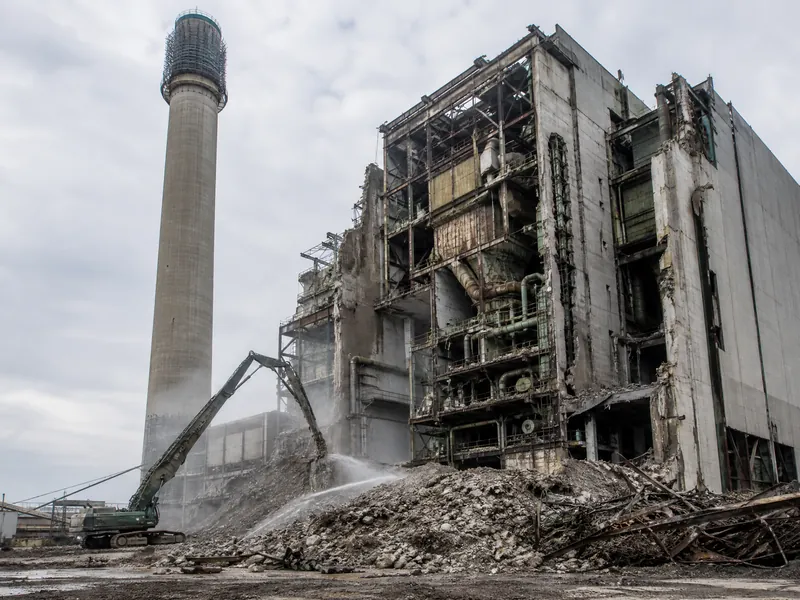
The regional environment dictates our approach, as high water tables, coastal salt corrosion, and hurricane-rated construction demand specialized dismantling techniques. Our crews mobilize to sites from Jacksonville to Tampa, handling everything from environmental remediation to final site clearing and concrete crushing. By processing scrap metal and crushing concrete on-site, we streamline the logistics of material disposal and asset recovery, helping facility owners navigate the specific regulatory challenges inherent to the state's industrial landscape.
The work
Dismantling Phosphate And Fertilizer Processing Infrastructure
The central Florida phosphate corridor presents unique challenges for structural teardowns. Facilities handling raw phosphate rock and sulfuric acid suffer from severe chemical degradation over decades of operation. We dismantle these processing plants, focusing on the safe removal of heavy rotary kilns, storage silos, and extensive conveyor systems. Our crews utilize heavy excavators equipped with hydraulic shears to systematically cut down compromised steel structures. The sheer scale of these agricultural chemical plants requires meticulous planning to ensure that massive components are lowered safely.
Because these sites often contain significant residual materials, environmental containment is a primary concern during the wrecking phase. We sequence the deconstruction to prevent runoff into the local aquifer, managing the dismantling of settling tanks and chemical storage vessels with strict runoff controls. The recovered structural steel, though often heavily corroded, is processed and transported to regional scrap buyers, providing a salvage credit that offsets the net cost of the demolition. We also handle the removal of the heavy concrete foundations, ensuring the site is fully cleared.
Method and sequence
Retiring Coastal Power Generation And Boiler Units
Florida's shifting energy grid has led to the retirement of numerous older oil and coal-fired power plants, particularly along the coastlines. Tearing down these massive structures requires engineered implosion or methodical mechanical dismantling, depending on the proximity to active switchyards and neighboring properties. We take down towering exhaust stacks, massive boiler units, and heavy turbine halls. The coastal environment means that steel structures are often weakened by decades of salt air exposure, altering the load-bearing calculations for our rigging and felling operations.
We strip out the valuable non-ferrous metals, including copper wiring and heavy transformers, before bringing down the main boiler frames. The heavy steel scrap is typically barged out or loaded onto rail cars bound for export terminals in Jacksonville or Tampa, maximizing the asset recovery value for the facility owner. Our operators carefully segregate the different grades of metal during the teardown. The remaining concrete structures, including massive cooling water intake channels, are systematically broken down and crushed for reuse.
Local coverage
Cities we work in across Florida
Hazards and controls
Managing High Water Tables And Karst Subsurface Risks
Subsurface conditions across the state heavily influence our foundation removal and site clearing operations. The limestone karst geology and exceptionally high water tables mean that deep excavation for concrete removal must be carefully managed. When we pull massive concrete footings or deep pile caps, groundwater intrusion is immediate. Our operators use specialized attachments to break up subterranean concrete while managing water displacement. We deploy heavy-duty pumps and trenching strategies to keep the work area stable while the heavy wrecking equipment operates.
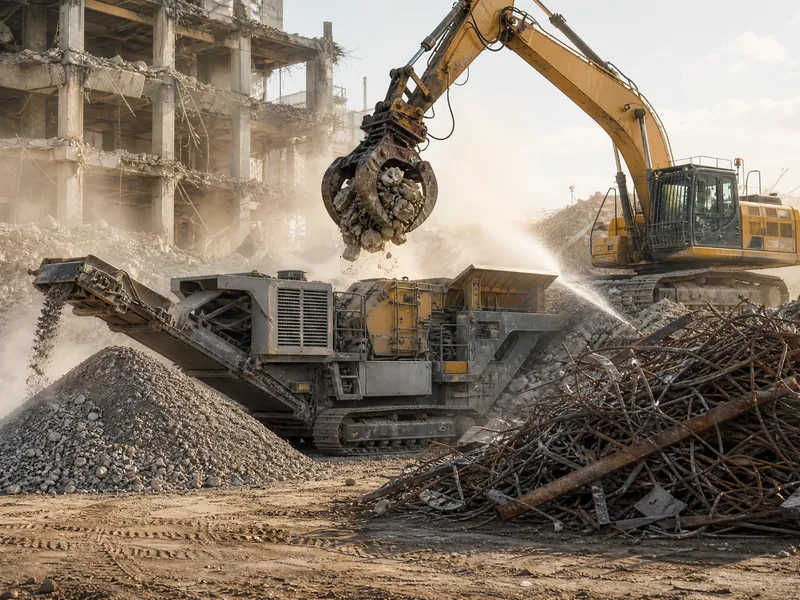
We crush the extracted concrete on-site, converting massive slabs and foundations into reusable aggregate. This crushed material is highly valuable in a state with limited natural rock resources, and it is often left on-site to stabilize the ground or sold to local civil contractors. This approach minimizes the need to haul heavy debris long distances and prepares the brownfield site for immediate redevelopment. By keeping the crushed concrete local, we significantly reduce the logistical burden on the regional highway system.
Sequence of work
How a project runs, stage by stage
Site walk and survey
We walk the structure with you, review drawings, and record structural condition, live utilities, hazardous materials and salvageable assets before any number is quoted.
Engineering and permits
An engineered demolition plan sets the sequence, exclusion zones and means of collapse. We file local permits and the federal pre-demolition notification, and collect utility isolation sign-offs.
Abatement and pre-clean
Regulated materials come out first under containment with clearance documentation, so the structural phase is never held up by a surprise inside a wall or a pipe chase.
Dismantling and teardown
High-reach machines, shears, torch crews and hand demolition work the sequence top-down or inside-out, with salvage separated as it comes out rather than picked from a mixed pile afterwards.
Processing and haul-off
Steel is sheared and shipped, concrete is crushed for reuse or hauled, and every regulated stream leaves under manifest to a permitted facility.
Grading and closeout
Foundations and slabs come out to the agreed depth, the site is graded and stabilised, and you receive manifests, clearance reports and closeout documentation.
Permits and notification
Decommissioning Citrus And Sugar Processing Facilities
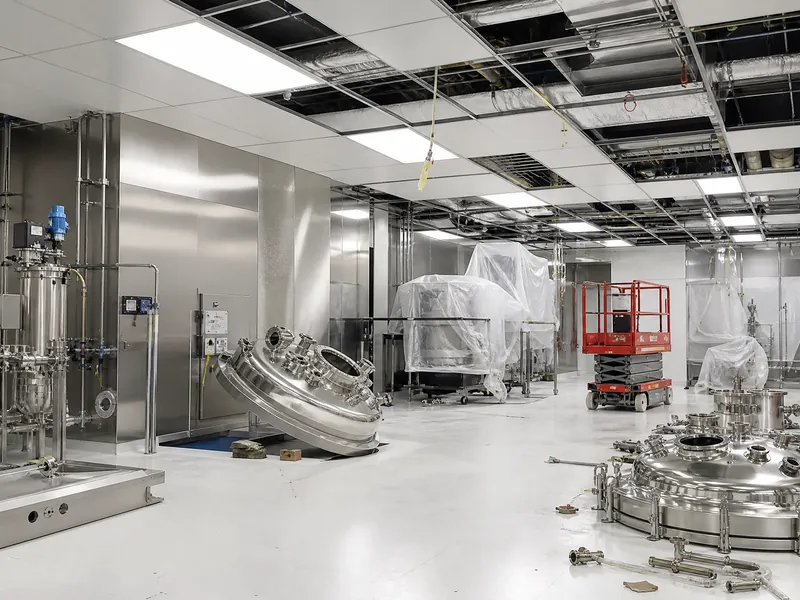
Agricultural processing plants in the central and southern parts of the state require specialized dismantling approaches. Sugar mills and citrus juice extraction plants contain extensive networks of stainless steel piping, massive evaporators, and heavy milling machinery. We systematically dismantle these facilities, separating the high-value stainless steel and food-grade alloys from the standard carbon steel structures. The teardown process involves careful rigging to lower massive tanks and extractors without damaging the surrounding infrastructure that may remain active.
We cut the equipment into manageable sections for transport, ensuring that the scrap metal recovery is optimized. The salvage value of these specialized metals serves as a direct credit against the overall demolition expense, making the plant retirement more economical for the agricultural operators. Our crews are experienced in navigating the tight confines of these processing facilities, utilizing specialized cutting torches and hydraulic shears to dismantle the heavy machinery. Once the valuable metals are extracted, we proceed with the structural demolition of the surrounding buildings.
Salvage and recovery
Executing Teardowns In Hurricane Exposure Zones
Industrial structures built along the Gulf and Atlantic coasts are engineered to withstand extreme wind loads, featuring heavily reinforced concrete and oversized steel connections. Wrecking these hurricane-rated buildings requires significantly more hydraulic force and specialized cutting equipment than standard inland structures. We deploy high-reach excavators with heavy-duty pulverizers to break through the dense, high-PSI concrete walls and roof decks. The dismantling sequence must account for the over-engineered nature of these facilities, requiring precise cuts to weaken the structural integrity safely.
We systematically sever the heavy wind-bracing and reinforced structural nodes, ensuring a controlled collapse of the building sections. The resulting debris is heavily laden with rebar, which we separate using industrial magnets during the concrete crushing phase. This clean steel is then routed to local recycling facilities, while the crushed concrete remains available for site grading. Handling these robust structures demands a thorough understanding of coastal engineering standards and the deployment of the heaviest wrecking machinery available in our fleet.
Logistics
Navigating Florida DEP Regulations And NESHAP Notifications
Compliance with state and federal environmental regulations governs the timeline of every teardown project we execute. Before any structural dismantling begins, we coordinate with the Florida Department of Environmental Protection (DEP) to ensure all local permitting and environmental remediation requirements are met. This includes securing the necessary county or city demolition permits and verifying utility disconnect sign-offs. Our project managers work closely with local authorities to establish approved truck routes for hauling heavy debris away from the site.
A critical step in our process is the mandatory federal NESHAP 10-working-day notification for asbestos. We do not initiate any wrecking activities until this notification period has cleared and all hazardous materials have been properly abated. Our project managers handle this regulatory paperwork, ensuring that the site clearing and deconstruction proceed without legal delays or compliance violations. By strictly adhering to these environmental protocols, we protect the facility owner from potential liabilities and ensure a smooth transition to the final site grading phase.
Common questions
Questions owners and engineers ask
What is the required notification period before starting a teardown?
Federal regulations mandate a strict 10-working-day NESHAP notification period prior to any structural dismantling or demolition activity. We submit this documentation to the Florida DEP and the EPA after all asbestos abatement is complete. No heavy equipment will begin wrecking the primary structures until this mandatory waiting period has fully elapsed, ensuring complete regulatory compliance. Our project managers handle all the necessary filings to keep the project on schedule.
How do you handle the removal of deep concrete foundations?
Extracting heavy footings in areas with high water tables requires precise mechanical breaking and immediate water management. We utilize heavy excavators with hydraulic hammers to fracture the concrete below grade. Once extracted, we run the material through mobile crushers to produce reusable aggregate, which is highly sought after for local construction projects and site stabilization. This on-site processing eliminates the need to transport massive concrete chunks across the state.
Where does the recovered scrap metal go after a plant is dismantled?
Processed structural steel and non-ferrous metals are transported to major regional scrap processors or directly to export terminals in cities like Tampa and Jacksonville. We separate the materials on-site to maximize their market value. The resulting salvage credit is applied directly to the client's account, reducing the net cost of the overall decommissioning project. Our logistics team coordinates the heavy hauling to ensure the scrap reaches the most competitive buyers.
Are you equipped to dismantle facilities with severe structural corrosion?
Coastal salt air and harsh chemical environments severely degrade industrial structures over time. Our engineers assess the compromised load-bearing capacity of these weakened buildings before any rigging or cutting begins. We adjust our felling techniques and utilize high-reach shears to safely bring down corroded steel frames without putting personnel at risk. This careful approach prevents uncontrolled collapses and ensures the safe dismantling of the most deteriorated industrial facilities.
Can you execute selective interior demolition while a plant remains operational?
Active manufacturing environments require strict isolation protocols during any interior wrecking. We install heavy-duty dust containment and vibration monitoring systems to protect ongoing operations. Our crews carefully dismantle obsolete machinery and remove interior structures using specialized electric and low-emission equipment, ensuring that the active portions of the facility experience zero disruption. We coordinate our work schedules with plant management to minimize any impact on daily production activities.
Ready to price the teardown?
Industrial Demolition USA provides the heavy equipment and specialized labor required to safely dismantle complex industrial facilities across the state. We commit to executing your plant retirement or site clearing project with strict adherence to all environmental and safety regulations. Contact our estimating team at 954-740-1983 or email electricalequipmentbuyers@gmail.com to discuss your specific teardown requirements.