
Overview
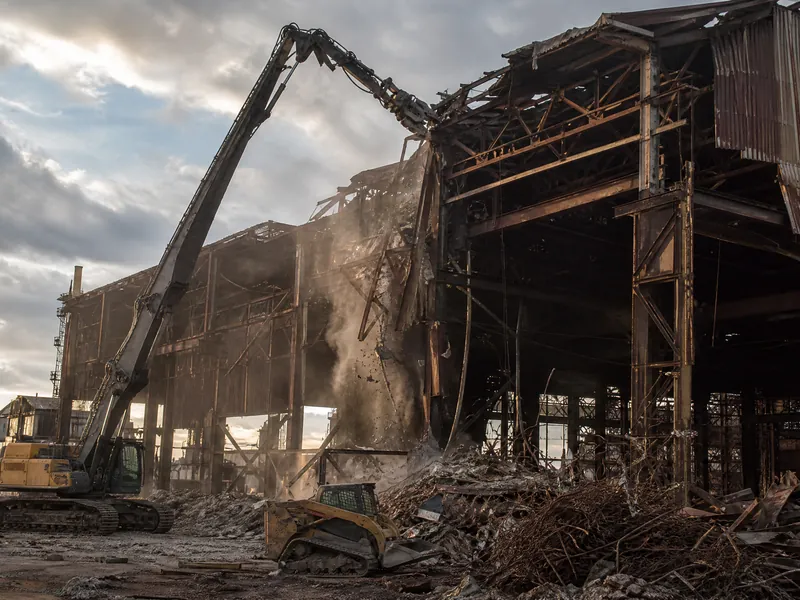
Our crews handle the complete lifecycle of facility retirement, executing structural teardowns, environmental remediation, and site clearing for heavy industry. Operating in this arid, high-altitude environment requires specific approaches to dust suppression, wind load management during high-reach work, and handling deep foundations set in hard caliche soils. We manage the entire process, including utility disconnects, hazardous material abatement, and heavy scrap processing, ensuring the site is ready for its next phase of development.
The work
Dismantling Energy and Power Generation Infrastructure
New Mexico's shifting energy landscape has led to the retirement of numerous legacy power generation facilities, including coal-fired plants and older natural gas units. Tearing down these massive structures requires engineered implosion or methodical mechanical dismantling of boiler houses, cooling towers, and turbine halls. We execute the controlled felling of exhaust stacks and the removal of heavy generating equipment, managing the complex rigging and heavy lifting required for these massive industrial components.
The high desert winds present significant challenges for high-reach demolition, necessitating strict weather monitoring and engineered lift plans to ensure site safety. We also handle the decommissioning of substations and the draining of transformer oils, ensuring all environmental protocols are strictly followed. Our crews process the massive volumes of structural steel and heavy metals generated by these teardowns, routing them to regional scrap processors to maximize the salvage credit for the facility owner.
Method and sequence
Permian Basin Oil, Gas, and Petrochemical Decommissioning
In the southeastern part of the state around Hobbs, the concentration of oil and gas infrastructure requires specialized decommissioning and dismantling services. We tear down obsolete processing plants, compressor stations, and storage tank farms that have reached the end of their operational life. This work involves strict hot work protocols and comprehensive vapor monitoring to prevent ignition in environments that previously held volatile hydrocarbons and other combustible materials.
We perform cold cutting and mechanical shearing to dismantle piping networks, pressure vessels, and separation equipment safely without generating sparks. The remote locations of many of these facilities in the Permian Basin demand rigorous logistical planning for equipment mobilization and scrap hauling. We coordinate the transportation of heavy steel plate and pipe to processing centers, offsetting the net cost of the demolition through strategic asset recovery. Our teams also manage the removal of concrete containment berms and equipment pads.
Local coverage
Cities we work in across New Mexico
Hazards and controls
Aggregate, Cement, and Mining Facility Teardowns
New Mexico's unique geology supports significant aggregate, cement, and mining operations, and retiring these facilities involves breaking down heavily reinforced concrete and massive steel structures. We dismantle crushers, conveyors, silos, and kilns, utilizing heavy excavators equipped with hydraulic shears and pulverizers to systematically reduce the structures. The abrasive nature of the materials processed in these plants often means structures are heavily worn, requiring careful structural assessment before dismantling begins to prevent uncontrolled collapses.
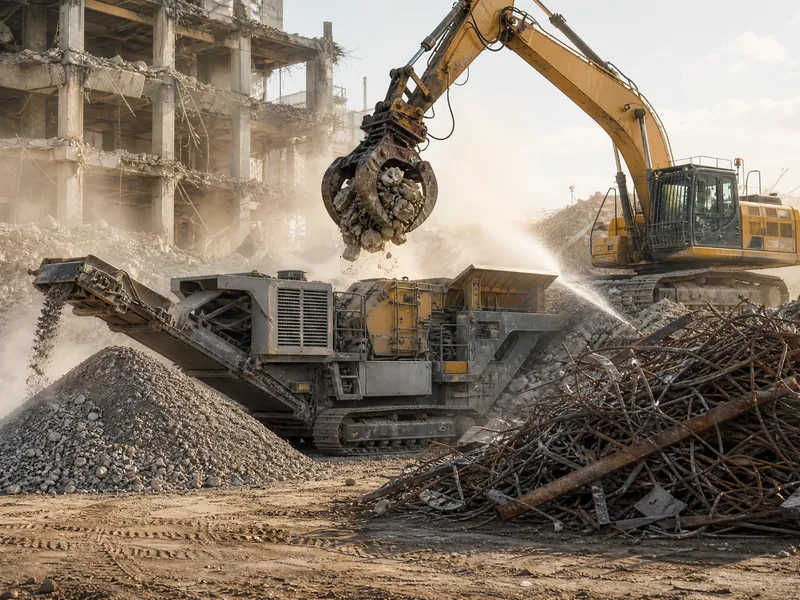
We drop elevated conveyor galleries and dismantle towering storage silos, managing the significant dust generation inherent in this type of heavy industrial work. Given the state's arid climate and strict air quality regulations, we deploy high-capacity water cannons and localized misting systems to suppress dust during concrete crushing and structural felling. The recovered structural steel, heavy plate, and manganese wear parts are segregated and processed for scrap value to offset the project costs.
Sequence of work
How a project runs, stage by stage
Site walk and survey
We walk the structure with you, review drawings, and record structural condition, live utilities, hazardous materials and salvageable assets before any number is quoted.
Engineering and permits
An engineered demolition plan sets the sequence, exclusion zones and means of collapse. We file local permits and the federal pre-demolition notification, and collect utility isolation sign-offs.
Abatement and pre-clean
Regulated materials come out first under containment with clearance documentation, so the structural phase is never held up by a surprise inside a wall or a pipe chase.
Dismantling and teardown
High-reach machines, shears, torch crews and hand demolition work the sequence top-down or inside-out, with salvage separated as it comes out rather than picked from a mixed pile afterwards.
Processing and haul-off
Steel is sheared and shipped, concrete is crushed for reuse or hauled, and every regulated stream leaves under manifest to a permitted facility.
Grading and closeout
Foundations and slabs come out to the agreed depth, the site is graded and stabilised, and you receive manifests, clearance reports and closeout documentation.
Permits and notification
Manufacturing and Distribution Center Deconstruction
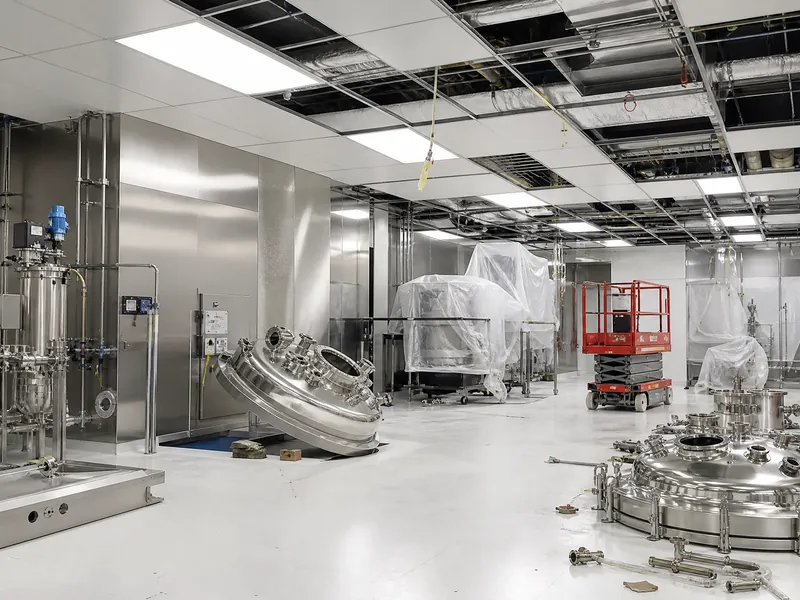
Along the I-25 and I-40 corridors in Albuquerque, we dismantle obsolete manufacturing plants, food and beverage processing facilities, and large-scale distribution warehouses. This work often involves selective interior demolition to clear out old processing lines, racking systems, and MEP infrastructure while leaving the building shell intact for adaptive reuse by new industrial tenants. When complete structural teardowns are required, we systematically dismantle tilt-up concrete panels, steel roof trusses, and heavy floor slabs using specialized attachments.
The hard caliche soils common in the region make foundation removal particularly demanding, requiring heavy hydraulic breakers to fracture the concrete and underlying hardpan to achieve the required depth of removal. We manage the removal of specialized food processing equipment, stainless steel piping, and industrial refrigeration systems, capturing the high-value scrap metals. Our crews coordinate closely with local utilities to ensure all electrical and gas services are properly isolated before work begins.
Salvage and recovery
NMED Compliance and Asbestos Notification Protocols
Executing heavy industrial demolition in New Mexico requires strict adherence to state and federal environmental regulations to protect both the workers and the surrounding community. Before any structural teardown begins, we submit the mandatory NESHAP 10-working-day notification for asbestos to the New Mexico Environment Department (NMED) or the local air quality board in Bernalillo County. We manage the abatement of asbestos-containing materials, lead-based paints, and other hazardous substances commonly found in older industrial facilities.
Our environmental remediation teams ensure that all regulated materials are properly contained, manifested, and transported to licensed disposal facilities in accordance with state laws. We also secure the necessary local demolition permits and coordinate with municipal authorities for traffic control and utility disconnect sign-offs. By managing the entire regulatory compliance process from the initial site assessment to the final clearance testing, we ensure that the project proceeds without delays and remains fully compliant.
Logistics
Scrap Metal Recovery and Regional Salvage Markets
The economics of heavy industrial demolition are heavily influenced by the recovery and monetization of scrap metals generated during the teardown. We process thousands of tons of ferrous and non-ferrous metals, including structural I-beams, heavy plate, copper wiring, and stainless steel vessels from retired plants. In New Mexico, the distance to major steel mills and foundries requires efficient on-site processing and dense loading to optimize freight costs and maximize the return on the material.
We shear steel to mill-ready dimensions and bale light iron, loading the material onto end-dump trailers or railcars for transport to regional buyers in Texas or the Midwest. The value of this recovered metal is applied as a salvage credit, directly reducing the client's net cost for the demolition project. We maintain relationships with a network of scrap buyers and asset recovery specialists, ensuring that we secure the best possible financial return.
Common questions
Questions owners and engineers ask
What is the process for removing deep concrete foundations in hard soils?
In areas with hard caliche soils, removing heavy industrial foundations requires significant mechanical force. We deploy large excavators equipped with heavy hydraulic breakers to fracture the concrete footings, machine pads, and the surrounding hardpan. Once broken, the concrete is excavated, and the reinforcing rebar is separated using hydraulic pulverizers and magnets. The clean concrete is then crushed on-site to create a reusable aggregate base, while the rebar is sent for scrap recycling.
How do you manage dust control in arid, high-wind environments?
Dust suppression is a critical component of our demolition operations, particularly in dry climates with high winds. We utilize high-reach water cannons, localized misting systems on our excavator attachments, and water trucks to keep the work area damp. During high-wind events, we may pause high-reach demolition or concrete crushing to prevent fugitive dust from leaving the site boundary, ensuring compliance with local air quality regulations.
Are you able to dismantle facilities that are still partially operational?
Yes, we frequently perform selective demolition and dismantling within active industrial complexes. This requires meticulous planning to ensure that our operations do not disrupt the ongoing production or compromise the safety of the plant personnel. We establish strict physical barriers, implement vibration monitoring, and coordinate utility isolations to separate the demolition zone from the active facility, allowing the plant to maintain its operations.
What happens to the specialized equipment inside a retired manufacturing plant?
When dismantling a manufacturing facility, we assess the processing equipment, conveyors, and MEP infrastructure for potential salvage value. While we do not purchase equipment directly, we leverage our network to find buyers for reusable machinery or process it for its scrap metal content. The value generated from this asset recovery is applied as a credit against the overall cost of the demolition project.
Who handles the environmental permitting and notifications for the project?
Our team manages the comprehensive regulatory compliance process for every demolition project. This includes submitting the required NESHAP 10-working-day notification to the NMED or local authorities, securing municipal demolition permits, and coordinating utility disconnects. We also oversee the abatement of hazardous materials, ensuring that all environmental remediation work is completed and documented before the structural teardown begins.
Ready to price the teardown?
Industrial Demolition USA provides the heavy equipment, specialized crews, and project management required to execute complex industrial teardowns across New Mexico. We deliver safe, compliant, and efficient demolition services for power plants, manufacturing facilities, and oil and gas infrastructure. Contact us at 954-740-1983 or email electricalequipmentbuyers@gmail.com to discuss your facility retirement.