
Overview
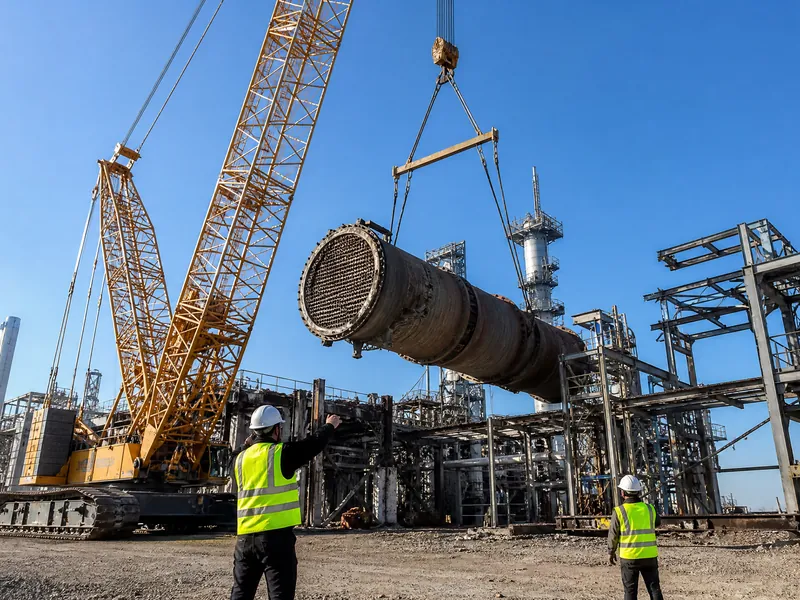
We manage every phase of the plant retirement process, from initial hazardous material abatement to final site grading and scrap metal recovery. Our crews are equipped to handle the unique logistical challenges of riverfront deconstruction, ensuring that all environmental remediation and wrecking activities are executed safely. We deliver turnkey demolition solutions that prepare legacy industrial properties for redevelopment while maximizing salvage credit for our clients.
The work
Deconstructing Riverfront Generating Stations
Huntington's position on the Ohio River has historically made it a hub for coal-fired power generation. Decommissioning these facilities requires an engineered approach to safely dismantle boilers, turbines, and exhaust stacks. Our demolition contractors utilize advanced techniques, including controlled explosive implosion and high-reach mechanical shearing, to bring down these structures with absolute precision. We carefully sequence the teardown to prevent any impact on the adjacent waterway and surrounding infrastructure.
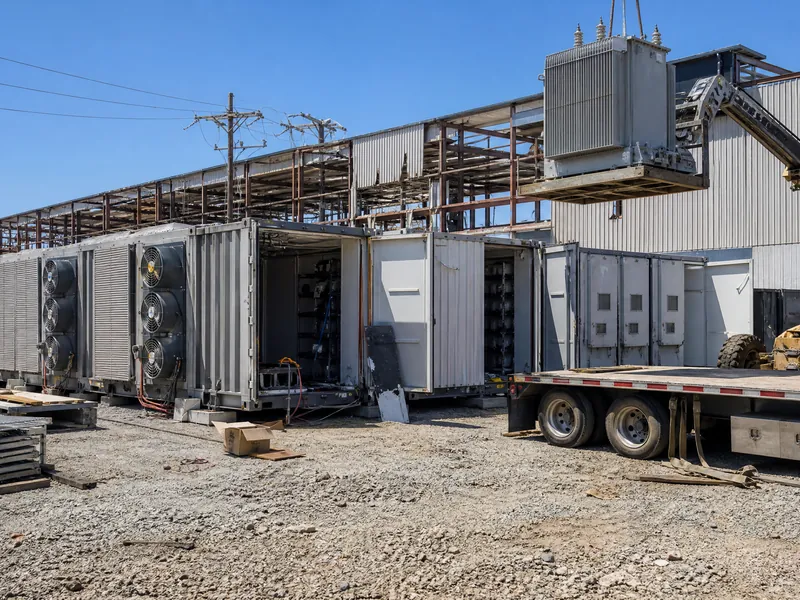
Prior to structural wrecking, our teams isolate and de-energize all high-voltage electrical systems and mechanical utilities. We systematically remove hazardous materials, including asbestos insulation and heavy metal residues, ensuring the site is safe for heavy equipment operations. The structural steel and copper wiring recovered from these stations are processed for asset recovery, generating a salvage credit that reduces the net project cost.
Operating in the river valley requires careful management of soil stability and groundwater protection. We implement robust erosion control measures and stormwater management plans to prevent runoff during the deconstruction process. Our comprehensive approach to power plant retirement ensures that these complex sites are safely cleared and restored to a buildable condition.
Method and sequence
Chemical Plant Dismantling And Remediation
The Kanawha Valley and surrounding areas near Huntington are home to numerous chemical processing facilities that demand specialized demolition protocols. Dismantling these plants involves navigating complex networks of piping, pressure vessels, and storage tanks that may contain residual hazardous substances. Our crews are highly trained in industrial abatement and decontamination, utilizing specialized techniques to safely purge and clean process equipment before structural teardown begins.
We develop detailed remediation plans that address contaminated soils and groundwater. All hazardous waste streams are carefully manifested and transported to licensed disposal facilities in accordance with West Virginia DEP regulations. By integrating environmental services with our core wrecking capabilities, we provide a seamless transition from decontamination to heavy demolition, minimizing schedule delays and reducing overall project risk.
The deconstruction of chemical plants often requires precise cold-cutting techniques to prevent ignition of residual flammable materials. We utilize hydraulic shears and specialized rigging to carefully dismantle process structures, maximizing the recovery of high-value alloys and stainless steel. This meticulous approach to plant retirement ensures the safe and compliant clearance of complex chemical manufacturing sites.
Regional coverage
Other West Virginia cities we cover
Hazards and controls
Managing Logistics And Material Transport
Efficient material handling is critical to the success of large-scale industrial demolition projects in Huntington. The region's infrastructure, including the Ohio River, rail lines, and highways, provides multiple options for transporting processed scrap. Our logistics team develops comprehensive material management plans that leverage these transportation networks to optimize the removal of heavy structural steel and concrete rubble.
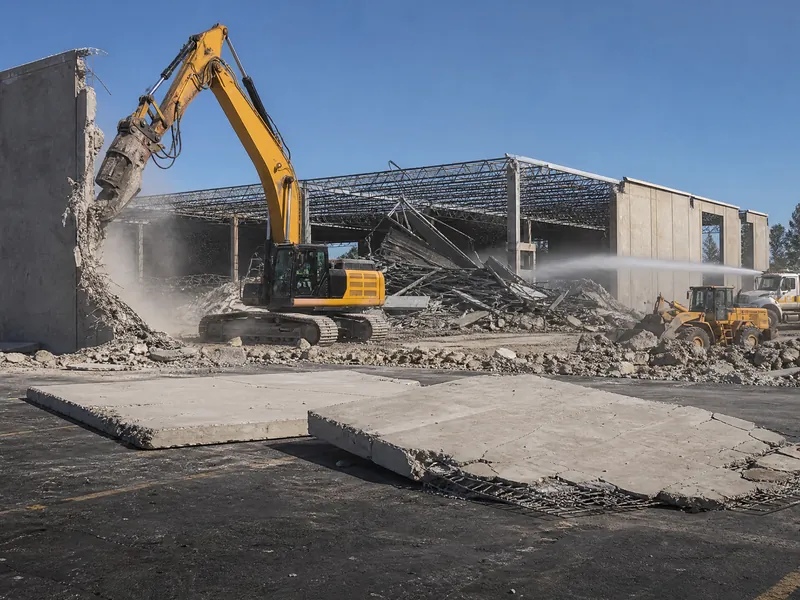
We deploy mobile concrete crushers and heavy shears directly to the job site, allowing us to process materials efficiently before they are loaded for transport. Ferrous and non-ferrous metals are segregated and prepared for shipment to regional recycling facilities, maximizing the salvage credit applied to the client's account. Clean concrete and masonry can often be crushed and repurposed on-site as structural fill, significantly reducing disposal costs and heavy truck traffic.
Navigating the dense industrial corridors and riverfront access points requires careful coordination with local authorities and facility managers. We establish clear traffic control plans and staging areas to ensure that our material transport operations do not disrupt adjacent active businesses or community infrastructure.
Permits and notification
Compliance With State And Federal Regulations
Executing heavy demolition in West Virginia requires strict adherence to a complex web of environmental and safety regulations. Our project managers handle all necessary permitting and notifications, including the mandatory NESHAP filings for asbestos abatement and structural deconstruction. We maintain open lines of communication with the West Virginia DEP to ensure that all remediation and dismantling activities meet or exceed state standards.
Protecting the Ohio River and groundwater is a primary focus during site clearing. We implement comprehensive Stormwater Pollution Prevention Plans (SWPPP) and deploy advanced erosion control technologies to contain dust and runoff. Our environmental compliance team conducts regular site inspections and air monitoring to verify the effectiveness of our containment strategies and protect the surrounding community.
By managing the entire regulatory compliance process, we provide facility owners with peace of mind and protection from environmental liability. We deliver complete documentation at the conclusion of the project, including waste manifests and final site surveys, proving that the decommissioning was executed in full accordance with all applicable laws.
Salvage and recovery
Serving The Tri-State Industrial Corridor
From our base of operations in Huntington, we provide comprehensive demolition services across the tri-state industrial corridor. Our heavy equipment fleets and specialized crews regularly mobilize to execute complex teardowns in sibling cities like Charleston, Parkersburg, and Ashland. This regional capability allows us to support large-scale plant retirements and multi-site decommissioning programs for major industrial corporations operating throughout the Ohio River valley.
The diverse industrial base of this region requires a versatile approach to structural dismantling. Whether we are tearing down an aging aluminium smelter, a glass manufacturing facility, or a coal preparation plant, we apply the same rigorous engineering and safety standards. Our deep understanding of the local industrial history and structural typologies enables us to anticipate challenges and develop highly effective wrecking strategies.
We are committed to providing the highest level of service and technical expertise to industrial clients throughout the region. Our integrated approach to abatement, demolition, and asset recovery ensures that every project is completed safely, on schedule, and with maximum financial efficiency.
Capabilities
Abatement, remediation and recovery
Common questions
Questions owners and engineers ask
How do you manage the demolition of structures located directly on the Ohio River?
Riverfront deconstruction requires specialized engineering to prevent debris from entering the waterway and to protect the structural integrity of retaining walls and docks. We utilize high-reach excavators equipped with precision shears to carefully dismantle structures inward, away from the water. We also deploy floating booms and robust erosion control measures along the shoreline to capture any fugitive dust or runoff, ensuring full compliance with environmental regulations protecting the river ecosystem.
What techniques are used to dismantle complex chemical processing equipment?
We employ a combination of cold-cutting methods, hydraulic shearing, and specialized rigging to safely dismantle chemical process infrastructure. Before any cutting begins, all piping and vessels are thoroughly purged, decontaminated, and tested for residual hazardous materials. We avoid hot work whenever possible to eliminate ignition risks, instead relying on heavy mechanical equipment to systematically reduce the structures while maximizing the recovery of valuable alloys and stainless steel components.
Does your company handle the removal of asbestos and other hazardous materials?
Yes, environmental remediation is a core component of our turnkey decommissioning services. Our certified abatement teams safely remove asbestos-containing materials, lead-based paints, and universal wastes prior to structural teardown. We establish strict containment zones and utilize negative air pressure systems to prevent the release of hazardous fibers. All contaminated materials are properly manifested and transported to licensed disposal facilities in accordance with West Virginia DEP and federal NESHAP regulations.
How is the salvage credit calculated for a plant retirement project?
During the initial site assessment, our estimators evaluate the volume and quality of recoverable materials, including heavy structural steel, copper wiring, and industrial machinery. We calculate the current market value of these assets and apply that amount as a salvage credit against the total cost of the demolition and abatement services. This transparent process ensures that you receive maximum financial benefit from the scrap metal recovered during the deconstruction phase.
What steps are taken to protect adjacent active facilities during a teardown?
We develop comprehensive site logistics and safety plans to isolate the demolition zone from any active operations. This includes establishing secure perimeters, implementing rigorous dust and vibration control measures, and coordinating heavy equipment movements to avoid disrupting your ongoing business activities. We also carefully trace and isolate all shared utilities to ensure that the deconstruction process does not cause unplanned outages or impact the functionality of adjacent structures.
Ready to price the teardown?
Industrial Demolition USA delivers the specialized equipment and engineering expertise required for complex plant dismantling in Huntington. We manage every aspect of the decommissioning process, from environmental abatement to final site grading and asset recovery. Contact our project management team at 954-740-1983 or email electricalequipmentbuyers@gmail.com to discuss your industrial teardown requirements.