
Overview
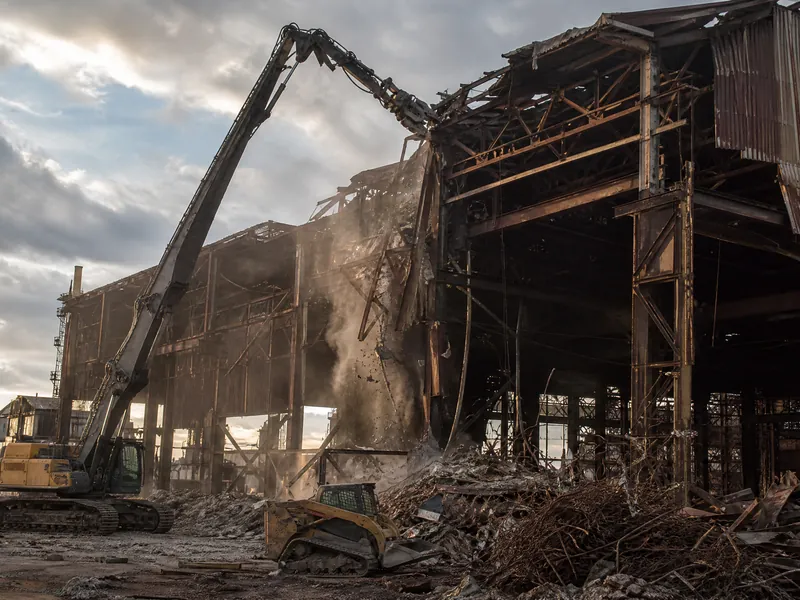
Our phased approach ensures that every project, from selective deconstruction to complete plant retirement, is executed safely, efficiently, and in full compliance with regulatory standards. By integrating environmental remediation, asset recovery, and site clearing into a cohesive workflow, we deliver turnkey solutions that prepare your site for its next phase of development.
The work
Phase 1: Comprehensive Site Assessment and Planning
The foundation of a successful industrial demolition project is a thorough site assessment and meticulous planning. Our process begins with a detailed review of the facility, including structural drawings, utility layouts, and environmental surveys. We conduct on-site inspections to identify potential hazards, assess structural integrity, and evaluate logistical constraints. This comprehensive understanding of the site allows us to develop a tailored demolition plan that addresses the unique challenges of the project. During the planning phase, we collaborate closely with facility owners, engineers, and regulatory agencies to ensure that all requirements are met. We develop a detailed project schedule, outlining the sequence of deconstruction activities and identifying critical milestones. We also prepare a comprehensive Job Hazard Analysis (JHA) and a site-specific safety plan to mitigate risks and protect our crews, client personnel, and the surrounding environment. Furthermore, we identify opportunities for asset recovery and salvage during the planning phase. We evaluate.
Method and sequence
Phase 2: Permitting, Notification, and Utility Isolation
Before any physical dismantling begins, we secure all necessary permits and submit required notifications to regulatory agencies. This includes obtaining local demolition permits, environmental approvals, and submitting the federal NESHAP asbestos notification. Our team is well-versed in the complex regulatory landscape governing industrial demolition, ensuring that all paperwork is filed accurately and on time to prevent project delays. Simultaneously, we execute a rigorous utility isolation and de-energization process. We coordinate with local utility providers and facility personnel to safely disconnect and cap all electrical, gas, water, and sewer lines entering the site. This critical step ensures that the facility is completely "cold" and safe for our crews to begin deconstruction. We utilize lockout/tagout procedures to verify that all energy sources have been neutralized. In addition to external utilities, we also isolate and drain internal process piping and equipment. This includes the removal of residual chemicals, lubricants, and coolants, which are.
Hazards and controls
Phase 3: Environmental Remediation and Abatement
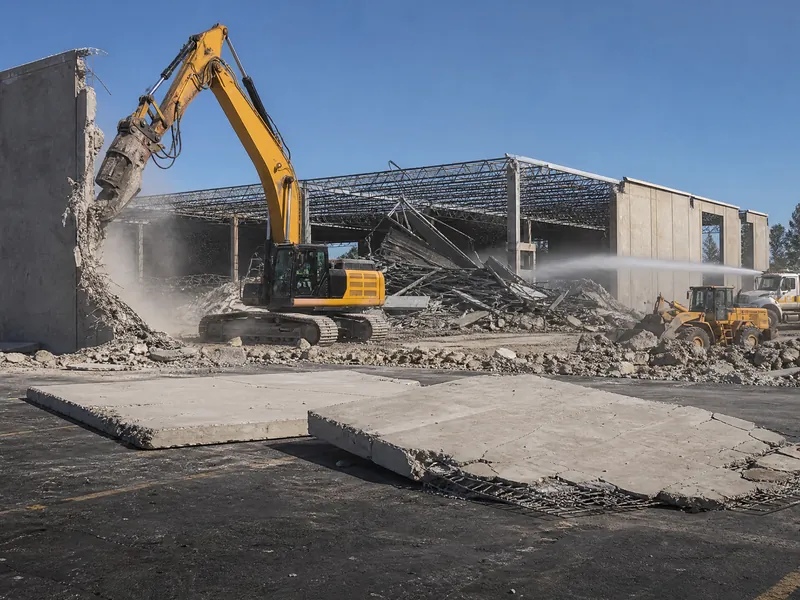
Many industrial facilities contain hazardous materials, such as asbestos, lead-based paint, and contaminated soils, that must be addressed before structural demolition can occur. Our process includes comprehensive environmental remediation and abatement services to safely remove and dispose of these materials. We utilize specialized techniques and equipment, such as negative air pressure enclosures and HEPA filtration, to prevent the release of hazardous substances into the environment. Our abatement crews are highly trained and certified to handle a wide range of hazardous materials. We work closely with environmental consultants to ensure that all remediation activities are conducted in compliance with federal, state, and local regulations. We also maintain detailed manifests and disposal records to provide our clients with complete documentation of the abatement process. Once the hazardous materials have been safely removed, we conduct a thorough clearance inspection to verify that the facility is safe for structural demolition. This rigorous approach to.
Permits and notification
Phase 4: Structural Dismantling and Asset Recovery
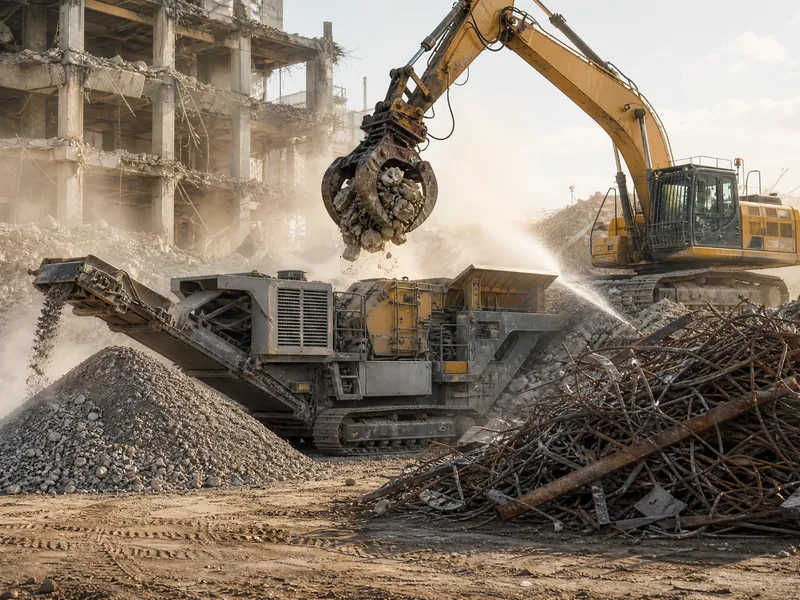
With the facility safely isolated and remediated, we begin the structural dismantling process. We utilize a range of techniques, from careful hand deconstruction to the use of heavy equipment, depending on the specific requirements of the project. Our fleet of specialized machinery, including high-reach excavators equipped with shears and grapples, allows us to systematically dismantle complex structures with precision and control. Throughout the dismantling process, we prioritize asset recovery and salvage. We carefully separate valuable materials, such as structural steel, non-ferrous metals, and reusable equipment, from the demolition debris. These materials are processed and transported to recycling facilities or secondary markets, generating a salvage credit that offsets the overall cost of the project. Our expertise in material segregation ensures that we maximize the value recovered from the site. We also employ controlled demolition techniques to manage the impact of our operations on adjacent structures and active facility operations. This includes.
Salvage and recovery
Phase 5: Site Clearing, Grading, and Closeout
The final phase of our industrial demolition process is site clearing and grading. We remove all remaining demolition debris, including concrete foundations and slabs, and transport it to approved disposal or recycling facilities. We utilize concrete crushers to process rubble on-site, creating reusable aggregate that can be used for backfill or sold to offset project costs. This sustainable approach minimizes the volume of waste sent to landfills. Once the site is cleared of debris, we perform final grading to prepare the land for its next use. We work closely with the client to ensure that the site is graded to their specifications, whether that involves creating a level pad for new construction or restoring the land to its natural state. We also implement erosion control measures to protect the site from environmental degradation. Upon completion of the physical work, we provide the client with a comprehensive closeout package. This includes.
How we work
The stages of a demolition project
Site walk and survey
We walk the structure with you, review drawings, and record structural condition, live utilities, hazardous materials and salvageable assets before any number is quoted.
Engineering and permits
An engineered demolition plan sets the sequence, exclusion zones and means of collapse. We file local permits and the federal pre-demolition notification, and collect utility isolation sign-offs.
Abatement and pre-clean
Regulated materials come out first under containment with clearance documentation, so the structural phase is never held up by a surprise inside a wall or a pipe chase.
Dismantling and teardown
High-reach machines, shears, torch crews and hand demolition work the sequence top-down or inside-out, with salvage separated as it comes out rather than picked from a mixed pile afterwards.
Processing and haul-off
Steel is sheared and shipped, concrete is crushed for reuse or hauled, and every regulated stream leaves under manifest to a permitted facility.
Grading and closeout
Foundations and slabs come out to the agreed depth, the site is graded and stabilised, and you receive manifests, clearance reports and closeout documentation.
Capabilities
Capabilities we run in house
Common questions
Questions owners and engineers ask
How long does the planning phase typically take for a heavy industrial teardown?
The duration of the planning phase varies depending on the size and complexity of the facility. For a standard industrial teardown, planning can take anywhere from a few weeks to several months. This time is necessary to conduct thorough site assessments, secure permits, develop detailed engineering plans, and coordinate with regulatory agencies. We prioritize meticulous planning to ensure a safe.
What documentation is required to begin the permitting process?
To begin the permitting process, we typically require structural drawings, site plans, and recent environmental surveys, including asbestos and lead-based paint assessments. We also need information regarding utility layouts and any historical data related to hazardous materials on the site. Having this documentation readily available helps expedite the permitting process and ensures compliance with all regulatory requirements.
How is the salvage credit calculated and applied to the project cost?
The salvage credit is calculated based on the current market value of the recovered materials, such as structural steel, copper, and specialized equipment. We conduct a detailed inventory during the planning phase to estimate the potential salvage value. This estimated value is then applied as a credit against the total cost of the demolition, reducing the net cost to the.
Who is responsible for disconnecting utilities before dismantling begins?
Industrial Demolition USA coordinates the utility disconnection process, but the actual physical disconnection is typically performed by the local utility providers. We work closely with the utility companies and facility personnel to ensure that all electrical, gas, water, and sewer lines are safely isolated and capped before our crews begin deconstruction. We verify that all energy sources have been neutralized.
What happens if unexpected hazardous materials are found during the project?
If unexpected hazardous materials are discovered, we immediately halt work in the affected area and secure the perimeter. We notify the client and engage specialized environmental consultants to assess the situation and develop a remediation plan. Our crews are trained to handle these situations safely and in compliance with all regulations. Any additional abatement work is documented and managed as.
How do you manage dust and noise during the demolition process?
We manage dust and noise through comprehensive control measures. For dust suppression, we utilize water sprays, misting cannons, and specialized attachments on our equipment. We also establish strict speed limits for haul trucks to minimize airborne dust. To control noise, we use modern, well-maintained equipment and schedule high-noise activities during appropriate hours. We continuously monitor environmental conditions to ensure compliance.
What is included in the final closeout package provided to the client?
The final closeout package includes all documentation related to the project, ensuring complete transparency and regulatory compliance. This typically includes copies of all permits, environmental disposal manifests, salvage receipts, and a final project report detailing the work performed. We also provide documentation of final site grading and any required clearance inspections. This comprehensive package protects the client from future liability.
Can you crush concrete on-site for use as backfill?
Yes, we frequently utilize mobile concrete crushers to process concrete foundations and slabs on-site. This creates a reusable aggregate that can be used as backfill for the site, reducing the need to import new materials. On-site crushing also minimizes the volume of debris that must be transported to landfills, lowering disposal costs and reducing the environmental impact of the project.
Ready to price the teardown?
Industrial Demolition USA delivers a systematic and highly controlled process for complex industrial teardowns. Our comprehensive approach ensures safety, compliance, and maximum asset recovery. Contact us at 954-740-1983 or electricalequipmentbuyers@gmail.com to discuss your facility decommissioning needs.