
Overview
Operating in extreme environments requires rigorous planning, specialized equipment, and strict adherence to safety protocols. Our crews manage every phase of the project, from initial environmental abatement to final site grading, ensuring that your facility is safely retired. We handle the logistical challenges of working in Anchorage, Fairbanks, and remote locations, delivering predictable results for complex industrial deconstruction projects.
The work
Executing Heavy Industrial Demolition Across Alaska
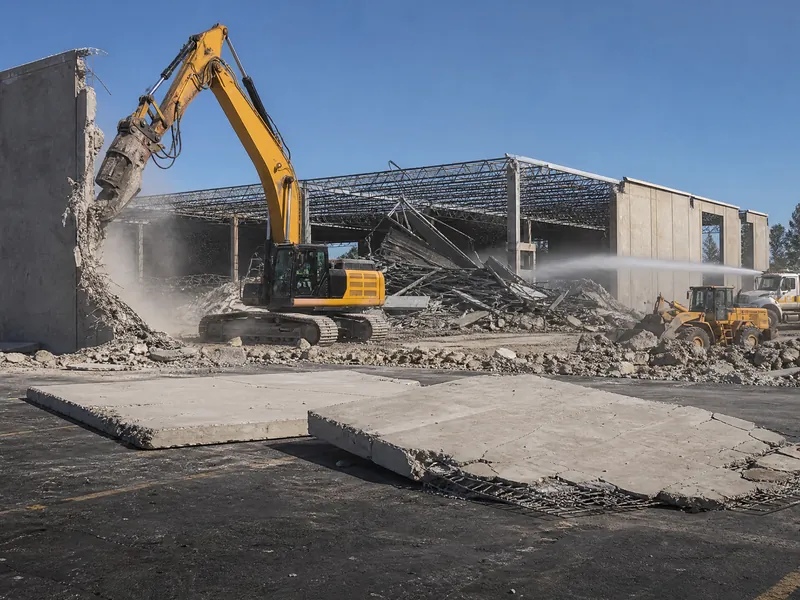
The industrial landscape of Alaska presents unique challenges for heavy demolition and structural dismantling. Facilities such as food and beverage processing plants, warehousing centers, and cement operations require specialized approaches when they reach the end of their operational life. Industrial Demolition USA deploys engineered deconstruction methods to safely bring down massive steel structures, concrete silos, and heavy manufacturing infrastructure. We utilize high-reach excavators equipped with hydraulic shears and concrete pulverizers to systematically dismantle facilities from the top down, minimizing risks to adjacent active operations.
Our project managers develop detailed sequencing plans that account for the specific structural integrity of each building. Whether we are executing a controlled collapse of a retired generating unit or performing selective interior demolition within an active distribution center, our focus remains on maintaining absolute control over the work environment. We isolate utilities, de-energize critical systems, and establish secure perimeters before any heavy equipment begins the teardown process. This methodical approach ensures that even the most complex industrial wrecking projects are completed without incident.
Method and sequence
Navigating Extreme Weather and Logistical Constraints
Demolition projects in Alaska demand a deep understanding of the state's extreme weather conditions and logistical hurdles. The freeze-thaw cycles, heavy snowfall, and sub-zero temperatures significantly impact equipment performance and project timelines. Industrial Demolition USA schedules and executes deconstruction phases to mitigate weather-related delays, utilizing winterized heavy machinery and specialized rigging techniques. We coordinate the mobilization of high-capacity cranes, excavators, and material handlers to sites in Anchorage, Fairbanks, and beyond, ensuring that our crews have the necessary resources to maintain continuous progress.
Transporting demolished materials and salvaged assets out of remote locations requires meticulous logistical planning. We leverage regional highway networks, rail lines, and port facilities to efficiently move scrap metal and concrete debris. Our logistics coordinators manage the complex routing of oversized loads and hazardous waste manifests, ensuring that all materials are transported in compliance with state and federal regulations. By proactively addressing these transportation challenges, we keep industrial dismantling projects on schedule and prevent costly delays associated with material bottlenecks.
Local coverage
Cities we work in across Alaska
Hazards and controls
Environmental Remediation and Asbestos Abatement
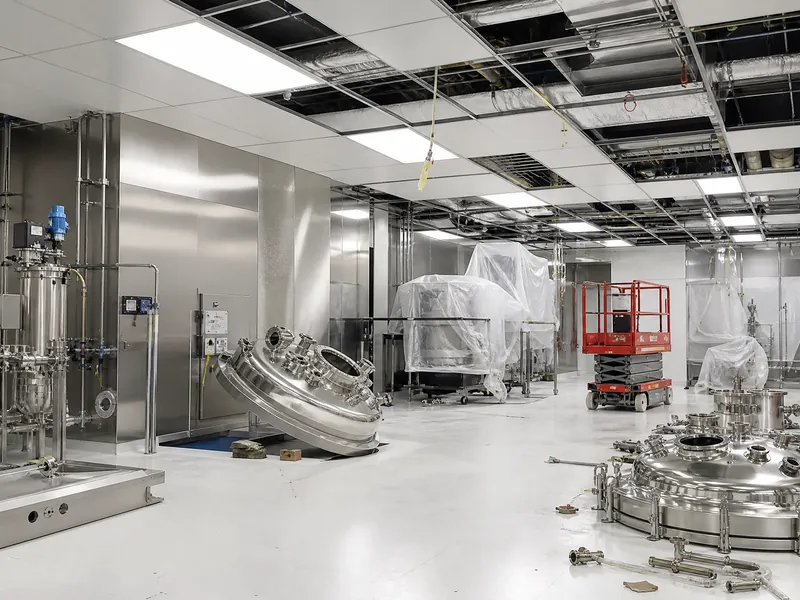
Before any structural wrecking can commence, industrial facilities must undergo comprehensive environmental remediation to address hazardous materials. Older manufacturing plants and retired generating units in Alaska frequently contain asbestos insulation, lead-based paints, and other regulated substances. Industrial Demolition USA coordinates thorough hazardous material surveys and executes precise abatement protocols to remove these risks. Our crews establish negative pressure enclosures, utilize specialized HEPA filtration systems, and follow strict decontamination procedures to safely extract asbestos-containing materials from piping, boilers, and structural steel.
We work closely with environmental consultants to ensure that all remediation activities meet the stringent standards set by the Alaska Department of Environmental Conservation (Alaska DEC) and federal NESHAP regulations. Proper containment and disposal of hazardous waste are critical components of our decommissioning process. We generate detailed manifests tracking the chain of custody for all contaminated materials, providing our clients with the documentation necessary to prove regulatory compliance and limit long-term liability.
Sequence of work
How a project runs, stage by stage
Site walk and survey
We walk the structure with you, review drawings, and record structural condition, live utilities, hazardous materials and salvageable assets before any number is quoted.
Engineering and permits
An engineered demolition plan sets the sequence, exclusion zones and means of collapse. We file local permits and the federal pre-demolition notification, and collect utility isolation sign-offs.
Abatement and pre-clean
Regulated materials come out first under containment with clearance documentation, so the structural phase is never held up by a surprise inside a wall or a pipe chase.
Dismantling and teardown
High-reach machines, shears, torch crews and hand demolition work the sequence top-down or inside-out, with salvage separated as it comes out rather than picked from a mixed pile afterwards.
Processing and haul-off
Steel is sheared and shipped, concrete is crushed for reuse or hauled, and every regulated stream leaves under manifest to a permitted facility.
Grading and closeout
Foundations and slabs come out to the agreed depth, the site is graded and stabilised, and you receive manifests, clearance reports and closeout documentation.
Permits and notification
Maximizing Value Through Asset Recovery and Scrap Salvage
Industrial Demolition USA integrates comprehensive asset recovery and scrap metal salvage into our deconstruction workflows to offset the net cost of facility retirement. Alaska's industrial sites contain significant volumes of ferrous and non-ferrous metals, including structural steel beams, copper wiring, heavy machinery, and industrial piping. Our crews utilize mobile hydraulic shears and torch cutting techniques to process these materials directly on the job site, preparing them for efficient transport to regional recycling facilities.
The salvage value generated from recovered metals and reusable industrial components is applied as a credit against the overall demolition cost. We meticulously sort and grade scrap materials to maximize their market value, leveraging our network of scrap buyers and recycling partners. By efficiently processing concrete debris through on-site crushing operations, we also produce reusable aggregate that can be utilized for final site grading or sold to local contractors. This dual approach to material recovery not only reduces the financial burden of plant decommissioning but also minimizes the volume of waste sent to local landfills.
Salvage and recovery
Alaska DEC Permitting and Regulatory Compliance
Navigating the regulatory landscape is a critical aspect of any industrial demolition project in Alaska. Industrial Demolition USA manages the entire permitting and notification process, ensuring that all deconstruction activities comply with local, state, and federal mandates. We submit the required NESHAP asbestos notifications and secure the necessary demolition permits from the Alaska DEC well in advance of mobilization. Our project managers maintain open lines of communication with regulatory inspectors, facilitating site visits and providing transparent documentation of our abatement and dismantling procedures.
Compliance extends beyond initial permitting to encompass ongoing environmental monitoring and final site closure. We implement robust dust control measures, utilizing water cannons and misting systems to suppress airborne particulates during concrete crushing and structural wrecking. Stormwater runoff is carefully managed to prevent the contamination of local waterways. Upon completion of the teardown, we provide our clients with a comprehensive closeout package, including all permits, waste manifests, and final grading reports, verifying that the site has been safely and legally decommissioned.
Common questions
Questions owners and engineers ask
How does the extreme Alaskan weather affect demolition timelines?
Severe weather, including heavy snow and sub-zero temperatures, can impact equipment operation and material transport. We utilize winterized machinery and develop flexible project schedules that account for seasonal weather patterns. By planning critical structural dismantling and abatement phases around the most severe conditions, we maintain steady progress and minimize weather-related delays.
What is the process for handling asbestos in older industrial plants?
Prior to any structural wrecking, we conduct comprehensive hazardous material surveys. If asbestos is identified, our specialized abatement crews establish containment zones and safely remove the materials following Alaska DEC and federal NESHAP regulations. All asbestos-containing materials are securely packaged, manifested, and transported to approved disposal facilities before heavy demolition begins.
How is salvage credit applied to my plant decommissioning project?
We recover valuable ferrous and non-ferrous metals, such as structural steel and copper wiring, during the dismantling process. The market value of these recovered materials is calculated and applied as a direct credit against your total demolition costs. This asset recovery strategy significantly reduces the net expense of retiring your industrial facility.
Who is responsible for disconnecting utilities before demolition starts?
Industrial Demolition USA coordinates the complete isolation and de-energization of all site utilities. We work with local utility providers in Anchorage, Fairbanks, and other municipalities to safely cap water, gas, and electrical lines. This critical step ensures that the site is completely safe for our crews to begin heavy deconstruction activities.
What documentation do I receive when the teardown is complete?
At the conclusion of the project, we provide a comprehensive closeout package. This includes all approved demolition permits, NESHAP notifications, hazardous waste disposal manifests, and weight tickets for recycled scrap metal. We also supply final site grading reports, giving you the necessary proof that the facility was decommissioned in full regulatory compliance.
Ready to price the teardown?
When your industrial facility reaches the end of its lifecycle, trust the experts at Industrial Demolition USA to handle the complex deconstruction process. Contact us today at 954-740-1983 or email electricalequipmentbuyers@gmail.com to discuss your Alaska plant retirement and asset recovery needs.