
Overview
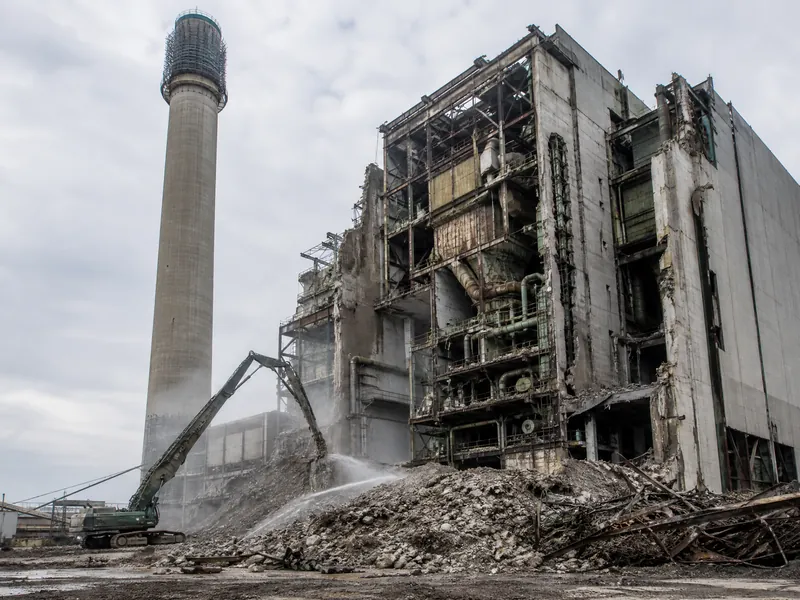
Our crews deploy specialized heavy machinery to safely bring down massive steel frameworks and concrete silos. Navigating the unique logistical challenges of Burlington and Rutland, we engineer teardowns that minimize disruption to surrounding operations. Every project integrates comprehensive hazard mitigation and strategic asset recovery to optimize your project budget. We focus on methodical deconstruction techniques that prepare your industrial real estate for its next phase of development.
The work
Tearing Down Regional Manufacturing Infrastructure
Dismantling regional manufacturing plants in Vermont demands a calculated approach to structural engineering and heavy equipment operation. Our crews systematically deconstruct sprawling factory floors, overhead crane systems, and reinforced concrete foundations. We deploy high-reach excavators equipped with hydraulic shears to slice through heavy steel beams and thick industrial piping. Before any structural weakening begins, our engineers analyze load-bearing elements to ensure controlled collapses that protect adjacent structures. The removal of complex manufacturing lines often involves navigating tight clearances and managing hazardous materials embedded in older facilities. By coordinating closely with the Vermont DEC, we ensure all environmental protocols are strictly followed during the teardown process. Our methodical approach allows for the safe extraction of valuable metals and components, which can be credited against project cost. Whether clearing a site in Burlington or Rutland, our heavy demolition capabilities transform obsolete manufacturing footprints into clean, build-ready parcels.
Method and sequence
Removing Retired Power Generation Units
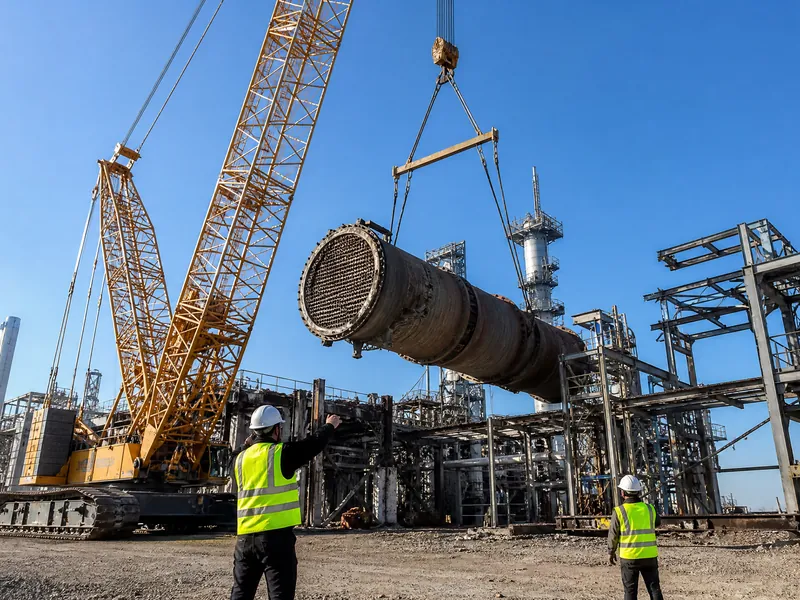
Taking down retired generating units involves managing immense structural weights and intricate mechanical systems. Our heavy demolition teams are equipped to dismantle massive boilers, turbines, and cooling towers found in Vermont's aging power infrastructure. We utilize specialized rigging and heavy-lift cranes to safely lower enormous steel components to the ground for processing. The deconstruction of these facilities requires meticulous planning to handle residual energy sources and complex piping networks. Environmental containment is a critical priority, and we work in alignment with Vermont DEC guidelines to manage the safe removal of industrial byproducts. Our operators expertly maneuver heavy machinery to crush thick concrete containment structures and shear through dense steel reinforcements. Throughout the teardown, we identify high-value alloys and heavy machinery components that offer significant salvage credit. This strategic recovery process reduces net cost while ensuring the site is thoroughly cleared of all power generation remnants.
Local coverage
Cities we work in across Vermont
Hazards and controls
Clearing Food and Beverage Processing Facilities
Demolishing food and beverage processing facilities requires specialized techniques to handle extensive stainless steel infrastructure and complex refrigeration systems. Our crews dismantle massive storage tanks, intricate conveyor networks, and heavy-duty processing equipment with precision. We deploy advanced cutting technologies to segment large vessels and thick piping, ensuring safe removal from confined industrial spaces. The teardown process often involves managing specialized insulation and industrial coolants, requiring strict adherence to environmental safety standards. We systematically strip out electrical panels, motor control centers, and heavy-duty pumps before addressing the main structural elements. Our heavy equipment operators carefully bring down reinforced concrete walls and specialized flooring systems designed for heavy washdowns. By recovering valuable stainless steel and industrial machinery, we provide a salvage credit that significantly offsets the overall demolition expense. Our comprehensive site clearing prepares these specialized industrial properties for complete redevelopment.
Sequence of work
How a project runs, stage by stage
Site walk and survey
We walk the structure with you, review drawings, and record structural condition, live utilities, hazardous materials and salvageable assets before any number is quoted.
Engineering and permits
An engineered demolition plan sets the sequence, exclusion zones and means of collapse. We file local permits and the federal pre-demolition notification, and collect utility isolation sign-offs.
Abatement and pre-clean
Regulated materials come out first under containment with clearance documentation, so the structural phase is never held up by a surprise inside a wall or a pipe chase.
Dismantling and teardown
High-reach machines, shears, torch crews and hand demolition work the sequence top-down or inside-out, with salvage separated as it comes out rather than picked from a mixed pile afterwards.
Processing and haul-off
Steel is sheared and shipped, concrete is crushed for reuse or hauled, and every regulated stream leaves under manifest to a permitted facility.
Grading and closeout
Foundations and slabs come out to the agreed depth, the site is graded and stabilised, and you receive manifests, clearance reports and closeout documentation.
Permits and notification
Dismantling Warehousing and Distribution Centers
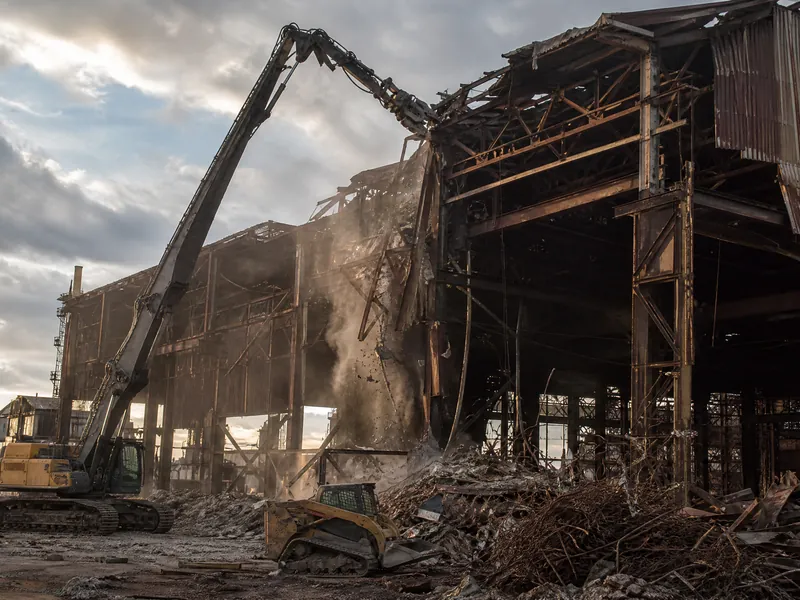
Taking apart massive warehousing and distribution centers involves the rapid and safe removal of expansive steel structures and heavy concrete slabs. Our demolition teams utilize heavy excavators and material handlers to systematically bring down high-bay storage racks and wide-span roof trusses. We tackle the removal of heavy-duty loading docks, automated sorting systems, and extensive electrical infrastructure. The scale of these facilities requires efficient debris management and strategic sorting of materials to maintain project momentum. Our operators expertly crush thick concrete foundations and shear through structural steel columns, preparing the materials for transport. We focus on maximizing the recovery of structural steel and industrial fixtures, which reduces net cost for the facility owner. Whether the distribution center is located near Burlington or Rutland, our heavy demolition methods ensure the site is completely cleared and graded. We deliver a clean slate ready for modern logistics infrastructure or alternative commercial development.
Salvage and recovery
Deconstructing Aggregate and Cement Operations
The demolition of aggregate and cement operations presents unique challenges due to the extreme durability of the structures involved. Our heavy demolition crews tackle massive concrete silos, heavy-duty crushers, and extensive conveyor systems. We deploy specialized hydraulic breakers and concrete pulverizers to systematically reduce thick reinforced concrete into manageable debris. The teardown of these robust facilities requires careful planning to manage dust and mitigate the impact of heavy vibrations on the surrounding environment. Our engineers design controlled demolition sequences to safely bring down towering structures and heavy processing equipment. We expertly dismantle massive kilns and heavy-duty screening plants, ensuring all components are safely lowered and processed. The recovery of heavy industrial metals and specialized machinery components provides a valuable salvage credit that offsets the extensive labor required. Our rigorous approach ensures these heavy industrial sites are thoroughly cleared and stabilized.
Logistics
Executing Complex Industrial Site Preparation
Comprehensive site preparation follows the heavy demolition phase, ensuring the property is fully ready for its next industrial application. Our crews utilize heavy earthmoving equipment to excavate deep foundations, remove subterranean utilities, and grade the expansive terrain. We systematically process concrete rubble on-site, crushing it into reusable aggregate that can be utilized for future construction bases. This efficient material management reduces transportation expenses and supports sustainable site development practices. Our operators expertly backfill massive voids left by subterranean structures, achieving precise compaction standards required for heavy industrial zoning. We coordinate all final grading and site stabilization efforts to meet stringent engineering specifications. Throughout the entire site clearing process, we maintain a strong focus on safety and operational efficiency. By delivering a meticulously prepared site, we enable developers to immediately commence construction on new industrial or commercial ventures.
Common questions
Questions owners and engineers ask
What methods are used to dismantle heavy steel structures?
We utilize high-reach excavators equipped with hydraulic shears to systematically cut through heavy steel beams and columns. Our engineers design controlled dismantling sequences that ensure the safe lowering of massive structural components. We also employ specialized rigging and heavy-lift cranes for the removal of exceptionally large or complex steel assemblies. This methodical approach allows us to safely process the steel for recovery, which is credited against project cost.
How do you handle the removal of subterranean industrial foundations?
Our crews deploy heavy excavators with hydraulic breakers to fracture and remove thick reinforced concrete foundations. We systematically excavate the surrounding soil to expose deep footings and subterranean utility vaults. The extracted concrete is often crushed on-site using specialized pulverizers, reducing the material into manageable aggregate. This thorough removal process ensures the site is completely cleared of all underground obstructions, preparing it for new construction.
What steps are taken to manage dust during a major teardown?
We implement comprehensive dust suppression systems utilizing high-capacity water cannons and targeted misting equipment. Our operators continuously wet down the demolition zones and debris piles to prevent airborne particulates from spreading. We also establish strategic physical barriers and monitor wind conditions to adjust our suppression tactics dynamically. These rigorous measures ensure we maintain a safe working environment and minimize the impact on surrounding properties.
Are you equipped to demolish facilities with active adjacent operations?
Yes, we engineer highly controlled demolition sequences designed to protect nearby active operations. Our teams utilize precision dismantling techniques rather than explosive methods to minimize vibrations and structural impact. We establish strict exclusion zones and coordinate closely with facility managers to schedule the most disruptive activities during off-peak hours. This careful planning ensures the safe removal of the target structure without interrupting your ongoing business activities.
How is the value of recovered industrial equipment determined?
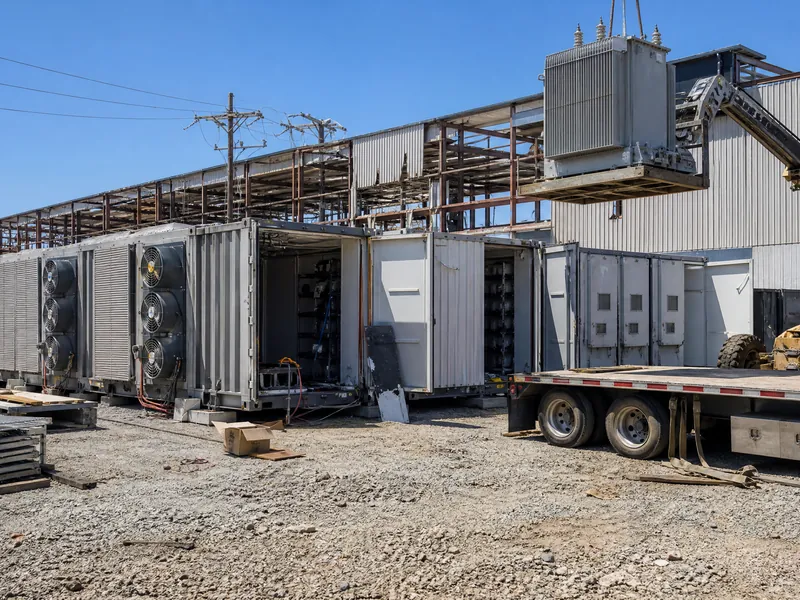
Our specialists evaluate the condition, market demand, and material composition of the recovered industrial equipment and heavy metals. We identify high-value components such as heavy-duty motors, transformers, and specialized alloys during the initial site assessment. The assessed value of these assets is then provided as a salvage credit that directly reduces net cost for the demolition project. This strategic recovery process maximizes the financial return from your obsolete facility.
Ready to price the teardown?
When you need a heavy industrial demolition contractor capable of handling complex teardowns, trust our experienced crews. We deliver safe, efficient, and comprehensive site clearing solutions tailored to your specific facility. Contact us at 954-740-1983 or email electricalequipmentbuyers@gmail.com to discuss your project requirements.