
Overview
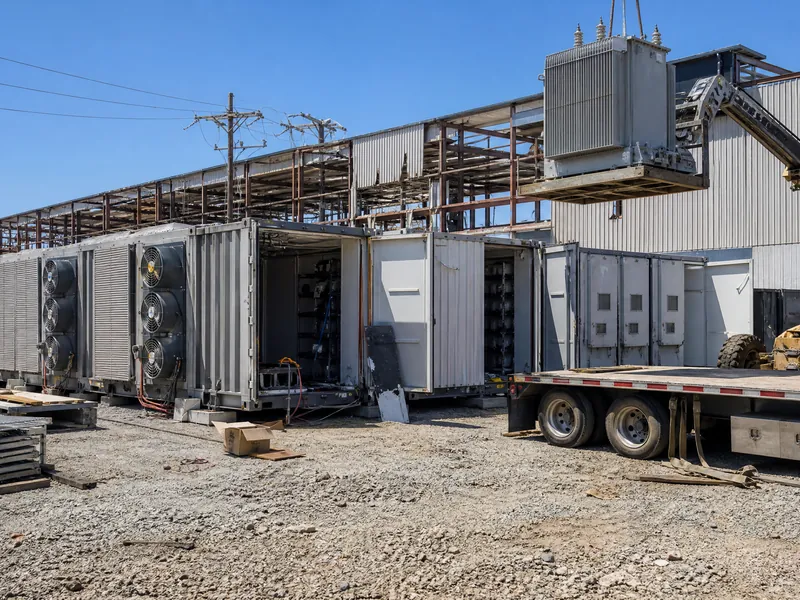
Our operations encompass the entire teardown lifecycle, including hazardous material abatement, structural wrecking, and comprehensive site clearing. We partner with facility owners to safely remove aging infrastructure, managing complex logistical challenges and ensuring strict regulatory compliance throughout the deconstruction process.
The work
Dismantling the Lehigh Valley's Industrial Infrastructure
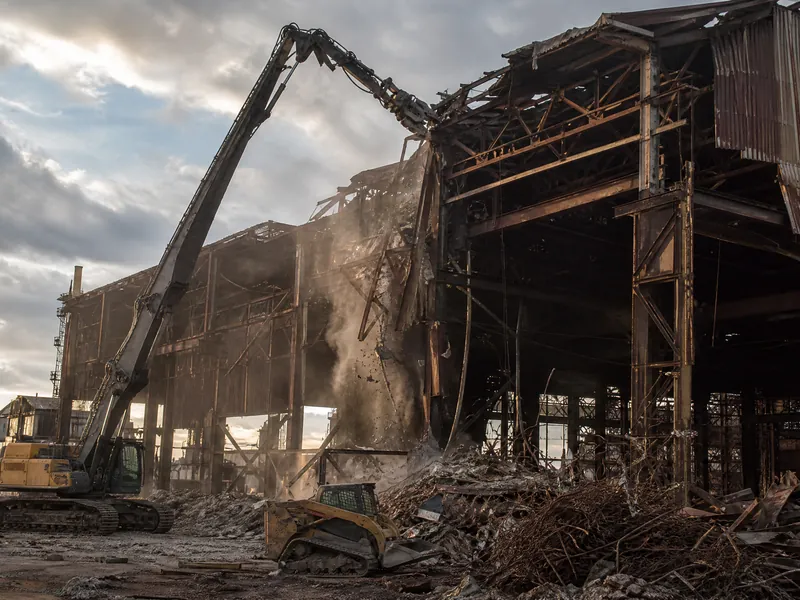
Allentown and the broader Lehigh Valley possess a rich industrial history, characterized by large-scale textile manufacturing, machine shops, and heavy industrial processing facilities. Demolishing these robust structures requires a calculated, engineered approach. We specialize in the deconstruction of multi-story brick and timber mills, heavy steel-framed manufacturing plants, and complex process facilities. The dense urban environment of Allentown often presents significant access constraints, necessitating precise dismantling techniques to protect adjacent properties and active operations.
Our crews utilize a combination of mechanical demolition and controlled dismantling methods. For tall structures and heavy steel frameworks, we deploy high-reach excavators and heavy-duty hydraulic shears. In areas with limited access or where vibration must be minimized, we utilize selective hand demolition and torch cutting. We systematically reduce the structures, carefully managing the flow of debris and maximizing the recovery of recyclable materials, which generates a salvage credit for the client.
Method and sequence
Managing Environmental Remediation and Compliance
The decommissioning of legacy industrial sites in Pennsylvania requires rigorous environmental management. Facilities in Allentown frequently contain hazardous materials such as asbestos insulation, lead-based coatings, and residual industrial chemicals. Prior to any structural wrecking, our specialized teams execute comprehensive abatement procedures. We operate in full compliance with the Pennsylvania DEP and federal NESHAP standards, ensuring all hazardous substances are safely removed and properly disposed of.
Our abatement process includes the establishment of secure containment zones and the use of specialized air filtration systems. We meticulously remove asbestos from piping, boilers, and structural elements. Additionally, we manage the safe extraction and disposal of universal wastes, including fluorescent lighting ballasts and mercury-containing devices. Thorough remediation is essential to protect human health, prevent environmental contamination, and mitigate long-term liability for the facility owner.
Regional coverage
Other Pennsylvania cities we cover
Hazards and controls
Systematic Utility Isolation and Site Securing
Before heavy equipment can be mobilized for the teardown, all site utilities must be systematically isolated and neutralized. Industrial facilities typically house complex networks of high-voltage power, natural gas lines, industrial water systems, and compressed air. We work in close coordination with local utility companies and plant personnel to ensure all energy sources are completely disconnected, locked out, and tagged out.
This critical phase also involves the purging of process piping and the safe removal of any residual hazardous materials from tanks and vessels. We cap all subterranean utility connections at the property boundary to prevent future issues. Once the site is fully de-energized and secured, we establish safe access routes for our heavy machinery and designate specific areas for material processing and staging, ensuring a safe and efficient workflow.
Permits and notification
Maximizing Asset Recovery and Material Processing
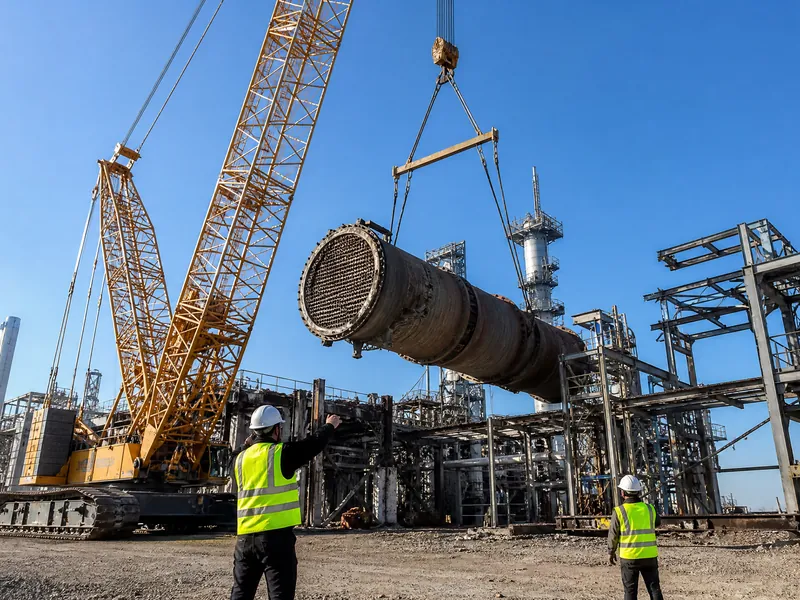
A significant component of our industrial demolition process is the recovery and processing of valuable scrap metals. Allentown's legacy industrial sites often contain large volumes of structural steel, copper wiring, and heavy machinery. Our asset recovery operations are integrated directly into the dismantling sequence to maximize efficiency and value return.
- Heavy structural steel columns and beams
- Copper electrical wire and communication cables
- Industrial process equipment and machinery
- Aluminum siding and structural components
- Large-scale electrical transformers and switchgear
We utilize mobile shears and specialized torch cutting teams to process the recovered metals on-site, preparing them for transport to regional recycling facilities. The value of these recovered materials is calculated based on current commodity markets and is applied as a salvage credit, which offsets the total net cost of the decommissioning project.
Salvage and recovery
Navigating Regional Logistics and Final Site Restoration
Executing large-scale demolition projects in Allentown requires strategic logistical planning. We utilize the region's extensive highway network to efficiently transport heavy equipment and processed materials. We coordinate closely with local municipalities to manage traffic flow and minimize the impact of our operations on the surrounding community. Our service area extends throughout the region, including sibling cities like Bethlehem, Reading, and Philadelphia.
Following the completion of the structural teardown, our focus shifts to site restoration. We typically process clean concrete and masonry debris on-site using mobile crushers, creating a reusable aggregate. This material is used to backfill excavations and grade the site to the client's specifications. We provide a complete closeout package, including all environmental documentation, disposal manifests, and permits, ensuring the site is fully cleared and prepared for future development.
Capabilities
Abatement, remediation and recovery
Common questions
Questions owners and engineers ask
What is the process for handling asbestos during a teardown?
Asbestos abatement is completed before any structural demolition begins. Our certified crews remove all asbestos-containing materials under strict containment protocols, complying with Pennsylvania DEP and federal NESHAP regulations. The materials are then securely packaged and transported to licensed disposal facilities.
How does the salvage credit impact the overall project cost?
During the dismantling process, we recover valuable scrap metals such as steel and copper. The market value of these materials is calculated and applied as a salvage credit. This credit directly offsets the gross cost of the demolition, resulting in a lower net cost for the client.
Who manages the disconnection of site utilities?
We coordinate the complete isolation and de-energization of all site utilities. We work with local utility providers to ensure power, gas, and water are safely disconnected and capped at the property line before any wrecking activities commence, ensuring a safe work environment.
Do you handle the removal of concrete foundations?
Yes, we have the heavy equipment necessary to remove massive concrete foundations, machine pits, and slabs. We often crush this concrete on-site to create a reusable aggregate, which can be used to backfill voids and grade the site, providing a cost-effective solution for site restoration.
What documentation is provided at the end of the project?
Upon completion, we provide a comprehensive closeout package. This includes all required permits, environmental abatement records, hazardous waste disposal manifests, and documentation of recycled materials. This ensures you have a complete record of regulatory compliance and site clearance.
Ready to price the teardown?
Industrial Demolition USA is equipped to handle the most complex industrial dismantling projects in Allentown. We back our work with extensive experience and specialized equipment. Call us at 954-740-1983 or email electricalequipmentbuyers@gmail.com to schedule a site evaluation.