
Overview
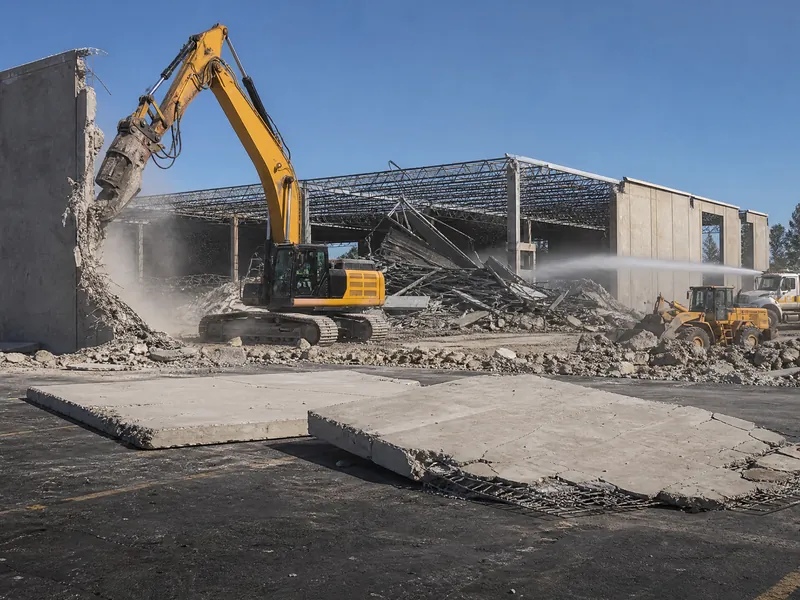
Our experienced crews manage every phase of the project, from initial environmental remediation and abatement to structural dismantling and final site clearing. We serve major industrial hubs including Salt Lake City and Ogden, delivering engineered wrecking solutions tailored to the unique demands of heavy industry. By integrating asset recovery into our demolition process, we maximize salvage value while ensuring strict adherence to safety and schedule requirements.
The work
Dismantling Regional Manufacturing Infrastructure
Utah's diverse industrial sector includes numerous manufacturing facilities that require specialized teardown services when they become obsolete. Industrial Demolition USA approaches these projects with a comprehensive strategy for systematic deconstruction. We start by isolating all hazardous energy sources and purging process piping to create a safe environment for our crews. Utilizing advanced equipment, including high-reach excavators and hydraulic shears, we carefully dismantle structural steel frameworks and heavy machinery. Our methods are designed to control dust and noise, minimizing the impact on surrounding properties and active operations.
Asset recovery is a central component of our manufacturing plant demolition strategy. We meticulously sort and process metals, applying the recovered value as a salvage credit to reduce the client's net cost. Our environmental remediation teams handle the safe removal of any hazardous materials, ensuring compliance with state and federal regulations. We coordinate closely with facility managers to execute the wrecking process efficiently, providing a clean, graded site ready for new industrial development or commercial use.
Method and sequence
Decommissioning Retired Generating Units
The retirement of power generation facilities in Utah demands precise engineering and heavy-duty demolition capabilities. We have extensive experience dismantling coal-fired plants, natural gas facilities, and associated utility infrastructure. Our approach involves engineered collapse techniques and controlled wrecking to safely bring down massive structures such as boilers, cooling towers, and turbine halls. The scale of these projects requires specialized rigging and heavy lifting equipment to process thick concrete and heavy steel components safely and efficiently.
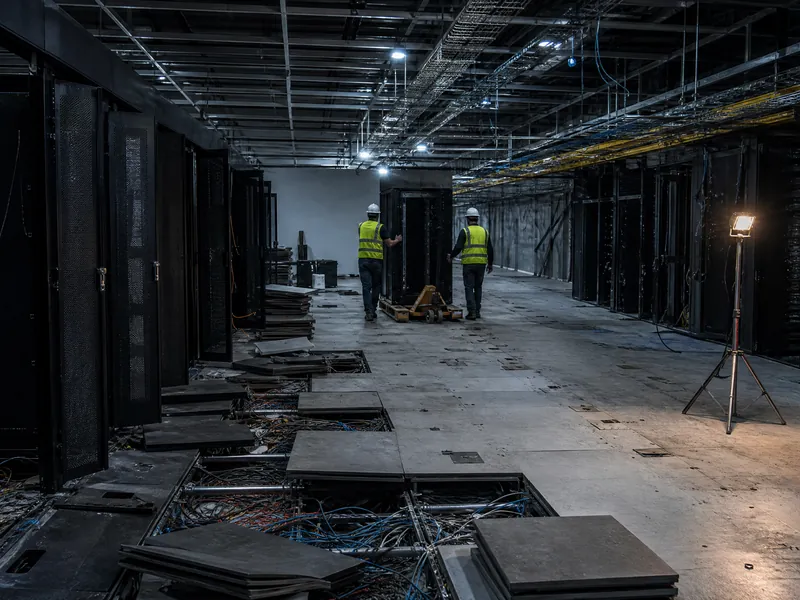
During the decommissioning of generating units, we focus heavily on asset recovery to maximize the financial return for our clients. We extract high-value materials, including transformers, copper cabling, and specialized alloys, which offset the overall cost of the demolition. Our teams navigate the complex regulatory requirements associated with power plant teardowns, ensuring all environmental permits and notifications are secured. We manage the entire lifecycle of the project, from the initial structural assessment to the final site clearing and grading.
Local coverage
Cities we work in across Utah
Hazards and controls
Food and Beverage Processing Facility Teardowns
Demolishing food and beverage processing plants involves unique challenges, particularly concerning the complex networks of specialized equipment and refrigeration systems. Industrial Demolition USA employs precise dismantling techniques to safely remove stainless steel tanks, silos, and process piping. We often work in constrained environments, utilizing cold cutting methods to prevent fire hazards and protect the structural integrity of adjacent facilities. Our crews are highly trained in navigating the intricate layouts typical of these processing plants.
Environmental compliance is a critical aspect of decommissioning food processing facilities. We manage the safe removal and disposal of hazardous materials, including ammonia from refrigeration systems and residual biological waste. Our abatement teams work in strict accordance with the Utah DEQ regulations to ensure all contaminants are properly handled. By carefully executing the deconstruction process, we help facility owners mitigate liability and prepare their properties for future industrial applications or complete redevelopment.
Sequence of work
How a project runs, stage by stage
Site walk and survey
We walk the structure with you, review drawings, and record structural condition, live utilities, hazardous materials and salvageable assets before any number is quoted.
Engineering and permits
An engineered demolition plan sets the sequence, exclusion zones and means of collapse. We file local permits and the federal pre-demolition notification, and collect utility isolation sign-offs.
Abatement and pre-clean
Regulated materials come out first under containment with clearance documentation, so the structural phase is never held up by a surprise inside a wall or a pipe chase.
Dismantling and teardown
High-reach machines, shears, torch crews and hand demolition work the sequence top-down or inside-out, with salvage separated as it comes out rather than picked from a mixed pile afterwards.
Processing and haul-off
Steel is sheared and shipped, concrete is crushed for reuse or hauled, and every regulated stream leaves under manifest to a permitted facility.
Grading and closeout
Foundations and slabs come out to the agreed depth, the site is graded and stabilised, and you receive manifests, clearance reports and closeout documentation.
Permits and notification
Wrecking Aggregate and Cement Operations
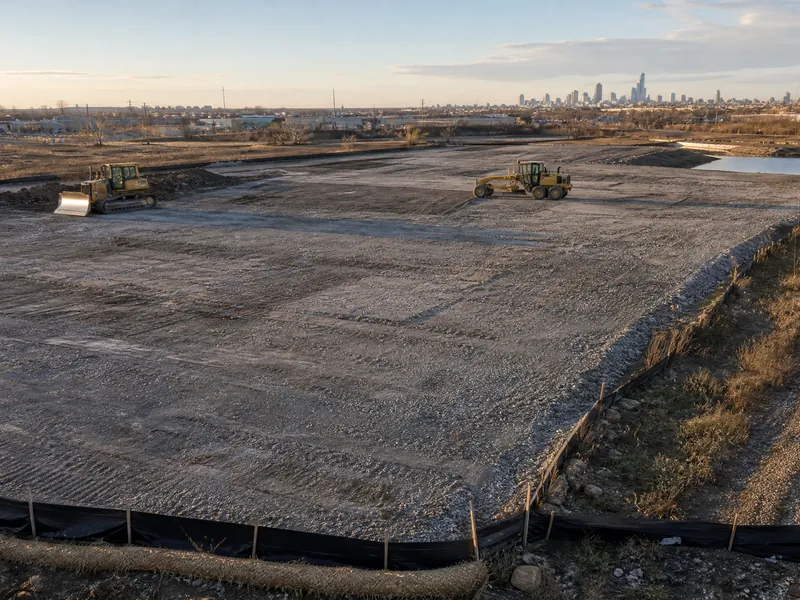
The robust structures found in aggregate and cement operations require heavy-duty demolition techniques for effective removal. Industrial Demolition USA is equipped to handle the teardown of massive silos, kilns, crushers, and extensive conveyor systems across Utah. We utilize large-scale concrete crushing attachments to process thick foundations and structural supports, reducing the debris to manageable sizes for recycling or on-site reuse. Our high-reach excavators are crucial for safely dismantling tall, reinforced concrete structures.
Logistics play a significant role in the demolition of these often remote facilities. We coordinate the transportation of heavy equipment and the removal of large volumes of scrap metal and debris. Our asset recovery program ensures that valuable metals and reusable machinery are extracted, providing a financial credit that offsets the demolition costs. We also manage the environmental remediation of the site, addressing issues such as dust control and soil stabilization, to leave the property in a safe and compliant condition.
Salvage and recovery
Navigating Utah Environmental Regulations
Compliance with environmental regulations is fundamental to our demolition operations in Utah. We work closely with the Utah Department of Environmental Quality (DEQ) to ensure that all projects meet state and federal standards. This includes managing the required NESHAP notifications for asbestos abatement and securing the necessary permits for structural wrecking and hazardous material removal. Our team handles all regulatory correspondence, ensuring that the project proceeds without delays caused by compliance issues.
We provide our clients with comprehensive documentation throughout the project, including waste disposal manifests, air monitoring logs, and final site closure reports. This meticulous record-keeping protects our clients from future liability and demonstrates our commitment to environmental stewardship. Our safety protocols are rigorously enforced on every site, protecting our personnel, the public, and the environment during complex deconstruction and remediation activities.
Common questions
Questions owners and engineers ask
What steps are taken to manage dust during a large-scale demolition?
We employ comprehensive dust control measures, including high-volume water misting systems and localized suppression at the point of demolition. This minimizes airborne particulates during structural wrecking and concrete crushing, ensuring compliance with Utah DEQ air quality standards and protecting neighboring properties.
How do you handle the removal of underground storage tanks?
Our environmental remediation teams manage the complete extraction of underground storage tanks (USTs). We handle the pumping and disposal of residual liquids, excavate and remove the tanks, and conduct soil sampling to ensure no contamination remains, providing all necessary documentation for regulatory closure.
Can you dismantle equipment while adjacent operations continue?
Yes, we specialize in selective dismantling within active facilities. We implement strict physical barriers, vibration monitoring, and negative air pressure systems to isolate our work zones. This allows us to safely execute the teardown without disrupting your ongoing manufacturing or processing operations.
What happens to the concrete and masonry debris generated?
Whenever possible, we utilize mobile crushing equipment to process concrete and masonry debris directly on-site. This crushed material can be repurposed as structural fill or base material for future construction, reducing disposal costs and minimizing the environmental impact of the demolition project.
How is the timeline for a complex industrial teardown determined?
The project schedule is developed during our initial engineering survey, factoring in the scale of the structures, required hazardous material abatement, utility isolation, and specific site constraints. We provide a detailed critical path schedule and commit to executing the deconstruction safely and efficiently within that timeframe.
Ready to price the teardown?
Industrial Demolition USA provides the heavy equipment and engineering expertise required for complex industrial dismantling in Utah. Reach out to our team to discuss your facility decommissioning needs. Call 954-740-1983 or email electricalequipmentbuyers@gmail.com to schedule a comprehensive site evaluation.