
Overview
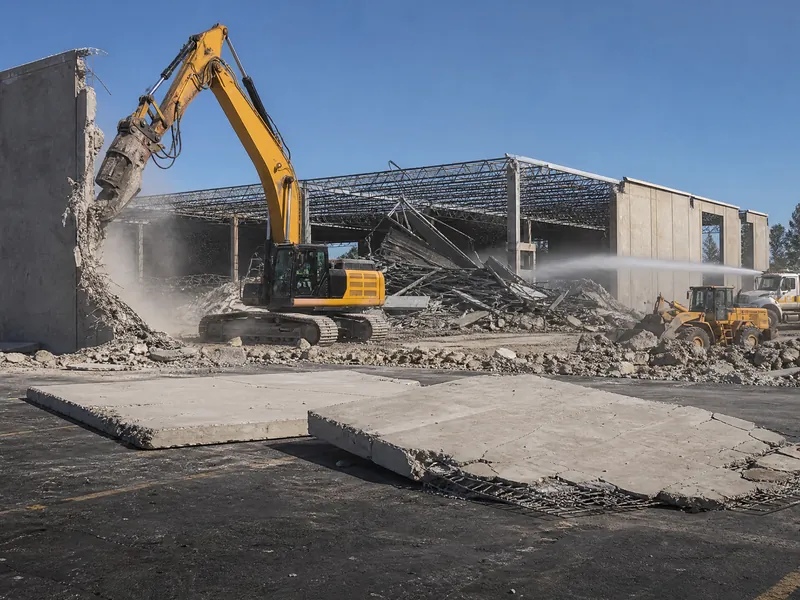
We manage the entire deconstruction lifecycle, transitioning your facility from an active operational state to a fully cleared and graded site. Our process begins with thorough hazard abatement, utility isolation, and the purging of process lines, ensuring a safe environment for structural teardown. We utilize advanced mechanical wrecking techniques to dismantle complex infrastructure, from towering smokestacks to intricate piping networks. By maximizing asset recovery and scrap metal salvage throughout the demolition process, we generate significant salvage credit to offset your net project costs while delivering a safe, turnkey decommissioning solution.
The work
Systematic Facility Deactivation and Utility Isolation
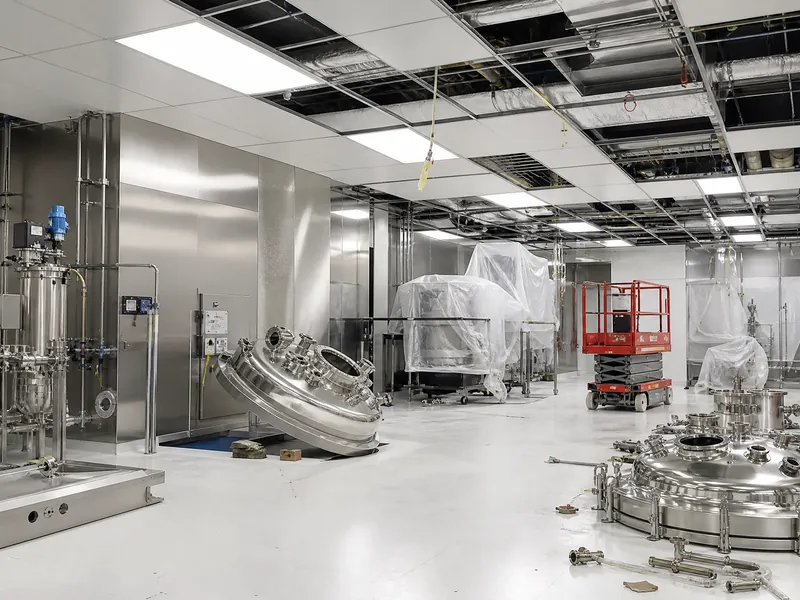
The first critical phase of plant decommissioning involves the systematic deactivation of all facility systems and the isolation of hazardous energy sources. Our crews work closely with plant engineers to identify and safely disconnect high-voltage electrical feeds, high-pressure steam lines, and complex hydraulic systems. We implement rigorous lock-out/tag-out procedures to ensure that all utilities are completely de-energized before any dismantling work begins.
In addition to electrical and mechanical isolation, we perform comprehensive purging and cleaning of process piping, storage tanks, and chemical lines. This ensures that no residual hazardous materials remain within the systems during the teardown phase. Proper deactivation is essential for protecting our demolition crews and preventing environmental contamination. By meticulously managing the transition from an active plant to a safe deconstruction zone, we lay the groundwork for a highly controlled and efficient wrecking operation.
Method and sequence
Environmental Remediation and Hazard Abatement
Industrial plants often contain legacy environmental hazards that must be addressed prior to structural demolition. Our specialized abatement teams are trained to safely remove asbestos-containing materials, lead-based paints, and heavy metal contaminants found in older facilities. We conduct thorough environmental remediation, addressing contaminated soils, neutralizing chemical storage areas, and ensuring that all hazardous waste is properly packaged, manifested, and transported to licensed disposal facilities.
We strictly adhere to all federal and state environmental regulations, including NESHAP notification requirements for asbestos removal. Throughout the abatement process, we establish negative pressure enclosures and utilize advanced air monitoring to prevent the release of airborne contaminants. By fully mitigating these environmental liabilities upfront, we protect the surrounding community and ensure that the subsequent structural deconstruction can proceed without regulatory delays or safety incidents.
More scope we cover
Related demolition service lines
Refinery Demolition
Industrial Demolition USA provides comprehensive refinery demolition and dismantling services for retired…
Chemical Plant Demolition
Industrial Demolition USA executes complex chemical plant demolition and decommissioning projects for the heavy…
Paper Mill Demolition
Industrial Demolition USA provides comprehensive paper mill demolition and decommissioning services for retired…
Hazards and controls
Heavy Structural Dismantling and Mechanical Wrecking
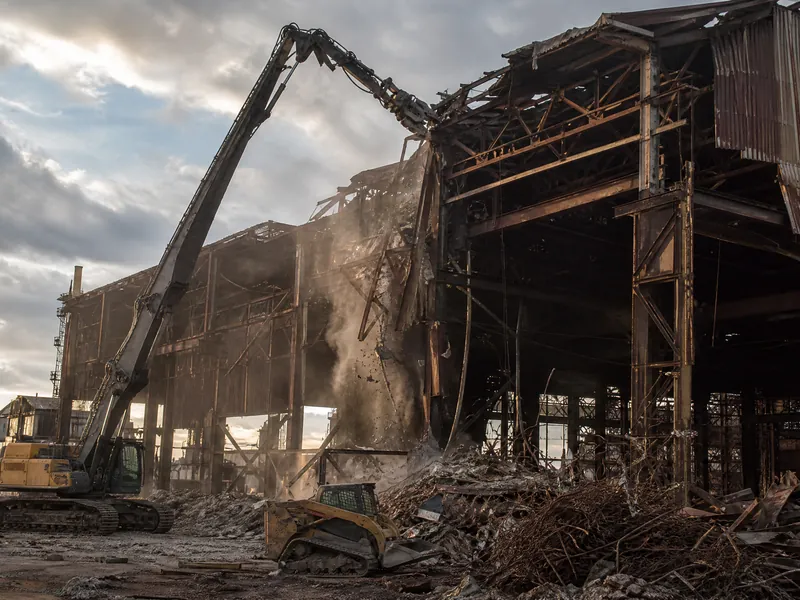
Once the facility is safe and isolated, we commence the heavy structural dismantling phase using our fleet of specialized demolition equipment. Our operators utilize high-reach excavators equipped with hydraulic shears, grapples, and pulverizers to systematically deconstruct steel-framed buildings, concrete silos, and heavy processing equipment. We employ a top-down dismantling approach, carefully cutting and lowering structural members to the ground in a controlled manner.
For complex or highly elevated structures, such as boiler houses or distillation columns, we integrate heavy lift cranes and specialized rigging to safely remove large components. When mechanical wrecking is not feasible due to height or proximity to active operations, we may utilize engineered collapse techniques or precision torch cutting. Our extensive experience in heavy industrial teardowns allows us to adapt our methods to the specific structural challenges of your plant, ensuring safe and efficient removal.
Sequence of work
How a project runs, stage by stage
Site walk and survey
We walk the structure with you, review drawings, and record structural condition, live utilities, hazardous materials and salvageable assets before any number is quoted.
Engineering and permits
An engineered demolition plan sets the sequence, exclusion zones and means of collapse. We file local permits and the federal pre-demolition notification, and collect utility isolation sign-offs.
Abatement and pre-clean
Regulated materials come out first under containment with clearance documentation, so the structural phase is never held up by a surprise inside a wall or a pipe chase.
Dismantling and teardown
High-reach machines, shears, torch crews and hand demolition work the sequence top-down or inside-out, with salvage separated as it comes out rather than picked from a mixed pile afterwards.
Processing and haul-off
Steel is sheared and shipped, concrete is crushed for reuse or hauled, and every regulated stream leaves under manifest to a permitted facility.
Grading and closeout
Foundations and slabs come out to the agreed depth, the site is graded and stabilised, and you receive manifests, clearance reports and closeout documentation.
Permits and notification
Asset Recovery and Scrap Metal Salvage
A major component of our plant decommissioning process is the aggressive recovery of valuable assets and scrap metal. Industrial facilities contain massive quantities of recyclable materials, including heavy structural steel, copper wiring, stainless steel piping, and specialized alloys. We strategically dismantle the plant to preserve the value of these materials, using mobile shears to process steel and non-ferrous metals into optimal sizes for transport and recycling.
The value generated from this scrap metal salvage is applied directly as a credit against your overall decommissioning costs. This asset recovery strategy significantly reduces the net financial burden of retiring a facility. We handle all logistics, from on-site material segregation and loading to coordinating with major recycling mills. By diverting thousands of tons of material from landfills, our salvage operations also support your company's sustainability and environmental stewardship goals.
Salvage and recovery
Concrete Crushing and Final Site Grading
The final phase of plant decommissioning involves the removal of massive concrete foundations, retaining walls, and subterranean infrastructure. We utilize heavy excavators with hydraulic hammers to break apart heavily reinforced concrete pads and machine bases. Once the concrete is fractured, we deploy mobile crushing plants to process the material directly on-site, producing a clean, reusable aggregate.
This crushed concrete is typically used to backfill basements, utility trenches, and other voids left by the demolition process. By repurposing the material on-site, we eliminate the high costs and environmental impact associated with hauling debris away and importing new fill dirt. After all structures are removed and voids are filled, we perform final site grading to ensure proper drainage and prepare the land for its next phase of development, providing you with a clean, stable, and fully documented site.
In-house trades
Capabilities that run alongside this work
Coverage
Where we take on this work
Common questions
Questions owners and engineers ask
How do you handle the decommissioning of plants that are partially operational?
We frequently perform selective demolition and decommissioning within active industrial complexes. We establish strict exclusion zones, erect dust and noise barriers, and coordinate closely with your facility managers to ensure our wrecking activities do not disrupt ongoing operations. Our utility isolation procedures are meticulously planned to separate the decommissioned areas from the active plant, ensuring the safety of your personnel and the continuity of your business.
What is the process for removing hazardous chemicals from process lines?
Before any structural dismantling begins, our specialized teams purge, flush, and clean all process piping, storage tanks, and chemical lines. We neutralize residual chemicals and safely capture all fluids for proper disposal. This critical hazard abatement step ensures that our demolition crews can safely cut and remove the infrastructure without risk of chemical exposure or environmental contamination during the teardown.
How is the salvage credit calculated for our decommissioned plant?
During the planning phase, we evaluate the quantity and quality of recoverable metals, such as structural steel, copper, and stainless steel, present in your facility. We estimate the current market value of these materials and apply it as a direct salvage credit against the total cost of the demolition project. As we process and transport the scrap metal, we provide transparent documentation of the recovered weights and values.
Do you remove underground utilities and foundations during decommissioning?
Yes, complete plant decommissioning typically includes the removal of subterranean infrastructure. We excavate and remove underground storage tanks, utility vaults, and heavily reinforced concrete foundations. We use hydraulic hammers to break up the concrete and mobile crushers to process it on-site. The resulting crushed concrete is then used to backfill the excavated areas, leaving the site level and ready for future use.
What documentation is provided at the end of the decommissioning project?
Upon completion of the teardown, we provide a comprehensive closeout package. This includes all environmental abatement records, hazardous waste disposal manifests, scrap metal recycling receipts, and final grading surveys. We also supply documentation proving that all necessary permits were closed and regulatory notifications were satisfied, giving you a complete, legally sound record of the facility's safe and compliant retirement.
Ready to price the teardown?
Industrial Demolition USA delivers turnkey plant decommissioning services, managing every detail from utility isolation and hazard abatement to heavy structural dismantling and final grading. Our integrated approach to asset recovery ensures you receive maximum salvage credit to offset your project costs. Contact us at 954-740-1983 or email electricalequipmentbuyers@gmail.com to discuss your facility teardown and schedule a comprehensive site evaluation.