
Overview
We manage the entire deconstruction sequence, from initial abatement and equipment removal to the final structural teardown and site grading. Our crews are experienced in navigating the complex regulatory landscape associated with active and inactive pharmaceutical sites, ensuring that all work is performed safely and in compliance with federal and state requirements. We work closely with facility owners to execute the teardown efficiently, minimizing disruption to any adjacent active operations while maximizing the recovery of valuable materials.
The work
Specialized Process Equipment Dismantling and Removal
The dismantling of a pharmaceutical plant begins with the careful removal of specialized process equipment. This includes bioreactors, centrifuges, mixing vessels, cleanroom infrastructure, and extensive stainless steel piping networks. Our crews utilize precision dismantling techniques to safely disconnect and extract these components without compromising the structural integrity of the surrounding facility. We understand the complexities of working within confined spaces, employing specialized rigging to navigate tight clearances.
The removal process is meticulously planned to ensure that all equipment is handled according to strict safety protocols. Before any dismantling occurs, our team verifies that all systems have been properly depressurized, drained, and purged of any residual chemicals. This critical step protects our workers and prevents environmental contamination during the teardown. By systematically deconstructing the process lines, we prepare the facility for the heavier phases of structural demolition while segregating high-value metals for salvage credit.
Method and sequence
Environmental Remediation and Hazardous Material Abatement
Pharmaceutical facilities often contain a variety of hazardous materials that must be addressed prior to structural demolition. Our comprehensive abatement services include the identification, containment, and removal of asbestos-containing materials, lead-based paints, and residual chemical contaminants. We work in coordination with certified environmental hygienists to develop a detailed remediation plan that complies with all regulatory standards, including NESHAP notification requirements.
The abatement process is executed with rigorous containment measures, utilizing negative air pressure enclosures and specialized filtration systems to prevent the release of airborne particulates. Our trained personnel wear appropriate personal protective equipment and follow strict decontamination procedures. Once the hazardous materials have been safely removed and manifested for proper disposal, the facility is cleared for the next phase of deconstruction. This thorough approach ensures that the site is safe for our demolition crews and mitigates liability for the property owner.
More scope we cover
Related demolition service lines
Data Center Decommissioning
Industrial Demolition USA is hired to perform comprehensive data center decommissioning, dismantling, and…
Data Center Demolition
Industrial Demolition USA executes the complete demolition, dismantling, and decommissioning of enterprise data…
Bitcoin Mining Facility Demolition
Industrial Demolition USA delivers comprehensive demolition, dismantling, and decommissioning services for…
Hazards and controls
Utility Isolation and System De-energization
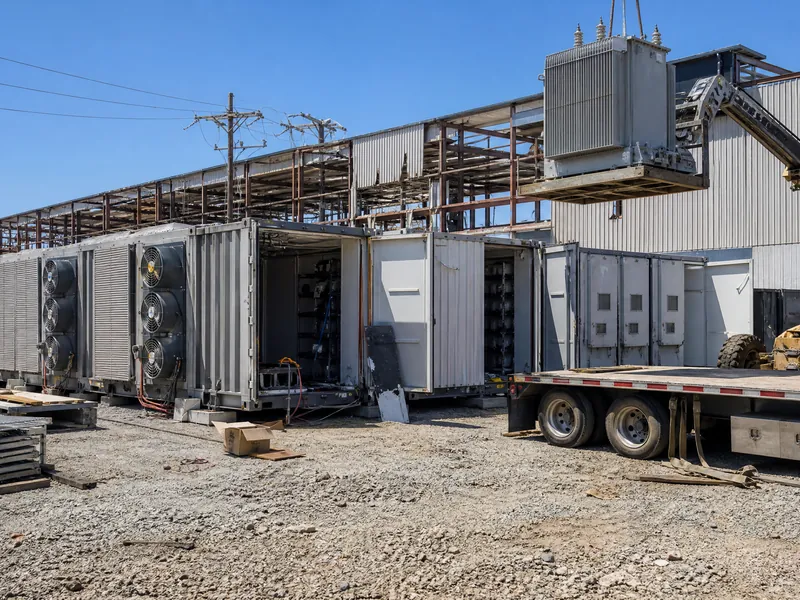
A critical component of pharmaceutical plant decommissioning is the systematic isolation and de-energization of all facility utilities. These plants are supported by complex networks of electrical, mechanical, and HVAC systems that must be safely neutralized before heavy wrecking can commence. Our team coordinates with local utility providers and facility engineers to perform comprehensive lock-out/tag-out procedures on all incoming power feeds, chilled water loops, steam lines, and compressed air systems.
We meticulously trace and verify the disconnection of every utility line, ensuring that there are no live systems remaining within the demolition zone. This process often involves the removal of large-scale transformers, switchgear, and backup generators. By systematically neutralizing the facility's infrastructure, we eliminate the risk of accidental electrocution, fires, or pressurized releases during the structural teardown. Proper utility isolation dictates the safety and efficiency of the entire demolition project.
Sequence of work
How a project runs, stage by stage
Site walk and survey
We walk the structure with you, review drawings, and record structural condition, live utilities, hazardous materials and salvageable assets before any number is quoted.
Engineering and permits
An engineered demolition plan sets the sequence, exclusion zones and means of collapse. We file local permits and the federal pre-demolition notification, and collect utility isolation sign-offs.
Abatement and pre-clean
Regulated materials come out first under containment with clearance documentation, so the structural phase is never held up by a surprise inside a wall or a pipe chase.
Dismantling and teardown
High-reach machines, shears, torch crews and hand demolition work the sequence top-down or inside-out, with salvage separated as it comes out rather than picked from a mixed pile afterwards.
Processing and haul-off
Steel is sheared and shipped, concrete is crushed for reuse or hauled, and every regulated stream leaves under manifest to a permitted facility.
Grading and closeout
Foundations and slabs come out to the agreed depth, the site is graded and stabilised, and you receive manifests, clearance reports and closeout documentation.
Permits and notification
Structural Teardown and Heavy Wrecking Operations
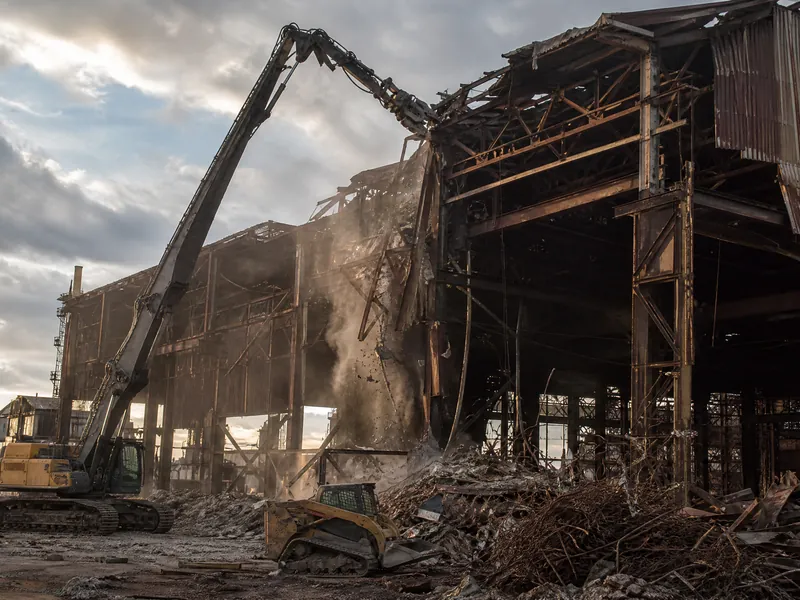
Once the interior has been cleared of equipment and hazardous materials, we proceed with the structural teardown of the pharmaceutical plant. Our heavy wrecking operations utilize a fleet of specialized demolition excavators equipped with hydraulic shears, grapples, and concrete pulverizers. We employ controlled demolition techniques to systematically bring down the building's superstructure, whether it consists of structural steel framing, reinforced concrete, or masonry walls.
The sequence of the teardown is engineered to maintain stability and control the direction of the collapse. For multi-story facilities, we often utilize high-reach excavators to safely dismantle the upper levels before addressing the lower structures. Throughout the wrecking process, we implement robust dust suppression measures, utilizing water cannons and misting systems to minimize airborne debris. Our experienced operators work with precision to separate different material streams as the building comes down.
Salvage and recovery
Material Segregation and Asset Recovery Strategies
Maximizing the recovery of valuable materials is a core focus of our pharmaceutical plant demolition services. These facilities contain significant quantities of high-grade stainless steel, copper wiring, aluminum, and heavy structural steel. As the deconstruction progresses, our crews actively segregate these materials, utilizing specialized attachments to shear and process the metals into manageable sizes for transport.
The recovered metals are weighed and processed, and the resulting salvage value is applied as a credit against the overall cost of the demolition project. This approach not only reduces the net cost for the facility owner but also promotes sustainable practices by diverting substantial volumes of material from landfills. We maintain transparent documentation of all recovered assets, providing detailed manifests and weight tickets to ensure accurate accounting of the salvage credit. Our efficient material handling strategies streamline the site clearing process.
Logistics
Final Site Clearing and Project Closeout Documentation
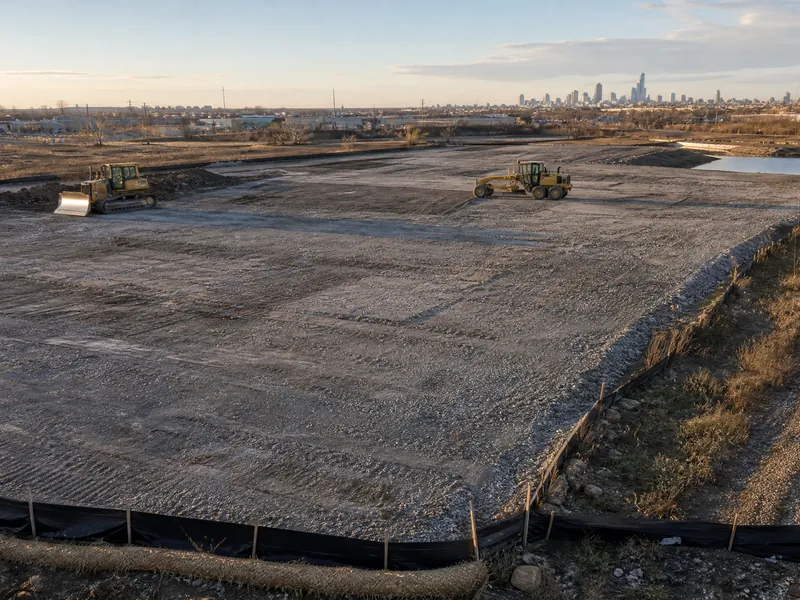
The final phase of the demolition project involves comprehensive site clearing and grading to prepare the property for its next use. We remove all remaining debris, concrete foundations, and subterranean structures, ensuring that the site is left clean and level. Our concrete crushing operations can process the demolished masonry and concrete on-site, creating a reusable aggregate that can be used for backfill or grading purposes.
Upon completion of the physical work, we provide the facility owner with a complete package of closeout documentation. This includes all environmental manifests, disposal receipts, salvage credit accounting, and final grading surveys. We ensure that all regulatory notifications have been properly closed out and that the site meets all local requirements for post-demolition conditions. Our commitment to thorough documentation provides our clients with the assurance that the project has been executed safely and legally.
In-house trades
Capabilities that run alongside this work
Coverage
Where we take on this work
Common questions
Questions owners and engineers ask
How do you handle the removal of cleanroom infrastructure during a teardown?
Cleanroom infrastructure is dismantled systematically to maximize the recovery of valuable materials and prevent contamination. We carefully remove the specialized HVAC systems, HEPA filters, and modular wall panels. The process involves precise cutting and rigging to extract the components safely. We also ensure that any residual chemicals or biological agents are properly neutralized before the physical dismantling begins, protecting both our workers and the environment.
What permits are required for demolishing a pharmaceutical manufacturing facility?
Demolishing a pharmaceutical facility requires a comprehensive set of permits, including local demolition permits, environmental approvals, and utility disconnect authorizations. We also handle the mandatory NESHAP notifications for asbestos abatement. Our team manages the entire permitting process, coordinating with state regulators and local municipalities to ensure that all paperwork is filed and approved before any wrecking activities commence on the site.
How is the salvage credit calculated for the recovered stainless steel and equipment?
The salvage credit is based on the current market value of the recovered materials, such as high-grade stainless steel, copper, and structural steel. As we segregate and process these metals during the deconstruction, we track the weights and apply the corresponding value as a direct offset to your total demolition cost. We provide transparent documentation, including weight tickets and market rate calculations, to ensure accurate accounting.
Can you perform the demolition while adjacent parts of the plant remain operational?
Yes, we frequently perform selective demolition and dismantling within active pharmaceutical campuses. We implement strict isolation protocols, including vibration monitoring, dust containment, and noise control measures, to ensure that our wrecking activities do not disrupt your ongoing operations. Our project managers coordinate closely with your facility team to schedule the most intrusive work during planned downtimes or off-hours.
What happens to the concrete foundations and slabs after the building is removed?
We typically remove all concrete foundations, slabs, and subterranean structures as part of the site clearing process. The demolished concrete can be crushed on-site using our specialized equipment to create a reusable aggregate. This aggregate can then be used to backfill the excavated areas and grade the site, providing a stable and level surface that is ready for future development or immediate turnover.
Ready to price the teardown?
Industrial Demolition USA is ready to manage the complete teardown and decommissioning of your retired pharmaceutical facility. We commit to executing the project safely, efficiently, and in full compliance with all regulatory standards. Contact us today by calling 954-740-1983 or emailing electricalequipmentbuyers@gmail.com to discuss your site requirements and schedule a comprehensive project evaluation.