
Overview
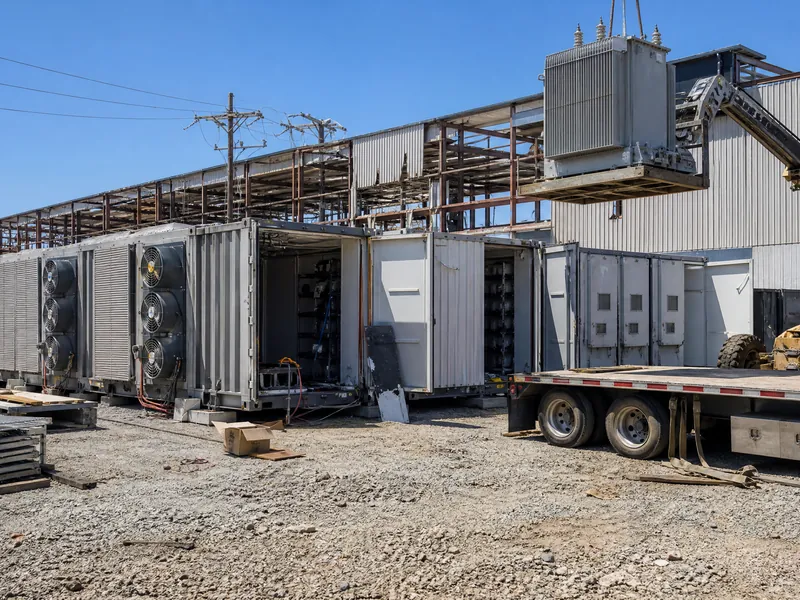
Industrial Demolition USA tears down obsolete manufacturing facilities with methods suited to former tire plants, steel fabrication properties, and aging warehouses tied to the city’s factory economy. We plan around canal-adjacent grades, constrained streets, and neighboring occupied properties. That approach helps owners clear difficult sites without treating Akron like a generic Midwest market.
The work
Rubber District Structural Challenges
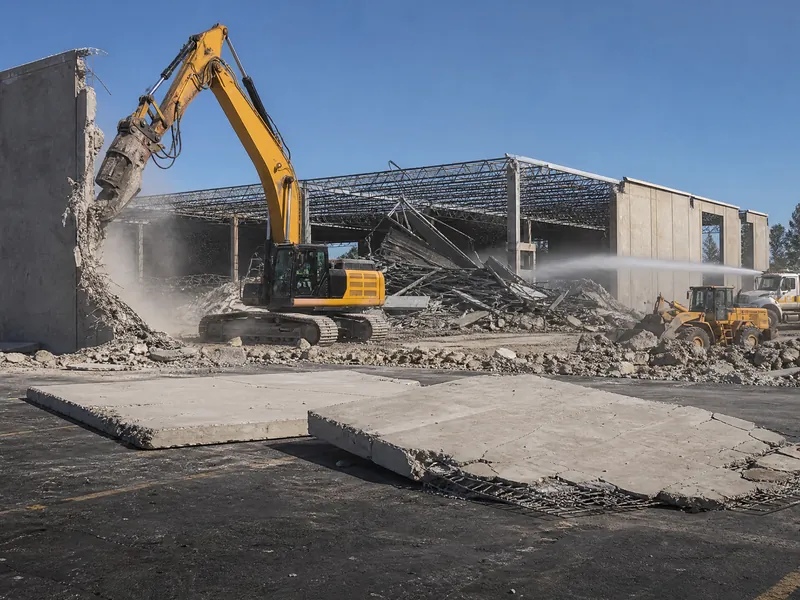
Akron demolition is shaped by the kind of buildings the tire business left behind. Former rubber plants often combine slow-to-break reinforced concrete frames, thick slab floors, heavy roof decks, curing rooms, and long additions built in different eras. One part of a property may be early twentieth-century brick with timber infill, while the next bay is a later steel-framed production hall with deep machine foundations. That mix changes equipment selection, sequencing, and debris handling from the first day on site. Our crews separate takedown work by structure type so smokestacks, boiler houses, elevated conveyors, and multistory production blocks are removed in a controlled order. In Akron, many of these facilities sit close to roads, active businesses, or redevelopment parcels, so laydown space is limited and haul routes matter. A demolition plan that fits a simple warehouse does not fit a former tire complex, and the work has to reflect that reality at every stage.
Method and sequence
Factory Parcels Built For Rail
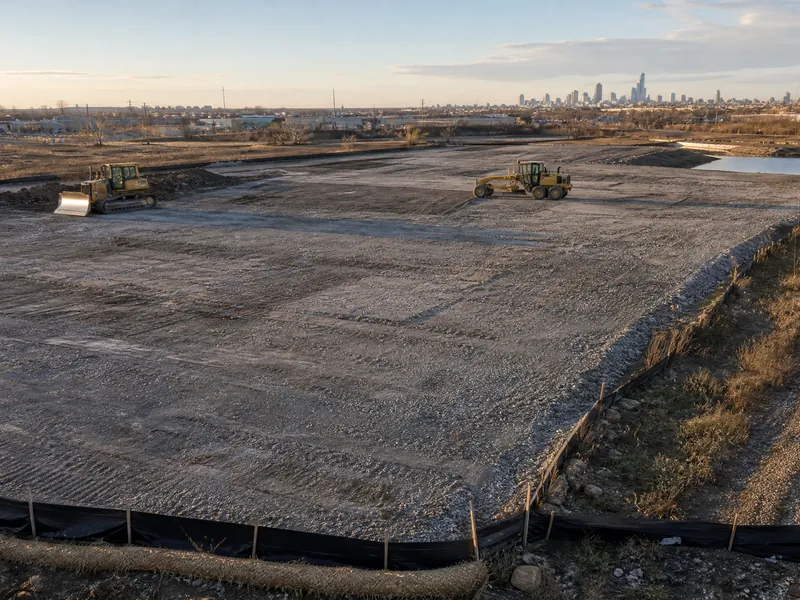
Many heavy industrial sites in Akron were laid out for rail sidings, truck courts, utility corridors, and shipment yards rather than modern access patterns. That history affects how demolition proceeds. A plant may have buried lines crossing old spur tracks, retaining walls along a grade change, or loading areas squeezed between adjoining structures. Properties near the Ohio and Erie Canal corridor and the Little Cuyahoga valley can also present drainage and elevation issues that influence equipment travel, stormwater controls, and material staging. We map the site before production begins so crane pads, excavator travel lanes, and outbound scrap routes do not conflict with unstable pavement or hidden subsurface obstacles. Just as important, we account for the way Akron properties are being repositioned for logistics, smaller manufacturing users, or mixed commercial redevelopment. Owners often need a clean, usable tract rather than a rough knockdown. That means removing slabs, pits, pipe racks, and abandoned utility structures instead of stopping once the walls are down.
Regional coverage
Other Ohio cities we cover
Hazards and controls
Ohio EPA Filing Requirements
A serious Akron demolition job starts with paperwork as well as equipment. Ohio EPA must be addressed early when a former factory, powerhouse, or process building is coming down, especially if regulated materials are present or suspected. Filing with Ohio EPA typically involves submitting demolition or abatement notifications, identifying the site and structure, listing survey findings, defining scheduled start dates, and documenting how regulated waste will be handled and transported. Those filings have to line up with the field plan, because schedule changes, added abatement areas, or revised waste handling can affect compliance. We coordinate surveys, notification timing, and removal sequencing so the project is ready before structural dismantling starts. Older Akron buildings connected to tire production or steel fabrication frequently contain insulation, coatings, and residue from long industrial use, which means environmental preparation cannot be treated as an afterthought. When Ohio EPA expectations are built into the schedule from day one, the job moves more cleanly and with fewer surprises.
Permits and notification
Heavy Foundations And Press Pits
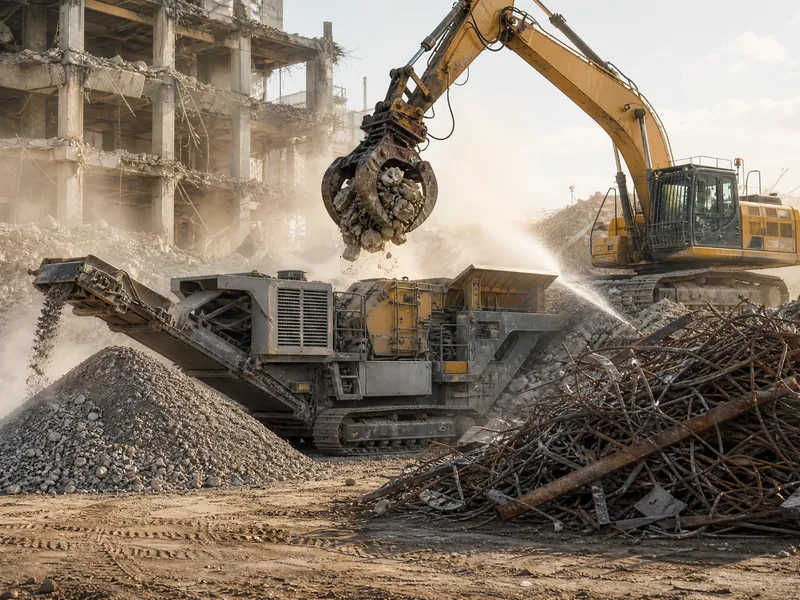
What remains below grade is often the cost driver on Akron factory sites. Tire plants, stamping areas, and bearing or fabrication spaces were built around machinery that demanded thick foundations, isolated pedestals, trench drains, and deep press pits. Removing that work takes more than breaking a surface slab. Our operators use large excavators, hydraulic hammers, processors, and selective digging methods to expose and remove buried concrete, embedded steel, and redundant utility vaults without losing control of the site. Where practical, concrete is separated for crushing and reuse as engineered fill or haul-road material, which can reduce disposal demand and keep the project moving. We also look at how below-grade removal ties to the owner’s next use. If the Akron parcel is headed for a new warehouse, light industrial building, or parking field, hidden obstructions cannot be left to the next contractor. A complete scope means the site is not only demolished above grade but genuinely buildable afterward.
Salvage and recovery
Steel Recovery That Lowers Cost
Akron facilities tied to the Rust Belt steel and auto economy often contain recoverable structural steel, process piping, equipment supports, and heavy nonferrous components. That material does not change the need for safe demolition, but it does affect project economics when handled correctly. We dismantle and sort salvageable metal during production so it can be weighed, shipped, and applied as a salvage credit against the contract amount. On former tire properties, that may include roof steel, mezzanine framing, tanks, ductwork, and obsolete production lines. On broader Northeast Ohio industrial sites, it can extend to crane beams, fabrication supports, and steel from later plant expansions. The key is sequencing recovery without slowing critical path demolition or creating unsafe interference between processing crews and primary equipment. Salvage is part of the method, not a side activity. When metal value is documented and credited against project cost, owners get a clearer picture of net demolition expense while the site is still moving toward final clearance.
Logistics
Preparing Akron Sites For Reuse
Industrial demolition in Akron is closely tied to redevelopment pressure. Some properties sit near downtown, university-oriented growth, or long-established industrial corridors that are being repurposed for modern manufacturing, distribution, or commercial uses. Others remain in active employment districts where a cleared parcel has value only if grading, backfilling, and utility cutoffs are finished properly. We close projects with that next use in mind. After the main takedown, crews remove remaining debris, trim foundations to required elevations, verify utility abandonments, and leave the site in a condition that supports geotechnical review or new civil work. That end phase matters on former rubber sites where decades of additions can leave irregular subgrades and disconnected underground infrastructure across the tract. Akron owners are not looking for generic wrecking; they need demolition that recognizes the city’s industrial layout and leaves a realistic starting point for the next contractor. That is where disciplined site preparation adds value.
Capabilities
Abatement, remediation and recovery
Common questions
Questions owners and engineers ask
What kinds of Akron buildings do you usually dismantle?
Most Akron assignments involve former tire plants, boiler houses, warehouses, fabrication buildings, process additions, and support structures built for heavy manufacturing. Those sites often combine brick mill construction, later steel framing, and deep equipment foundations on the same parcel. We shape the demolition plan around that mix instead of treating the property like a standard commercial teardown.
How is Ohio EPA paperwork handled before demolition starts?
We build the schedule around Ohio EPA requirements rather than leaving filing to the last minute. That usually means coordinating surveys, preparing notifications, identifying regulated materials, listing work dates, and documenting handling and transport methods for waste streams tied to abatement or demolition. Proper filings matter because field sequencing and compliance have to match once the structure comes down.
Do you remove machine pits and underground structures too?
Yes. Many Akron industrial sites have press pits, trenches, tank pads, utility vaults, and thick machinery foundations that stay hidden after the superstructure is gone. We can include below-grade demolition so the next phase is not delayed by buried concrete or steel. That scope is especially important on older manufacturing parcels being repositioned for new warehouse or industrial construction.
Can recovered metal reduce the final demolition price?
It can. When structural steel, piping, supports, or other recoverable metals are present, we sort and process them so their value can be credited against project cost. The amount depends on what is actually in the building and how the work must be sequenced, but salvage credit can reduce net cost while keeping the main demolition scope on schedule.
Why does Akron demolition need a city-specific approach?
Akron is not just another city with empty warehouses. Former tire plants, canal-adjacent grades, rail-served tracts, constrained industrial streets, and multigeneration factory additions all change how a project should be executed. A workable plan has to reflect the local building stock, redevelopment pressure, and Ohio EPA compliance demands that come with older heavy industrial properties in this market.
Ready to price the teardown?
If you need an Akron industrial site cleared with a plan that fits former tire plants, heavy foundations, and Ohio EPA compliance, Industrial Demolition USA is ready to scope the work. Call 954-740-1983 to discuss the property or request a quote.