
Overview
We handle the complete demolition lifecycle, from initial environmental abatement and utility isolation to structural deconstruction and site grading. Our crews dismantle obsolete textile mills, automotive supplier plants, and heavy manufacturing facilities while recovering valuable scrap metals to offset project costs. We manage the entire process, ensuring compliance with South Carolina DHEC regulations and delivering a cleared site ready for redevelopment.
The work
Dismantling Legacy Textile Mills and Manufacturing Plants
Anderson's industrial landscape includes numerous legacy textile mills and heavy manufacturing facilities that require specialised deconstruction methods. These structures often feature heavy timber framing, thick masonry walls, and extensive concrete foundations that demand heavy-duty excavators equipped with hydraulic shears and pulverisers. We systematically dismantle these multi-story buildings, carefully separating materials to maximise salvage recovery and minimise landfill waste.
Our crews approach each plant teardown with a detailed engineering plan that addresses structural stability during the demolition sequence. We utilise high-reach excavators to safely bring down elevated sections, silos, and smokestacks without compromising adjacent active operations or neighbouring properties. The process involves precise torch cutting of heavy steel beams and controlled dropping of structural components.
Throughout the deconstruction phase, we maintain strict dust control and vibration monitoring to protect the surrounding environment. By employing advanced mechanical demolition techniques, we efficiently process concrete and steel on-site, preparing the footprint for future industrial or commercial use.
Method and sequence
Environmental Abatement and Hazardous Material Remediation
Before structural demolition begins, comprehensive environmental remediation is critical for older industrial facilities in the Upstate region. Many legacy plants contain asbestos-containing materials, lead-based paints, and other hazardous substances that must be safely removed. We coordinate complete abatement services, ensuring all hazardous materials are identified, contained, and disposed of in strict accordance with South Carolina DHEC and federal NESHAP regulations.
Our environmental teams establish negative pressure enclosures and utilise specialised decontamination procedures to safely remove asbestos from pipe insulation, boiler rooms, and roofing materials. We also handle the remediation of contaminated soils and the safe extraction of underground storage tanks, mitigating environmental liabilities for the property owner.
Proper documentation is maintained throughout the abatement process, providing clients with complete manifests and clearance certificates. This rigorous approach to environmental compliance ensures that the site is fully cleared of hazards before heavy equipment begins the structural teardown.
Regional coverage
Other South Carolina cities we cover
Hazards and controls
Utility Deactivation and Industrial Equipment Removal
Safe demolition requires the systematic isolation and de-energisation of all facility utilities. We coordinate with local utility providers in Anderson to disconnect high-voltage electrical feeds, high-pressure gas lines, and industrial water systems. Our crews perform detailed lock-out/tag-out procedures, verifying that all energy sources are completely neutralised before dismantling work commences.
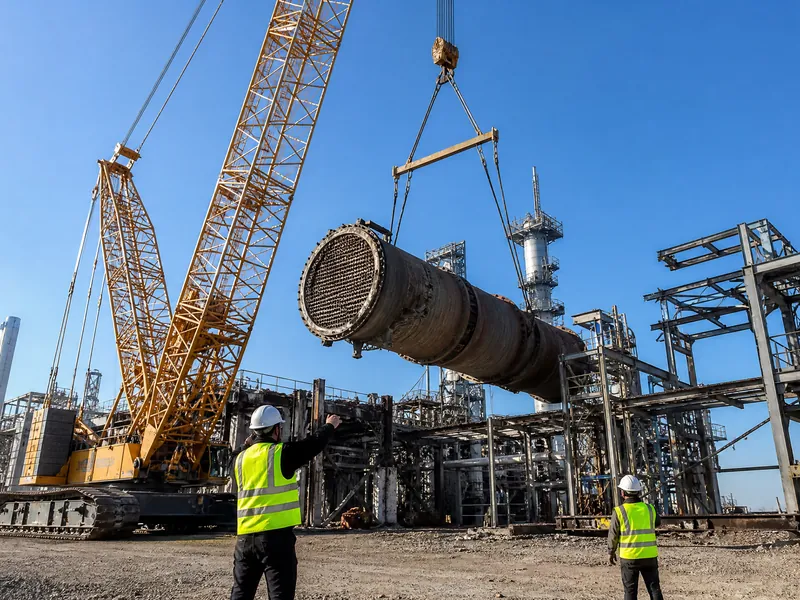
Once utilities are secured, we focus on the extraction of heavy industrial equipment. This includes the removal of massive boilers, turbines, stamping presses, and extensive conveyor systems. We utilise heavy rigging techniques and heavy-lift cranes to safely hoist and extract these oversized components from deep within the facility structure.
The equipment removal phase is carefully sequenced to maintain the structural integrity of the building while creating safe access routes for our heavy machinery. We dismantle complex piping networks and electrical switchgear, segregating the materials for optimal scrap metal recovery.
Permits and notification
Asset Recovery and Scrap Metal Processing
Maximising the value of recovered materials is a core component of our demolition strategy in South Carolina. We implement comprehensive asset recovery programs that capture ferrous and non-ferrous metals, including heavy structural steel, copper wiring, stainless steel tanks, and aluminium components. The value of these recovered materials is applied as a salvage credit, directly offsetting the client's net cost for the demolition project.
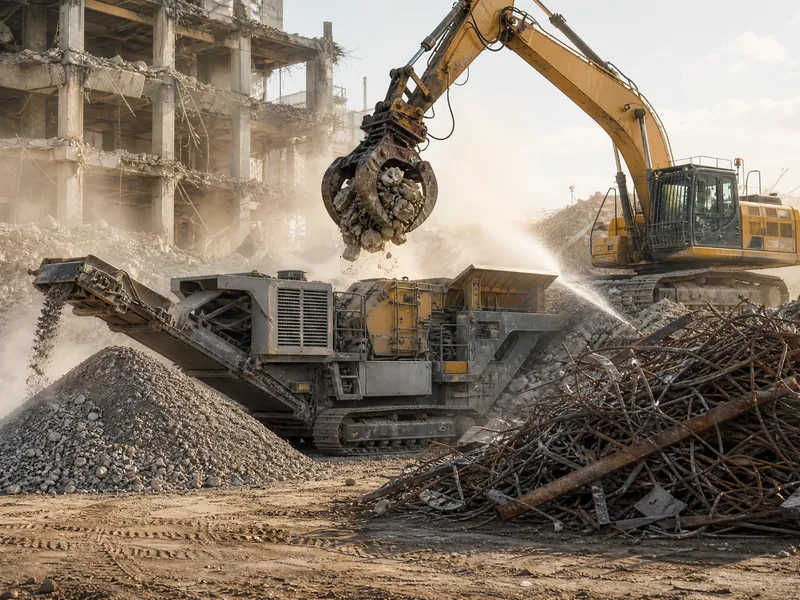
Our on-site processing capabilities include mobile hydraulic shears and heavy-duty balers that prepare scrap metal for efficient transport to regional recycling facilities. We meticulously sort and grade the metals, ensuring the highest possible return on the salvaged materials. This systematic approach to scrap recovery significantly reduces the financial burden of plant decommissioning.
In addition to metals, we process clean concrete and masonry materials using mobile crushing plants. The crushed concrete can be repurposed on-site as structural fill or road base, further reducing disposal costs and supporting sustainable demolition practices.
Salvage and recovery
Site Grading and Final Project Closeout
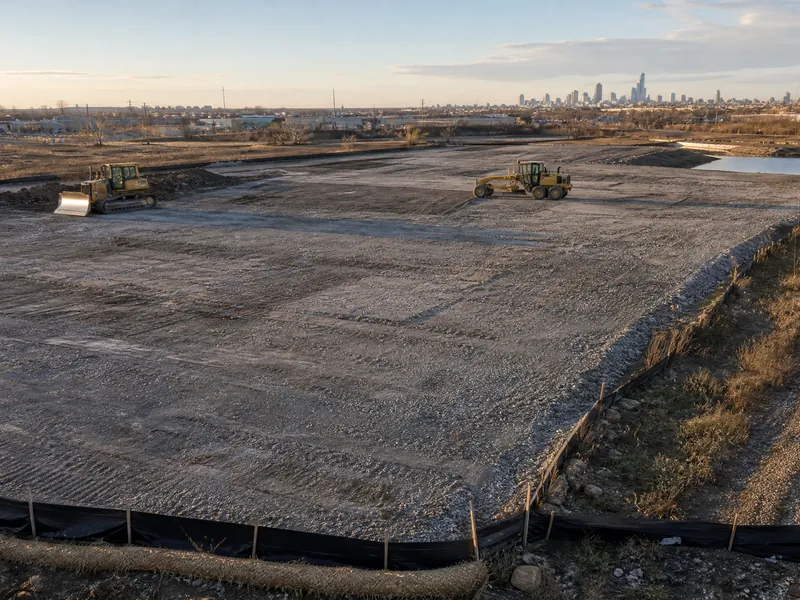
The final phase of our industrial demolition process involves comprehensive site restoration and grading. After all structures have been removed and foundations extracted, we backfill excavations and grade the site to the client's exact specifications. Our heavy earthmoving equipment ensures proper compaction and drainage, preparing the land for immediate redevelopment or sale.
We provide clients with a complete closeout package that documents every aspect of the project. This includes environmental clearance reports, waste disposal manifests, scrap metal weight tickets, and final site surveys. Our meticulous record-keeping protects the client from future liabilities and demonstrates full regulatory compliance.
Operating across Anderson and sibling cities like Greenville, Spartanburg, and Columbia, we deliver turnkey demolition solutions that transform obsolete industrial properties into valuable real estate assets. Our commitment to safety, efficiency, and environmental responsibility ensures a successful outcome for every heavy dismantling project.
Capabilities
Abatement, remediation and recovery
Common questions
Questions owners and engineers ask
How do you handle the permitting process for industrial demolition in Anderson?
We manage the entire permitting and notification process required for heavy dismantling projects. This includes submitting the mandatory NESHAP asbestos notifications to the South Carolina DHEC and securing all local demolition permits from Anderson County authorities. We ensure all regulatory paperwork is approved before mobilising our equipment to the site.
What factors determine the net cost of a plant decommissioning project?
The net cost is driven by the size and complexity of the structures, the extent of environmental abatement required, and the volume of recoverable scrap metal. We provide a detailed estimate that outlines the gross demolition costs and applies a salvage credit for the recovered steel, copper, and other metals, resulting in a transparent final price.
How do you manage dust and noise during the teardown of a large facility?
We implement rigorous environmental controls, including continuous water misting systems to suppress dust during structural demolition and concrete crushing. We also utilise modern, sound-attenuated heavy equipment and strictly adhere to local noise ordinances, minimising disruptions to neighbouring properties and active operations nearby.
Can you remove deep concrete foundations and machine pits?
Yes, our heavy excavators equipped with hydraulic hammers and pulverisers are capable of breaking up and extracting massive concrete foundations, deep machine pits, and heavy equipment pedestals. We process the concrete on-site, separating the rebar for scrap and crushing the concrete for use as backfill material.
Who is responsible for disconnecting the utilities before demolition begins?
We take full responsibility for coordinating utility disconnects. Our team works directly with local utility providers to safely isolate and cap electrical, gas, water, and sewer lines. We perform comprehensive lock-out/tag-out procedures to ensure the site is completely de-energised and safe for our demolition crews.
Ready to price the teardown?
Industrial Demolition USA provides the heavy equipment and engineering expertise required to safely dismantle complex industrial facilities in Anderson. Contact us today to discuss your plant decommissioning or structural teardown project. Call 954-740-1983 or email electricalequipmentbuyers@gmail.com to speak with our estimating team.