
Overview
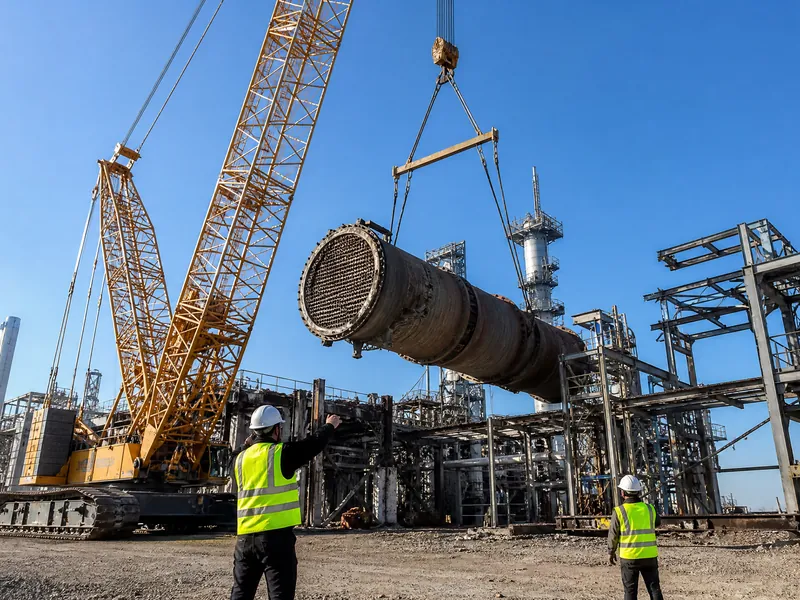
Our crews handle the complete deconstruction of marine terminals, legacy power generation stations, pulp and paper mills, and massive data center infrastructure. We manage the entire process from initial environmental remediation and site clearing to the final concrete crushing and scrap metal recovery. Whether operating along the tidal zones of Hampton Roads or within the dense server farm corridors of Northern Virginia, we deploy the heavy equipment required to bring structures down safely.
The work
Marine Terminal and Shipyard Deconstruction in Hampton Roads
The coastal industrial zones around Norfolk and Newport News present unique physical challenges for heavy demolition. Facilities situated along the Elizabeth River and the broader Chesapeake Bay are subject to significant tidal influence, high water tables, and decades of aggressive coastal salt corrosion. When dismantling marine terminals, ship loading infrastructure, and portside warehouses, our crews must account for degraded structural integrity caused by this saline environment. We utilize specialized long-reach excavators and barge-mounted equipment to execute teardowns where land access is restricted.
Operating in these marine environments requires precise control over debris containment to prevent material from entering the waterways. We implement rigid environmental barriers and floating booms during the deconstruction of piers, bulkheads, and waterfront silos. The high water table also dictates our approach to subsurface demolition, often requiring extensive dewatering systems when removing deep concrete foundations from the shoreline safely and efficiently.
Method and sequence
Retiring Legacy Coal Units and Power Generation Assets
Virginia's transition away from legacy power generation involves the systematic retirement of massive coal-fired units and associated infrastructure. Tearing down these facilities requires engineering precision, particularly when dealing with towering exhaust stacks, massive boiler houses, and extensive coal handling conveyor systems. Our crews are experienced in the controlled felling of tall structures and the methodical dismantling of heavy steel frameworks. We utilize specialized shear attachments and cutting torches to segment massive turbine generators and structural steel components for safe removal.
The decommissioning of these power plants also involves managing complex environmental hazards, including fly ash accumulation and residual coal dust. We deploy high-capacity dust suppression systems and implement strict containment protocols during the demolition of precipitators, baghouses, and ash silos. The subsurface work often involves breaking out massive concrete turbine pedestals and deep foundation mats, requiring heavy hydraulic hammers and concrete crushers.
Local coverage
Cities we work in across Virginia
Hazards and controls
Decommissioning Northern Virginia Server Farms and Cooling Infrastructure
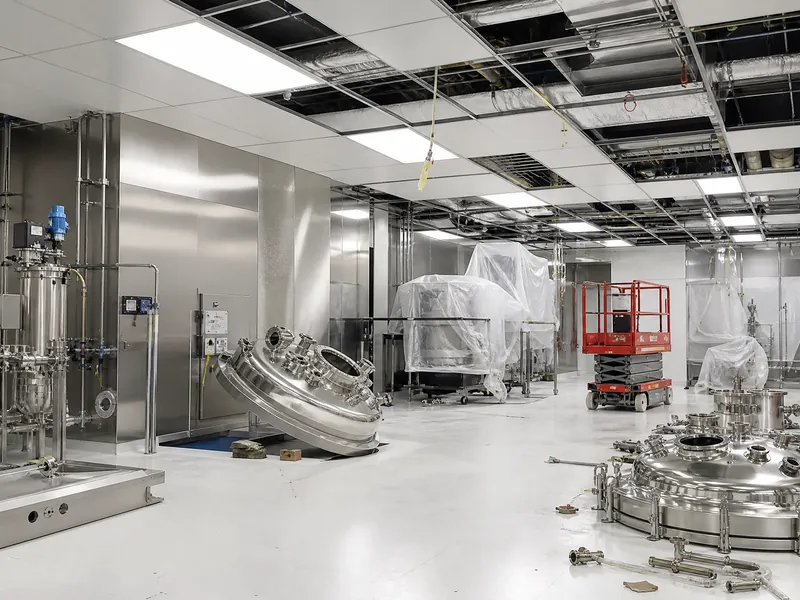
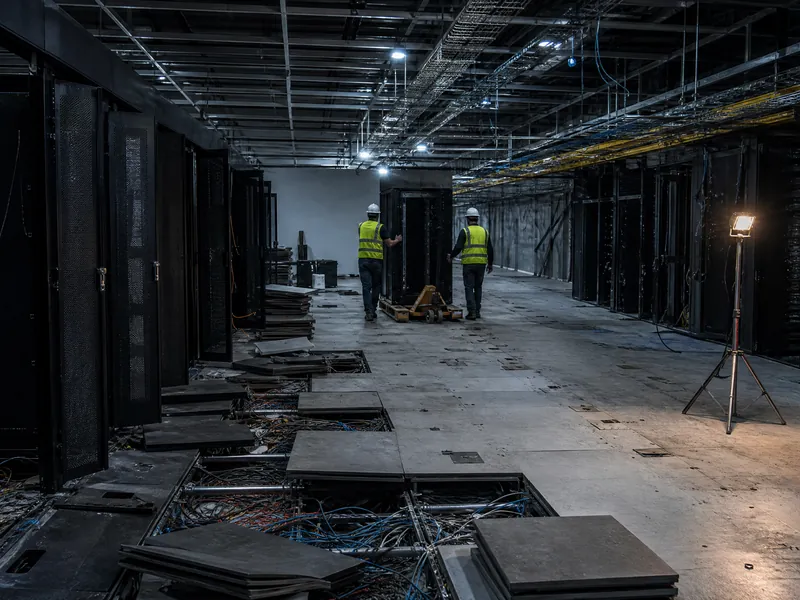
The dense concentration of data centers in the Northern Virginia corridor, particularly around Ashburn, demands a highly specialized approach to interior demolition and complete facility decommissioning. These structures house massive arrays of backup power generators, extensive HVAC systems, and complex cooling towers that must be systematically dismantled. Our crews execute the careful removal of heavy rooftop chiller units, massive uninterruptible power supply systems, and miles of heavy-gauge copper cabling. We operate within tight logistical constraints, often navigating dense suburban environments and strict noise ordinances.
Asset recovery plays a critical role in these decommissioning projects. The heavy electrical infrastructure contains significant quantities of valuable metals. We carefully extract these components, ensuring that all transformer oil is properly drained and routed to certified recycling facilities. The salvage credit generated from the recovery of copper, aluminum, and specialized alloys is applied directly to the project, offsetting the client's net cost.
Sequence of work
How a project runs, stage by stage
Site walk and survey
We walk the structure with you, review drawings, and record structural condition, live utilities, hazardous materials and salvageable assets before any number is quoted.
Engineering and permits
An engineered demolition plan sets the sequence, exclusion zones and means of collapse. We file local permits and the federal pre-demolition notification, and collect utility isolation sign-offs.
Abatement and pre-clean
Regulated materials come out first under containment with clearance documentation, so the structural phase is never held up by a surprise inside a wall or a pipe chase.
Dismantling and teardown
High-reach machines, shears, torch crews and hand demolition work the sequence top-down or inside-out, with salvage separated as it comes out rather than picked from a mixed pile afterwards.
Processing and haul-off
Steel is sheared and shipped, concrete is crushed for reuse or hauled, and every regulated stream leaves under manifest to a permitted facility.
Grading and closeout
Foundations and slabs come out to the agreed depth, the site is graded and stabilised, and you receive manifests, clearance reports and closeout documentation.
Permits and notification
Dismantling Legacy Manufacturing and Tobacco Facilities
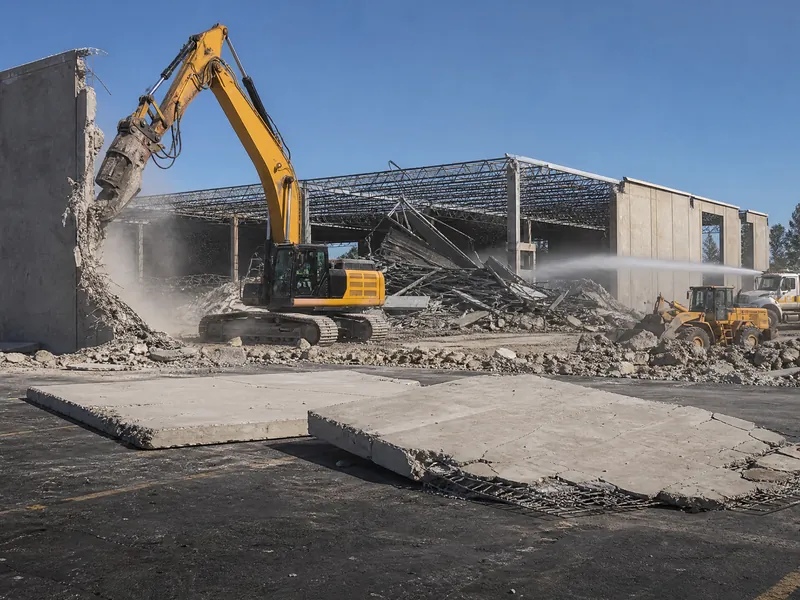
The industrial corridors of Richmond and Roanoke are home to aging manufacturing plants, pulp and paper mills, and historic tobacco warehouses that require careful deconstruction. These legacy structures often feature massive heavy timber framing, multi-wythe brick masonry walls, and outdated processing equipment. Dismantling these facilities requires a strategic approach to manage the structural loads and prevent uncontrolled collapses, particularly when dealing with degraded load-bearing masonry. We utilize specialized bracing and shoring techniques to stabilize the structures while systematically removing the roof systems and interior framing.
The physical site conditions in these older industrial districts often involve tight property lines, limited staging areas, and proximity to active rail spurs. We coordinate closely with local rail operators and municipal authorities to manage logistics and ensure safe material load-out. The demolition of pulp and paper mills also involves the removal of massive digesters and complex piping networks.
Salvage and recovery
Navigating Virginia DEQ Permitting and NESHAP Notifications
Executing heavy industrial demolition in the Commonwealth requires strict adherence to state and federal regulatory frameworks. The Virginia Department of Environmental Quality (DEQ) oversees the environmental compliance aspects of these projects, particularly concerning waste management and water protection. Before any structural teardown commences, we manage the mandatory 10-working-day NESHAP notification for asbestos abatement, ensuring all federal reporting requirements are satisfied. This critical planning phase also involves securing the necessary local demolition permits from city or county building departments.
Beyond the environmental notifications, we coordinate the complex process of utility disconnects and sign-offs. Industrial facilities require the verified isolation of high-voltage electrical feeds, high-pressure gas lines, and industrial water mains before heavy equipment can safely operate on site. We work directly with regional utility providers to secure these clearances, documenting the physical air-gapping of all services. Our project management team maintains comprehensive documentation throughout the execution phases.
Logistics
Regional Material Routing and Scrap Metal Recovery
The financial viability of a major industrial teardown often hinges on the efficient recovery and routing of scrap metals and structural materials. Virginia's industrial geography provides access to robust regional salvage markets and processing facilities. We systematically separate structural steel, heavy machinery, and non-ferrous metals during the demolition process. These materials are loaded onto specialized transport vehicles and routed to major scrap processors in the region, minimizing hauling distances and maximizing the return on recovered assets.
Concrete crushing is another critical component of our material management strategy. Rather than hauling massive volumes of concrete debris to landfills, we deploy mobile crushing plants to process foundations, slabs, and structural concrete on site. This crushed material can often be repurposed as engineered fill for the site's redevelopment, significantly reducing disposal costs. The salvage value of the recovered metals is calculated and applied as a salvage credit, directly reducing the overall financial burden.
Common questions
Questions owners and engineers ask
What is the timeline for securing utility disconnects and environmental clearances in the Commonwealth?
The timeline is heavily dependent on the specific facility and local municipal requirements. The federal NESHAP notification mandates a strict 10-working-day waiting period after submission before any structural demolition can begin. Concurrently, we coordinate with regional utility providers to physically isolate and verify the disconnection of high-voltage power, gas, and water lines. This clearance phase typically requires three to six weeks of rigorous administrative and field coordination.
How does tidal influence in the Hampton Roads area affect heavy equipment deployment?
Operating near the Elizabeth River and Chesapeake Bay requires accounting for fluctuating water levels and saturated soil conditions. High water tables often necessitate extensive dewatering systems when removing deep concrete foundations or subsurface structures. We deploy specialized equipment, including long-reach excavators and occasionally barge-mounted machinery, to safely dismantle marine terminals and waterfront infrastructure while maintaining strict environmental containment.
Are you equipped to handle the removal of heavy backup power systems from Ashburn server farms?
Yes, our crews are highly experienced in the systematic decommissioning of dense data center infrastructure. We handle the complete extraction of massive uninterruptible power supply units, heavy rooftop chillers, and extensive backup generator arrays. This process involves the careful draining and routing of transformer oils, the removal of miles of heavy-gauge copper cabling, and the safe rigging of massive electrical components.
What happens to the structural steel and heavy timber recovered from legacy Richmond manufacturing sites?
We prioritize the diversion of valuable materials from local landfills through systematic asset recovery. Heavy timber from historic tobacco warehouses and structural steel from aging manufacturing plants are carefully segregated during the teardown. These materials are then loaded and transported to specialized regional processors and scrap yards. The value of the recovered metals is calculated and applied as a salvage credit.
How is the salvage value of recovered industrial metals applied to our project?
We do not purchase equipment or operate as scrap brokers. Instead, the value of the recovered materials - such as structural steel, copper cabling, and heavy machinery - is factored into the overall project economics. This value is applied strictly as a salvage credit against the total cost of the demolition and dismantling services. This approach ensures transparency and directly reduces the financial outlay.
Ready to price the teardown?
Industrial Demolition USA provides the heavy equipment and specialized labor required to execute complex structural teardowns across Virginia. We commit to delivering safe, efficient, and compliant site clearing and asset recovery services for your retiring industrial facilities. To discuss your specific project requirements, call us at 954-740-1983 or email electricalequipmentbuyers@gmail.com.