
Overview
Understanding the demolition process from initial site assessment to final grading helps ensure that your project stays on schedule and within budget. We approach every wrecking and asset recovery project with a focus on safety, regulatory compliance, and efficient material handling. Review the information below to learn more about our methods, permitting procedures, and how we coordinate with local authorities to execute safe and effective deconstruction projects nationwide.
The work
Understanding Our Demolition And Dismantling Process
The industrial demolition process begins with a comprehensive site evaluation to identify structural complexities, hazardous materials, and salvageable assets. We develop a detailed deconstruction plan that outlines the sequence of teardown activities, ensuring that every phase is executed safely and efficiently. Our team coordinates with facility owners to establish clear timelines and access requirements, minimizing disruption to surrounding operations. By planning each step meticulously, we maintain strict control over the project schedule and budget.
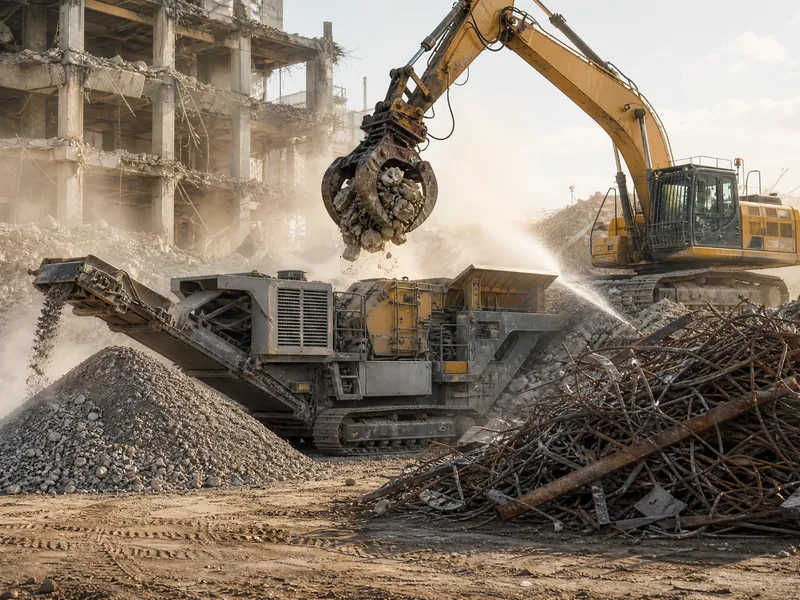
During the active wrecking phase, we deploy specialized heavy equipment and skilled operators to dismantle structures systematically. We prioritize the separation of materials at the source, which streamlines the asset recovery process and maximizes the salvage credit applied to your net cost. Our approach integrates environmental remediation and abatement seamlessly into the workflow, addressing any hazardous materials before structural demolition begins. This comprehensive method ensures that the site is prepared properly for its next phase of development.
Method and sequence
Navigating Environmental Remediation And Abatement Requirements
Environmental compliance is a critical component of any industrial decommissioning project. Before structural dismantling commences, we conduct thorough assessments to identify asbestos, lead-based paint, and other hazardous materials. Our abatement teams follow strict regulatory protocols to remove and dispose of these substances safely, protecting both the workforce and the surrounding community. We handle all necessary notifications to state and federal environmental agencies, ensuring that your project remains fully compliant with current regulations.
Effective remediation requires precise coordination and specialized containment strategies. We establish secure exclusion zones and utilize advanced air monitoring systems to verify that hazardous materials are fully contained during removal. Once the abatement phase is complete, we provide comprehensive documentation and disposal manifests, giving facility owners a clear record of compliance. This rigorous approach to environmental management mitigates liability and clears the path for safe, efficient teardown operations.
Hazards and controls
Maximizing Value Through Asset Recovery And Salvage
Asset recovery plays a significant role in reducing the overall cost of industrial demolition projects. We identify valuable machinery, electrical components, and structural steel early in the planning phase, developing a strategy to extract these items carefully during deconstruction. The value of these recovered materials is applied directly as a salvage credit, which offsets the net cost of the demolition work. This financial structure provides a clear advantage for facility owners looking to manage their decommissioning budgets effectively.
Our dismantling techniques are designed to preserve the integrity of high-value assets while maintaining the pace of the broader wrecking project. We separate ferrous and non-ferrous metals, process concrete for onsite reuse or recycling, and prepare industrial equipment for secondary markets. By integrating salvage operations directly into the demolition sequence, we eliminate the need for third-party extraction contractors, streamlining the project and maximizing the financial return applied to your account.
Permits and notification
Managing Site Safety And Regulatory Compliance
Safety is the foundational element of our industrial demolition operations. We implement comprehensive site-specific safety plans that address the unique hazards of each facility, from high-voltage electrical systems to complex structural loads. Our competent-person oversight ensures that all personnel adhere to strict safety protocols, including the use of personal protective equipment and the maintenance of secure exclusion zones. Regular safety briefings and hazard analyses keep the workforce focused on executing the teardown without incident.
Regulatory compliance extends beyond environmental abatement to include local building codes, noise ordinances, and transportation regulations. We manage the entire permitting process, coordinating with municipal and state authorities to secure the necessary approvals before work begins. Our team maintains detailed records of all compliance activities, providing facility owners with the documentation required to demonstrate adherence to all applicable laws. This proactive approach to safety and compliance protects the project timeline and minimizes risk.
Salvage and recovery
Preparing The Site For Future Development
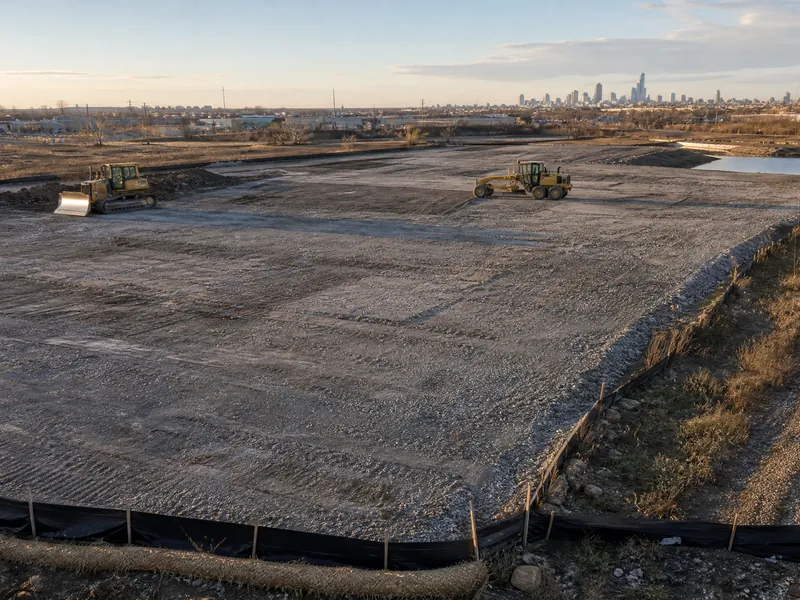
The final phase of our decommissioning process focuses on site restoration and preparation for future use. After the primary structures have been dismantled and all debris has been removed, we address the foundation and subsurface elements. We perform concrete crushing and removal, filling voids and grading the site to meet the specific requirements of the next development phase. This comprehensive approach ensures that the property is left in a safe, stable, and ready-to-build condition.
We provide facility owners with a complete closeout package that includes all project documentation, disposal manifests, and compliance records. This final handover marks the successful completion of the demolition project, delivering a clean site that meets all contractual and regulatory standards. Our commitment to thorough site preparation reflects our dedication to providing end-to-end solutions for complex industrial teardowns.
Capabilities
Capabilities we run in house
Common questions
Questions owners and engineers ask
How is the cost of an industrial demolition project determined?
The cost of industrial demolition depends on the size and complexity of the structure, the presence of hazardous materials requiring abatement, and the project timeline. We also factor in the value of recovered materials, which is applied as a salvage credit to offset your net cost. A detailed site assessment allows us to provide an accurate estimate based on these variables.
What is a salvage credit and how does it work?
A salvage credit is the financial value assigned to recoverable assets, such as structural steel, copper wiring, and industrial machinery, extracted during the dismantling process. Instead of a separate transaction, this value is deducted directly from the total cost of the demolition services, reducing the overall expense for the facility owner.
Do you handle environmental remediation and asbestos abatement?
Yes, we manage comprehensive environmental remediation and abatement as part of our turnkey decommissioning services. Our specialized teams identify, contain, and remove hazardous materials like asbestos and lead-based paint in strict accordance with state and federal regulations before structural teardown begins.
How long does a typical industrial teardown take?
Project timelines vary significantly based on the facility size, structural complexity, and environmental requirements. A standard industrial teardown can take anywhere from a few weeks to several months. We develop a detailed critical path schedule during the planning phase to ensure efficient execution and timely completion.
Who is responsible for obtaining demolition permits?
We handle the entire permitting process on behalf of the facility owner. Our team coordinates with local municipalities and state regulators to secure all necessary demolition permits, environmental approvals, and utility disconnect authorizations required to proceed with the wrecking operations legally and safely.
How do you manage utility disconnects and isolation?
Proper utility isolation is critical for site safety. We coordinate directly with local utility providers to verify that all electrical, gas, water, and sewer lines are fully disconnected and capped at the property line. We perform rigorous testing to confirm zero energy states before any dismantling work commences.
What happens to the concrete and masonry debris?
Whenever possible, we process concrete and masonry debris onsite using specialized crushing equipment. This crushed material can often be reused as clean fill or base material for future construction on the site, reducing transportation costs and minimizing the volume of waste sent to landfills.
Do you provide final grading and site restoration?
Yes, final grading is a standard component of our decommissioning process. Once all structures and foundations are removed, we backfill any excavations and grade the site to your specified elevations, ensuring the property is stable, properly drained, and ready for its next phase of development.
Ready to price the teardown?
If you have additional questions about our industrial demolition and dismantling services, our team is ready to provide the answers you need. Call 954-740-1983 or email electricalequipmentbuyers@gmail.com to discuss your facility decommissioning project today.