
Overview
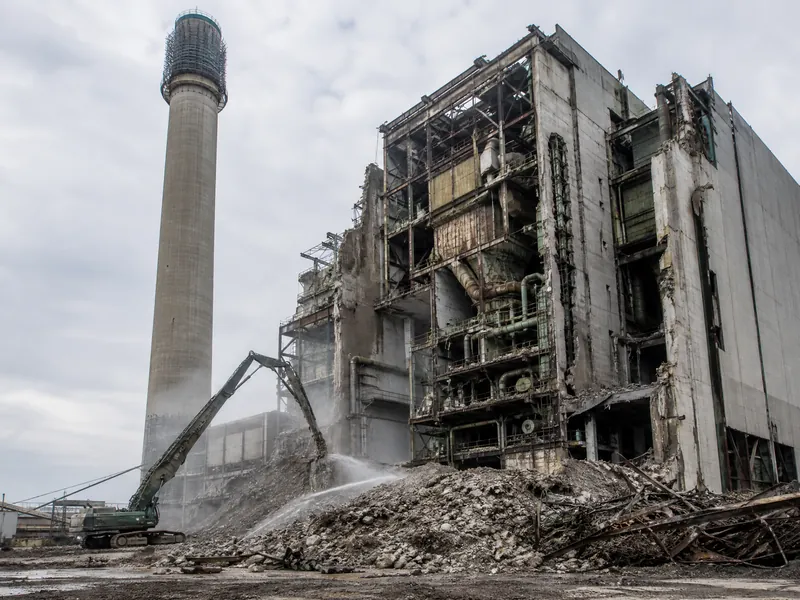
We handle the complete lifecycle of plant retirement, from initial hazardous material abatement and utility isolation to structural teardown and final site grading. Our crews are equipped to manage complex deconstruction projects in active facilities or complete site clearing for brownfield redevelopment. By integrating asset recovery into our demolition sequence, we maximize salvage credit to offset your net project costs.
The work
Comprehensive Plant Decommissioning and Teardown Process
The process of industrial demolition begins long before heavy equipment arrives on site. We initiate every project with a detailed engineering survey and structural analysis to determine the safest and most efficient teardown sequence. This planning phase includes identifying load-bearing elements, assessing the condition of aging structures, and mapping out utility networks for systematic de-energization. Our project managers work closely with facility owners to establish exclusion zones and coordinate logistics, ensuring that our operations do not interfere with any adjacent active processes.
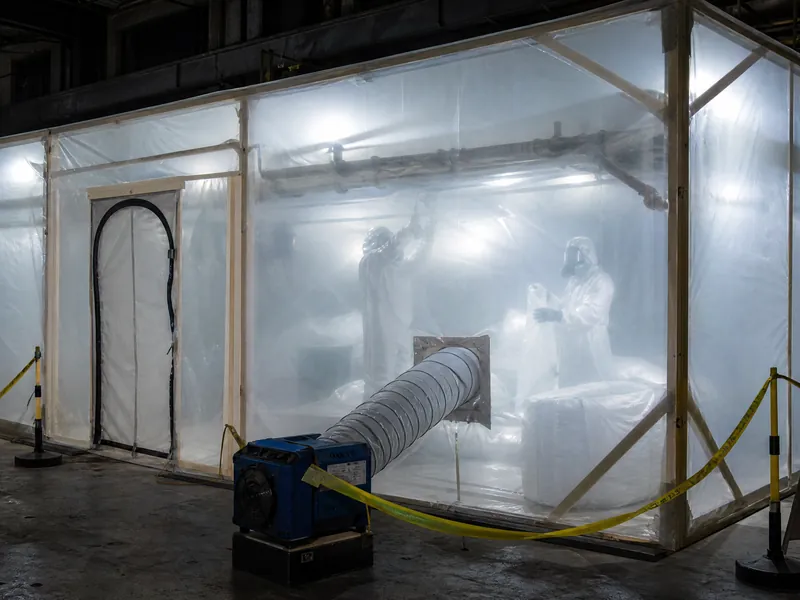
Once the site is secured and utilities are isolated, our crews proceed with environmental remediation and hazardous material abatement. This critical step ensures that all regulated substances are safely removed and disposed of in accordance with federal and state regulations. Following abatement, we deploy our specialized fleet of high-reach excavators, hydraulic shears, and concrete crushers to systematically dismantle the structures. We prioritize controlled deconstruction methods over explosive demolition whenever possible, minimizing dust, noise, and vibration impacts on the surrounding community.
Method and sequence
Advanced Equipment Fleet for Heavy Industrial Wrecking
Executing heavy industrial demolition requires a robust and versatile equipment fleet capable of handling massive steel structures and reinforced concrete. Industrial Demolition USA maintains a comprehensive inventory of specialized machinery designed specifically for the rigors of industrial wrecking. Our high-reach excavators allow our operators to safely dismantle tall structures, such as silos, smokestacks, and multi-story processing units, from a secure distance. These machines are equipped with advanced hydraulic attachments, including shears, grapples, and pulverizers, which provide the precision and power needed to cut through heavy structural steel and crush thick concrete foundations.
In addition to high-reach capabilities, our fleet includes heavy-duty loaders, articulated dump trucks, and mobile concrete crushers to manage the massive volume of debris generated during a plant teardown. By processing materials on-site, we significantly reduce transportation requirements and associated costs. Our mobile crushers convert concrete rubble into reusable aggregate, which can be utilized for site grading or sold to local markets. This integrated approach to material handling not only accelerates the project schedule but also maximizes the efficiency of our asset recovery operations.
More scope we cover
Related demolition service lines
Steel Mill Demolition
Industrial Demolition USA specializes in the complex demolition and dismantling of steel mills, foundries, and…
Power Plant Demolition
Industrial Demolition USA performs comprehensive power plant demolition, dismantling, and decommissioning for…
Windmill Demolition
Industrial Demolition USA executes the complete demolition, dismantling, and decommissioning of utility-scale…
Hazards and controls
Strategic Asset Recovery and Salvage Credit Optimization
A critical component of our industrial demolition service is the strategic recovery of valuable assets and scrap metals. Industrial facilities contain significant quantities of ferrous and non-ferrous metals, including structural steel, copper wiring, stainless steel piping, and heavy machinery components. Our dismantling process is engineered to carefully segregate and process these materials, maximizing their salvage value. We maintain strong relationships with national scrap buyers and secondary equipment markets, ensuring that recovered assets are monetized at competitive rates.
The value generated from asset recovery is applied directly as a salvage credit against the overall cost of the demolition project. In many cases, the revenue from scrap metal and reusable equipment can substantially offset the expenses associated with teardown and site clearing. Our transparent accounting and detailed material manifests provide clients with a clear understanding of the salvage credits earned throughout the project lifecycle. By prioritizing asset recovery, we deliver a more cost-effective solution for plant retirement while promoting sustainable material reuse.
Sequence of work
How a project runs, stage by stage
Site walk and survey
We walk the structure with you, review drawings, and record structural condition, live utilities, hazardous materials and salvageable assets before any number is quoted.
Engineering and permits
An engineered demolition plan sets the sequence, exclusion zones and means of collapse. We file local permits and the federal pre-demolition notification, and collect utility isolation sign-offs.
Abatement and pre-clean
Regulated materials come out first under containment with clearance documentation, so the structural phase is never held up by a surprise inside a wall or a pipe chase.
Dismantling and teardown
High-reach machines, shears, torch crews and hand demolition work the sequence top-down or inside-out, with salvage separated as it comes out rather than picked from a mixed pile afterwards.
Processing and haul-off
Steel is sheared and shipped, concrete is crushed for reuse or hauled, and every regulated stream leaves under manifest to a permitted facility.
Grading and closeout
Foundations and slabs come out to the agreed depth, the site is graded and stabilised, and you receive manifests, clearance reports and closeout documentation.
Permits and notification
Rigorous Safety Protocols and Environmental Compliance
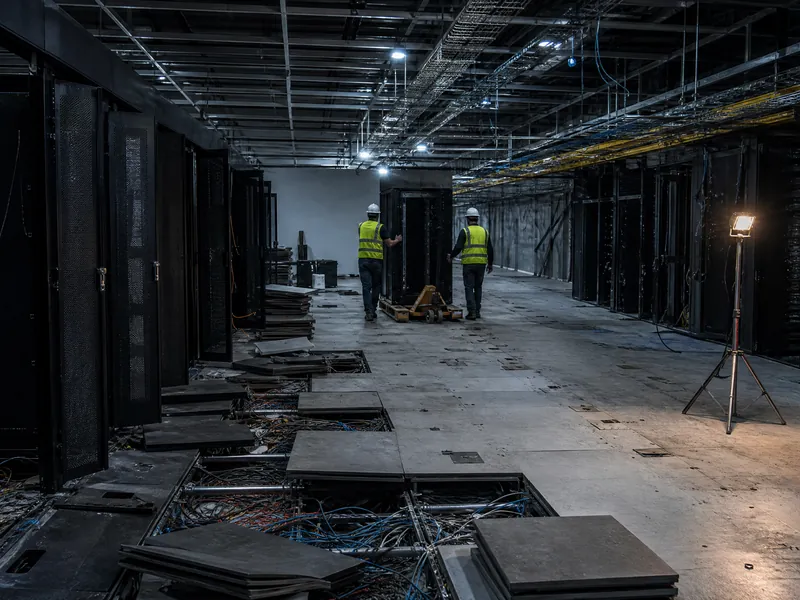
Safety is the foundational element of every industrial demolition project we undertake. Tearing down complex industrial facilities involves inherent risks, including working at heights, handling hazardous materials, and operating heavy machinery in confined spaces. Industrial Demolition USA implements a comprehensive safety management system that exceeds industry standards. Every project begins with a site-specific Job Hazard Analysis (JHA) and the assignment of competent persons to oversee critical operations. We enforce strict exclusion zones, conduct daily safety briefings, and mandate continuous training for all field personnel to ensure a culture of zero incidents.
Environmental compliance is equally critical to our operational approach. Industrial sites often contain legacy contaminants, asbestos-containing materials, and regulated waste streams that must be managed with precision. Our environmental remediation teams are fully certified to handle hazardous abatement, ensuring that all materials are packaged, transported, and disposed of at approved facilities. We manage all necessary notifications to state and federal regulators, including NESHAP compliance, and provide clients with complete documentation and waste manifests at project closeout, protecting them from future liability.
Salvage and recovery
Site Clearing and Final Grading for Redevelopment
The final phase of an industrial demolition project is preparing the site for its next lifecycle. Once all structures have been safely dismantled and debris removed, our crews focus on comprehensive site clearing and final grading. This involves the removal of deep foundations, underground utilities, and concrete slabs that may interfere with future construction. We utilize heavy excavators and hydraulic breakers to extract subterranean structures, ensuring that the site is completely cleared to the specified depth.
Following the removal of subsurface elements, we perform precision grading to establish proper drainage and a stable base for redevelopment. If requested, we can utilize the concrete aggregate generated during the demolition phase to backfill excavations and level the site, providing a sustainable and cost-effective solution for site preparation. Upon completion, we deliver a clean, graded, and fully documented site, ready for the next phase of industrial or commercial development. Our turnkey approach ensures that clients receive a site that meets all regulatory requirements and engineering specifications.
In-house trades
Capabilities that run alongside this work
Coverage
Where we take on this work
Common questions
Questions owners and engineers ask
How do you determine the cost of an industrial demolition project?
The cost of an industrial demolition project is determined by several factors, including the size and complexity of the structures, the presence of hazardous materials, site access constraints, and the required timeline. We conduct a thorough site survey and engineering analysis to develop a detailed estimate. Importantly, the final net cost is offset by the salvage credit generated from recovered scrap metals and assets, which we factor into our initial proposal.
What permits and notifications are required before starting a teardown?
Industrial demolition requires a complex array of permits and regulatory notifications. This typically includes local demolition permits, environmental approvals for hazardous material abatement, and federal NESHAP notifications for asbestos. We handle the entire permitting process on behalf of our clients, coordinating with city, county, and state regulators to ensure all legal requirements are met before any dismantling work begins, protecting you from compliance liabilities.
How is hazardous material abatement integrated into the demolition sequence?
Hazardous material abatement is the critical first step in our demolition sequence. Before any structural dismantling occurs, our certified remediation teams systematically remove asbestos, lead-based paints, and other regulated contaminants. This process is conducted under strict containment protocols to prevent environmental release. Once the abatement is complete and verified through independent air monitoring and clearance testing, the site is turned over to our heavy equipment crews for structural teardown.
Can you perform demolition work in an active industrial facility?
Yes, we specialize in selective demolition and dismantling within active industrial facilities. We understand the critical importance of maintaining your ongoing operations. Our project managers work closely with your facility team to establish secure exclusion zones, implement dust and noise control measures, and schedule high-impact activities during planned outages or off-shift hours. We ensure that our deconstruction activities do not disrupt your production schedule or compromise plant safety.
What documentation is provided at the completion of the project?
At project closeout, we provide a comprehensive documentation package that serves as the official record of the demolition and remediation activities. This includes all approved permits, environmental clearance certificates, waste disposal manifests, and detailed accounting of salvage credits applied to the project. This documentation is essential for demonstrating regulatory compliance, updating facility records, and releasing the owner from future environmental liabilities associated with the retired structures.
Ready to price the teardown?
When it is time to retire your industrial facility, trust the experienced crews at Industrial Demolition USA to execute the teardown safely and efficiently. Contact us today at 954-740-1983 or email electricalequipmentbuyers@gmail.com to discuss your project requirements and schedule a comprehensive site evaluation.