
Overview
Our crews handle the complete deconstruction sequence, from initial environmental remediation and utility isolation to structural wrecking and final site grading. We serve facility owners, developers, and industrial operators seeking a reliable contractor to clear complex sites safely and efficiently. Our process integrates asset recovery to offset project costs through salvage credit, ensuring a streamlined transition for your property.
The work
Textile Mill and Manufacturing Plant Teardowns
South Carolina's industrial landscape includes numerous legacy textile mills, automotive supplier plants, and manufacturing facilities that require specialised dismantling. We perform selective interior demolition and complete structural teardowns of these expansive structures. Our crews systematically remove heavy machinery, conveyor systems, and structural steel, ensuring safe operations in tight footprints. We address the unique challenges of older masonry and timber-framed mills, employing controlled deconstruction techniques to manage dust, vibration, and structural stability during the wrecking process.
For modern manufacturing facilities, such as those supporting the automotive sector, we execute rapid plant retirement and retooling demolition. This involves the precise removal of stamping presses, robotic assembly lines, and specialized infrastructure without disrupting adjacent active operations. We coordinate closely with plant managers to isolate utilities, manage hazardous materials, and sequence the teardown to meet strict schedule constraints. Our heavy equipment fleet, including high-reach excavators and hydraulic shears, allows us to process structural steel and concrete efficiently, preparing the site for its next phase of development.
Method and sequence
Chemical Plant and Power Facility Decommissioning
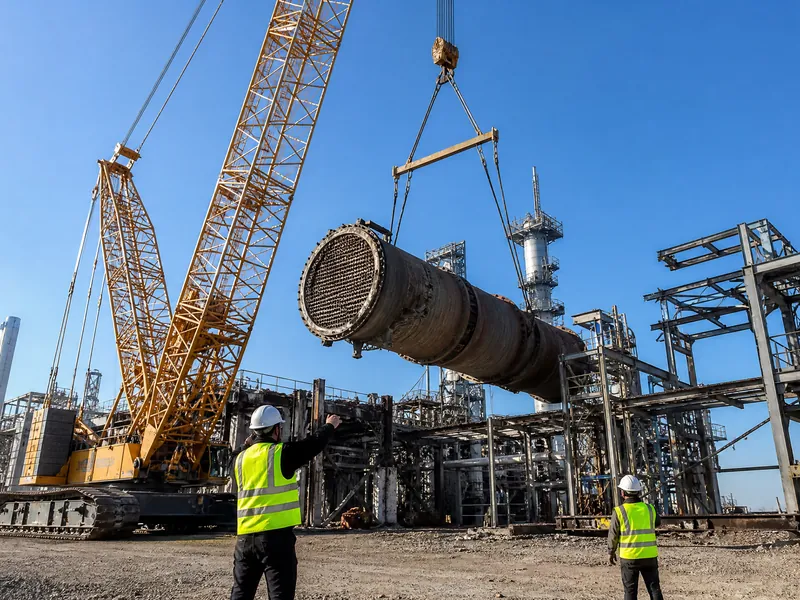
Decommissioning chemical plants and retired power generation units in South Carolina demands rigorous safety protocols and environmental compliance. We dismantle complex process infrastructure, including distillation columns, storage tanks, and piping networks found in facilities along the Cooper River. Our approach begins with comprehensive hazard assessments and the systematic purging and cleaning of process equipment. We employ cold cutting techniques and controlled rigging to dismantle contaminated structures safely, minimizing the risk of fire or environmental release during the teardown.
For retired coal-fired generating stations, such as former Santee Cooper units, we manage the large-scale deconstruction of boilers, turbines, and precipitators. This work often involves the abatement of asbestos-containing materials and the remediation of heavy metals before structural demolition begins. We utilize engineered collapse methods and heavy mechanical wrecking to bring down towering structures safely. Throughout the process, we maintain strict adherence to South Carolina DHEC regulations, ensuring all hazardous waste streams are properly manifested and disposed of at approved facilities.
Local coverage
Cities we work in across South Carolina
Hazards and controls
Asset Recovery and Salvage Credit
A critical component of our demolition process is the strategic recovery of valuable assets and scrap metals. We identify and extract high-value materials, such as copper wiring, stainless steel vessels, and heavy structural steel, during the dismantling phase. By integrating asset recovery directly into the teardown sequence, we maximize the salvage value of the facility. This value is applied as a salvage credit, which directly offsets the net cost of the demolition project for the client.
Our crews are trained to segregate and process ferrous and non-ferrous metals efficiently on-site. We utilize mobile shears and concrete crushers to prepare materials for transport to recycling facilities or secondary markets. This systematic approach not only reduces the financial burden of plant retirement but also minimizes the volume of debris sent to landfills. We provide transparent documentation of all recovered materials, ensuring clients receive accurate credit for the assets salvaged from their South Carolina facilities.
Sequence of work
How a project runs, stage by stage
Site walk and survey
We walk the structure with you, review drawings, and record structural condition, live utilities, hazardous materials and salvageable assets before any number is quoted.
Engineering and permits
An engineered demolition plan sets the sequence, exclusion zones and means of collapse. We file local permits and the federal pre-demolition notification, and collect utility isolation sign-offs.
Abatement and pre-clean
Regulated materials come out first under containment with clearance documentation, so the structural phase is never held up by a surprise inside a wall or a pipe chase.
Dismantling and teardown
High-reach machines, shears, torch crews and hand demolition work the sequence top-down or inside-out, with salvage separated as it comes out rather than picked from a mixed pile afterwards.
Processing and haul-off
Steel is sheared and shipped, concrete is crushed for reuse or hauled, and every regulated stream leaves under manifest to a permitted facility.
Grading and closeout
Foundations and slabs come out to the agreed depth, the site is graded and stabilised, and you receive manifests, clearance reports and closeout documentation.
Permits and notification
Environmental Remediation and Abatement
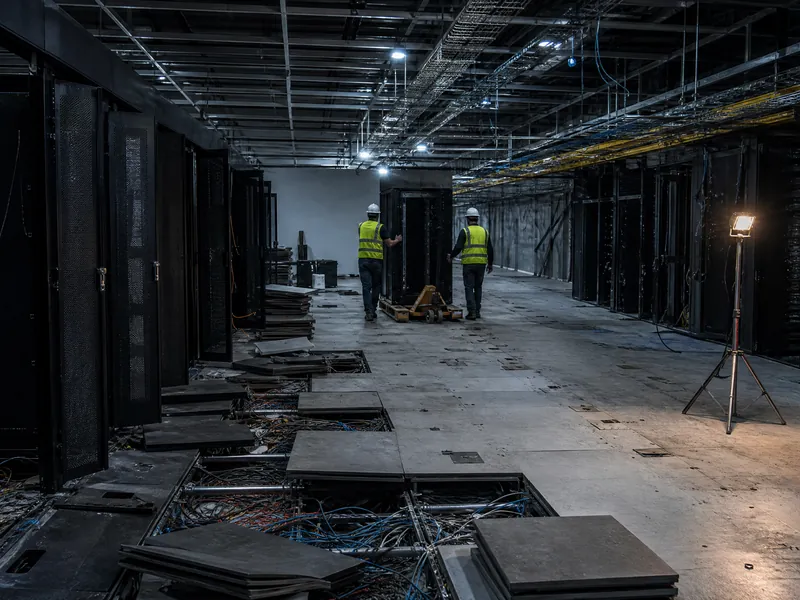
Industrial demolition in South Carolina often requires extensive environmental remediation and hazardous material abatement prior to structural wrecking. We manage the safe removal of asbestos, lead-based paint, PCBs, and other regulated substances commonly found in older industrial facilities. Our certified abatement teams work under strict containment protocols, utilizing negative air pressure systems and specialized PPE to prevent the release of hazardous fibers or particulates. We coordinate all necessary notifications with South Carolina DHEC and federal agencies, ensuring full regulatory compliance.
Beyond building materials, we address contaminated soils and process residues as part of our comprehensive site clearing services. We execute the safe excavation and disposal of impacted materials, working in tandem with environmental consultants to achieve site closure requirements. Our integrated approach ensures that remediation activities are seamlessly sequenced with the demolition work, preventing schedule delays and mitigating liability for the property owner. We deliver a clean, graded site ready for redevelopment, backed by complete environmental documentation.
Salvage and recovery
Statewide Coverage and Logistics
Industrial Demolition USA provides comprehensive demolition services across South Carolina, mobilizing specialized crews and heavy equipment to sites statewide. We cover major industrial hubs including Greenville, Columbia, Charleston, Spartanburg, Rock Hill, Florence, Anderson, and Sumter. Our logistical planning accounts for regional transportation networks, utilizing highway access, rail spurs, and port facilities to manage the efficient removal of scrap and debris. We understand the specific access constraints and environmental sensitivities of different regions, from the dense urban environments of Charleston to the expansive industrial parks of the Upstate.
Our project management teams handle all aspects of site logistics, including traffic control, perimeter security, and utility coordination. We establish clear communication channels with local authorities and utility providers to ensure safe and timely disconnects. By maintaining a strong regional presence, we can respond quickly to project demands and adapt to changing site conditions. Our commitment to rigorous planning and execution ensures that every South Carolina demolition project is completed safely, on schedule, and to the highest industry standards.
Common questions
Questions owners and engineers ask
What permits are required for industrial demolition in South Carolina?
Demolition projects require local building or demolition permits from the city or county, along with environmental notifications. You must submit a NESHAP notification for asbestos to the South Carolina DHEC at least 10 working days before starting abatement or structural wrecking. We handle the preparation and submission of these regulatory documents.
How does salvage credit affect the cost of my teardown?
We assess the value of recoverable metals, such as structural steel, copper, and specialized alloys, during the planning phase. The estimated value of these materials is applied as a salvage credit against the total cost of the demolition. This reduces your net cost, and we manage the entire extraction and recycling process.
Do you handle asbestos abatement before wrecking?
Yes, we manage comprehensive environmental remediation, including asbestos abatement, prior to any structural demolition. Our certified teams safely remove and dispose of hazardous materials in strict compliance with South Carolina DHEC and federal regulations, ensuring the site is clear for safe deconstruction.
How do you manage utility disconnects for a plant retirement?
We coordinate directly with local utility providers and plant engineers to isolate and de-energize all services, including high-voltage electrical, gas, water, and process lines. We verify physical air gaps and implement strict lock-out/tag-out procedures before any dismantling work begins to ensure site safety.
What documentation is provided at the end of the project?
Upon completion, we provide a comprehensive closeout package. This includes all permit sign-offs, hazardous waste manifests, disposal receipts, and documentation of salvaged materials. We also deliver a final graded site, ensuring you have the necessary records to prove regulatory compliance and site readiness.
Ready to price the teardown?
Industrial Demolition USA is ready to execute your next plant retirement or facility teardown in South Carolina. Contact us to discuss your project requirements and schedule a site evaluation. Call 954-740-1983 or email electricalequipmentbuyers@gmail.com.