
Overview
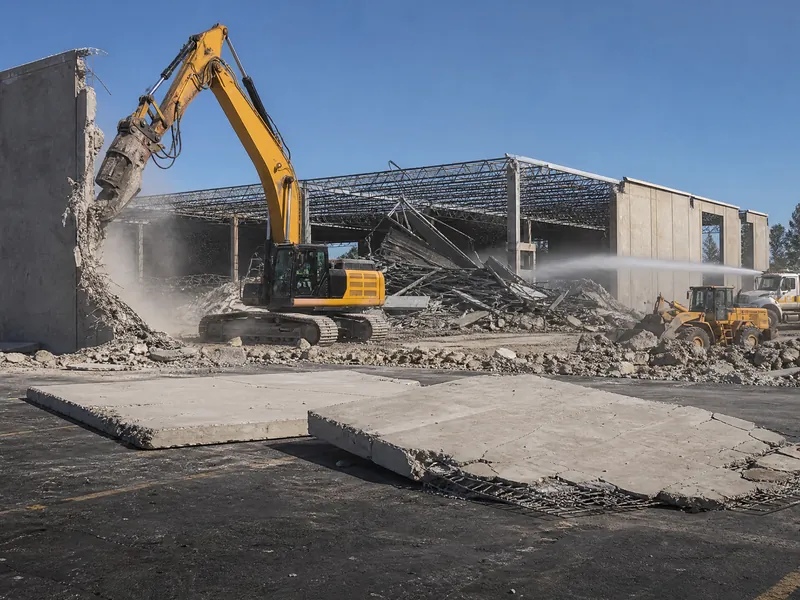
We manage the entire teardown process, from initial de-energisation and environmental remediation to the final removal of transformers, switchgear, and structural steel. Our crews are trained to operate in high-voltage environments, ensuring that adjacent live systems remain protected throughout the dismantling sequence. By combining heavy demolition capabilities with specialised asset recovery, we deliver a cleared, graded site ready for its next phase of development while maximising the salvage credit applied to your project.
The work
Pre-Demolition Planning and Utility Isolation
The critical first step in any substation demolition project is the absolute verification of utility isolation. Before heavy equipment enters the footprint, our competent persons work alongside facility engineers to confirm that all feeds are locked out and tagged out. We establish clear exclusion zones and verify grounding protocols to protect against induced currents from nearby live lines.
Once secured, we conduct a hazard assessment to identify regulated materials. Substations frequently contain legacy equipment requiring specialised handling, including PCB-contaminated oils, lead-based paints, and asbestos in older control buildings. We develop a remediation plan that sequences abatement ahead of structural teardown, ensuring compliance with environmental regulations.
Our planning also includes a logistical review for heavy haul transport. Moving massive transformers requires coordination with local authorities for oversized load permits. By addressing these challenges early, we maintain the project schedule and prevent costly delays.
Method and sequence
Environmental Remediation and Fluid Removal
Substation decommissioning involves significant environmental risk management, primarily centered around the safe extraction of insulating fluids. Transformers, circuit breakers, and voltage regulators must be systematically drained before dismantling. Our crews utilise specialised pumping equipment to capture mineral oils, dielectric fluids, and SF6 gas without risking soil contamination.
When dealing with older infrastructure, the presence of polychlorinated biphenyls (PCBs) requires strict chain-of-custody documentation and disposal at certified facilities. We handle all fluid extraction in accordance with EPA guidelines, providing complete manifests that prove proper disposal. We also address any existing soil contamination, excavating impacted earth during site restoration.
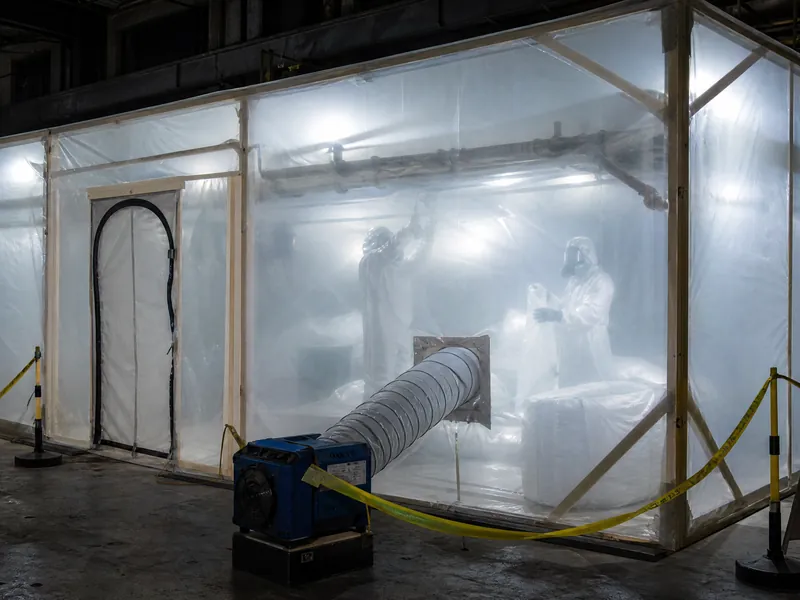
For control buildings, our abatement teams remove asbestos-containing materials such as floor tiles and mastic before structural demolition begins. We also manage the safe removal of lead-acid battery banks, ensuring corrosive materials are routed to appropriate recycling facilities.
More scope we cover
Related demolition service lines
Emergency Demolition
Industrial Demolition USA provides rapid-response emergency demolition and structural stabilisation for…
Industrial Demolition
Industrial Demolition USA provides comprehensive heavy industrial demolition and dismantling services for…
Steel Mill Demolition
Industrial Demolition USA specializes in the complex demolition and dismantling of steel mills, foundries, and…
Hazards and controls
Dismantling Transformers and Heavy Equipment
The physical deconstruction of a substation centers on the removal of massive electrical components weighing hundreds of tons. We employ heavy-duty cranes, specialised rigging, and high-capacity excavators equipped with shear attachments to dismantle transformers, switchgear, and capacitor banks. Depending on site constraints, we may section large transformers in place or load them intact for off-site processing.
Our dismantling sequence is engineered to maintain stability as structural integrity is systematically reduced. We carefully strip away radiators and conservator tanks before addressing the main core assemblies. Copper windings and aluminum busbars are segregated at the point of demolition, ensuring high-value non-ferrous metals are kept clean for the salvage market.
Throughout equipment removal, we maintain strict dust control and vibration monitoring to protect adjacent active switchyards. Our operators perform precision lifts in tight quarters, preventing accidental contact with remaining live infrastructure.
Sequence of work
How a project runs, stage by stage
Site walk and survey
We walk the structure with you, review drawings, and record structural condition, live utilities, hazardous materials and salvageable assets before any number is quoted.
Engineering and permits
An engineered demolition plan sets the sequence, exclusion zones and means of collapse. We file local permits and the federal pre-demolition notification, and collect utility isolation sign-offs.
Abatement and pre-clean
Regulated materials come out first under containment with clearance documentation, so the structural phase is never held up by a surprise inside a wall or a pipe chase.
Dismantling and teardown
High-reach machines, shears, torch crews and hand demolition work the sequence top-down or inside-out, with salvage separated as it comes out rather than picked from a mixed pile afterwards.
Processing and haul-off
Steel is sheared and shipped, concrete is crushed for reuse or hauled, and every regulated stream leaves under manifest to a permitted facility.
Grading and closeout
Foundations and slabs come out to the agreed depth, the site is graded and stabilised, and you receive manifests, clearance reports and closeout documentation.
Permits and notification
Structural Steel Demolition and Foundation Removal
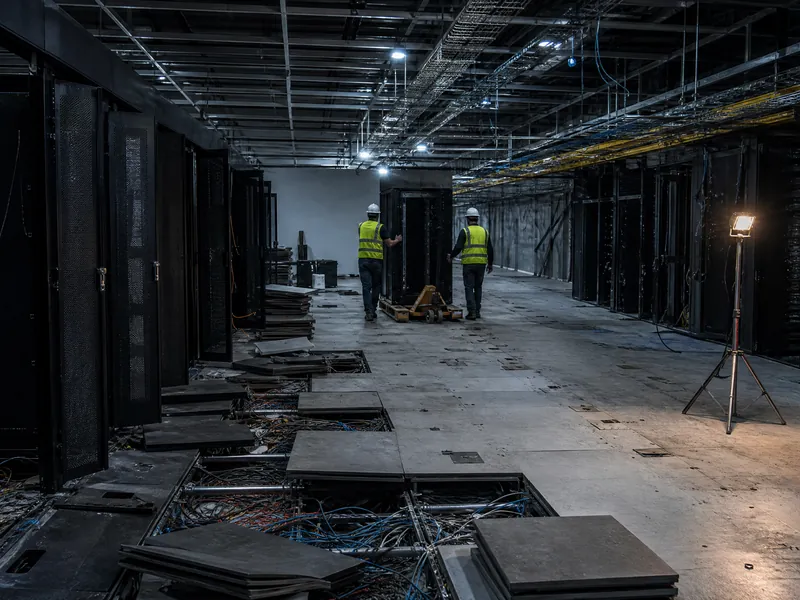
Once the primary electrical equipment has been removed, our wrecking crews focus on the structural steel framework that supported the buswork and transmission lines. Using excavators fitted with hydraulic shears, we systematically cut and lower the steel lattice towers, A-frames, and support columns. The steel is immediately processed on-site, sized to meet local scrap mill specifications, and loaded into roll-off containers.
The final phase involves the removal of concrete foundations, equipment pads, and containment pits. Substations feature deep, heavily reinforced concrete footings designed to support massive dynamic loads. We utilise heavy excavators with hydraulic breakers to fracture the concrete and separate the embedded rebar.
To minimise waste, we often crush the clean concrete on-site using mobile crushing plants. The resulting aggregate can be used to backfill excavated foundation voids. We then perform final grading, leaving a clean, level footprint.
Salvage and recovery
Asset Recovery and Salvage Credit Economics
Substation demolition presents significant opportunities for asset recovery, which can dramatically offset the net cost of the project. Electrical infrastructure is rich in high-value metals, including copper wire, aluminum busbars, electrical steel cores, and heavy structural iron. Our crews are trained to identify, segregate, and process these materials efficiently, ensuring they retain maximum market value.
We track current commodity prices and leverage relationships with national recycling networks to secure the best return for recovered metals. The value of this scrap is calculated and applied directly as a salvage credit against the total cost of the demolition work.
At the conclusion of the project, we provide a transparent accounting of all recovered materials, complete with scale tickets and recycling certificates. This documentation verifies the salvage credit applied to your invoice and supports your facility's landfill diversion goals.
In-house trades
Capabilities that run alongside this work
Coverage
Where we take on this work
Common questions
Questions owners and engineers ask
How do you ensure safety when demolishing a substation near live power lines?
Safety near live infrastructure requires rigorous planning and strict physical controls. We work directly with your facility engineers to verify complete de-energisation and lockout/tagout of the target footprint. We establish hard exclusion zones, implement grounding protocols to prevent induced voltage hazards, and use spotters during all heavy equipment operations. Our operators are trained to maintain required clearance distances from any adjacent live lines, ensuring the active grid remains secure.
What happens to the transformer oil and other hazardous fluids?
All insulating fluids, including mineral oils and SF6 gas, are systematically extracted before any structural dismantling begins. We use specialised pumping and containment systems to prevent spills. If the fluids contain PCBs, they are handled under strict chain-of-custody protocols and transported to certified disposal facilities. We provide complete environmental manifests at the end of the project, proving that all hazardous materials were managed in full compliance with EPA regulations.
Can the concrete foundations be recycled on-site?
Yes, recycling concrete foundations is a standard part of our process. After breaking out the heavily reinforced equipment pads and footings, we separate the rebar and process the concrete through mobile crushers. The resulting aggregate can be used to backfill the excavated voids, grade the site, or serve as a base layer for future construction. This approach significantly reduces trucking and landfill disposal costs.
How is the salvage credit calculated for the recovered metals?
The salvage credit is based on the current market value of the recovered materials, which primarily include copper windings, aluminum busbars, and structural steel. We segregate these metals on-site to maintain their purity and maximize their value. The total value is then applied as a direct credit against the gross cost of the demolition work. We provide transparent documentation, including scale tickets, to verify the exact tonnage and value recovered.
Do you handle the removal of the control buildings and battery banks?
Absolutely. We perform complete teardowns of relay houses and control buildings as part of the substation decommissioning. This includes the safe removal and recycling of lead-acid battery banks, as well as the abatement of any asbestos-containing materials found in older structures. We manage the entire scope of work, leaving you with a fully cleared and graded site ready for its next use.
Ready to price the teardown?
When it is time to retire aging electrical infrastructure, you need a contractor with the expertise to manage the hazards and maximize the recovered value. Industrial Demolition USA provides turnkey substation demolition and decommissioning services across the country. Contact us today at 954-740-1983 or email electricalequipmentbuyers@gmail.com to discuss your project requirements and schedule a site evaluation.