
Overview
Facility owners and industrial operators contract our crews to safely bring down massive steel structures, concrete silos, and processing units that have reached the end of their operational life. Our approach integrates hazardous material abatement, structural deconstruction, and aggressive asset recovery to offset the net cost of the project. We mobilize specialized heavy equipment and experienced personnel to handle the unique logistical and environmental challenges of working in the Gulf region. Navigating the high water tables of the coastal parishes and the dense operational footprints of the Mississippi River corridor requires precise engineering. We understand the specific demands of Louisiana's industrial base and execute our wrecking plans to clear your site safely.
The work
Executing Teardowns Along The Mississippi River Corridor
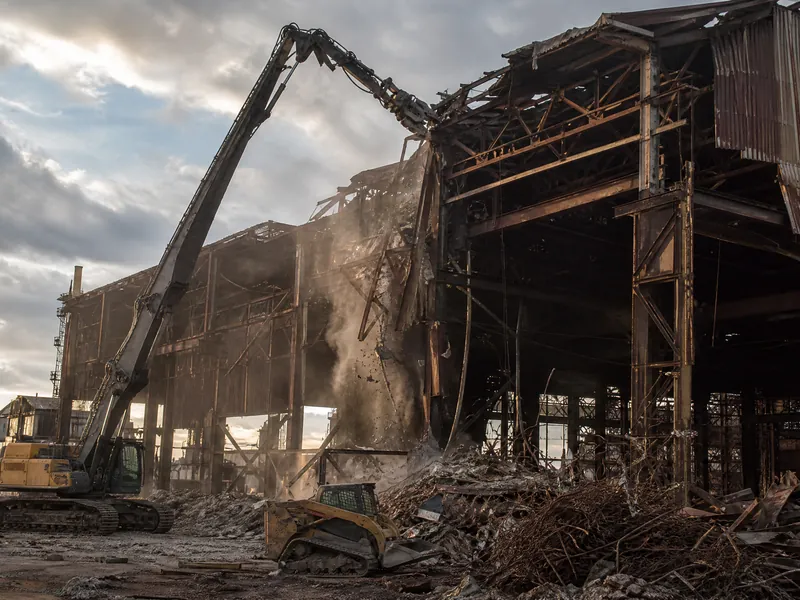
The industrial corridor stretching between Baton Rouge and New Orleans presents a dense concentration of chemical plants, refineries, and bulk processing facilities. Dismantling structures in this region requires navigating tight operational footprints where active pipelines and live processing units sit immediately adjacent to the demolition zone. We engineer our teardowns to isolate the target structures, utilizing controlled mechanical shearing and strategic torch cutting to bring down distillation columns and storage tanks without disrupting neighboring operations.
Working along the river also means managing the realities of a high water table and the constant threat of severe weather. Our project managers sequence the deconstruction to maintain site stability, prioritizing the removal of high-elevation hazards early in the schedule. We coordinate heavy lifts with strict adherence to wind load limits, ensuring that sudden Gulf squalls do not compromise the safety of the rigging or the structural integrity of partially dismantled frameworks.
Method and sequence
Retiring Legacy Power Generation And Entergy Units
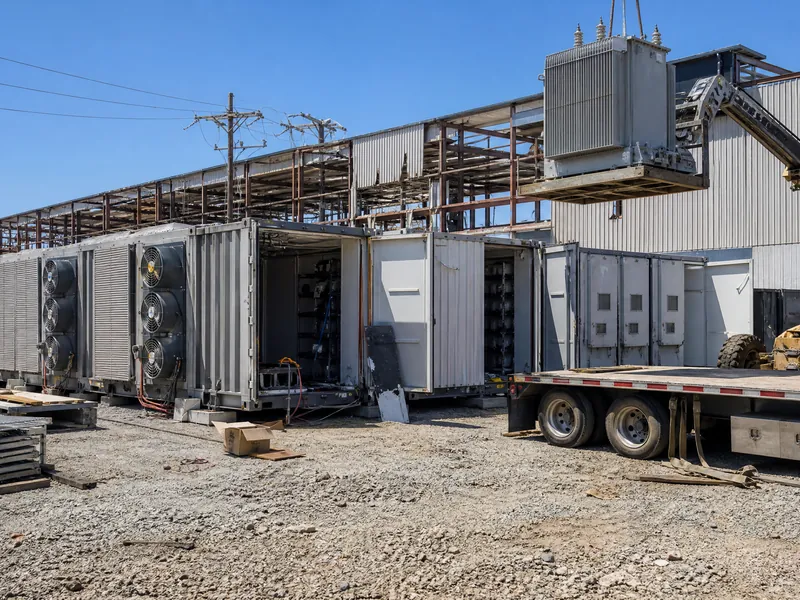
As the energy grid evolves across the state, Louisiana is seeing the retirement of older fossil fuel power plants and legacy Entergy generation units. Decommissioning these massive facilities involves the systematic removal of boilers, turbines, precipitators, and towering exhaust stacks. We approach power plant demolition by first isolating the massive electrical and mechanical systems, ensuring all critical utility disconnects are fully signed off before the heavy wrecking equipment moves in.
The systematic deconstruction of boiler houses and turbine halls yields significant quantities of heavy structural steel and non-ferrous metals. We process these materials directly on the concrete slab, sizing the steel for efficient transport to regional scrap processors. The sheer scale of these generation facilities requires high-reach excavators equipped with hydraulic shears to safely dismantle the upper elevations, bringing the material down to the ground where ground-level processing crews can safely separate the valuable alloys from the general demolition debris.
Local coverage
Cities we work in across Louisiana
Hazards and controls
Managing LDEQ Permitting And NESHAP Notifications
Regulatory compliance drives the schedule of any heavy industrial teardown in the state. Before any structural dismantling begins, we manage the mandatory 10-working-day NESHAP notification for asbestos, coordinating closely with the Louisiana Department of Environmental Quality (LDEQ). The LDEQ oversees the strict environmental protocols required when taking down facilities that have processed hydrocarbons, chemicals, or agricultural products for decades. We maintain strict adherence to these regulations.
Our environmental remediation teams handle the abatement of asbestos-containing materials, lead-based paints, and residual chemical contaminants prior to the main demolition phase. We secure all necessary county and city demolition permits, whether the project is located in the dense urban environment of New Orleans or the sprawling industrial zones of Lake Charles. Proper documentation and legal disposal of all hazardous waste streams protect the facility owner from future liability and ensure the site is fully cleared for its next phase of commercial or industrial development.
Sequence of work
How a project runs, stage by stage
Site walk and survey
We walk the structure with you, review drawings, and record structural condition, live utilities, hazardous materials and salvageable assets before any number is quoted.
Engineering and permits
An engineered demolition plan sets the sequence, exclusion zones and means of collapse. We file local permits and the federal pre-demolition notification, and collect utility isolation sign-offs.
Abatement and pre-clean
Regulated materials come out first under containment with clearance documentation, so the structural phase is never held up by a surprise inside a wall or a pipe chase.
Dismantling and teardown
High-reach machines, shears, torch crews and hand demolition work the sequence top-down or inside-out, with salvage separated as it comes out rather than picked from a mixed pile afterwards.
Processing and haul-off
Steel is sheared and shipped, concrete is crushed for reuse or hauled, and every regulated stream leaves under manifest to a permitted facility.
Grading and closeout
Foundations and slabs come out to the agreed depth, the site is graded and stabilised, and you receive manifests, clearance reports and closeout documentation.
Permits and notification
Dismantling Offshore Fabrication Yards And Marine Facilities
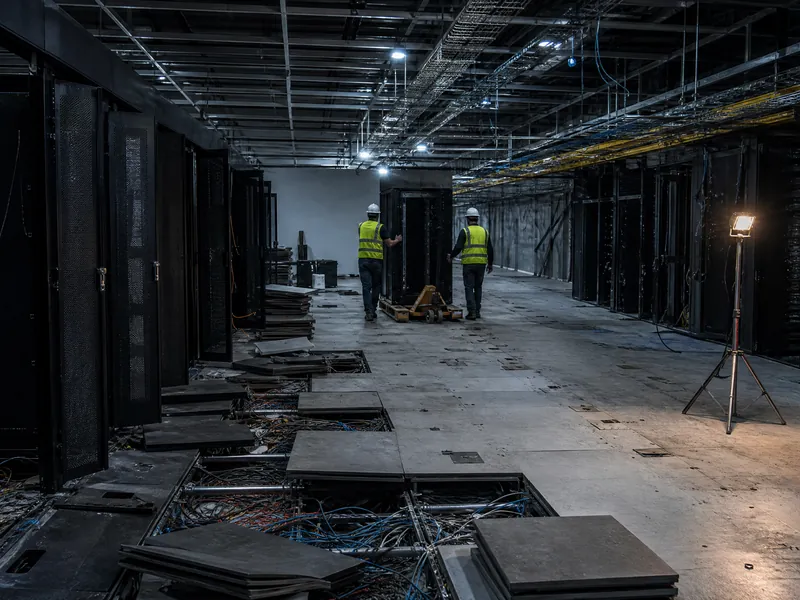
The Gulf Coast is home to numerous offshore fabrication yards, shipyards, and marine terminals that eventually require decommissioning or reconfiguration. Demolishing these coastal facilities introduces the challenge of severe salt corrosion, which can weaken structural connections and alter how steel frameworks behave during a teardown. We inspect the integrity of the load-bearing members before executing any cuts, adjusting our rigging and pulling strategies to account for the degraded condition of the marine-exposed steel.
Access to deep water ports and the Intracoastal Waterway provides a distinct logistical advantage for material load-out. When dismantling massive gantry cranes, drydock structures, or loading conveyors, we frequently utilize barge transport to move heavy scrap and oversized components directly to processing facilities. This marine logistics capability reduces the reliance on over-the-road trucking, bypassing the weight restrictions and traffic congestion of the coastal highway network while accelerating the overall site clearing schedule for the industrial property owner.
Salvage and recovery
Deconstructing Sugar Mills And Agricultural Processing Plants
Beyond the petrochemical sector, Louisiana has a deep history of agricultural processing, particularly in the sugar cane industry. Retiring an obsolete sugar mill involves dismantling massive crushing rollers, boiling houses, centrifuges, and extensive conveyor systems. These facilities are often characterized by heavy structural steel framing and thick concrete foundations designed to support the immense weight and vibration of the milling equipment over decades of continuous operation.
We deploy concrete crushers and hydraulic hammers to break apart the heavy foundations and silos, separating the rebar for recycling and processing the concrete into reusable aggregate. The dismantling of the processing equipment requires careful rigging to extract the heavy cast iron and steel components from within the building envelope. By systematically deconstructing the mill, we maximize the recovery of ferrous metals, generating a salvage credit that directly offsets the client's net cost for the entire site clearing project and prepares the land for redevelopment.
Logistics
Scrap Metal Recovery And Regional Material Logistics
The financial viability of a major industrial demolition project relies heavily on the efficient recovery and monetization of scrap metal. We do not buy equipment; rather, the salvage value of the recovered steel, copper, and alloys is applied as a credit against the total demolition expense. Louisiana's robust industrial base supports a strong network of scrap processors and foundries, providing accessible outlets for the massive volumes of material generated during a plant teardown.
Our crews process the scrap on-site, using mobile shears and torches to cut the structural steel, piping, and plate metal to the specific dimensions required by the receiving mills. We coordinate the logistics of moving this material from sites in Shreveport, Baton Rouge, and Lake Charles to the optimal regional buyers. Whether utilizing rail spur access, barge transport, or heavy-haul trucking, we manage the entire material stream to ensure the site is cleared efficiently and the value is maximized.
Common questions
Questions owners and engineers ask
What environmental regulations govern industrial teardowns in this state?
The Louisiana Department of Environmental Quality (LDEQ) oversees strict environmental compliance during plant dismantling. We handle all required filings, including the mandatory federal NESHAP 10-working-day notification for asbestos abatement. Our teams ensure that all hazardous materials and contaminated soils are properly managed and disposed of at licensed facilities before the heavy structural demolition commences.
How does your crew handle the dismantling of coastal marine terminals?
Coastal facilities present unique challenges due to the aggressive salt corrosion that weakens structural steel over time. We conduct thorough engineering assessments to determine the actual load-bearing capacity of the degraded frameworks before planning our cuts. Additionally, we leverage the proximity to navigable waterways, utilizing barges to transport heavy scrap away from the site, streamlining logistics in port cities.
Do you dismantle obsolete power generation facilities in the region?
We execute the complete deconstruction of retired power plants, including legacy Entergy units and independent generation stations. This work involves the systematic removal of massive boilers, turbines, and exhaust stacks. We coordinate the complex utility disconnects and manage the heavy rigging required to safely bring down the high-elevation structures, processing the resulting steel directly on the concrete slab.
How is the value of recovered scrap metal applied to the project?
The salvage value of the ferrous and non-ferrous metals recovered during the teardown is applied strictly as a credit that offsets the client's net cost of the demolition. We process the structural steel, copper wiring, and heavy alloys on-site to meet the sizing requirements of regional scrap buyers. We manage the entire logistics chain via truck, rail, or barge.
What methods are used to remove heavy concrete foundations?
We utilize heavy excavators equipped with hydraulic hammers and concrete pulverizers to break apart massive equipment pads, silos, and retaining walls. The concrete is systematically crushed to separate the embedded rebar, which is then sent for recycling. The remaining clean concrete rubble can often be crushed to a specific aggregate size and left on-site for use as backfill.
Ready to price the teardown?
When your facility reaches the end of its operational life, you need a contractor capable of managing the complex logistics and heavy deconstruction required in the Gulf region. Contact Industrial Demolition USA to discuss your upcoming plant retirement or structural dismantling project. Call 954-740-1983 or email electricalequipmentbuyers@gmail.com to schedule a comprehensive site evaluation.