
Overview
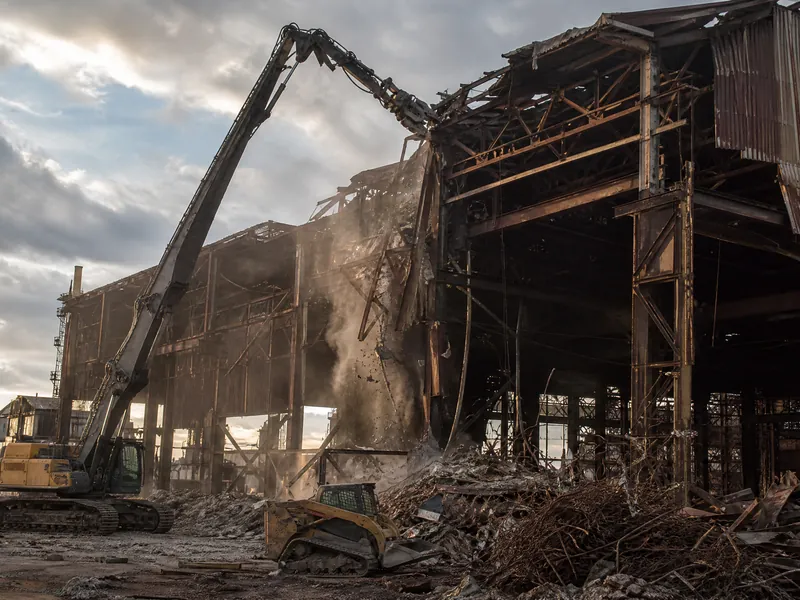
Clients pay us to execute complex deconstruction projects, managing everything from initial hazard abatement to final site clearing and concrete crushing. The sheer scale of industrial infrastructure in this region requires a contractor capable of handling massive steel structures, extensive piping networks, and deep concrete foundations. We deploy specialized heavy equipment and experienced crews to safely bring down obsolete assets, process the resulting scrap metal, and prepare the footprint for new development.
The work
Dismantling Chemical Processing Infrastructure Along The Coast
The concentration of refining and chemical processing capacity along the Texas coast presents unique challenges for structural dismantling. Facilities in Houston, Beaumont, and Corpus Christi operate in a high-corrosion marine environment, meaning steel structures and pipe racks often exhibit severe degradation before demolition begins. We approach these sites with rigorous engineering controls, recognizing that weakened structural members require careful sequencing.
Our crews isolate and dismantle complex process units and flare stacks while adjacent operations frequently remain active. We utilize specialized shears to systematically reduce towering structures, ensuring that all dropped material is controlled. The proximity to deepwater ports and major rail terminals facilitates the efficient movement of heavy scrap to processing facilities.
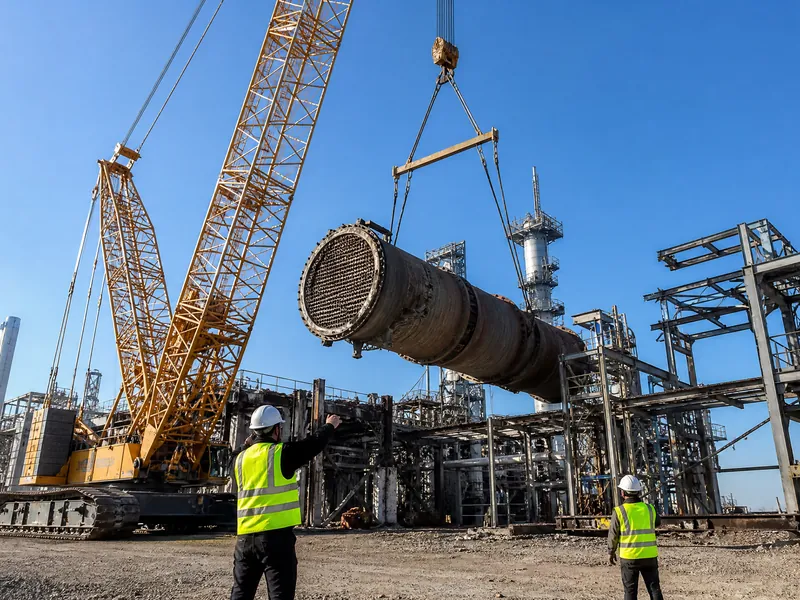
Coastal salt corrosion and hurricane exposure dictate the original wind load designs of these plants, which in turn dictates our demolition methodology. We engineer our rigging plans to account for the massive steel sections used in these robust facilities, ensuring safe dismantling from the top down.
Method and sequence
Felling Obsolete Power Generation And Boiler Structures
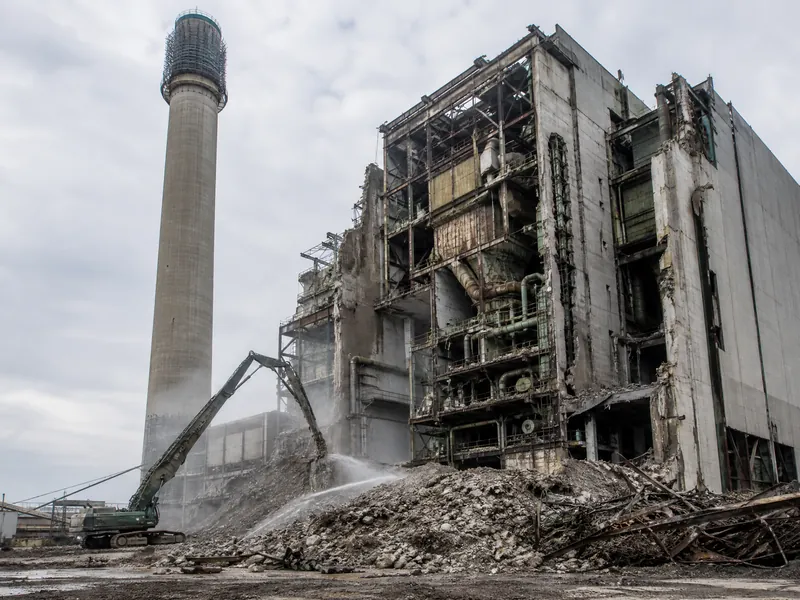
The transition of the energy grid has accelerated the retirement of older lignite power plants across the state. Taking down these massive generation facilities involves dismantling towering boiler houses and exhaust stacks that dominate the skyline. We execute the controlled felling of tall structures using engineered wire rope pulling techniques or precision implosion to bring the assets safely to the ground.
Turbine halls and generator sets contain significant quantities of heavy metals and valuable alloys. We systematically dismantle these components, recovering structural steel, copper windings, and transformer oil. The salvage value of these materials is applied as a credit that offsets the client's net cost for the demolition project.
Managing the subsurface realities of these sites is equally critical. Many older generation facilities sit on deep concrete mats that must be removed or crushed in place. We deploy heavy hydraulic hammers to break down these foundations, processing the material into reusable aggregate that can be left on site to fill voids.
Local coverage
Cities we work in across Texas
Hazards and controls
Navigating State Environmental Rules And Local Permitting
Regulatory compliance drives the schedule of any heavy industrial teardown. Before any structural demolition commences, we navigate the strict notification requirements enforced by the Texas Commission on Environmental Quality (TCEQ). This includes filing the mandatory federal NESHAP 10-working-day asbestos notification, which must be cleared before our excavators make their first cut.
Beyond state-level oversight, local permitting realities vary significantly between jurisdictions like Dallas and rural counties. We coordinate utility disconnect sign-offs, secure municipal demolition permits, and establish approved haul routes for heavy equipment. The sheer size of industrial sites often requires complex traffic control plans to manage the continuous flow of end-dump trailers leaving the facility.
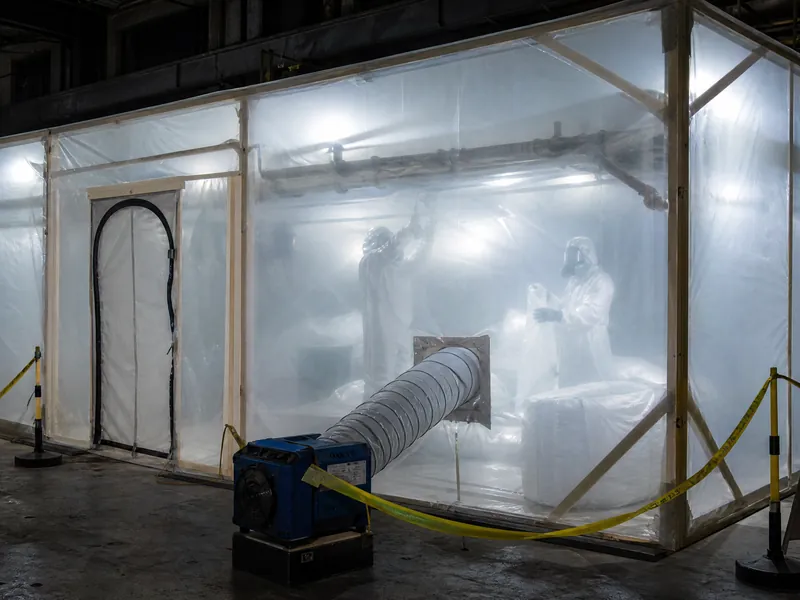
Environmental remediation and hazard abatement are integrated directly into our project sequencing. We remove regulated materials, drain residual fluids from process lines, and ensure that all hazardous waste is manifested and transported to approved disposal facilities. This prevents cross-contamination and ensures the site is legally cleared for the physical teardown.
Sequence of work
How a project runs, stage by stage
Site walk and survey
We walk the structure with you, review drawings, and record structural condition, live utilities, hazardous materials and salvageable assets before any number is quoted.
Engineering and permits
An engineered demolition plan sets the sequence, exclusion zones and means of collapse. We file local permits and the federal pre-demolition notification, and collect utility isolation sign-offs.
Abatement and pre-clean
Regulated materials come out first under containment with clearance documentation, so the structural phase is never held up by a surprise inside a wall or a pipe chase.
Dismantling and teardown
High-reach machines, shears, torch crews and hand demolition work the sequence top-down or inside-out, with salvage separated as it comes out rather than picked from a mixed pile afterwards.
Processing and haul-off
Steel is sheared and shipped, concrete is crushed for reuse or hauled, and every regulated stream leaves under manifest to a permitted facility.
Grading and closeout
Foundations and slabs come out to the agreed depth, the site is graded and stabilised, and you receive manifests, clearance reports and closeout documentation.
Permits and notification
Dismantling Oilfield Infrastructure In The Permian Basin
West Texas presents a distinctly different operating environment compared to the coastal refining centers. Demolishing obsolete oilfield facilities and gas processing plants in the Permian Basin requires mobilizing heavy equipment across vast distances. The arid climate and expansive clay soils impact how we stage our machinery and manage dust suppression during concrete crushing operations.
We dismantle tank batteries, gathering manifolds, and separation equipment, often working in remote locations where logistical planning is paramount. The hauling distance to the nearest scrap processing outlet can be substantial, requiring efficient load maximization and coordinated trucking schedules. We process steel scrap on site, shearing it to mill-ready dimensions to reduce transportation costs.
Water scarcity in this region means we must be highly efficient with our dust control measures. We utilize targeted misting systems and chemical dust suppressants to maintain visibility and comply with air quality standards while breaking down concrete foundations and processing demolition debris.
Salvage and recovery
Tearing Down Heavy Construction Material Manufacturing Sites
The heavy construction materials industry relies on massive infrastructure that eventually reaches the end of its operational life. Tearing down cement kilns, clinker silos, and aggregate crushing plants involves dealing with heavily reinforced concrete and thick steel plate. These structures are built to withstand extreme wear and vibration, making their demolition a test of equipment power and operator skill.
We utilize high-reach excavators equipped with hydraulic breakers and pulverizers to systematically reduce towering silos and storage domes. The internal steel reinforcement is separated from the concrete using magnets, allowing both material streams to be recycled efficiently. Managing the massive volume of debris requires continuous loading to keep the active work zone clear.
The physical site conditions at these facilities often include steep terrain, deep quarries, and limestone bedrock. We engineer our demolition plans to account for these constraints, ensuring that heavy machinery operates on stable ground and that demolished material does not impact adjacent active mining operations. The resulting crushed concrete is frequently repurposed on site.
Logistics
Scrap Metal Recovery And Regional Salvage Markets
The economics of heavy industrial demolition are heavily influenced by the efficient recovery and routing of scrap metal. Texas boasts a robust network of steel mills, foundries, and specialized scrap processors capable of absorbing the massive tonnage generated by plant teardowns. We segregate ferrous and non-ferrous metals at the source, separating structural I-beams, heavy plate, and stainless steel piping.
By processing the material on site with mobile shears and balers, we prepare the scrap for direct transport to the most advantageous regional outlets. Whether loading barges at coastal ports or utilizing rail spur access to move gondola cars, we optimize the logistics of material disposal.
The value of this recovered metal is never paid out directly; rather, it is calculated as a salvage credit that directly reduces the overall cost of the demolition contract. This integrated approach to asset recovery ensures that clients receive maximum value for their retired infrastructure while achieving a completely cleared site ready for its next application.
Common questions
Questions owners and engineers ask
What factors influence the timeline of a chemical plant teardown?
Project duration is dictated by the complexity of the process units, the extent of required environmental abatement, and the physical constraints of the site. High-corrosion environments along the Gulf Coast often require slower, more deliberate dismantling sequences to ensure structural stability during the teardown. Additionally, the mandatory 10-working-day NESHAP notification period and local permitting processes must be completed before physical demolition can begin.
Where does the structural steel go after a facility is dismantled?
Once we shear and process the structural steel on site, the material is transported directly to regional foundries and steel mills across the state. The market value of this processed scrap is calculated as a salvage credit, which directly offsets the client's net expense for the demolition contract. This ensures the material is efficiently recycled while reducing overall project costs.
Do you manage the removal of deep concrete foundations?
Heavy hydraulic equipment is deployed to break apart massive concrete mats, drilled piers, and equipment pedestals. Depending on the site's subsurface conditions, such as expansive clay or shallow bedrock, we may crush the concrete on site into reusable aggregate. This processed material can be used to fill subsurface voids or stabilize the ground for future construction.
What methods are used to bring down tall exhaust stacks?
Tall structures like boiler houses and exhaust stacks are typically brought down using engineered wire rope pulling techniques or controlled explosive felling. The chosen method depends on the proximity of adjacent active facilities, the structural integrity of the asset, and local wind or seismic design factors. Once on the ground, the structures are sheared and processed for scrap.
Are you equipped to handle projects with limited logistical access?
Operating in remote areas like the Permian Basin or congested coastal ports requires extensive logistical planning. We mobilize specialized heavy equipment and establish coordinated trucking schedules to manage the continuous flow of debris and scrap metal. By processing materials on site to mill-ready dimensions, we maximize load efficiency and minimize the number of transport vehicles required to clear the footprint.
Ready to price the teardown?
When your facility reaches the end of its operational life, you need a contractor capable of managing the entire deconstruction process safely and efficiently. We commit to executing complex teardowns that meet all regulatory requirements and prepare your site for its next phase. Call 954-740-1983 or email electricalequipmentbuyers@gmail.com to discuss your industrial demolition project.