
Overview
This discipline demands rigorous dust containment, vibration control, and strict adherence to safety protocols to protect adjacent sensitive equipment and personnel. We manage the entire process, from utility isolation and hazardous material abatement to the careful extraction of heavy machinery and structural modifications. By utilizing specialized compact equipment and engineered rigging plans, we safely remove obsolete assets while preserving the integrity of the remaining structure, ensuring minimal downtime and maximizing the value of recovered materials.
The work
Pre-Demolition Planning and Utility Isolation
The success of any selective interior demolition project relies on meticulous pre-demolition planning and precise utility isolation. Before any dismantling begins, our project managers conduct a thorough site walk with facility engineers to identify the exact scope of removal and map all active utility lines. We review as-built drawings and utilize ground-penetrating radar to locate embedded conduits, ensuring that critical electrical, water, gas, and compressed air systems serving adjacent active areas remain uninterrupted. This detailed planning phase is essential for preventing accidental outages and maintaining the operational continuity of the plant.
Utility isolation, or lock-out/tag-out (LOTO), is executed with uncompromising strictness. Our qualified personnel physically disconnect and cap all services feeding the demolition zone, verifying zero energy states before any cutting or wrecking commences. We coordinate closely with plant management to schedule necessary shut-downs during off-peak hours, minimizing the impact on production schedules. This rigorous approach to utility management protects our crews from electrical and mechanical hazards while safeguarding the facility's critical infrastructure from damage during the teardown process.
Method and sequence
Environmental Containment and Hazard Abatement
Executing demolition within an enclosed, often active industrial environment requires robust environmental containment strategies. We construct heavy-duty, fire-retardant temporary partitions to completely isolate the work zone from the rest of the facility. These barriers prevent the migration of dust, debris, and noise into operational areas. We deploy industrial-grade negative air machines equipped with HEPA filters to maintain negative pressure within the containment zone, ensuring that airborne particulates are captured and exhausted safely outside. This level of control is critical in food processing, pharmaceutical, and high-tech manufacturing environments where contamination is unacceptable.
Prior to structural dismantling, our specialized teams address any hazardous materials present within the scope of work. This includes the abatement of asbestos-containing materials in pipe insulation, the removal of lead-based paint on structural steel, and the safe extraction of universal wastes such as fluorescent bulbs. All remediation activities are conducted in strict compliance with EPA and OSHA regulations, utilizing proper personal protective equipment and specialized disposal protocols. By integrating hazard abatement directly into our demolition sequence, we streamline the project schedule and eliminate the need for multiple specialty contractors.
More scope we cover
Related demolition service lines
Substation Demolition
Industrial Demolition USA performs complete substation demolition and decommissioning for utility providers,…
Emergency Demolition
Industrial Demolition USA provides rapid-response emergency demolition and structural stabilisation for…
Industrial Demolition
Industrial Demolition USA provides comprehensive heavy industrial demolition and dismantling services for…
Hazards and controls
Specialized Equipment and Dismantling Techniques
Interior demolition requires a specialized approach, utilizing equipment and techniques designed specifically for confined spaces and weight-restricted floors. We deploy a fleet of compact, low-emission, and electric-powered machinery, including mini-excavators, robotic demolition brokk machines, and electric skid steers. These specialized units provide the necessary power to break concrete and shear steel without introducing harmful exhaust fumes into the building. Robotic breakers allow operators to control the equipment from a safe distance, significantly reducing the risk of injury from falling debris during the teardown.
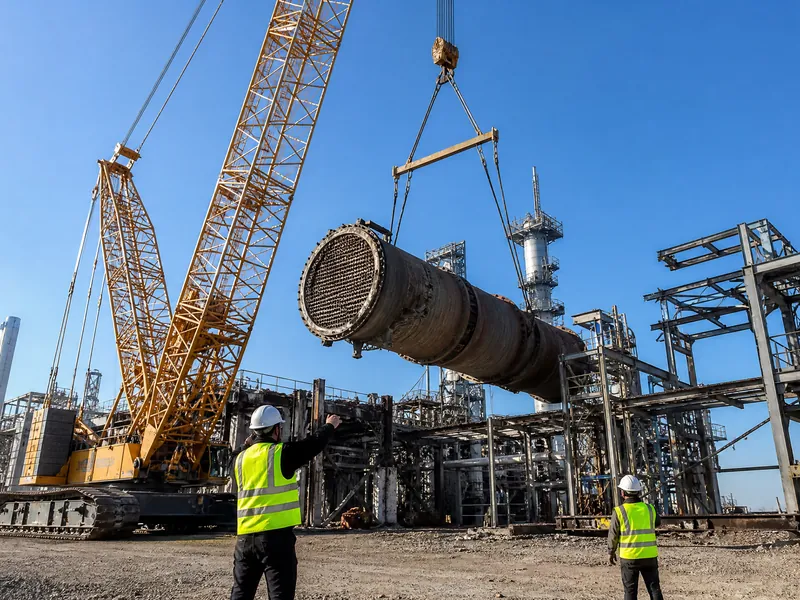
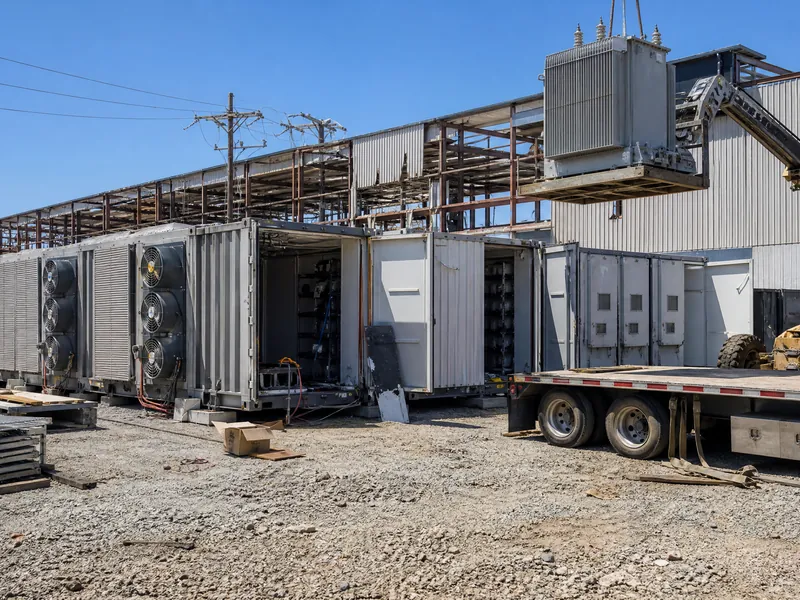
For the removal of heavy industrial equipment, such as boilers, chillers, and manufacturing presses, we employ engineered rigging and dismantling techniques. Our crews utilize gantry cranes, heavy-duty skates, and specialized lifting equipment to carefully extract massive components through tight corridors. When equipment is too large to be removed intact, we utilize hot work techniques, such as torch cutting, to section the machinery into manageable pieces. All hot work is conducted under strict fire watch protocols, with extensive fire blankets and suppression equipment deployed to protect the surrounding facility.
Sequence of work
How a project runs, stage by stage
Site walk and survey
We walk the structure with you, review drawings, and record structural condition, live utilities, hazardous materials and salvageable assets before any number is quoted.
Engineering and permits
An engineered demolition plan sets the sequence, exclusion zones and means of collapse. We file local permits and the federal pre-demolition notification, and collect utility isolation sign-offs.
Abatement and pre-clean
Regulated materials come out first under containment with clearance documentation, so the structural phase is never held up by a surprise inside a wall or a pipe chase.
Dismantling and teardown
High-reach machines, shears, torch crews and hand demolition work the sequence top-down or inside-out, with salvage separated as it comes out rather than picked from a mixed pile afterwards.
Processing and haul-off
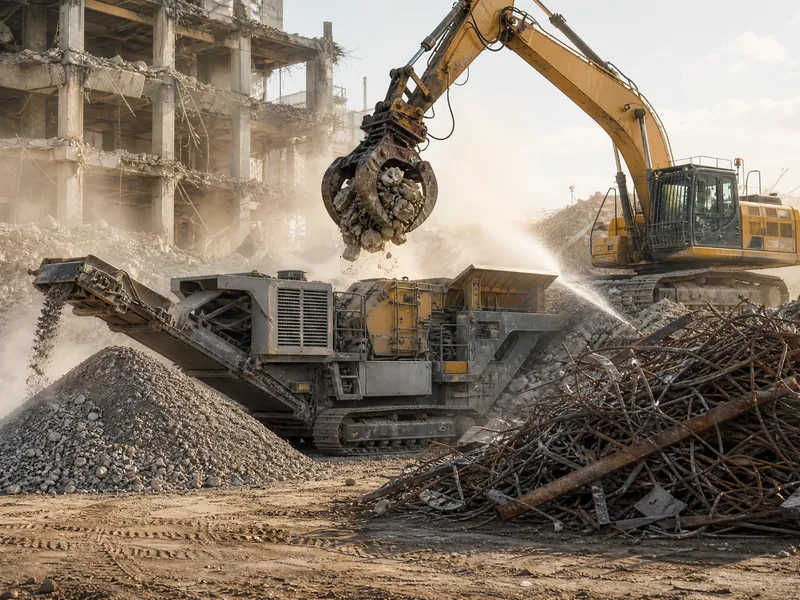
Steel is sheared and shipped, concrete is crushed for reuse or hauled, and every regulated stream leaves under manifest to a permitted facility.
Grading and closeout
Foundations and slabs come out to the agreed depth, the site is graded and stabilised, and you receive manifests, clearance reports and closeout documentation.
Permits and notification
Structural Modifications and Concrete Cutting
Many interior decommissioning projects involve significant structural modifications, such as the creation of new equipment pits, the removal of mezzanine levels, or the cutting of new access shafts. Our crews are highly skilled in precision concrete cutting and coring, utilizing diamond-wire saws, flat saws, and wall saws to make clean, accurate cuts through heavily reinforced concrete. This specialized cutting technology minimizes vibration and structural shock, protecting the integrity of the remaining building framework and preventing damage to sensitive equipment located nearby.
When removing structural steel elements, we employ a carefully engineered sequence to maintain the stability of the building. Temporary shoring and bracing are installed to support the structure while load-bearing columns or beams are removed or relocated. Our engineering team calculates the precise load transfers required, ensuring that the facility remains structurally sound throughout the modification process. This meticulous approach allows us to execute complex architectural changes, such as combining multiple floor levels or expanding production areas, while the rest of the plant continues to operate safely.
Salvage and recovery
Material Handling and Asset Recovery
Efficient material handling is a critical logistical challenge in interior demolition, as debris must be transported from the work zone to exterior load-out areas without disrupting plant operations. We design custom material flow plans, utilizing dedicated freight elevators, temporary debris chutes, and specialized material handlers to move rubble and scrap efficiently. We establish clear travel paths and coordinate material movement during off-shift hours whenever possible, minimizing interference with facility personnel.
Asset recovery is a central focus of our interior dismantling operations. We meticulously sort and segregate materials at the point of generation, separating valuable metals, such as copper wiring, stainless steel piping, and aluminum fixtures, from general construction debris. The salvage value of these recovered materials is applied as a credit to the client, significantly reducing the net cost of the project. We also identify and carefully extract reusable industrial equipment, preserving their value for redeployment. All non-recoverable waste is manifested and transported to licensed disposal facilities, with comprehensive documentation provided at project closeout.
In-house trades
Capabilities that run alongside this work
Coverage
Where we take on this work
Common questions
Questions owners and engineers ask
How do you prevent dust and noise from disrupting our active manufacturing operations?
We implement strict environmental controls, including the construction of floor-to-ceiling, fire-retardant partitions to isolate the work zone. We utilize HEPA-filtered negative air machines to capture airborne particulates and prevent dust migration. To manage noise and vibration, we use specialized electric and robotic equipment, and we coordinate the most disruptive activities, such as heavy concrete breaking, during your facility's off-peak hours or scheduled downtime to ensure your operations continue without interruption.
Can you remove large industrial equipment from upper floors or confined spaces?
Yes, our crews specialize in the extraction of heavy machinery from challenging locations. We utilize engineered rigging plans, gantry cranes, and heavy-duty skates to maneuver equipment through tight corridors. If a piece of machinery is too large to be removed intact, our skilled technicians use controlled torch cutting and dismantling techniques to section the equipment into manageable pieces that can be safely transported out of the facility.
How do you handle hazardous materials found during interior demolition?
We provide comprehensive environmental remediation services as part of our turnkey demolition package. Prior to structural dismantling, our certified abatement teams safely remove asbestos, lead-based paint, and universal wastes in strict compliance with EPA and OSHA regulations. By integrating abatement into our scope of work, we ensure the work area is safe for our crews and your personnel, while streamlining the project schedule and reducing overall costs.
What is the process for isolating utilities before interior demolition begins?
Utility isolation is a critical safety step. We conduct a thorough site walk with your facility engineers to identify and map all active lines. Our qualified personnel then physically disconnect and cap all electrical, water, gas, and compressed air services feeding the demolition zone, implementing strict lock-out/tag-out (LOTO) procedures. We verify zero energy states before any work commences, ensuring the safety of our crews and preventing accidental outages in active areas.
How is the salvage value of removed equipment and metals calculated?
During the pre-demolition planning phase, we conduct a detailed inventory of all recoverable assets, including heavy machinery, copper wiring, and structural steel. We estimate the market value of these materials and apply this amount as a salvage credit, which directly offsets the net cost of your demolition project. We manage the entire asset recovery process, ensuring you receive the maximum financial benefit from the materials removed from your facility.
Ready to price the teardown?
Industrial Demolition USA delivers precision interior demolition and dismantling services tailored to the unique constraints of active industrial facilities. Contact us to schedule a site walk and receive a detailed project proposal. Call 954-740-1983 or email electricalequipmentbuyers@gmail.com to speak with our project management team today.