
Overview
We deploy specialized high-reach excavators and industrial shears to systematically dismantle obsolete infrastructure across the state. Whether clearing retired PSEG units or decommissioning pharmaceutical plants along the Route 1 corridor, our crews manage the entire structural removal process. Every project integrates strict environmental controls to protect adjacent operations and local waterways. We handle the heavy lifting, structural shearing, and material processing required to prepare complex industrial sites for their next phase of development.
The work
Structural Removal for Petrochemical Facilities and Refineries
Taking down heavy processing infrastructure along the Arthur Kill requires specialized mechanical shearing and systematic dismantling techniques. Petrochemical facilities contain dense networks of heavy steel piping, massive pressure vessels, and towering distillation columns that must be brought down safely. Our crews utilize heavy excavators equipped with hydraulic shears to cut through thick structural steel and process heavy scrap directly on the ground. Before any structural cutting begins, we verify that all lines are fully purged and isolated from active utility grids. The dismantling sequence is engineered to maintain structural stability while progressively reducing the height of the facility. We separate high-value alloys and heavy carbon steel during the teardown, which generates a salvage credit that reduces net cost for the facility owner. By employing controlled mechanical demolition methods, we eliminate the risks associated with manual torch cutting at height. This rigorous approach ensures that complex refinery structures in New Jersey are removed efficiently.
Method and sequence
Decommissioning Manufacturing Hubs and Pharmaceutical Complexes
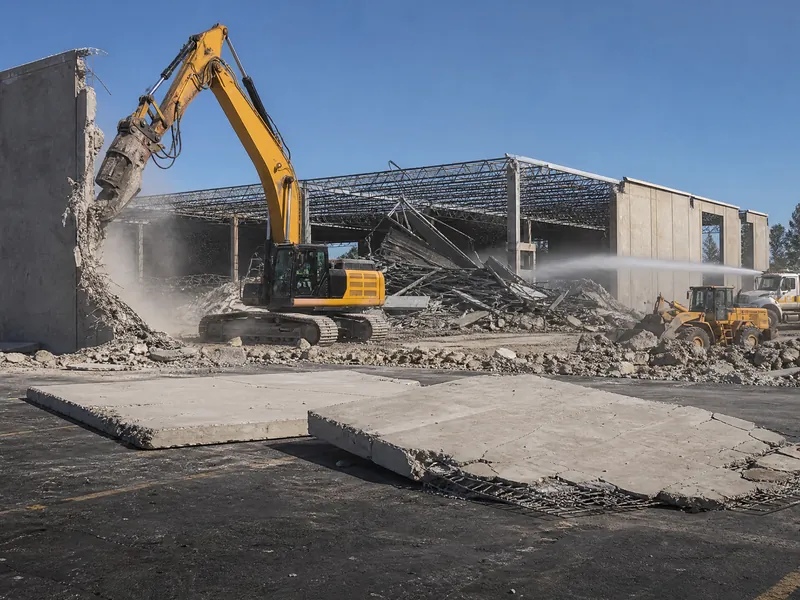
The Route 1 corridor is home to numerous aging pharmaceutical plants and specialized manufacturing facilities that require careful structural removal. Tearing down these highly engineered buildings involves dismantling cleanrooms, heavy HVAC systems, and complex mechanical penthouses before tackling the main structural frame. We deploy specialized equipment to carefully dismantle interior heavy machinery and process lines without compromising the structural integrity of the building envelope. Once the interior heavy assets are removed, our high-reach machines systematically chew through the exterior walls and roof structures. The concrete slabs and foundation elements are then broken apart using heavy hydraulic hammers. Throughout the demolition of these pharmaceutical complexes, we implement rigorous dust suppression techniques to prevent airborne particulates from affecting neighboring properties. The structural steel recovered during the teardown is sorted and processed, providing a salvage credit against project cost. Our systematic approach ensures that obsolete manufacturing hubs across New Jersey are completely leveled.
Local coverage
Cities we work in across New Jersey
Hazards and controls
Tearing Down Massive Logistics and Port Warehouses
Clearing obsolete port warehousing in Newark and Elizabeth demands high-capacity equipment capable of processing massive volumes of structural steel and concrete. These sprawling logistics centers feature heavy steel frames, thick concrete tilt-up panels, and extensive loading dock infrastructure that must be systematically demolished. Our operators use heavy-duty grapples and concrete pulverizers to bring down the massive walls and roof trusses safely. As the structure is dismantled, we separate the structural steel from the concrete rubble to maximize material recovery.
- Heavy steel beams are sheared to transportable lengths.
- Concrete slabs are broken and prepared for crushing.
- Roofing materials are segregated for proper disposal.
The sheer scale of these port facilities requires a highly coordinated logistical approach to manage the continuous flow of debris leaving the site. We coordinate heavy truck traffic to ensure that the demolition footprint remains clear. By efficiently tearing down these massive warehouses, we help developers unlock valuable real estate in New Jersey.
Sequence of work
How a project runs, stage by stage
Site walk and survey
We walk the structure with you, review drawings, and record structural condition, live utilities, hazardous materials and salvageable assets before any number is quoted.
Engineering and permits
An engineered demolition plan sets the sequence, exclusion zones and means of collapse. We file local permits and the federal pre-demolition notification, and collect utility isolation sign-offs.
Abatement and pre-clean
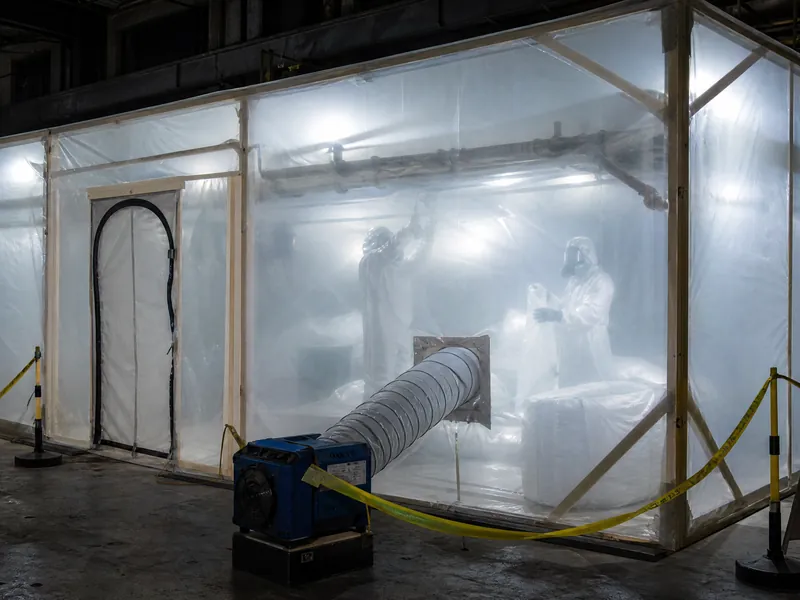
Regulated materials come out first under containment with clearance documentation, so the structural phase is never held up by a surprise inside a wall or a pipe chase.
Dismantling and teardown
High-reach machines, shears, torch crews and hand demolition work the sequence top-down or inside-out, with salvage separated as it comes out rather than picked from a mixed pile afterwards.
Processing and haul-off
Steel is sheared and shipped, concrete is crushed for reuse or hauled, and every regulated stream leaves under manifest to a permitted facility.
Grading and closeout
Foundations and slabs come out to the agreed depth, the site is graded and stabilised, and you receive manifests, clearance reports and closeout documentation.
Permits and notification
Dismantling Obsolete Power Generation and Utility Structures
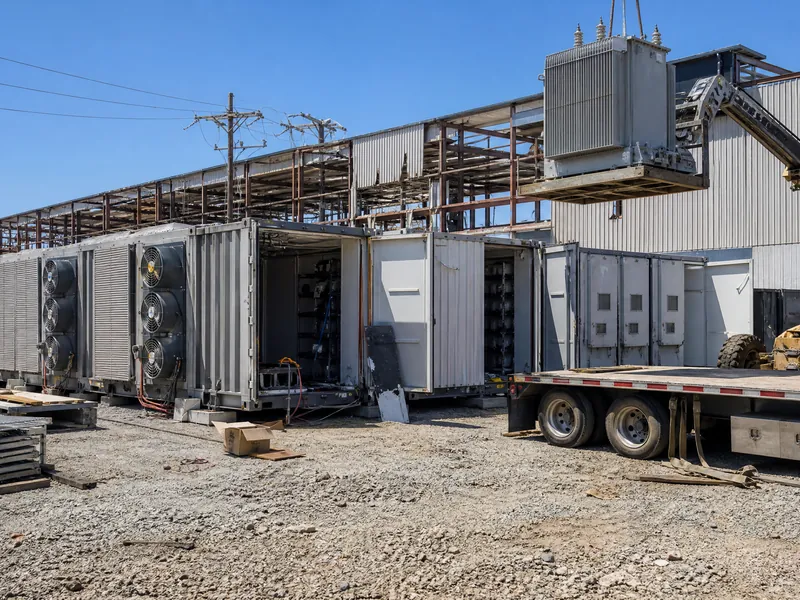
Removing retired PSEG units and other aging power generation infrastructure involves tackling some of the most robust structures in the industrial sector. These facilities are built with massive steel girders, reinforced concrete turbine pedestals, and towering exhaust stacks that require specialized high-reach demolition techniques. We engineer a precise dismantling sequence to safely bring down heavy boilers, massive turbines, and extensive coal or gas handling infrastructure. Our heavy excavators utilize specialized attachments to cut through the dense structural steel and break apart the heavily reinforced concrete foundations. The dismantling of these utility structures often involves working in close proximity to active substations, requiring extreme precision and vibration monitoring. The massive quantities of heavy steel recovered from these power plants are processed on-site, generating a significant salvage credit that reduces net cost for the utility owner. By systematically tearing down these obsolete power generation facilities, we clear the way for modern energy infrastructure across the state.
Salvage and recovery
Managing Environmental Controls and NJDEP Filing Requirements
Executing heavy industrial teardowns in New Jersey requires strict adherence to state environmental regulations and rigorous site controls. Filing with the NJDEP involves submitting detailed demolition notifications, outlining asbestos abatement completion, and detailing the methods for managing hazardous materials prior to structural removal. We coordinate closely with environmental consultants to ensure that all NJDEP requirements are fully satisfied before our heavy equipment arrives on site. During the actual teardown, we implement comprehensive stormwater management and runoff controls to protect local waterways and municipal drainage systems. Dust suppression is maintained continuously using high-volume water cannons to prevent particulate migration beyond the property line. Furthermore, we track all material streams leaving the site to comply with state recycling mandates and provide accurate documentation for the facility owner. By proactively managing these environmental controls and maintaining transparent communication with the NJDEP, we ensure that complex industrial demolition projects proceed without regulatory delays.
Logistics
Heavy Mechanical Dismantling in Dense Urban Environments
Executing structural teardowns in densely populated cities like Trenton and Camden requires a highly controlled approach to mitigate impacts on surrounding communities. Industrial facilities in these urban centers are often situated immediately adjacent to active roadways, commercial businesses, or residential neighborhoods. We utilize specialized high-reach excavators to carefully dismantle tall structures piece by piece, pulling the debris inward to contain the footprint. This top-down mechanical approach eliminates the need for explosive felling and minimizes ground vibration that could affect neighboring foundations. Our crews install robust perimeter fencing and debris netting to protect adjacent properties from flying debris. We also carefully manage the sequencing of heavy truck traffic to minimize disruption to local streets. The heavy steel recovered during these urban teardowns is processed efficiently, providing a salvage credit that reduces net cost. By employing these precise mechanical dismantling techniques, we safely remove obsolete industrial infrastructure from New Jersey's most congested urban environments.
Common questions
Questions owners and engineers ask
In what way does the value of recovered steel impact the overall expense of tearing down a factory?
When we dismantle a heavy manufacturing facility, we recover significant quantities of structural steel, heavy machinery, and non-ferrous metals. The value of these recovered materials is calculated and applied as a salvage credit against project cost. This approach directly reduces net cost for the facility owner. We handle all the heavy processing and logistics, ensuring that the scrap is efficiently separated and transported, which maximizes the financial return while clearing the site.
What specific steps are required to comply with state environmental regulators before starting a structural teardown?
Before initiating any heavy structural removal, we must ensure full compliance with state regulations. This involves submitting the required 10-day notification to the NJDEP, which details the scope of the demolition and confirms that all hazardous materials have been properly abated. We also implement strict site controls, including stormwater runoff protection and dust suppression plans, to satisfy NJDEP mandates. Proper documentation and proactive communication with regulators prevent costly delays and ensure the project proceeds smoothly.
How do your crews safely bring down tall industrial structures located near active businesses in Trenton or Camden?
We utilize specialized high-reach excavators equipped with hydraulic shears and grapples to systematically dismantle tall structures from the top down. This method allows our operators to carefully pull the structural elements inward, containing the debris within the building's original footprint. By avoiding explosive methods and minimizing the dropping of heavy debris, we significantly reduce ground vibration and noise. This controlled mechanical approach ensures the safety of adjacent properties and active businesses in dense urban environments.
What methods are used to clear massive concrete foundations after a port logistics center is demolished?
Once the above-ground structure of a massive logistics center is removed, we deploy heavy excavators with hydraulic hammers to break apart the thick concrete slabs and deep foundation footings. The broken concrete is then processed using pulverizers to separate out the reinforcing steel rebar. Depending on the site requirements, the clean concrete rubble can be crushed on-site to create a reusable aggregate base for future construction, or it can be loaded and hauled away to approved recycling facilities.
How is the dismantling sequence planned for retiring power generation facilities to ensure site safety?
Tearing down retired PSEG units and other power generation structures requires meticulous engineering. We develop a detailed dismantling sequence that addresses the removal of massive boilers, heavy turbines, and towering exhaust stacks. The plan ensures that the structural integrity of the remaining framework is maintained as the facility is progressively lowered. We also coordinate the complete isolation of all high-voltage lines and active utilities before any heavy mechanical cutting begins, ensuring a safe environment for our operators.
Ready to price the teardown?
Clearing obsolete industrial infrastructure requires specialized heavy equipment and rigorous safety protocols. Our experienced crews are ready to safely dismantle your chemical plant, warehouse, or manufacturing facility across New Jersey. Contact us today at 954-740-1983 or email electricalequipmentbuyers@gmail.com to discuss your structural removal project and request a comprehensive proposal.