
Overview
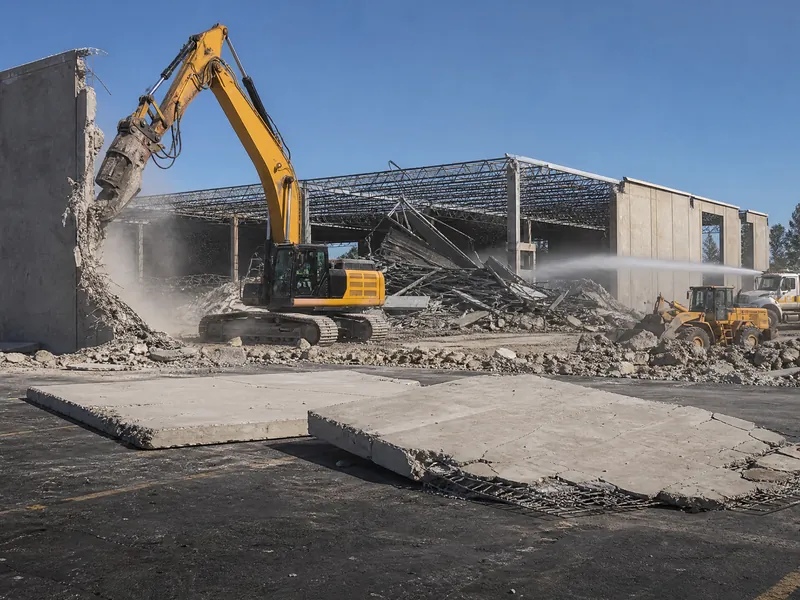
This approach requires meticulous planning, precise engineering, and rigorous safety protocols to ensure the structure falls exactly within the designated footprint. Our team manages the entire process, from initial structural analysis and blast design to pre-weakening, explosive placement, and post-blast debris processing. We coordinate with local authorities, manage all necessary permits, and implement comprehensive dust and vibration control measures. By utilizing advanced techniques, we deliver safe and predictable results for the most complex teardown projects.
The work
Structural Analysis and Blast Engineering Design
The foundation of any successful implosion project is a comprehensive structural analysis and blast engineering design. Before physical work begins, our engineering team conducts an exhaustive review of the facility's original construction drawings and current condition. We analyze load paths, material strengths, and the specific geometry of the structure to determine the optimal sequence of failure. This detailed assessment allows us to design a precise blast plan that dictates exactly where, when, and how the structure will yield.
The blast design specifies the type, quantity, and placement of explosives required to initiate the collapse. We utilize advanced computer modeling to simulate the implosion sequence, predicting the trajectory of falling debris and the resulting ground vibration. This predictive modeling is crucial for ensuring the structure collapses entirely within its own footprint, minimizing the risk to adjacent facilities. The engineering phase also includes the design of pre-weakening cuts, which are essential for guiding the structure's descent and reducing the amount of explosives needed.
Method and sequence
Pre-Weakening and Preparation of the Structure
Once the blast design is finalized, the physical preparation of the structure begins with a critical phase known as pre-weakening. This process involves the strategic removal of non-load-bearing elements and the precise cutting of structural supports to facilitate the planned collapse. Our crews use specialized equipment, including high-powered torches and hydraulic shears, to sever specific connections and weaken columns, ensuring the structure will fail exactly as designed when the explosives are detonated.
In addition to structural modifications, the preparation phase includes the removal of hazardous materials and the isolation of utilities. All asbestos, lead-based paint, and other regulated substances must be abated prior to the implosion to prevent environmental contamination. Utility isolation is equally critical; all electrical, gas, water, and communication lines must be physically disconnected and verified to prevent secondary hazards during the blast. We also deploy heavy-duty blasting mats and chain-link fencing to wrap columns and shield adjacent structures from flying debris.
More scope we cover
Related demolition service lines
Interior Demolition
Industrial Demolition USA provides selective interior demolition and dismantling services for active…
Substation Demolition
Industrial Demolition USA performs complete substation demolition and decommissioning for utility providers,…
Emergency Demolition
Industrial Demolition USA provides rapid-response emergency demolition and structural stabilisation for…
Hazards and controls
Explosive Placement and Detonation Sequencing
The placement of explosives is the most critical and sensitive phase of the implosion process. Following the precise specifications of the blast design, our specialized technicians drill boreholes and attach explosive charges to the designated structural elements. Linear shaped charges are typically used for slicing through heavy steel columns, while dynamite or similar explosives are used to shatter concrete supports. Every charge is carefully positioned and secured to ensure maximum effectiveness and direct the force of the blast exactly where it is needed.
The sequencing of the detonation is what controls the direction and manner of the structure's collapse. We utilize advanced electronic initiation systems that allow for microsecond precision in the timing of the blasts. By detonating the charges in a specific, staggered sequence, we create a progressive failure that pulls the structure inward and downward. Throughout the placement and wiring process, rigorous safety protocols are enforced to prevent accidental detonation, and the site is strictly secured.
Sequence of work
How a project runs, stage by stage
Site walk and survey
We walk the structure with you, review drawings, and record structural condition, live utilities, hazardous materials and salvageable assets before any number is quoted.
Engineering and permits
An engineered demolition plan sets the sequence, exclusion zones and means of collapse. We file local permits and the federal pre-demolition notification, and collect utility isolation sign-offs.
Abatement and pre-clean
Regulated materials come out first under containment with clearance documentation, so the structural phase is never held up by a surprise inside a wall or a pipe chase.
Dismantling and teardown
High-reach machines, shears, torch crews and hand demolition work the sequence top-down or inside-out, with salvage separated as it comes out rather than picked from a mixed pile afterwards.
Processing and haul-off
Steel is sheared and shipped, concrete is crushed for reuse or hauled, and every regulated stream leaves under manifest to a permitted facility.
Grading and closeout
Foundations and slabs come out to the agreed depth, the site is graded and stabilised, and you receive manifests, clearance reports and closeout documentation.
Permits and notification
Dust Suppression and Vibration Control Measures
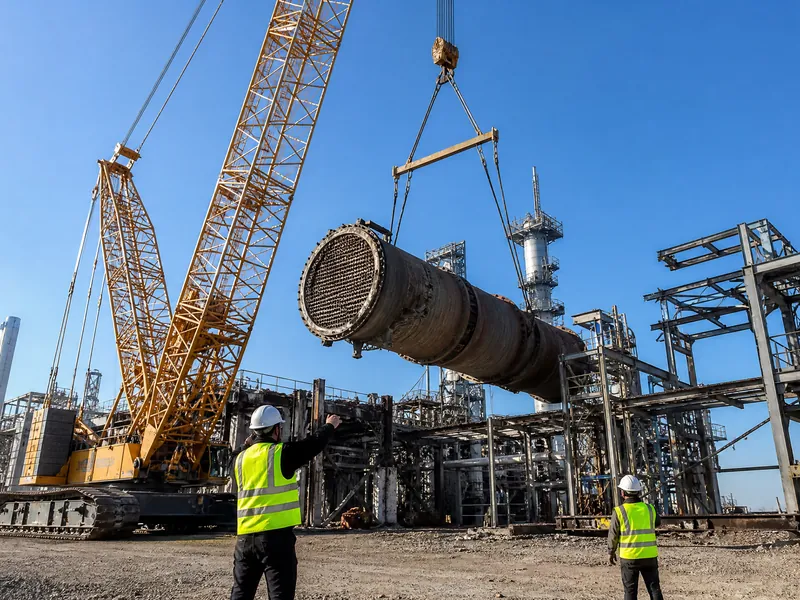
A major consideration in any implosion project is the management of environmental impacts, specifically dust and ground vibration. The sudden collapse of a large industrial structure generates a significant volume of dust, which must be contained to protect air quality. We implement comprehensive dust suppression strategies, utilizing high-capacity water cannons, misting systems, and strategically placed water barriers to knock down airborne particles immediately following the blast. These systems are activated moments before detonation and continue to operate until the dust cloud has fully settled.
Vibration control is equally critical, particularly when the implosion site is located near sensitive infrastructure or active manufacturing facilities. Our engineering team designs the implosion sequence to minimize the simultaneous impact of falling debris, spreading the energy release over a longer duration to reduce peak vibration levels. We also construct impact berms and trenches to absorb and deflect seismic energy. We deploy a network of seismographs to monitor ground vibration and air overpressure, ensuring compliance with regulatory limits.
Salvage and recovery
Post-Blast Debris Processing and Asset Recovery
Immediately following the implosion and the settling of dust, our crews mobilize to begin the post-blast debris processing and site clearing phase. We deploy a fleet of heavy excavators equipped with hydraulic shears, pulverizers, and grapples to systematically break down the debris. Concrete is crushed and separated from reinforcing steel, while structural steel members are cut to transportable lengths for recycling.
Asset recovery and salvage are integral components of our post-blast operations. We work diligently to maximize the recovery of valuable metals, including copper, aluminum, and heavy melting steel. The salvage value of these materials is applied as a credit against the overall cost of the demolition, providing significant financial benefit to our clients. Our team meticulously sorts and processes the scrap, ensuring it meets the specifications of recycling facilities.
The final step is the complete removal of all debris and the grading of the site to the client's specifications. We manage the transportation and disposal of all non-recyclable materials, ensuring compliance with all environmental regulations. We provide comprehensive closeout documentation, including weight tickets and disposal manifests, to verify the successful completion of the project.
In-house trades
Capabilities that run alongside this work
Coverage
Where we take on this work
Common questions
Questions owners and engineers ask
How do you determine if a structure is suitable for implosion rather than mechanical dismantling?
The decision to utilize implosion is based on a comprehensive structural analysis, site constraints, and project schedule. Implosion is typically favored for tall structures like smokestacks, cooling towers, or high-rise industrial facilities where mechanical dismantling poses significant safety risks. We evaluate the proximity of adjacent structures, the availability of a sufficient drop zone, and the structural integrity of the building to determine if a controlled collapse can be executed safely.
What permits and notifications are required for an industrial implosion project?
Implosion projects require extensive permitting and coordination with multiple regulatory agencies. This includes local building and demolition permits, specialized blasting permits from the fire marshal, and environmental notifications such as the federal NESHAP requirement for asbestos. We manage the entire permitting process, including submitting detailed blast plans, coordinating road closures with local law enforcement, and conducting community outreach to ensure all legal requirements are met prior to detonation.
How do you protect adjacent facilities and equipment from damage during the blast?
Protecting surrounding assets is our highest priority during an implosion. We utilize advanced predictive modeling to design a blast sequence that directs the collapse away from critical infrastructure. Physical protective measures include wrapping columns with geotextile fabric and chain-link fencing to contain flying debris, and constructing earthen berms to absorb ground vibration. We also establish strict exclusion zones and utilize seismographs to monitor vibration levels throughout the event.
How is the salvage value of the demolished structure handled in the contract?
We conduct a thorough inventory of recoverable materials, such as structural steel and heavy machinery, during the planning phase. The estimated value of these materials is factored into our proposal and applied as a salvage credit, which directly offsets the net cost of the demolition project. We manage the entire asset recovery process, from sorting and processing the scrap to transporting it to recycling facilities.
What happens to the concrete and other debris after the structure is imploded?
Following the implosion, our heavy equipment fleet moves in to process the debris pile. Concrete is typically crushed on-site using specialized attachments, separating it from the reinforcing rebar. The crushed concrete can often be repurposed as backfill or base material for future construction on the site, reducing disposal costs. Structural steel and other metals are sized and transported to recycling centers, while non-recyclable materials are disposed of at licensed facilities.
Ready to price the teardown?
Industrial Demolition USA has the engineering expertise and operational capacity to execute complex implosion projects safely and efficiently. Contact us to discuss your facility's decommissioning requirements and receive a comprehensive project evaluation. Call 954-740-1983 or email electricalequipmentbuyers@gmail.com to speak with our estimating team today.