
Overview
Our crews manage every phase of the deconstruction process, including environmental remediation, utility isolation, and structural wrecking. We work directly with plant owners and industrial real estate developers to clear sites safely and efficiently, preparing them for new construction or sale. By integrating asset recovery into our demolition sequence, we offset project costs through the salvage of industrial metals and process equipment.
The work
Dismantling Textile and Carpet Manufacturing Facilities
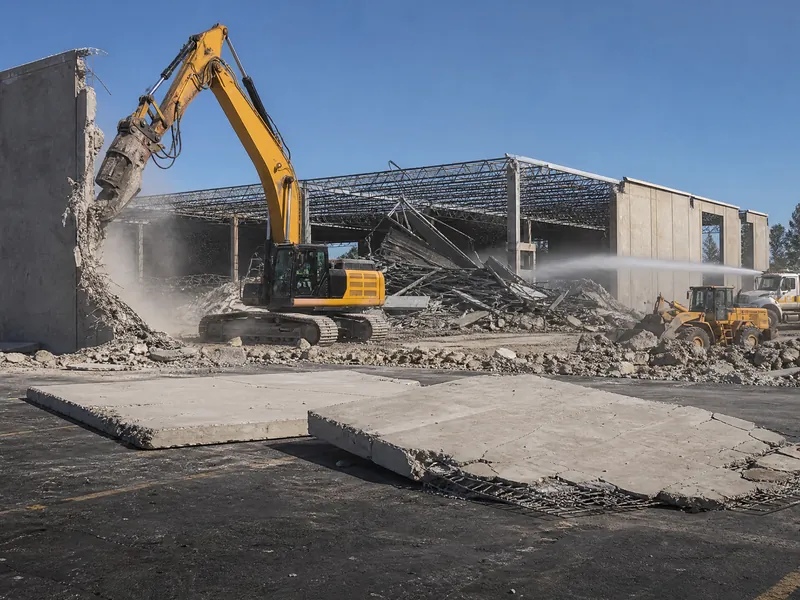
The industrial landscape of Rome and northwest Georgia is heavily defined by legacy textile and carpet manufacturing operations. When these sprawling facilities reach the end of their operational life, they require specialized dismantling approaches. Our crews systematically deconstruct large-scale mill buildings, warehouse structures, and dye houses. We utilize high-reach excavators equipped with hydraulic shears to bring down steel-framed structures in a controlled manner, minimizing dust and vibration impacts on adjacent active operations or neighboring properties.
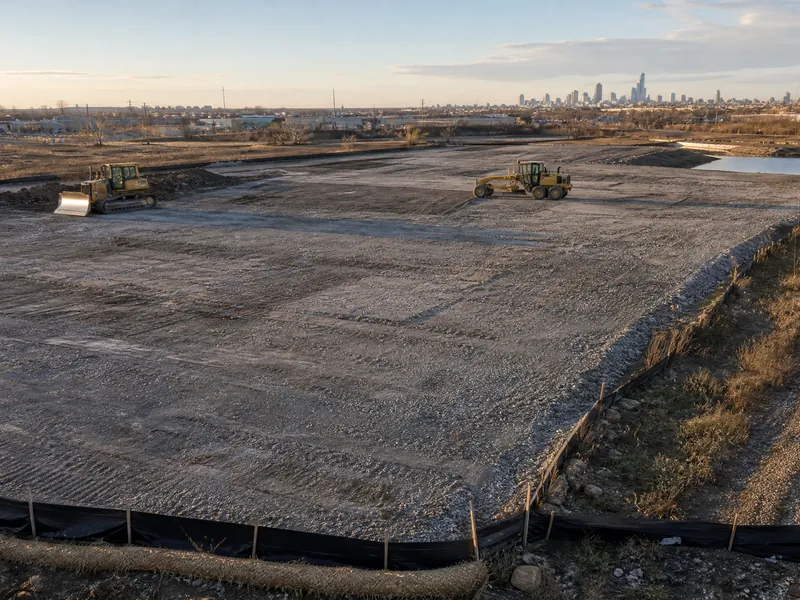
The teardown of these facilities often involves managing extensive concrete foundations and heavy floor slabs designed to support massive looms and tufting equipment. We perform on-site concrete crushing, reducing the material to reusable aggregate that can be left on site for future grading or hauled away. This approach streamlines the site clearing process and reduces the volume of debris sent to local landfills. Our wrecking methodology ensures that the site is left clean, level, and ready for its next industrial application.
Method and sequence
Environmental Remediation and Hazardous Material Abatement
Before structural demolition can commence, industrial sites in Rome must undergo rigorous environmental remediation. Older manufacturing plants frequently contain hazardous materials that must be abated in strict compliance with Georgia EPD regulations. Our abatement teams handle the safe removal and disposal of asbestos-containing materials found in pipe insulation, floor tiles, and roofing systems. We also manage the extraction of lead-based paints and the cleanup of residual industrial chemicals left in process lines or storage tanks.
Proper remediation is critical to mitigating liability for the property owner. We establish secure containment zones and utilize negative air pressure systems during the abatement phase to prevent the release of airborne contaminants. All hazardous waste is manifested and transported to approved disposal facilities, providing our clients with complete documentation of the cleanup. This meticulous approach ensures that the subsequent deconstruction phases proceed without environmental delays or regulatory complications.
Regional coverage
Other Georgia cities we cover
Hazards and controls
Utility De-energization and Process Line Decommissioning
A critical component of any industrial teardown is the safe isolation and de-energization of site utilities. Manufacturing plants in Rome typically feature complex networks of high-voltage electrical feeds, high-pressure steam lines, and industrial gas piping. Our decommissioning specialists work closely with local utility providers and plant engineers to systematically lock out and tag out all energy sources. We sever and cap utility lines at the property boundary or designated isolation points, ensuring a safe environment for our heavy equipment operators.
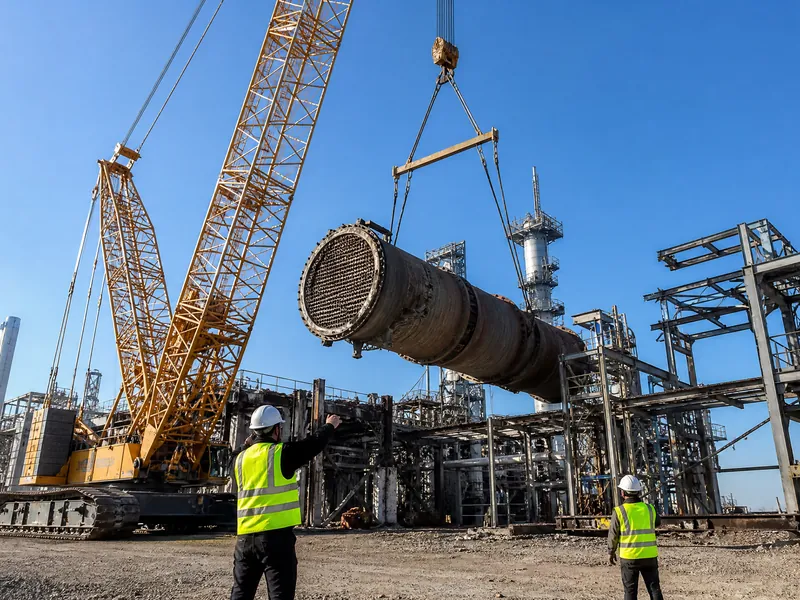
Following utility isolation, we focus on the decommissioning of process equipment and production lines. This involves the careful draining and purging of hydraulic systems, chemical feed lines, and bulk storage tanks. We dismantle the equipment piece by piece, utilizing torch cutting and rigging techniques to safely lower heavy components to the ground. This methodical deconstruction prevents accidental releases of residual materials and facilitates the efficient sorting of scrap metals for salvage.
Permits and notification
Asset Recovery and Scrap Metal Salvage Operations
Industrial Demolition USA maximizes the financial return for our clients through comprehensive asset recovery and scrap metal salvage. During the dismantling of Rome industrial facilities, we encounter significant volumes of ferrous and non-ferrous metals, including structural steel beams, copper wiring, stainless steel tanks, and aluminum components. Our crews segregate these materials at the source, utilizing mobile shears and material handlers to process the scrap into transportable dimensions.
The value generated from this recovered material is applied as a salvage credit against the overall cost of the demolition project. This net cost approach significantly reduces the financial burden of site clearing for the facility owner. We maintain strong relationships with regional scrap processors and metal recyclers, ensuring competitive valuations for the recovered materials. Our transparent tracking and reporting system provides clients with detailed accounts of all salvaged metals, demonstrating the direct financial benefit of our integrated recovery operations.
Salvage and recovery
Navigating Georgia EPD Regulations and Permitting
Executing heavy demolition in Rome requires a thorough understanding of state and local regulatory frameworks. We manage the entire permitting and notification process, ensuring full compliance with Georgia EPD requirements and federal NESHAP standards for asbestos notification. Our project managers prepare and submit all necessary documentation well in advance of mobilization, preventing costly administrative delays and keeping the project on schedule.
We also coordinate with local municipal authorities in Rome and surrounding areas like Atlanta, Macon, and Columbus to secure the required demolition permits and establish approved haul routes for debris removal. Our site-specific health and safety plans address local environmental factors, including stormwater management and dust control, to protect the surrounding community and waterways. By handling the regulatory burden, we allow our clients to focus on their core business operations while we deliver a fully compliant and documented site clearing project.
Capabilities
Abatement, remediation and recovery
Common questions
Questions owners and engineers ask
How do you determine the cost of an industrial demolition project in Rome?
Project costs are driven by the size and complexity of the structures, the extent of environmental abatement required, and the logistical challenges of the site. We conduct a thorough site assessment to evaluate these factors and estimate the volume of recoverable scrap metal. The value of the salvaged materials is applied as a credit, resulting in a net cost proposal that accurately reflects the true expense of the teardown.
What is the typical timeline for decommissioning a manufacturing plant?
Timelines vary significantly based on the facility's footprint and the scope of remediation. A standard warehouse teardown might take a few weeks, while the deconstruction of a complex processing plant with extensive abatement needs can span several months. We provide a detailed project schedule during the planning phase, outlining the sequence of utility isolation, abatement, structural wrecking, and final site grading.
Who is responsible for disconnecting the utilities before demolition?
Industrial Demolition USA handles the coordination of utility disconnects. We work directly with local utility providers and your facility engineers to ensure all electrical, gas, water, and sewer lines are safely isolated, locked out, and capped. This critical step must be completed and verified before any heavy dismantling equipment is mobilized to the site.
How do you manage dust and debris during the wrecking process?
We implement comprehensive dust control measures, utilizing high-volume water suppression systems to wet down structures during active demolition and material loading. Debris is continuously sorted and consolidated to maintain a clean and safe work area. We also establish designated haul routes and ensure all transport vehicles are properly covered to prevent material spillage on local roadways.
Do you provide documentation of the environmental remediation?
Yes, we provide complete closeout documentation for all abatement and remediation activities. This includes waste manifests, disposal receipts from approved landfills, and air monitoring reports. This documentation is essential for proving regulatory compliance to the Georgia EPD and protecting the property owner from future environmental liability.
Ready to price the teardown?
Industrial Demolition USA is ready to manage your next plant decommissioning or site clearing project in Rome, Georgia. We deliver safe, compliant, and efficient teardown services tailored to the heavy industrial sector. Contact us at 954-740-1983 or email electricalequipmentbuyers@gmail.com to discuss your facility and schedule a comprehensive site evaluation.