
Overview
We systematically process, sort, and transport structural steel, copper wiring, aluminium components, and heavy alloys generated during the teardown process. By efficiently managing this material stream, we generate significant salvage credit that directly offsets the cost of your decommissioning project. Our integrated approach ensures that scrap recovery accelerates site clearance rather than hindering it, providing a streamlined, cost-effective solution for retiring complex industrial infrastructure.
The work
Integrated Processing During Demolition Operations
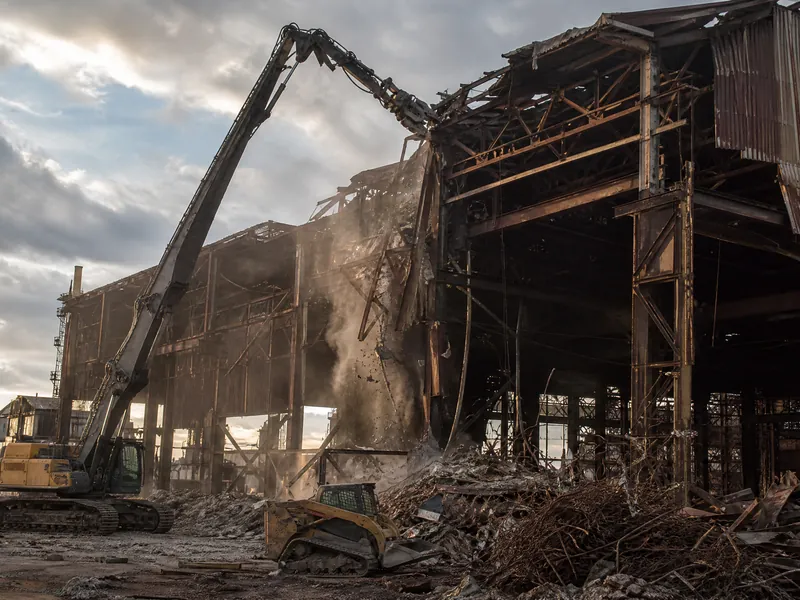
Scrap metal recovery at an industrial scale requires seamless integration with the primary wrecking and deconstruction activities. We do not simply demolish a structure and sort the debris later; our methodology involves continuous, active processing on the job site. As high-reach excavators and heavy shears bring down structural elements, dedicated processing crews immediately begin sizing and segregating the materials. This concurrent workflow prevents the accumulation of massive debris piles that can choke a site and slow down the overall demolition schedule.
By utilising advanced attachments such as mobile shears, pulverisers, and heavy-duty grapples, we efficiently cut large steel beams, tanks, and piping into manageable, mill-ready dimensions directly on the ground. This immediate processing reduces the need for secondary handling and allows for rapid loading into outbound transport. Our strategic sequencing ensures that the teardown progresses smoothly, maintaining a clean, safe, and highly productive work environment throughout the duration of the project.
Method and sequence
Maximising Value Through Material Segregation
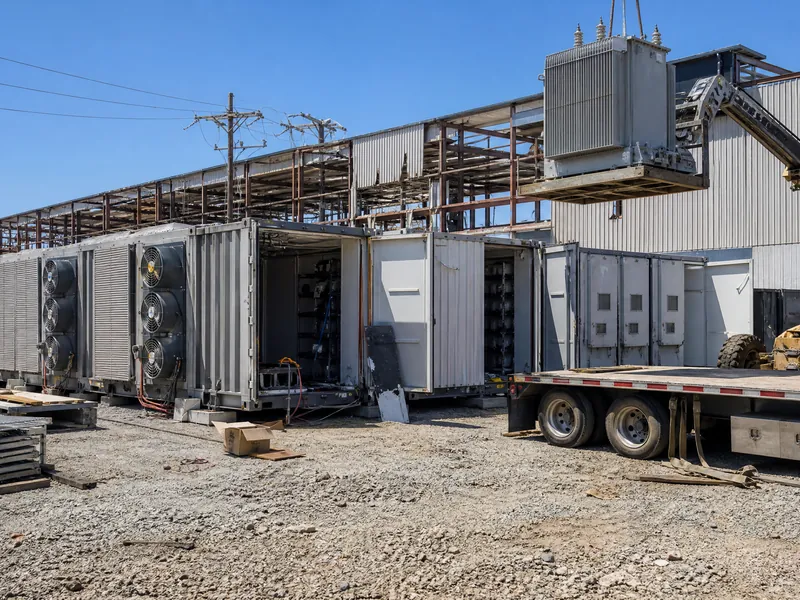
The financial return from scrap metal recovery is heavily dependent on the purity and proper classification of the materials. Our crews are trained to meticulously segregate ferrous metals, such as carbon steel and cast iron, from high-value non-ferrous metals like copper, brass, aluminium, and stainless steel. During the dismantling of electrical infrastructure, for example, we take specific care to isolate copper wiring and busbars, ensuring they are not contaminated by lower-value materials.
This rigorous sorting process is critical for maximising the salvage credit applied to your project. Mixed or contaminated scrap loads command significantly lower prices at the mill or foundry. By dedicating the resources to properly separate and prepare the metals on-site, we ensure that the highest possible commodity value is realised. This value is then passed directly to you in the form of a credit, substantially reducing the net cost of the facility decommissioning and site clearance.
Supporting trades
Other capabilities we bring to a site
Concrete Crushing & Recycling
Industrial Demolition USA provides high-capacity concrete crushing and recycling services to support our heavy…
Site Clearing & Grading
Industrial Demolition USA provides comprehensive site clearing and grading services to prepare heavy industrial…
Dewatering & Sediment Control
Industrial Demolition USA provides expert dewatering and sediment control services to manage groundwater and…
Hazards and controls
Logistics and High-Volume Material Transport
Handling the massive tonnage of scrap generated during a heavy industrial demolition requires robust logistical planning. Industrial Demolition USA manages the entire transportation chain, ensuring that processed metals are moved off-site rapidly and efficiently. Depending on the location and scale of the project, we coordinate fleets of high-sided scrap trailers, roll-off containers, and, where available, direct rail or barge transport.
Our logistical operations are designed to keep pace with the wrecking crews. We establish clear traffic patterns within the exclusion zones to allow trucks to enter, load, and exit without interrupting the heavy machinery. This continuous flow of material prevents site congestion and ensures that the demolition timeline is strictly maintained. We handle all dispatching, weight ticketing, and routing, providing a turnkey solution that removes the burden of material management from your facility personnel.
Permits and notification
Environmental Controls and Hazard Mitigation
Scrap metal recovery in older industrial facilities often involves navigating significant environmental hazards. Structural steel may be coated with lead-based paint, and piping systems may contain residual chemicals or asbestos insulation. Our demolition and abatement teams work in tandem to ensure that all metals are properly cleaned and remediated before they are processed for scrap. We strictly adhere to all environmental regulations regarding the handling and disposal of hazardous coatings and residues.
During the torch cutting and mechanical shearing of metals, we implement comprehensive environmental controls. This includes the use of water suppression systems to mitigate dust and the deployment of specialised filtration when cutting lead-painted steel. We also ensure that any fluids, such as hydraulic oils or lubricants remaining in machinery, are fully drained and captured prior to scrapping. This rigorous approach protects the environment, ensures worker safety, and ensures that the scrap metal leaving your site is fully compliant with receiving facility standards.
Salvage and recovery
Transparent Reporting and Salvage Credit Accounting
We believe in complete transparency when accounting for the scrap metal recovered from your facility. Throughout the project, we maintain detailed records of all outbound material shipments. Every load is weighed at certified scales, and the corresponding weight tickets are meticulously logged and tracked. This data forms the basis for the salvage credit calculations applied to your project.
At the conclusion of the decommissioning, we provide a comprehensive material disposition report. This documentation details the total tonnage of ferrous and non-ferrous metals recovered, the specific categories of scrap, and the final financial credit generated. This transparent reporting ensures that you have a clear, verifiable record of the material streams and the resulting cost offsets. By providing this level of detail, we deliver a professional, accountable service that supports your corporate financial and sustainability reporting requirements.
Service lines
Demolition work this supports
Common questions
Questions owners and engineers ask
How does scrap metal recovery reduce my demolition costs?
The scrap metal extracted from your facility holds significant commodity value. We process and transport this metal to recycling facilities, generating a financial return. This return is applied as a salvage credit against the gross cost of your demolition project, effectively lowering the net amount you pay for the site clearance.
Do you process the scrap metal on the demolition site?
Yes, we perform extensive processing directly on the job site. Using heavy excavators equipped with mobile shears and grapples, we cut large structural steel and machinery into mill-ready sizes. This concurrent processing prevents site congestion and allows for highly efficient loading and transportation.
What types of metals do you recover during a teardown?
We recover both ferrous and non-ferrous metals. This includes massive quantities of structural carbon steel, cast iron, and rebar, as well as high-value non-ferrous materials such as copper wiring, aluminium components, brass fittings, and stainless steel alloys found in industrial piping and vessels.
How do you handle steel that is coated with lead-based paint?
We employ strict environmental and safety protocols when handling lead-painted steel. Our crews utilise specialised cutting techniques, often avoiding torch cutting where possible, or using appropriate respiratory protection and environmental controls. We ensure the material is processed safely and accepted by the receiving scrap facilities in compliance with regulations.
How is the weight and value of the scrap tracked?
Every load of scrap metal leaving the site is weighed at certified scales. We collect and log all weight tickets, providing you with a transparent, verifiable record of the exact tonnage removed. This documentation is used to accurately calculate the salvage credit applied to your final project accounting.
Ready to price the teardown?
Industrial Demolition USA provides the heavy equipment and expertise required to maximise scrap metal recovery on your next decommissioning project. We commit to delivering safe, efficient teardowns that leverage salvage credit to reduce your net costs. Contact us today at 954-740-1983 or email electricalequipmentbuyers@gmail.com to discuss your facility clearance needs.