
Overview
We specialize in the safe dismantling of obsolete facilities, executing rigorous environmental remediation and hazardous material abatement before any wrecking begins. Our crews are equipped to handle complex teardowns, utilizing advanced heavy machinery to bring down robust structures systematically. We navigate the specific logistical and regulatory requirements of northeastern Pennsylvania to deliver cleared, graded sites ready for their next phase of use. From initial utility isolation to final concrete crushing, our comprehensive decommissioning services ensure that every project is completed safely, efficiently, and in strict accordance with Pennsylvania DEP standards.
The work
Deconstructing Heavy Manufacturing and Rail Infrastructure
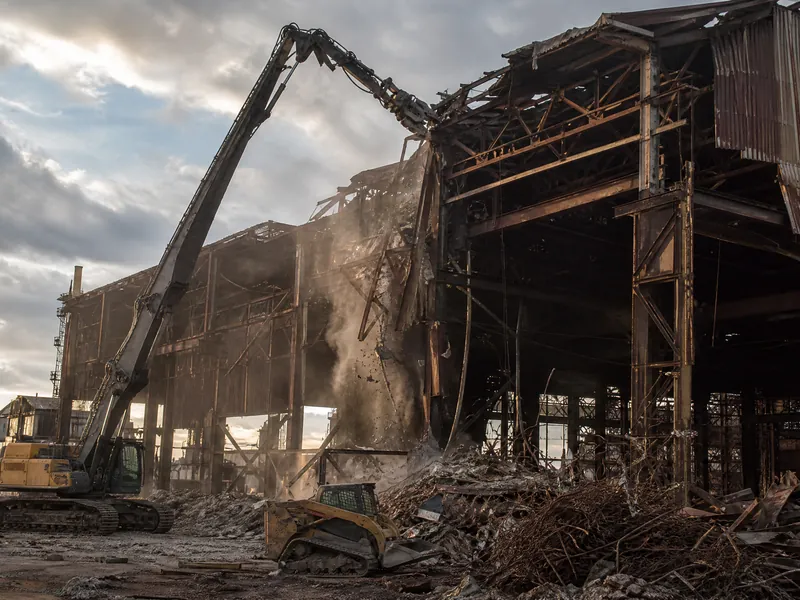
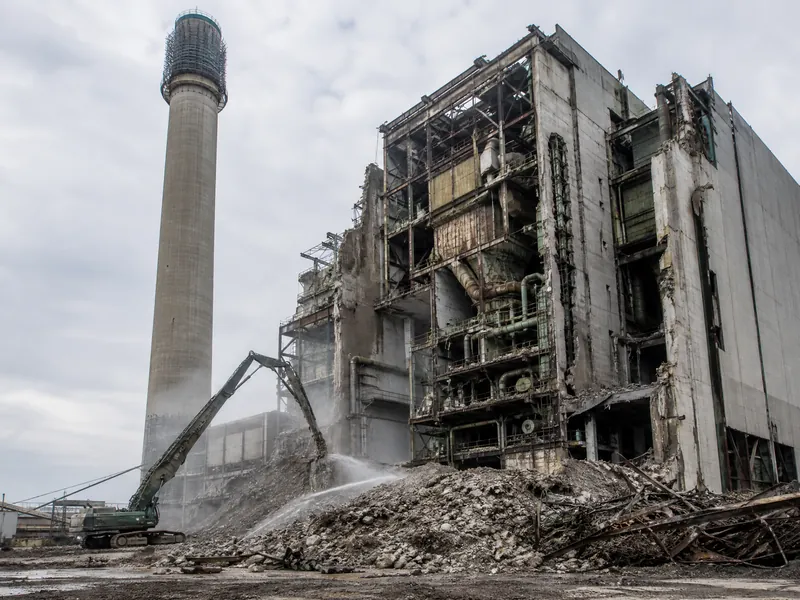
Scranton's history as a hub for coal transport and heavy industry has left a legacy of massive steel-framed buildings, concrete silos, and expansive rail-served manufacturing plants. Dismantling these robust structures requires specialized heavy equipment and deep technical expertise. Industrial Demolition USA deploys high-reach excavators and heavy-duty hydraulic shears to systematically cut through thick structural steel and reinforced concrete.
Our operators utilize engineered dismantling plans to ensure that these towering structures are brought down in a highly controlled manner. We carefully sequence the teardown to manage the immense weight and unpredictable stresses inherent in aging industrial facilities. By employing precise wrecking methodologies, we mitigate the risks associated with uncontrolled collapse, ensuring the safety of our crews and the protection of any adjacent active infrastructure during the deconstruction process.
Method and sequence
Strategic Asset Recovery and Scrap Metal Processing
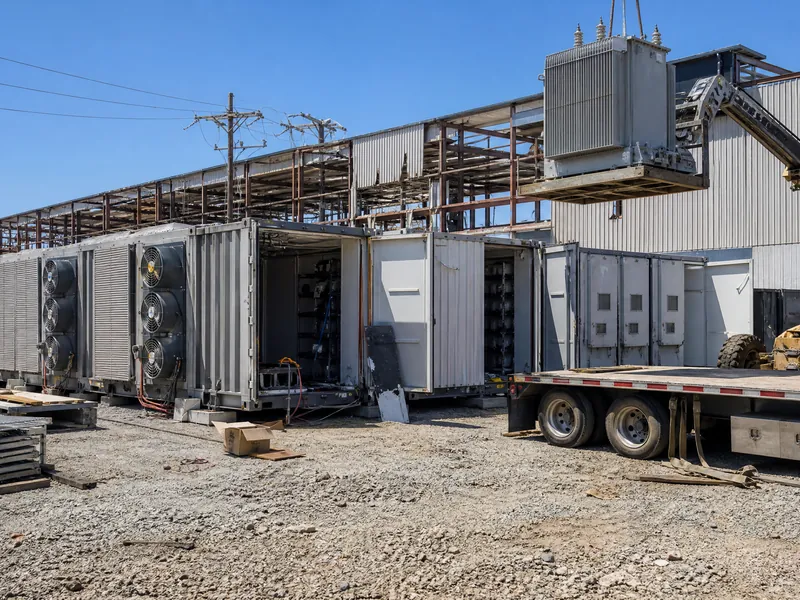
Extracting maximum value from obsolete industrial facilities is a core focus of our operations in Scranton. The heavy manufacturing plants and rail facilities in the region contain vast quantities of recoverable materials. Our dismantling crews are trained to meticulously separate and process structural steel, heavy machinery components, and valuable non-ferrous metals like copper and aluminum.
By efficiently processing these materials on-site, we prepare them for direct transport to regional recycling centers. The revenue generated from this scrap metal salvage is passed on to the client as a salvage credit, significantly offsetting the overall cost of the demolition project. This strategic approach to asset recovery not only provides substantial financial benefits but also aligns with sustainable practices by maximizing the recycling of industrial debris.
Regional coverage
Other Pennsylvania cities we cover
Hazards and controls
Rigorous Environmental Remediation and Abatement Protocols
Before the heavy wrecking phase can begin, comprehensive environmental remediation is essential to address the hazardous materials frequently found in Scranton's older industrial sites. Our specialized teams conduct thorough assessments to locate asbestos, lead paint, and other legacy contaminants. We develop and execute strict abatement plans that comply fully with state and federal environmental regulations.
Industrial Demolition USA handles all required notifications to the Pennsylvania DEP, ensuring that NESHAP standards are met without delaying the project schedule. We establish secure, negative-pressure containment zones to safely remove and package hazardous materials for proper disposal. This rigorous approach to environmental remediation eliminates potential liabilities for the facility owner and ensures that the site is completely safe for the subsequent structural dismantling activities.
Permits and notification
Managing Winter Weather Impacts on Demolition Schedules
Operating in northeastern Pennsylvania requires the ability to adapt to severe winter weather conditions, which can significantly impact industrial demolition timelines. Freeze-thaw cycles, heavy snow accumulation, and sub-zero temperatures present unique challenges for heavy machinery operation and site safety. Industrial Demolition USA implements specialized cold-weather protocols to maintain project momentum while prioritizing the safety of our personnel.
We utilize advanced ground-thawing equipment when necessary for foundation removal and adjust our concrete crushing operations to account for freezing conditions. Our project managers closely monitor weather patterns, adapting the dismantling sequence to focus on interior selective demolition or abatement during extreme weather events. This proactive approach to weather management ensures that complex decommissioning projects in Scranton remain on schedule, regardless of the season.
Salvage and recovery
Engineered Dismantling and Controlled Structural Collapse
For the most complex industrial structures in Scranton, traditional wrecking methods are often insufficient. We employ engineered dismantling techniques to safely deconstruct facilities that pose significant structural risks. Our teams utilize precise torch cutting to weaken specific load-bearing elements, allowing for a controlled, directional collapse that keeps debris within a designated footprint.
This highly technical approach is critical when working in close proximity to active rail lines, roadways, or operational facilities. We utilize advanced modeling and structural analysis to predict how a building will behave during the teardown process. By combining this engineering expertise with the raw power of our heavy demolition equipment, we execute the safe and efficient removal of even the most challenging industrial structures.
Logistics
Comprehensive Site Preparation and Concrete Processing
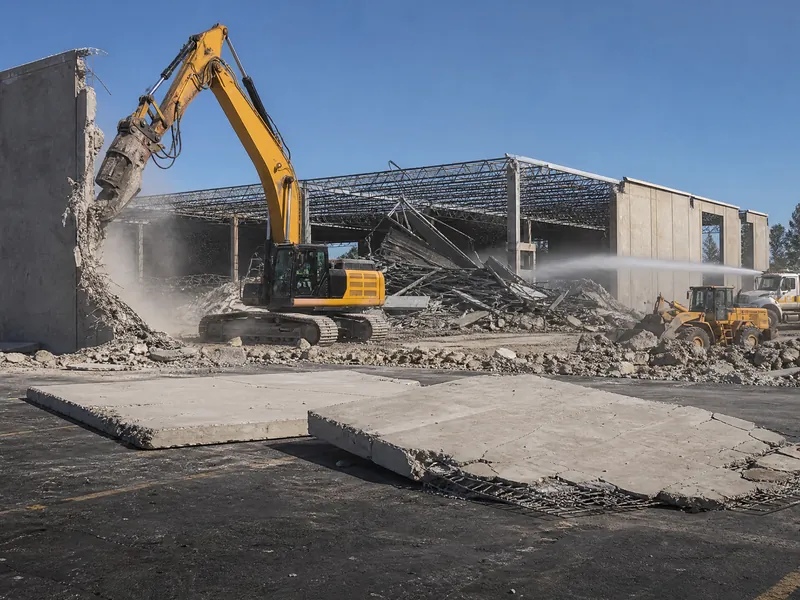
The final stage of our facility decommissioning process involves the thorough clearing and preparation of the site. After the above-ground structures have been dismantled, our crews focus on the removal of deep concrete foundations, heavy equipment pads, and retaining walls. We utilize massive hydraulic hammers to break apart these dense subsurface structures.
To optimize efficiency and reduce disposal costs, we frequently deploy mobile crushing plants to process the concrete debris on-site. The resulting aggregate is used to backfill large voids and stabilize the soil, minimizing the need for imported fill materials. Our operators then perform precise final grading, ensuring proper site drainage and leaving the property fully prepared for future commercial or industrial redevelopment.
Capabilities
Abatement, remediation and recovery
Common questions
Questions owners and engineers ask
How does winter weather in Scranton affect industrial demolition timelines?
Severe winter weather, including heavy snow and freezing temperatures, requires specific safety protocols and can impact the pace of exterior wrecking and concrete processing. We mitigate these delays by implementing cold-weather operational strategies, such as utilizing specialized equipment fluids and ground-thawing technology. When exterior conditions are too hazardous, we shift our focus to interior selective demolition and hazardous material abatement, ensuring that the overall decommissioning project continues to progress efficiently despite the challenging climate.
What steps are involved in decommissioning a former manufacturing plant?
The decommissioning process begins with a comprehensive site assessment and the isolation of all utilities. This is followed by rigorous environmental remediation and hazardous material abatement. Once the site is cleared of contaminants, we initiate the strategic asset recovery phase to salvage valuable metals. The project then moves into the heavy structural dismantling and wrecking phase. Finally, we process the concrete foundations, backfill any voids, and perform final site grading to prepare the property for redevelopment.
Who manages the notifications required by the Pennsylvania DEP?
Our experienced project management team handles all necessary environmental and demolition notifications prior to mobilization. We prepare and submit the required NESHAP documentation for asbestos abatement and coordinate directly with the Pennsylvania DEP to ensure all regulatory requirements are satisfied. By managing this administrative burden, we prevent costly permitting delays and provide our clients with the assurance that their teardown project is fully compliant with all state and federal environmental laws.
Can salvage credit significantly offset the cost of a teardown?
Yes, recovering large volumes of structural steel, copper wiring, and other industrial metals can substantially reduce the net cost of the project. During the dismantling process, our crews meticulously separate and process these valuable materials. We leverage our knowledge of regional scrap markets to secure the best possible returns. The total value of these recovered assets is applied as a salvage credit, directly offsetting the gross expenses associated with the heavy demolition and site clearing services.
How do you ensure the safety of adjacent active rail lines or roadways?
When deconstructing facilities near active infrastructure, we implement strict exclusion zones and utilize engineered dismantling techniques to control the fall path of debris. We deploy robust protective measures, including debris netting and temporary barrier walls, to shield adjacent areas. Our safety officers conduct continuous monitoring throughout the wrecking process, and we coordinate closely with local authorities and rail operators to schedule the most critical teardown phases during periods of reduced traffic, ensuring absolute safety for the surrounding community.
Ready to price the teardown?
For professional industrial decommissioning and heavy wrecking services in Scranton, trust the expertise of Industrial Demolition USA. Contact our team today at 954-740-1983 or email electricalequipmentbuyers@gmail.com to schedule a comprehensive site evaluation and discuss your project requirements.