
Overview
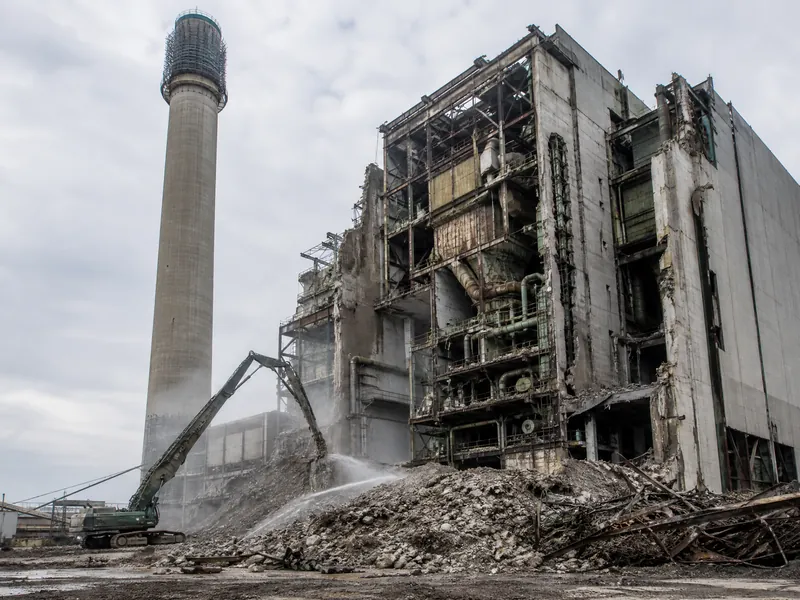
From the Missouri River to the Mississippi River, we deploy heavy equipment to bring down complex structures. Whether clearing a legacy manufacturing site in Des Moines or dismantling riverfront infrastructure in Davenport, our project managers deliver engineered wrecking solutions that prepare industrial properties for redevelopment.
The work
Dismantling Food Processing and Ethanol Infrastructure
The industrial base across Iowa relies heavily on agriculture, requiring specialized approaches for dismantling food processing plants, grain elevators, and ethanol production facilities. These structures feature massive reinforced concrete silos and complex milling equipment that demand precise deconstruction techniques. Our crews take down towering slip-formed concrete structures and steel grain bins, utilizing high-reach excavators equipped with hydraulic shears and pulverizers to safely bring the structures to the ground.
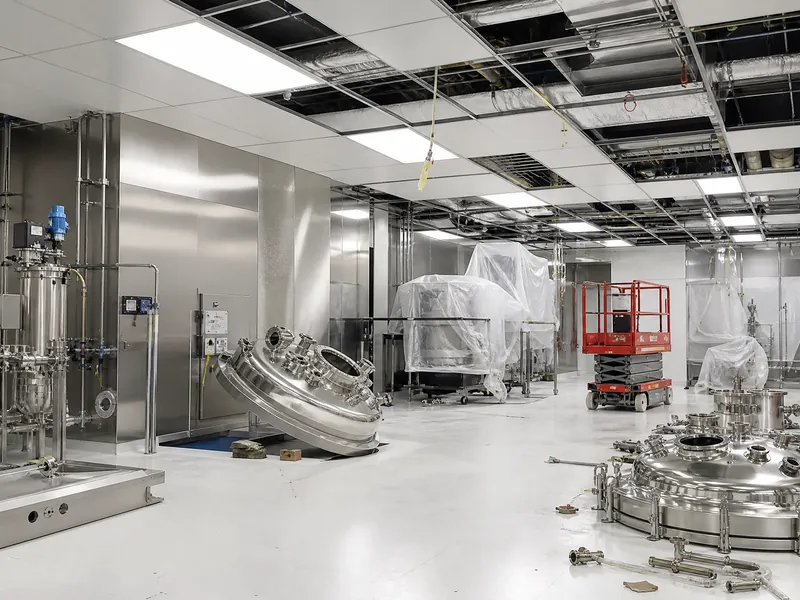
When decommissioning ethanol plants, we address the unique hazards associated with residual combustible dust and chemical storage. We systematically purge and dismantle fermentation tanks and distillation columns, ensuring all hazardous materials are properly abated before structural wrecking begins. In cities like Cedar Rapids, we employ selective demolition methods to protect adjacent operations from dust and vibration. The recovered stainless steel tanks and structural steel are segregated for scrap metal recovery, providing a salvage credit that offsets the net cost. This approach maximizes the value of the recovered assets.
Method and sequence
Managing Heavy Industrial Teardowns in the Quad Cities
The eastern border of Iowa, particularly around Davenport and the Quad Cities, presents distinct logistical variables for heavy industrial demolition. Facilities situated directly along the Mississippi River require careful coordination to prevent debris and runoff from impacting the waterway. We engineer our teardowns to contain all demolition activities strictly within the site footprint, utilizing specialized rigging and controlled felling techniques to bring structures down safely away from the riverbank.
Barge access along the Mississippi provides a significant logistical advantage for moving heavy scrap out of the region. We coordinate the loading of structural steel and heavy machinery directly onto barges for transport to major Midwest processing mills. For manufacturing plants in this corridor, our dismantling process includes the systematic removal of overhead bridge cranes and heavy stamping presses. We manage the asset recovery process, ensuring the value of recovered metals is accurately credited against project expenses. Our logistics planning ensures that materials are moved efficiently.
Local coverage
Cities we work in across Iowa
Hazards and controls
Power Generation and Cement Plant Decommissioning
Retiring coal-fired power plants and aging cement manufacturing facilities require massive mechanical force and rigorous engineering controls. Across Iowa, we are contracted to decommission legacy generating units, boiler houses, and towering exhaust stacks. These projects involve the removal of massive turbines, generators, and miles of high-pressure piping. We utilize controlled explosive demolition for tall stacks when site conditions permit, or deploy high-reach shears for mechanical dismantling in tighter footprints.
Cement and aggregate operations, such as those near Mason City, present their own set of challenges, including the dismantling of massive rotary kilns and heavy crushing equipment. The sheer volume of reinforced concrete requires extensive on-site crushing operations to manage the debris. We mobilize mobile crushing spreads to process the concrete rubble, sizing it into reusable aggregate base. The heavy structural steel components are processed and shipped via Union Pacific or BNSF rail networks to regional foundries. This rail access is crucial for handling large volumes of scrap.
Sequence of work
How a project runs, stage by stage
Site walk and survey
We walk the structure with you, review drawings, and record structural condition, live utilities, hazardous materials and salvageable assets before any number is quoted.
Engineering and permits
An engineered demolition plan sets the sequence, exclusion zones and means of collapse. We file local permits and the federal pre-demolition notification, and collect utility isolation sign-offs.
Abatement and pre-clean
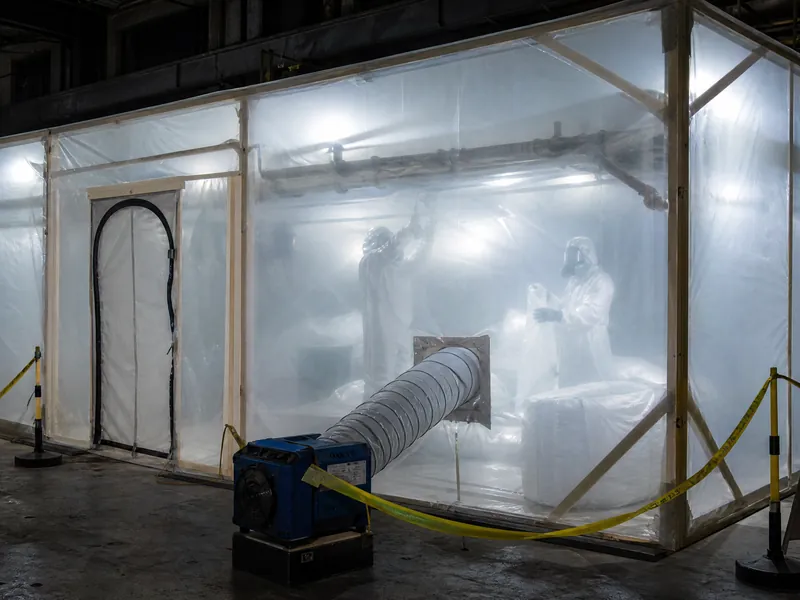
Regulated materials come out first under containment with clearance documentation, so the structural phase is never held up by a surprise inside a wall or a pipe chase.
Dismantling and teardown
High-reach machines, shears, torch crews and hand demolition work the sequence top-down or inside-out, with salvage separated as it comes out rather than picked from a mixed pile afterwards.
Processing and haul-off
Steel is sheared and shipped, concrete is crushed for reuse or hauled, and every regulated stream leaves under manifest to a permitted facility.
Grading and closeout
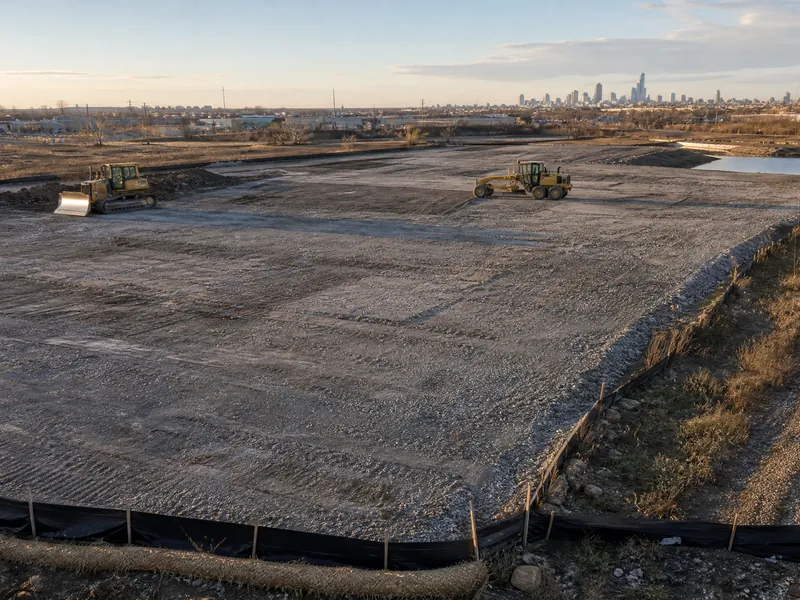
Foundations and slabs come out to the agreed depth, the site is graded and stabilised, and you receive manifests, clearance reports and closeout documentation.
Permits and notification
Subsurface Realities and Winter Execution in the Midwest
Executing demolition in Iowa requires a thorough understanding of the state's physical site conditions and seasonal weather extremes. The deep frost line and severe freeze-thaw cycles dictate how we approach foundation removal and subsurface void filling. When extracting deep concrete footings and subterranean utility vaults, we must account for the expansive nature of the local loess soils and underlying limestone bedrock. We engineer our backfill processes to prevent future settlement, utilizing crushed concrete generated from the teardown to stabilize the site.
Winter operations demand specialized equipment maintenance and modified execution strategies. Frozen ground can complicate the excavation of foundations and the removal of underground storage tanks. We adjust our project schedules and deploy ground-thawing equipment when necessary to maintain momentum. The spring thaw also poses significant runoff risks near the Missouri and Mississippi rivers. We implement robust stormwater pollution prevention plans to protect local waterways from sediment. Our environmental controls are maintained throughout the entire project.
Salvage and recovery
Navigating Iowa DNR Regulations and NESHAP Notifications
Regulatory compliance is a critical component of every industrial teardown we execute in the state. Before any structural wrecking begins, we coordinate closely with the Iowa Department of Natural Resources (Iowa DNR) to ensure all environmental regulations are met. This includes managing the mandatory federal NESHAP 10-working-day notification for asbestos abatement. We oversee the comprehensive inspection, testing, and removal of asbestos-containing materials, ensuring they are properly manifested and disposed of at approved landfills.
Beyond asbestos, we manage the abatement of lead-based paints, PCBs in aging electrical transformers, and universal wastes found throughout legacy manufacturing plants. Local permitting is equally rigorous, requiring coordination with city and county building departments in municipalities like Des Moines and Davenport. We handle all necessary demolition permits and secure utility disconnect sign-offs for high-voltage electrical feeds and high-pressure gas lines. By managing the regulatory framework, we ensure the site is legally cleared for deconstruction. We prioritize safety and compliance at every stage of the teardown.
Logistics
Scrap Steel Logistics and Concrete Crushing Operations
The economics of heavy industrial demolition in Iowa depend on the efficient processing and transport of recovered materials. We operate aggressive scrap metal recovery programs, processing structural steel, copper wiring, and heavy machinery directly on the job site. Using mobile shears and balers, we size the ferrous and non-ferrous metals to meet the specifications of regional buyers. The processed scrap is then transported via the state's extensive rail network to major steel mills, maximizing the salvage credit applied to the client's net cost.
Concrete crushing is a major component of our site clearing operations. Industrial facilities generate massive volumes of concrete rubble from slabs, foundations, and containment walls. We deploy heavy-duty jaw and impact crushers to process the concrete on-site. We separate the rebar for scrap and crush the concrete into a specified aggregate size. This recycled material is used to backfill basements, creating a stable pad for future development. This recycling process significantly reduces the need for imported fill materials.
Common questions
Questions owners and engineers ask
What specific environmental regulations govern industrial teardowns in this state?
All heavy demolition projects must comply with the regulations enforced by the Iowa Department of Natural Resources (Iowa DNR). This includes strict adherence to the federal NESHAP guidelines, which mandate a 10-working-day notification period prior to any asbestos abatement. We manage all required environmental testing and hazardous material remediation to ensure compliance before wrecking begins.
How do you manage the deconstruction of tall agricultural and food processing structures?
Taking down towering grain elevators and slip-formed concrete silos requires specialized high-reach equipment and precise engineering. We utilize heavy excavators equipped with hydraulic pulverizers to systematically chew down the thick concrete walls from the top down. For extremely tall structures, we employ controlled explosive demolition or specialized rigging to safely lower heavy components, ensuring all debris is contained within the site footprint.
Can the concrete from our demolished facility be reused on the property?
Processing concrete rubble on-site is a standard practice for our heavy industrial projects. We mobilize mobile crushing plants to pulverize slabs, foundations, and containment walls, separating the embedded rebar for scrap recovery. The resulting crushed concrete is sized to your specifications and used to backfill subsurface voids, stabilize the soil, or create a graded aggregate base for future construction.
What logistical methods are used to transport heavy scrap metal out of the region?
Moving massive volumes of structural steel and heavy machinery requires robust logistics. Depending on the site's location, we leverage the state's freight rail networks, including Union Pacific and BNSF lines, to transport processed scrap to major Midwest steel mills. For facilities located near the Mississippi River, we can also utilize barge transport to efficiently move heavy materials.
How do winter weather conditions impact the timeline of a plant decommissioning?
Severe freeze-thaw cycles and deep frost lines in the Midwest require strategic planning for foundation removal and site grading. While frozen ground can complicate deep excavation, we deploy specialized equipment and adjust our operational tactics to maintain progress. We implement rigorous stormwater controls to manage runoff during the spring thaw, ensuring the site remains stable and compliant with environmental regulations.
Ready to price the teardown?
Industrial Demolition USA provides the heavy equipment, specialized labor, and engineering expertise required to safely dismantle complex industrial facilities across the state. We commit to executing your teardown with precision, managing every phase from environmental abatement to final site grading. To discuss your upcoming plant decommissioning project, call us at 954-740-1983 or email electricalequipmentbuyers@gmail.com.