
Overview
Executing these large-scale teardowns requires precise engineering, rigorous safety protocols, and a deep understanding of local environmental regulations. Our crews deploy specialized heavy machinery to systematically deconstruct massive steel frameworks, concrete silos, and intricate piping networks. We handle every phase of the project, ensuring that the footprint is left completely clear. Whether the site is located in Bridgeport, New Haven, or anywhere else in the state, our operational approach prioritizes controlled execution and minimal disruption.
The work
Dismantling Regional Manufacturing Plants And Warehouses
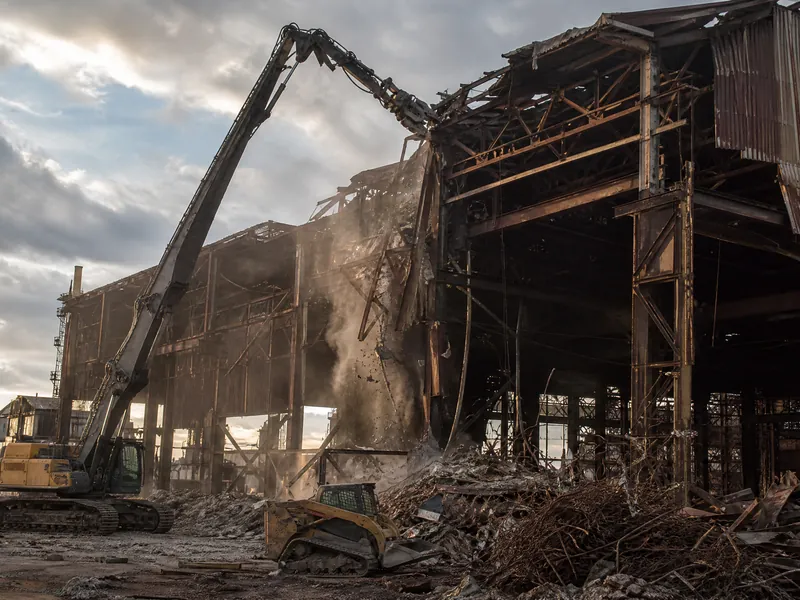
Connecticut has a rich history of industrial production, leaving behind numerous aging regional manufacturing plants and sprawling warehousing and distribution centers that eventually require removal. Tearing down these massive structures involves far more than simply knocking down walls. Our crews meticulously plan the sequence of deconstruction to maintain structural stability throughout the process. We utilize high-reach excavators equipped with hydraulic shears to cut through heavy steel beams and reinforced concrete columns with surgical precision. The dismantling of food and beverage processing facilities often presents unique challenges, including the removal of specialized stainless steel tanks and complex conveyor systems. By systematically dismantling these components, we ensure that hazardous materials are contained and that recyclable metals are properly segregated. This methodical approach allows us to efficiently clear large industrial footprints in cities like Bridgeport and New Haven, transforming obsolete manufacturing sites into clean slates suitable for modern redevelopment.
Method and sequence
Taking Down Retired Generating Units Safely
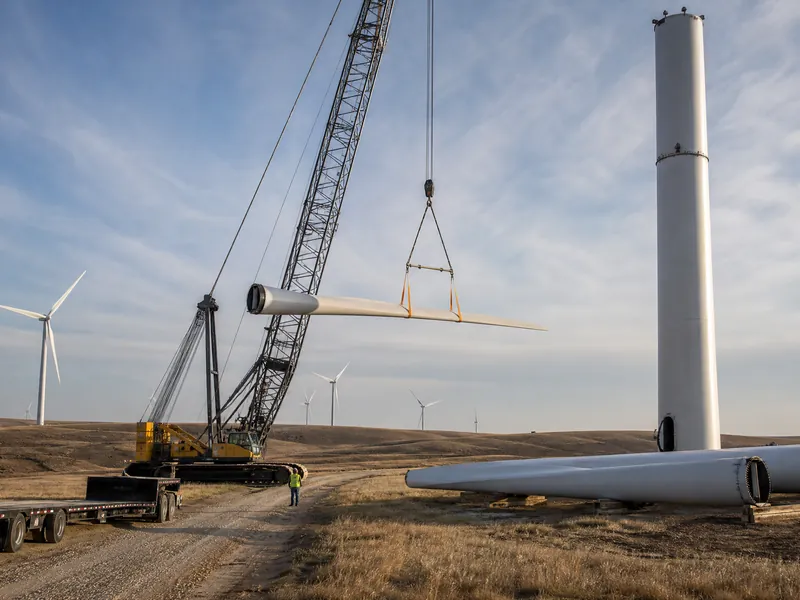
The removal of retired generating units is one of the most technically demanding aspects of heavy industrial demolition. These facilities are typically characterized by massive boilers, towering smokestacks, and intricate turbine halls that require highly specialized deconstruction techniques. Our engineering team conducts exhaustive structural analyses to determine the safest methods for bringing down these colossal structures. We often employ controlled rigging and lowering techniques to dismantle towering components piece by piece, mitigating the risks associated with uncontrolled collapses. Heavy-duty cranes and specialized cutting equipment are deployed to sever thick steel supports and dismantle heavy machinery. Throughout the process, strict dust suppression and vibration monitoring protocols are enforced to protect adjacent structures. The sheer scale of power generation facilities demands a contractor with the heavy equipment and technical expertise to execute the teardown flawlessly, ensuring that the site is completely cleared of all structural remnants.
Local coverage
Cities we work in across Connecticut
Hazards and controls
Clearing Aggregate And Cement Operations
Aggregate and cement operations feature some of the most robust and heavily reinforced structures found in the industrial sector. Demolishing massive concrete silos, heavy-duty crushers, and extensive conveyor networks requires immense mechanical force and strategic planning. Our operators utilize heavy excavators fitted with hydraulic hammers and pulverizers to systematically break down thick concrete walls and foundations. The steel reinforcement embedded within the concrete is carefully extracted and processed for recycling. Dust control is a critical component when dismantling cement facilities, and we deploy high-capacity water cannons to suppress airborne particulates during the demolition process. The heavy machinery used in these operations is specifically designed to withstand the punishing environment of concrete demolition, ensuring reliable performance. By employing advanced mechanical demolition techniques, we efficiently reduce towering silos and sprawling processing plants to manageable debris, clearing the way for comprehensive site remediation and future industrial development across the state of Connecticut.
Sequence of work
How a project runs, stage by stage
Site walk and survey
We walk the structure with you, review drawings, and record structural condition, live utilities, hazardous materials and salvageable assets before any number is quoted.
Engineering and permits
An engineered demolition plan sets the sequence, exclusion zones and means of collapse. We file local permits and the federal pre-demolition notification, and collect utility isolation sign-offs.
Abatement and pre-clean
Regulated materials come out first under containment with clearance documentation, so the structural phase is never held up by a surprise inside a wall or a pipe chase.
Dismantling and teardown
High-reach machines, shears, torch crews and hand demolition work the sequence top-down or inside-out, with salvage separated as it comes out rather than picked from a mixed pile afterwards.
Processing and haul-off
Steel is sheared and shipped, concrete is crushed for reuse or hauled, and every regulated stream leaves under manifest to a permitted facility.
Grading and closeout
Foundations and slabs come out to the agreed depth, the site is graded and stabilised, and you receive manifests, clearance reports and closeout documentation.
Permits and notification
Compliance With CT DEEP Regulations
Executing an industrial teardown in Connecticut requires strict adherence to the environmental guidelines established by the CT DEEP. Filing with the CT DEEP involves submitting detailed project plans that outline the methods for handling hazardous materials, managing demolition debris, and controlling environmental impacts. Our project managers work closely with environmental consultants to ensure that all necessary notifications and permits are secured before any structural dismantling begins. The CT DEEP mandates rigorous protocols for the identification and abatement of regulated substances commonly found in older industrial facilities. We integrate these compliance measures directly into our demolition sequence, ensuring that hazardous materials are safely removed and disposed of at authorized facilities. Continuous monitoring and detailed documentation are maintained throughout the project to demonstrate full compliance with all state environmental regulations. This proactive approach to regulatory compliance minimizes the risk of costly project delays and ensures that the demolition is conducted in an environmentally responsible manner.
Salvage and recovery
Strategic Asset Recovery And Salvage Credit
Heavy industrial facilities often contain significant quantities of valuable metals and reusable industrial equipment that can offset the overall expense of a demolition project. Our approach to asset recovery involves the careful identification, extraction, and processing of these materials during the deconstruction phase. Structural steel, copper wiring, stainless steel tanks, and heavy machinery are systematically segregated from the general demolition debris. The value of these recovered materials is calculated and applied as a salvage credit, which directly reduces net cost for the facility owner. We utilize specialized attachments, such as mobile shears and scrap grapples, to efficiently process and size the metal on-site, preparing it for transport to recycling facilities. This integrated salvage strategy not only provides a financial benefit but also promotes sustainable demolition practices by diverting massive volumes of heavy industrial material away from local landfills. By maximizing the salvage credit, we deliver a more cost-effective demolition solution for complex industrial teardowns.
Logistics
Site Preparation And Foundation Removal
A complete industrial demolition project extends beyond the removal of above-ground structures; it also encompasses the extraction of massive concrete foundations, deep footings, and subterranean infrastructure. Heavy manufacturing plants and generating units are typically anchored by extensive concrete bases that require significant effort to remove. Our heavy equipment operators use powerful hydraulic breakers to fracture these thick concrete slabs and extract the underlying steel reinforcement. We also excavate and remove underground storage tanks, industrial piping networks, and utility vaults, ensuring that the subsurface is completely cleared of all structural impediments. Once the foundations and subterranean elements have been removed, the site is graded and stabilized to prevent erosion and prepare the ground for future construction. This comprehensive approach to site clearance ensures that the property is left in a safe, stable, and ready-to-build condition, providing a clean slate for the next phase of industrial or commercial development in Connecticut.
Common questions
Questions owners and engineers ask
What steps are involved in preparing a Connecticut industrial site for structural demolition?
Preparing an industrial site for demolition involves a comprehensive sequence of activities to ensure safety and regulatory compliance. Initially, a thorough structural and environmental assessment is conducted to identify potential hazards and determine the optimal deconstruction methods. All utilities, including high-voltage electrical lines and industrial gas mains, must be completely disconnected and capped. Hazardous materials are identified and abated in accordance with state regulations. Finally, heavy machinery is mobilized, and secure perimeters are established to protect personnel.
How does your team handle the removal of heavy manufacturing equipment during a teardown?
The removal of heavy manufacturing equipment requires specialized rigging and heavy-duty lifting capabilities. Our crews utilize high-capacity cranes and heavy excavators to safely dismantle and extract massive machinery, such as industrial presses, boilers, and processing tanks. The equipment is systematically disconnected from its structural supports and carefully lowered to the ground. Depending on the project requirements, the machinery may be processed on-site as scrap metal or carefully extracted intact. The value of recovered metals is often applied as a salvage credit, which reduces net cost.
What measures are taken to control dust and debris when demolishing concrete structures?
Controlling dust and debris is a critical priority during the demolition of heavy concrete structures, such as aggregate silos and cement processing facilities. We deploy high-powered water cannons, misting systems, and localized dust suppression equipment to saturate the demolition zone and prevent airborne particulates from migrating off-site. Debris is continuously managed and consolidated using heavy loaders and excavators, ensuring that the work area remains organized and safe. These rigorous dust control measures are essential for protecting the health of our workers.
Why is it necessary to coordinate with the CT DEEP for large-scale deconstruction projects?
Coordinating with the CT DEEP is a mandatory requirement for large-scale industrial deconstruction projects to ensure the protection of public health and the environment. The CT DEEP oversees the proper management of hazardous materials, the disposal of demolition waste, and the mitigation of environmental impacts. Filing with the agency involves submitting detailed operational plans and securing the appropriate permits before work begins. Strict adherence to these regulations prevents environmental contamination and avoids significant legal and financial penalties.
What techniques are used to safely dismantle towering industrial structures like smokestacks?
Dismantling towering industrial structures requires highly specialized techniques to prevent uncontrolled collapses and ensure the safety of the surrounding area. We often employ a top-down deconstruction method, utilizing specialized high-reach excavators or remote-controlled demolition robots to systematically remove material from the top of the structure downwards. In some cases, controlled rigging and lowering techniques are used to remove large sections of the structure piece by piece. Exhaustive structural engineering analyses are conducted prior to the demolition to determine the safest approach.
Ready to price the teardown?
Industrial Demolition USA delivers the heavy equipment, specialized expertise, and rigorous safety protocols required to execute complex structural teardowns across Connecticut. From dismantling retired generating units to clearing expansive manufacturing plants, our crews ensure that every project is completed efficiently. Contact us at 954-740-1983 or email electricalequipmentbuyers@gmail.com to discuss your industrial demolition requirements and request a comprehensive project evaluation.