
Overview
Each job is planned around safe utility isolation, asbestos and hazardous material controls, structural sequencing, and a practical haul-out plan for steel, concrete, and equipment. We serve owners in Tulsa, Oklahoma City, and surrounding industrial markets with contractor-led project management from first site review through grading, manifests, and final turnover.
The work
Where Oklahoma Demolition Work Starts
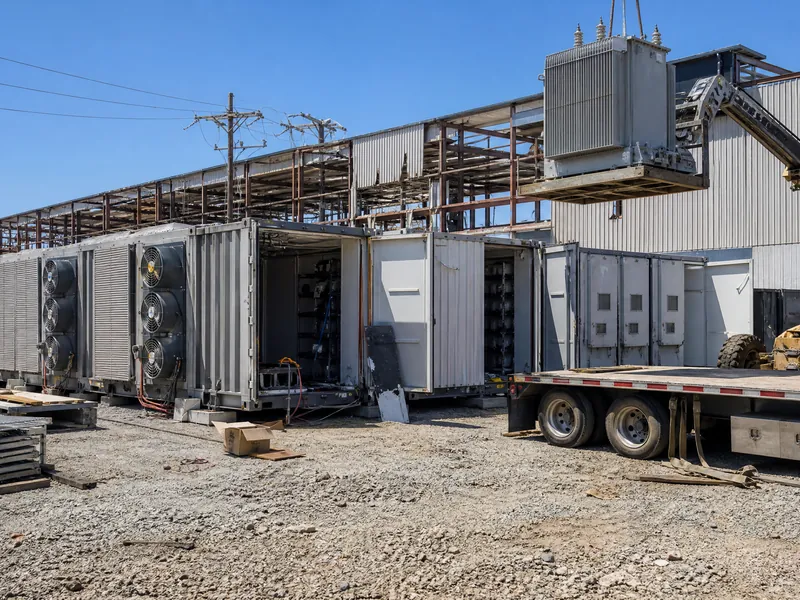
Oklahoma has a deep inventory of energy and industrial property. Work commonly comes from refinery areas around Tulsa and Ponca City, natural gas processing sites, compressor stations, tank farms, pipe yards, cement plants, and aviation support buildings. Those facilities are not simple warehouse teardowns. They usually contain process piping, elevated steel, thick concrete foundations, electrical distribution gear, and residual product that must be addressed before structural wrecking begins.
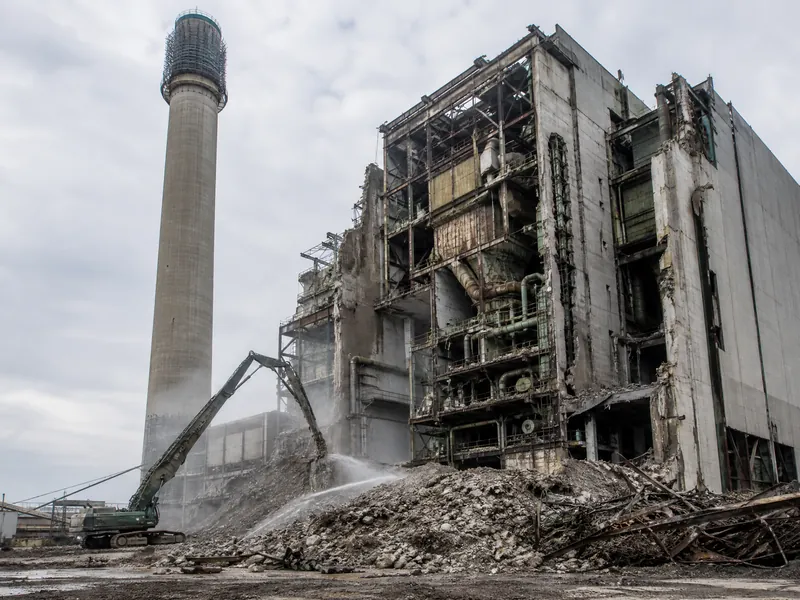
That mix changes the means and methods. One project may center on torch cutting and crane picks inside a congested unit, while the next calls for high-reach excavation on silos or kiln structures. In active industrial corridors, the demolition plan also has to protect adjacent operations, rack systems, buried lines, and access roads that remain in service during the decommissioning period.
Method and sequence
Isolation and De-Energization Come First
Before any major teardown, we build the job around separation of hazards. First, incoming electrical feeds, gas service, plant air, water, and process lines are identified and locked out with the owner and the serving utilities. Next, vessels and piping are drained, cleaned, blinded, and verified out of service. Only after that do we start selective dismantling, abatement, and structural deconstruction.
That sequence matters in Oklahoma energy facilities because residual hydrocarbons, scale, insulation, and aging electrical rooms are common risk points. Our crews use shears, breakers, grapples, torch cutting, and hand demolition where each method fits best. We bring structures down in a controlled order, working from unstable attachments and elevated equipment toward primary framing, slabs, pits, and foundations so the site stays manageable throughout the job.
Local coverage
Cities we work in across Oklahoma
Hazards and controls
Oklahoma DEQ and Required Notifications
State-level environmental coordination is a real part of the work, not an afterthought. We plan projects around Oklahoma DEQ requirements and the federal NESHAP asbestos notification rules that apply before demolition of regulated structures. That means the site needs a current asbestos inspection, proper notice where required, and a clear abatement scope before broad structural wrecking begins.
Local permitting also affects schedule. In Tulsa and Oklahoma City, owners can expect city demolition permits, utility disconnect documentation, traffic or street occupancy coordination when needed, and final debris handling records. We prepare the demolition package so the owner is not chasing approvals in the middle of a shutdown window, and we keep the field sequence aligned with the permitted scope of work.
Sequence of work
How a project runs, stage by stage
Site walk and survey
We walk the structure with you, review drawings, and record structural condition, live utilities, hazardous materials and salvageable assets before any number is quoted.
Engineering and permits
An engineered demolition plan sets the sequence, exclusion zones and means of collapse. We file local permits and the federal pre-demolition notification, and collect utility isolation sign-offs.
Abatement and pre-clean
Regulated materials come out first under containment with clearance documentation, so the structural phase is never held up by a surprise inside a wall or a pipe chase.
Dismantling and teardown
High-reach machines, shears, torch crews and hand demolition work the sequence top-down or inside-out, with salvage separated as it comes out rather than picked from a mixed pile afterwards.
Processing and haul-off
Steel is sheared and shipped, concrete is crushed for reuse or hauled, and every regulated stream leaves under manifest to a permitted facility.
Grading and closeout
Foundations and slabs come out to the agreed depth, the site is graded and stabilised, and you receive manifests, clearance reports and closeout documentation.
Permits and notification
Rail, River, and Highway Matter Here
Material movement in Oklahoma is shaped by distance and freight options. I-35, I-40, and I-44 support heavy truck traffic, while the BNSF and Union Pacific networks help with industrial corridors tied to fabrication, storage, and processing sites. In the Tulsa market, the Port of Catoosa and the McClellan-Kerr navigation system can also influence how large steel, scrap, or oversized components are staged and shipped out.
Those logistics affect price and schedule. Concrete that can be processed on site may stay local as fill or recycled aggregate, while cut structural steel, copper-bearing electrical material, and process metals move into regional salvage channels. We plan laydown, cutting, load-out, and truck routing early so dismantling production does not stall because trailers, scales, or haul roads were treated as a last-minute detail.
Salvage and recovery
Salvage Credit and Final Site Turnover
A good industrial demolition contractor does more than knock structures down. We separate recoverable steel, nonferrous metals, heavy electrical components, usable mechanical items, and scrap generated during the dismantling phase. The value of those recovered materials is applied as a salvage credit to offset the demolition cost. That approach is especially useful on Oklahoma projects with large structural steel, pipe, cable, tanks, and equipment supports.
Closeout is handled with the same discipline as the teardown. We remove debris, backfill open areas where required, rough grade the disturbed footprint, and provide waste manifests, load records, and documentation of disposal and recycling streams. When the scope calls for it, the owner receives a site that is ready for the next contractor, a future expansion, or long-term idle status without loose ends left behind.
Common questions
Questions owners and engineers ask
What usually drives industrial demolition cost in Oklahoma?
The largest cost drivers are hazardous material abatement, the amount of elevated steel and reinforced concrete, utility separation complexity, haul distance, and how much of the site must stay operational during the work. Process plants with tanks, pipe racks, and buried obstructions typically require more labor and equipment than open warehouse structures. Recoverable metals can reduce the net cost through salvage credit.
Do Oklahoma jobs require asbestos notification before demolition?
Yes. Industrial structures must be reviewed for asbestos, and the federal NESHAP notification requirement applies where regulated demolition conditions are met. We coordinate that environmental sequence with Oklahoma DEQ expectations so inspection, notice, abatement, and structural work happen in the right order. Starting demolition before that process is complete creates avoidable schedule and liability problems.
Can you work around active plant operations?
Many Oklahoma projects happen beside equipment or buildings that remain in service. In those cases, we isolate utilities by area, install physical separations where needed, and sequence dismantling so haul routes and emergency access stay open. The methods are slower than an open-field wrecking job, but they protect the owner from unnecessary interruption and help keep adjacent systems online.
How is salvage value handled on a demolition contract?
We identify likely recovery streams during estimating and refine them once field access improves. Structural steel, stainless, copper, insulated cable, and some process equipment can create measurable salvage value. That value is applied as a credit against the demolition scope rather than treated as a separate purchase transaction. The owner sees how recovery affects the net project cost and closeout accounting.
What does the owner receive at the end of the job?
Closeout normally includes final debris removal, basic grading within the contracted footprint, hauling and disposal records, and manifests for regulated waste streams. Where recycling is part of the scope, we also track recovered material categories. The point is to leave the property in a documented condition that supports the next step, whether that is redevelopment, expansion, or a longer plant retirement program.
Ready to price the teardown?
Industrial demolition in Oklahoma takes disciplined sequencing, hard field supervision, and practical logistics. Call 954-740-1983 or email electricalequipmentbuyers@gmail.com to discuss demolition, dismantling, abatement, and salvage recovery anywhere in the state.