
Overview
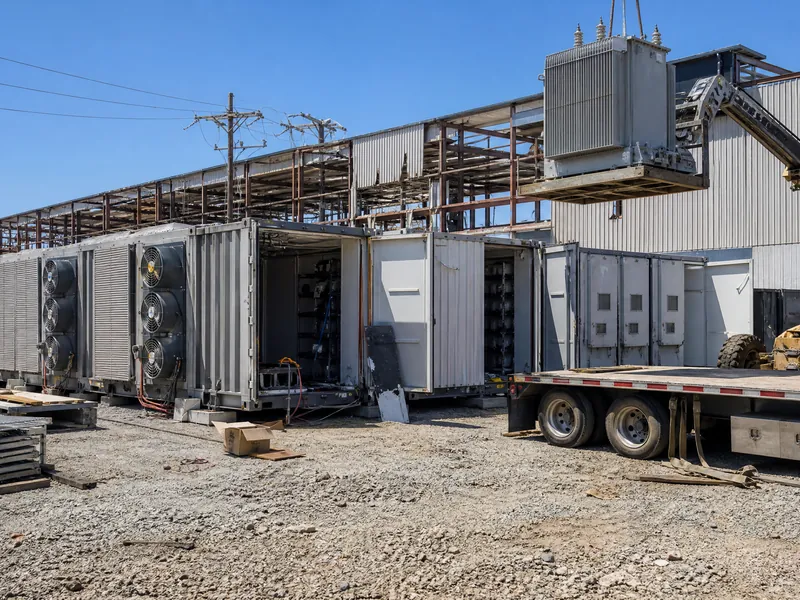
Plant owners rely on our heavy equipment fleet to bring down massive steel structures, crush concrete foundations, and process industrial scrap safely. Whether taking down a legacy coal-fired boiler in Pueblo or clearing a sprawling distribution warehouse in Denver, our project managers engineer the sequence to control dust and mitigate noise. We apply rigorous safety protocols to every phase of the wrecking process, ensuring the footprint is left ready for redevelopment.
The work
Executing High-Altitude Teardowns Along The Front Range
Taking down massive industrial structures in Colorado requires accounting for the region's unique physical conditions. The Front Range corridor presents specific engineering challenges, particularly regarding expansive bentonite clay soils and severe freeze-thaw cycles. When removing deep concrete foundations and subterranean utility vaults, our operators must manage ground conditions that shift dramatically with moisture changes. Winter weather at high elevations introduces heavy snow loads and high winds, dictating how we sequence the dismantling of tall structures like exhaust stacks and conveyor galleries.
Our project managers calculate wind shear limits before making critical cuts on high-elevation steel frames. Rigging operations are timed to avoid sudden wind gusts common along the foothills. During warmer months, we deploy high-capacity water cannons to suppress dust at the source, keeping particulate matter contained within the site boundaries. By adapting our wrecking methodologies to the local climate, we maintain strict control over the demolition zone.
Method and sequence
Retiring Power Generation And Heavy Manufacturing Assets
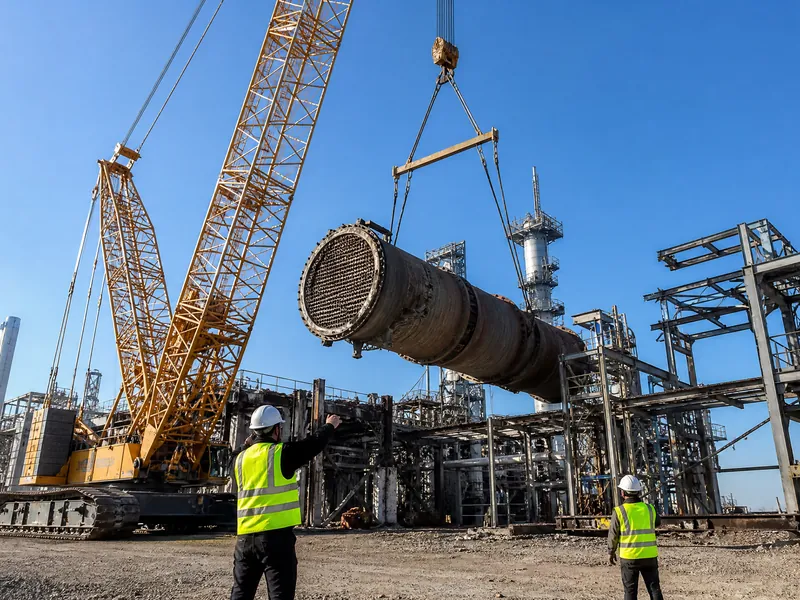
Colorado is undergoing a significant transition in its energy sector, leading to the retirement of legacy coal-fired power plants and older industrial complexes. Dismantling these massive facilities requires specialized heavy rigging, controlled felling techniques, and high-reach excavators equipped with hydraulic shears. We systematically deconstruct boiler houses, turbine halls, and cooling towers, separating heavy structural steel from concrete rubble. In cities like Pueblo, where heavy industry and steel manufacturing have a deep history, we handle the decommissioning of rolling mills and heavy fabrication shops.
The teardown involves managing complex structural loads and hazardous residual materials. Before primary wrecking begins, our crews perform comprehensive interior demolition, removing transformers, switchgear, and heavy machinery. We engineer the collapse of tall structures using precise torch cutting and wire rope pulling, ensuring debris falls exactly within the designated drop zone. Every step is calculated to maximize the recovery of recyclable metals, generating a salvage credit that directly reduces the client's net cost.
Local coverage
Cities we work in across Colorado
Hazards and controls
CDPHE Compliance And NESHAP Notification Protocols
Navigating the regulatory landscape is a critical component of any industrial teardown in the state. The Colorado Department of Public Health and Environment (CDPHE) enforces strict regulations regarding air quality and asbestos management. Before any structural demolition can commence, federal NESHAP regulations require a formal 10-working-day notification to the CDPHE Air Pollution Control Division. Our environmental compliance team handles this paperwork, ensuring all state and federal mandates are met without delaying the project schedule.
We coordinate with local municipal building departments in Denver, Pueblo, and surrounding counties to secure necessary demolition permits. This process includes obtaining official sign-offs for the disconnection of high-voltage electrical feeds, high-pressure gas lines, and industrial water mains. If asbestos-containing materials are identified during the initial site assessment, we integrate the abatement process into the critical path. By managing environmental remediation and regulatory reporting in-house, we prevent compliance bottlenecks and keep the teardown moving forward legally.
Sequence of work
How a project runs, stage by stage
Site walk and survey
We walk the structure with you, review drawings, and record structural condition, live utilities, hazardous materials and salvageable assets before any number is quoted.
Engineering and permits
An engineered demolition plan sets the sequence, exclusion zones and means of collapse. We file local permits and the federal pre-demolition notification, and collect utility isolation sign-offs.
Abatement and pre-clean
Regulated materials come out first under containment with clearance documentation, so the structural phase is never held up by a surprise inside a wall or a pipe chase.
Dismantling and teardown
High-reach machines, shears, torch crews and hand demolition work the sequence top-down or inside-out, with salvage separated as it comes out rather than picked from a mixed pile afterwards.
Processing and haul-off
Steel is sheared and shipped, concrete is crushed for reuse or hauled, and every regulated stream leaves under manifest to a permitted facility.
Grading and closeout
Foundations and slabs come out to the agreed depth, the site is graded and stabilised, and you receive manifests, clearance reports and closeout documentation.
Permits and notification
Dismantling Food Processing And Beverage Facilities
The agricultural and brewing heritage of the region has left a footprint of large-scale food and beverage processing plants that eventually require decommissioning. Tearing down these facilities involves dealing with extensive networks of stainless steel piping, massive fermentation tanks, and grain handling infrastructure. Our crews are experienced in the selective dismantling of these specialized environments, often working within tight urban footprints or adjacent to active production lines. We carefully extract high-value stainless steel and copper components, processing them for scrap recovery.
Ammonia refrigeration systems, common in meatpacking warehouses, present specific hazards during decommissioning. We coordinate the safe pump-down of all ammonia lines before mechanical shearing takes place. Grain elevators require meticulous dust control during dismantling, as residual agricultural dust poses a deflagration risk. We utilize cold-cutting techniques and continuous ventilation to eliminate ignition sources while taking down silos. The recovered metals provide a substantial salvage credit that offsets the overall expense.
Salvage and recovery
Concrete Crushing And Aggregate Processing On Site
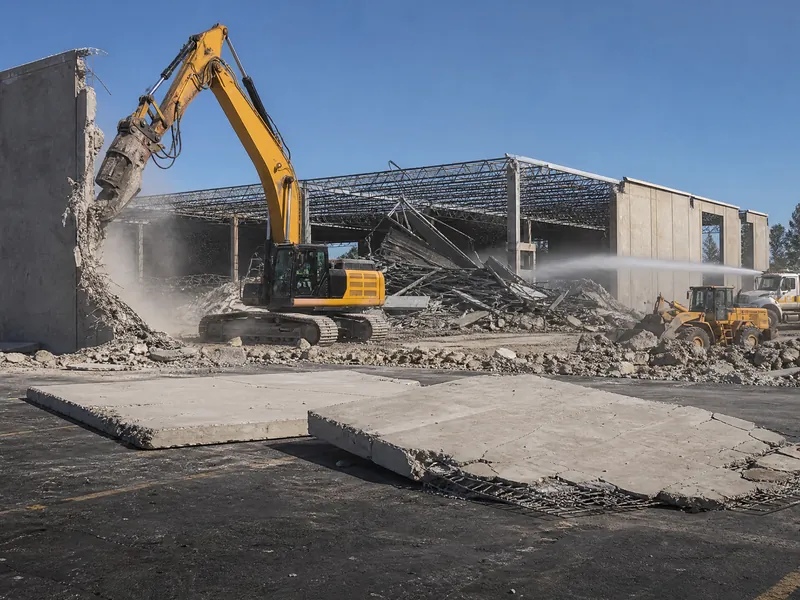
Heavy industrial sites are built on massive concrete foundations, thick slab-on-grade floors, and deep equipment pits that must be removed to prepare the land for redevelopment. Instead of hauling thousands of tons of concrete debris to local landfills, we deploy mobile crushing spreads directly to the demolition site. Our heavy excavators break apart the concrete structures, separating the embedded rebar for scrap metal recovery. The raw concrete rubble is then fed into our portable jaw and cone crushers.
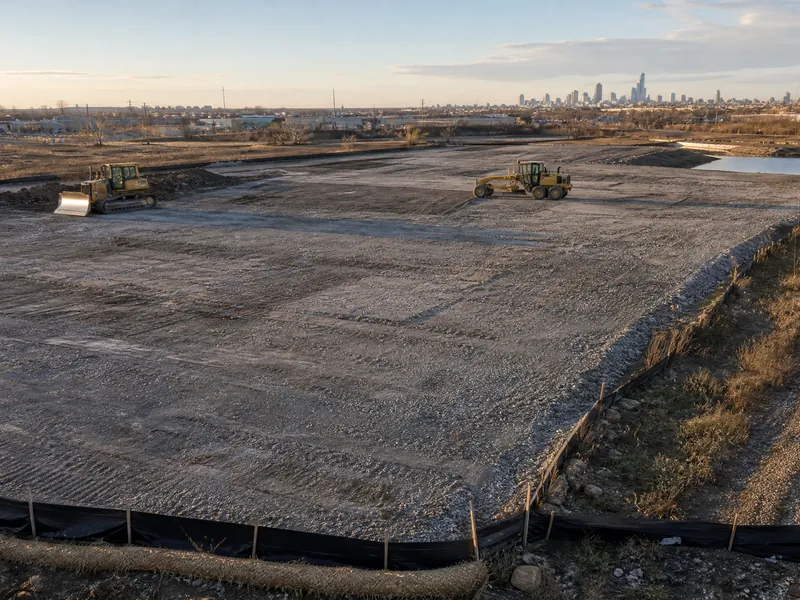
Processing the concrete on site produces a clean, graded aggregate that can be reused immediately. In areas with expansive clay soils, this crushed material is highly valuable for stabilizing the ground and backfilling deep voids left by basement removal. By keeping the material on site, we drastically reduce heavy truck traffic on local roads. If the client does not require the aggregate for backfill, we arrange for the crushed concrete to be transported to regional recycling facilities.
Logistics
Scrap Metal Recovery And Regional Salvage Routing
The financial dynamics of a heavy industrial teardown are heavily influenced by the efficient recovery and routing of scrap metal. We operate as a demolition contractor, meaning the value of recovered metals is applied directly as a salvage credit against the client's project costs. Our operators use mobile shears and material handlers to process structural I-beams, plate steel, and copper wiring right on the job site. We cut the material to the specific dimensions required by regional foundries and shredders.
In Colorado, the logistics of moving heavy scrap dictate our processing strategy. Ferrous metals are often routed to the EVRAZ Rocky Mountain Steel mill in Pueblo or large-scale shredding operations in the Denver metro area. By preparing the scrap to mill-ready specifications before it leaves the site, we maximize its value and minimize transportation inefficiencies. Non-ferrous metals are securely containerized and shipped to specialized processors. This rigorous approach ensures the client receives the maximum possible financial benefit.
Common questions
Questions owners and engineers ask
What is the required timeline for asbestos notification prior to structural teardowns in Colorado?
Before any mechanical wrecking begins, federal NESHAP regulations mandate a 10-working-day notification period. We submit this documentation directly to the Colorado Department of Public Health and Environment (CDPHE) Air Pollution Control Division. This waiting period allows state regulators to review the abatement plans. We factor this timeline into our initial project schedule to prevent delays.
How do expansive soils and freeze-thaw cycles impact the removal of deep industrial foundations?
The Front Range is known for bentonite clay soils that expand when wet, combined with severe winter freeze-thaw cycles. When we excavate deep concrete basements, these shifting ground conditions require careful stabilization. We often use the crushed concrete generated from the demolition to backfill voids immediately, ensuring the site remains stable for future industrial development.
Can the salvage value of heavy structural steel offset our project expenses?
Yes, the metals recovered during the dismantling process hold significant value. We process structural steel, copper wire, and aluminum on site and route them to regional recycling facilities, such as the steel mills in Pueblo. The revenue generated from this scrap is applied as a salvage credit, which directly reduces the net cost you pay.
What happens to the massive concrete slabs generated during a plant decommissioning?
Rather than trucking heavy debris to a landfill, we utilize mobile crushing equipment to process the concrete directly on your site. Hydraulic pulverizers separate the steel rebar, and the concrete is crushed into a reusable aggregate. This material is typically used to backfill subterranean voids, providing a stable base for new construction.
Do you handle the disconnection of high-voltage electrical infrastructure?
Our project managers coordinate the complete isolation of the facility before any dismantling occurs. We work with local utility providers to verify that all high-voltage lines and gas mains are physically disconnected and capped. We implement strict lock-out/tag-out procedures to ensure the entire industrial site is completely de-energized before our heavy equipment operators begin.
Ready to price the teardown?
When it is time to retire a heavy manufacturing plant or power generation facility, you need a contractor with the equipment and expertise to handle the job safely. Industrial Demolition USA is ready to engineer the dismantling of your site and maximize your asset recovery. Call us at 954-740-1983 or email electricalequipmentbuyers@gmail.com to discuss your project requirements.