
Overview
From towering preheater towers and rotary kilns to sprawling clinker storage silos and grinding mills, our crews possess the heavy equipment and technical expertise required to execute these complex wrecking projects safely. We handle the complete deconstruction process, including hazardous material abatement, structural demolition, and comprehensive asset recovery. Our team works diligently to maximize salvage credit and deliver a fully cleared, graded site ready for its next industrial application.
The work
Engineered Deconstruction Of Heavy Cement Manufacturing Structures
The demolition of a cement plant requires a highly engineered approach due to the massive scale and robust construction of the facilities. We begin every project with a detailed structural analysis to determine the safest dismantling sequence. Our project managers develop a comprehensive deconstruction plan that addresses the unique challenges posed by towering preheater towers, massive rotary kilns, and heavily reinforced concrete silos. This planning phase includes the strategic isolation of high-voltage electrical systems and the secure establishment of exclusion zones to protect our crews and any adjacent active operations.
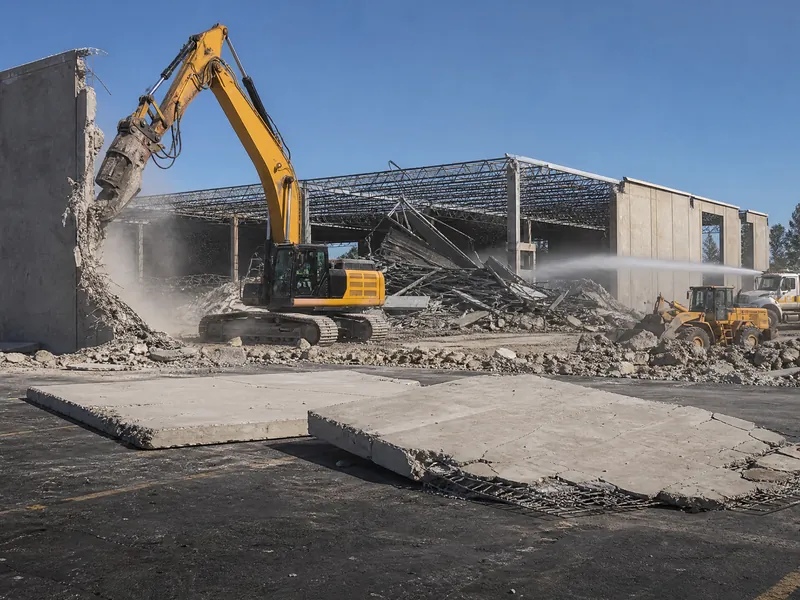
Once the site is fully prepped, our heavy equipment operators begin the systematic teardown of the structures. We utilize a fleet of specialized machinery, including high-reach excavators equipped with heavy-duty hydraulic shears, concrete pulverizers, and grapple attachments. For the massive steel components of the rotary kilns and grinding mills, we employ a combination of mechanical shearing and precision torch cutting. Our crews are highly trained in the controlled dismantling of these heavy industrial assets, ensuring that the work is performed safely while minimizing dust and vibration impacts on the surrounding area.
Method and sequence
Environmental Remediation And Hazard Control In Cement Plants
Cement manufacturing facilities often contain a variety of environmental hazards that must be carefully managed during the decommissioning process. Before any structural demolition can commence, our specialized abatement teams conduct a thorough removal of all regulated materials. This typically involves the safe abatement of asbestos-containing materials found in high-temperature insulation, gaskets, and roofing systems, as well as the removal of lead-based paints from structural steel components. We strictly adhere to all federal and state environmental regulations to ensure the safe handling of these hazardous substances.
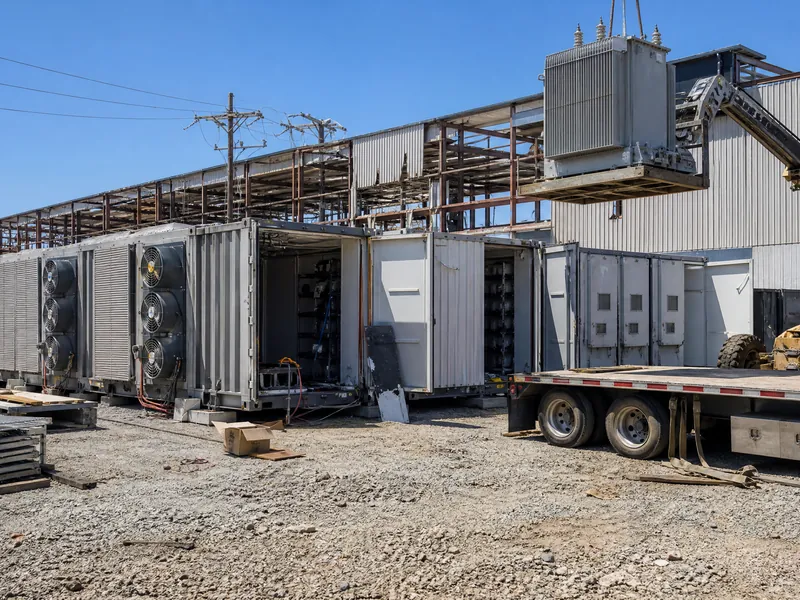
In addition to asbestos and lead, cement plants may also contain residual quantities of alternative fuels, lubricants, and processing chemicals. We work with certified environmental professionals to safely drain, flush, and neutralize all storage tanks, piping systems, and lubrication reservoirs. We also manage the proper disposal of universal wastes, such as mercury switches and PCB-containing electrical transformers. Our comprehensive approach to environmental remediation ensures that the site is fully cleared of all legacy hazards, protecting both our workers and the local ecosystem.
More scope we cover
Related demolition service lines
Foundry Demolition
Industrial Demolition USA performs complete foundry demolition, dismantling, and decommissioning for metal…
Warehouse Demolition
Industrial Demolition USA executes comprehensive warehouse demolition, dismantling, and site clearing for…
Selective Demolition
Industrial Demolition USA executes precision selective demolition and interior dismantling for active…
Hazards and controls
Specialized Techniques For Concrete Silo And Kiln Demolition
The towering concrete silos and massive rotary kilns found in cement plants present unique demolition challenges that require specialized techniques. For the deconstruction of clinker and cement storage silos, we often employ high-reach excavators to systematically break down the concrete walls from the top down. In cases where space is limited or the structures are exceptionally tall, we may utilize controlled implosion or specialized robotic demolition equipment to safely bring the silos down. Our engineering team carefully calculates the structural dynamics to ensure a safe and controlled collapse.
The dismantling of rotary kilns involves handling massive steel cylinders and heavy refractory brick linings. We typically begin by removing the refractory brick, which is often recycled or disposed of according to environmental regulations. The heavy steel shell of the kiln is then systematically cut into manageable sections using large hydraulic shears and industrial cutting torches. Our crews carefully rig and lower these massive steel sections to the ground, where they are further processed for scrap metal recovery.
Sequence of work
How a project runs, stage by stage
Site walk and survey
We walk the structure with you, review drawings, and record structural condition, live utilities, hazardous materials and salvageable assets before any number is quoted.
Engineering and permits
An engineered demolition plan sets the sequence, exclusion zones and means of collapse. We file local permits and the federal pre-demolition notification, and collect utility isolation sign-offs.
Abatement and pre-clean
Regulated materials come out first under containment with clearance documentation, so the structural phase is never held up by a surprise inside a wall or a pipe chase.
Dismantling and teardown
High-reach machines, shears, torch crews and hand demolition work the sequence top-down or inside-out, with salvage separated as it comes out rather than picked from a mixed pile afterwards.
Processing and haul-off
Steel is sheared and shipped, concrete is crushed for reuse or hauled, and every regulated stream leaves under manifest to a permitted facility.
Grading and closeout
Foundations and slabs come out to the agreed depth, the site is graded and stabilised, and you receive manifests, clearance reports and closeout documentation.
Permits and notification
Asset Recovery And Scrap Metal Salvage In Cement Facilities
A retired cement plant represents a significant source of valuable scrap metal and potentially reusable industrial equipment. Our dedicated asset recovery team works to identify and extract these materials, maximizing the salvage credit that is applied against the client's overall demolition costs. We carefully dismantle and recover high-value assets, including massive electric motors, heavy-duty gearboxes, structural steel framing, and specialized grinding equipment. By offsetting the cost of the teardown with the value of these recovered materials, we provide a highly economical solution for facility owners.
The recovered scrap metal is meticulously sorted, processed on-site, and transported to specialized recycling facilities. We leverage our extensive nationwide network of scrap buyers to ensure that our clients receive the maximum possible value for their salvaged materials. Our transparent accounting practices and detailed salvage reporting provide our clients with complete visibility into the financial aspects of the asset recovery process.
Salvage and recovery
Concrete Crushing And Final Site Preparation Services
Given the massive volume of concrete present in a cement plant, on-site concrete crushing is a critical component of the demolition process. We utilize heavy-duty mobile crushing plants to process the demolished concrete structures, including foundations, silos, and retaining walls, into reusable aggregate. This not only significantly reduces the volume of waste that must be transported to landfills but also provides a valuable material that can be used for site grading, backfill, or future construction projects.
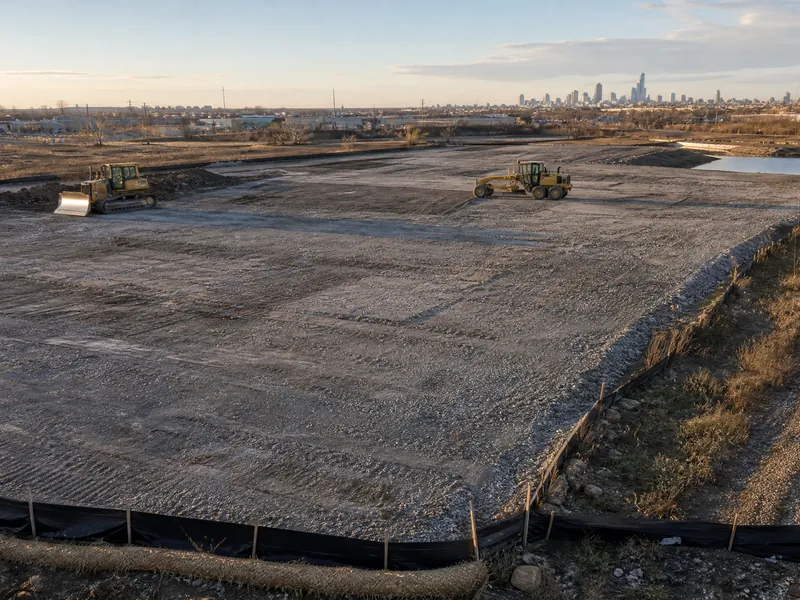
The final phase of the decommissioning process involves the comprehensive clearing and grading of the site. Once all structures have been removed and the concrete has been processed, our crews work to prepare the land for its next phase of development. This includes the removal of all remaining debris, the backfilling of subterranean voids, and the final grading of the site to ensure proper drainage and stability. We deliver a clean, safe, and fully prepped property that meets all client specifications.
In-house trades
Capabilities that run alongside this work
Coverage
Where we take on this work
Common questions
Questions owners and engineers ask
How do you handle the massive concrete foundations of a cement plant?
We utilize heavy excavators equipped with large hydraulic breakers to fracture and remove the massive concrete foundations typical of cement plants. Once the concrete is broken into manageable pieces, we process it through our on-site mobile crushing plants. This allows us to recycle the concrete into reusable aggregate, which can be used to backfill the excavated areas and grade the site, significantly reducing disposal costs and environmental impact.
What is the typical timeline for decommissioning a cement manufacturing facility?
The timeline for a cement plant demolition depends on the size of the facility, the number of structures, and the extent of environmental remediation required. A complete teardown of a large-scale cement plant can take anywhere from eight months to over two years. We provide a detailed, phased project schedule during the initial planning stages to ensure that all work is completed safely and efficiently within the agreed-upon timeframe.
Are you able to perform controlled implosions for tall preheater towers?
Yes, we have the engineering expertise and specialized partners required to perform controlled implosions for exceptionally tall or difficult-to-access structures, such as preheater towers and large concrete silos. Controlled implosion is often the safest and most efficient method for bringing down these massive structures, provided that the site conditions and proximity to adjacent active facilities allow for it. We handle all necessary engineering, permitting, and safety protocols.
How is the refractory brick from the rotary kilns disposed of?
The disposal of refractory brick depends on its specific composition and whether it has been contaminated by hazardous materials during the cement manufacturing process. We conduct thorough testing of the brick prior to removal. If the brick is non-hazardous, it can often be recycled or disposed of as standard construction debris. If it contains regulated contaminants, we ensure it is packaged and transported to a licensed hazardous waste disposal facility.
Do you provide services nationwide for cement plant demolition?
Yes, Industrial Demolition USA provides comprehensive cement plant demolition and dismantling services nationwide. We have the heavy equipment fleet, specialized personnel, and logistical capabilities to mobilize to any location across the country. Our extensive experience in heavy industrial deconstruction allows us to successfully manage complex teardown projects in any state, ensuring compliance with all local and federal regulations.
Ready to price the teardown?
Industrial Demolition USA is your trusted partner for complex cement plant demolition and dismantling projects. Our experienced crews deliver safe, efficient, and highly engineered teardown solutions that maximize your salvage credit. Call us today at 954-740-1983 or email electricalequipmentbuyers@gmail.com to discuss your facility and request a detailed project estimate.