
Overview
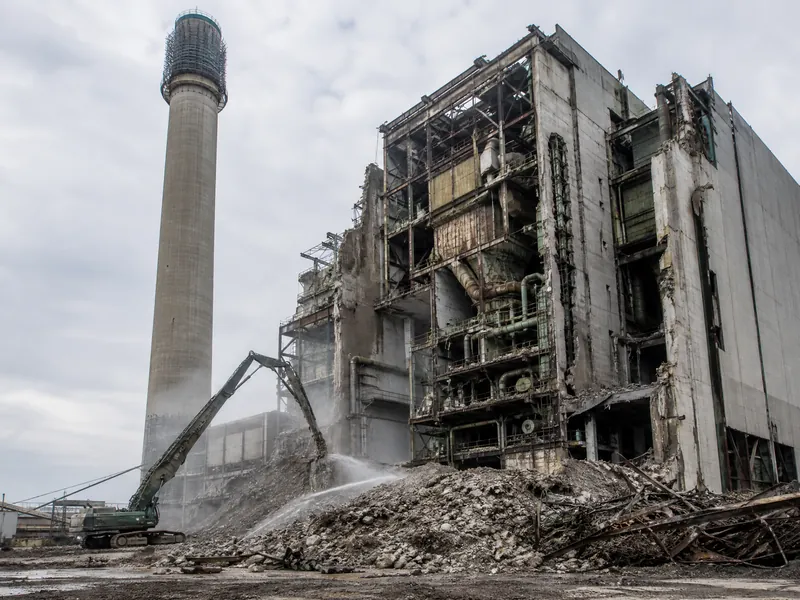
Our safety program is engineered to control these risks through rigorous planning, continuous training, and strict adherence to regulatory standards. We integrate safety into every phase of deconstruction, ensuring the protection of our crews, client personnel, and the surrounding environment. By prioritizing hazard mitigation, we deliver secure and efficient asset recovery and site clearing operations.
The work
Comprehensive Hazard Analysis and Planning
Before any dismantling or wrecking begins, our team conducts a thorough site assessment to identify potential hazards. This includes evaluating structural integrity, locating hazardous materials, and assessing environmental conditions. We develop a detailed Job Hazard Analysis (JHA) for every phase of the project, outlining specific risks and the corresponding control measures. This proactive approach ensures that all personnel are aware of the hazards and equipped with the knowledge to mitigate them effectively. Our planning process also involves close coordination with facility owners and engineers to understand the unique challenges of the site. We review structural drawings, utility layouts, and previous environmental surveys to build a comprehensive risk profile. This collaborative effort allows us to design a demolition sequence that minimizes risks while maximizing efficiency. By anticipating challenges before they arise, we maintain a secure work environment throughout the deconstruction process. Furthermore, our safety planning extends to emergency response preparedness. We.
Method and sequence
Competent Person Oversight and Leadership
Every industrial demolition project is overseen by a designated Competent Person, as defined by OSHA standards. This individual possesses the knowledge and experience to identify existing and predictable hazards and has the authority to take prompt corrective measures. The Competent Person is responsible for enforcing safety protocols, conducting regular site inspections, and ensuring that all work is performed in compliance with regulatory requirements. Our leadership team is deeply committed to fostering a culture of safety. We empower every employee to stop work if they observe an unsafe condition or practice. This "stop work authority" is a cornerstone of our safety program, ensuring that safety is never compromised for the sake of schedule or production. By cultivating an environment where safety is everyone's responsibility, we maintain a vigilant and proactive workforce. The Competent Person also plays a critical role in coordinating with other contractors and facility personnel. They ensure that our.
Hazards and controls
Rigorous Training and Certification Programs
Our personnel undergo extensive training to ensure they possess the skills and knowledge required to perform heavy industrial demolition safely. This includes mandatory OSHA 10-hour or 30-hour training, as well as specialized instruction in hazard communication, fall protection, confined space entry, and respiratory protection. We also provide equipment-specific training to ensure that operators are proficient in the safe operation of high-reach excavators, shears, and other specialized machinery. Continuous education is a key component of our safety program. We conduct regular safety meetings and toolbox talks to reinforce safe work practices and address site-specific hazards. These sessions provide an opportunity for workers to discuss safety concerns and share lessons learned from previous projects. By keeping safety at the forefront of our daily operations, we maintain a high level of awareness and vigilance among our crews. In addition to internal training, we require our personnel to maintain relevant certifications, such as asbestos.
Permits and notification
Strict Exclusion Zones and Access Control
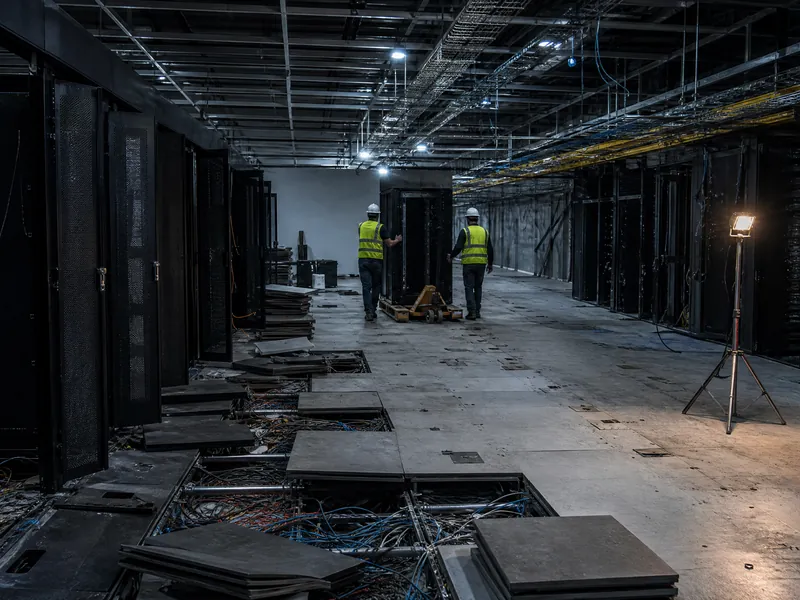
Controlling access to the demolition site is critical for protecting personnel and the public from hazards such as falling debris and heavy equipment operations. We establish strict exclusion zones around active work areas, clearly marked with fencing, barricades, and warning signs. Only authorized personnel with the appropriate training and personal protective equipment (PPE) are permitted to enter these zones. Our access control measures also include a rigorous sign-in and sign-out process for all individuals entering the site. This ensures that we have an accurate record of who is on-site at all times, which is essential for emergency response and accountability. We also coordinate with facility security to ensure that our operations do not compromise the overall security of the site. Within the exclusion zones, we implement strict traffic control plans to manage the movement of heavy equipment and haul trucks. This includes designated travel routes, speed limits, and the use.
Salvage and recovery
Environmental Protection and Compliance
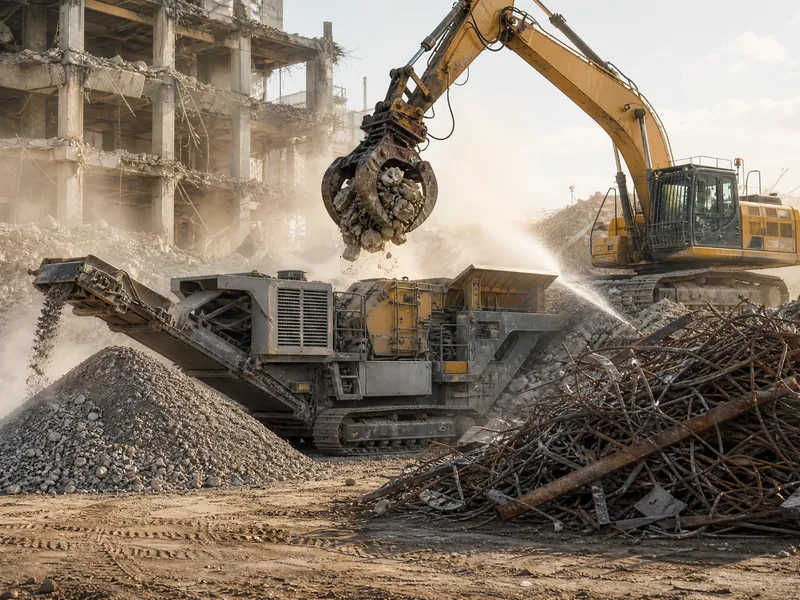
Industrial demolition often involves the handling and disposal of hazardous materials, such as asbestos, lead-based paint, and contaminated soils. Our safety program includes rigorous protocols for the identification, containment, and removal of these materials in compliance with all federal, state, and local regulations. We utilize specialized abatement techniques and equipment to prevent the release of hazardous substances into the environment. We also implement comprehensive dust and noise control measures to minimize the impact of our operations on the surrounding community. This includes the use of water sprays, dust suppressants, and noise barriers. We continuously monitor environmental conditions to ensure that our control measures are effective and that we remain in compliance with regulatory limits. Our commitment to environmental protection extends to the responsible management of demolition debris. We prioritize the recovery and recycling of materials, such as structural steel and concrete, to minimize the volume of waste sent to landfills..
Capabilities
Capabilities we run in house
Common questions
Questions owners and engineers ask
How do you manage the risks associated with structural instability during a teardown?
We manage structural instability through detailed engineering analysis and careful planning. Before dismantling begins, we review structural drawings and conduct a thorough site assessment to understand the building's load paths and potential failure points. We then develop a controlled demolition sequence that systematically removes structural elements while maintaining stability. Our crews are trained to recognize signs of instability and adjust.
What personal protective equipment (PPE) is required for your demolition crews?
Our crews are required to wear comprehensive PPE tailored to the specific hazards of the project. Standard PPE includes hard hats, safety glasses, high-visibility clothing, steel-toed boots, and hearing protection. Depending on the task, additional PPE such as respirators, fall protection harnesses, and specialized gloves may be required. We ensure that all PPE meets regulatory standards and is properly maintained.
How do you handle the discovery of unexpected hazardous materials during deconstruction?
If unexpected hazardous materials are discovered, we immediately halt work in the affected area and secure the perimeter. We then notify the client and engage specialized environmental consultants to assess the situation and develop a remediation plan. Our crews are trained in hazard recognition and are equipped to handle these situations safely and in compliance with all regulatory requirements.
What measures do you take to protect adjacent structures and active facility operations?
We protect adjacent structures and active operations through the use of physical barriers, vibration monitoring, and careful equipment selection. We establish strict exclusion zones and coordinate closely with facility personnel to ensure that our activities do not interfere with their operations. Our controlled demolition techniques, such as hand dismantling and the use of specialized attachments, allow us to work precisely.
How do you ensure that subcontractors adhere to your safety standards?
We hold all subcontractors to the same rigorous safety standards as our own personnel. Before beginning work, subcontractors must submit their safety programs for review and approval. They are also required to participate in our site-specific safety orientation and attend regular safety meetings. Our Competent Person monitors subcontractor activities to ensure compliance and has the authority to stop work if.
What is your protocol for reporting and investigating safety incidents?
Our protocol requires the immediate reporting of all safety incidents, including near misses, to the site supervisor and safety manager. We conduct a thorough investigation of every incident to determine the root cause and identify corrective actions. This information is shared with our crews to prevent similar incidents from occurring in the future. We maintain detailed records of all incidents.
How do you manage the hazards associated with heavy equipment operation?
We manage heavy equipment hazards through rigorous operator training, strict traffic control plans, and regular equipment maintenance. Only certified operators are permitted to operate our machinery. We establish designated travel routes and use spotters to guide equipment in tight spaces. Our equipment is inspected daily and maintained according to manufacturer specifications to ensure safe and reliable operation.
What role does the client play in your safety program?
The client plays a critical role in our safety program by providing accurate information about the site and its hazards. We collaborate closely with the client during the planning phase to understand their safety requirements and integrate them into our site-specific safety plan. We also maintain open communication throughout the project, providing regular updates on safety performance and addressing any.
Ready to price the teardown?
Industrial Demolition USA is committed to executing every project with the highest standards of safety and professionalism. Our rigorous planning and experienced crews ensure a secure and efficient teardown process. Contact us at 954-740-1983 or electricalequipmentbuyers@gmail.com to discuss your industrial demolition requirements.